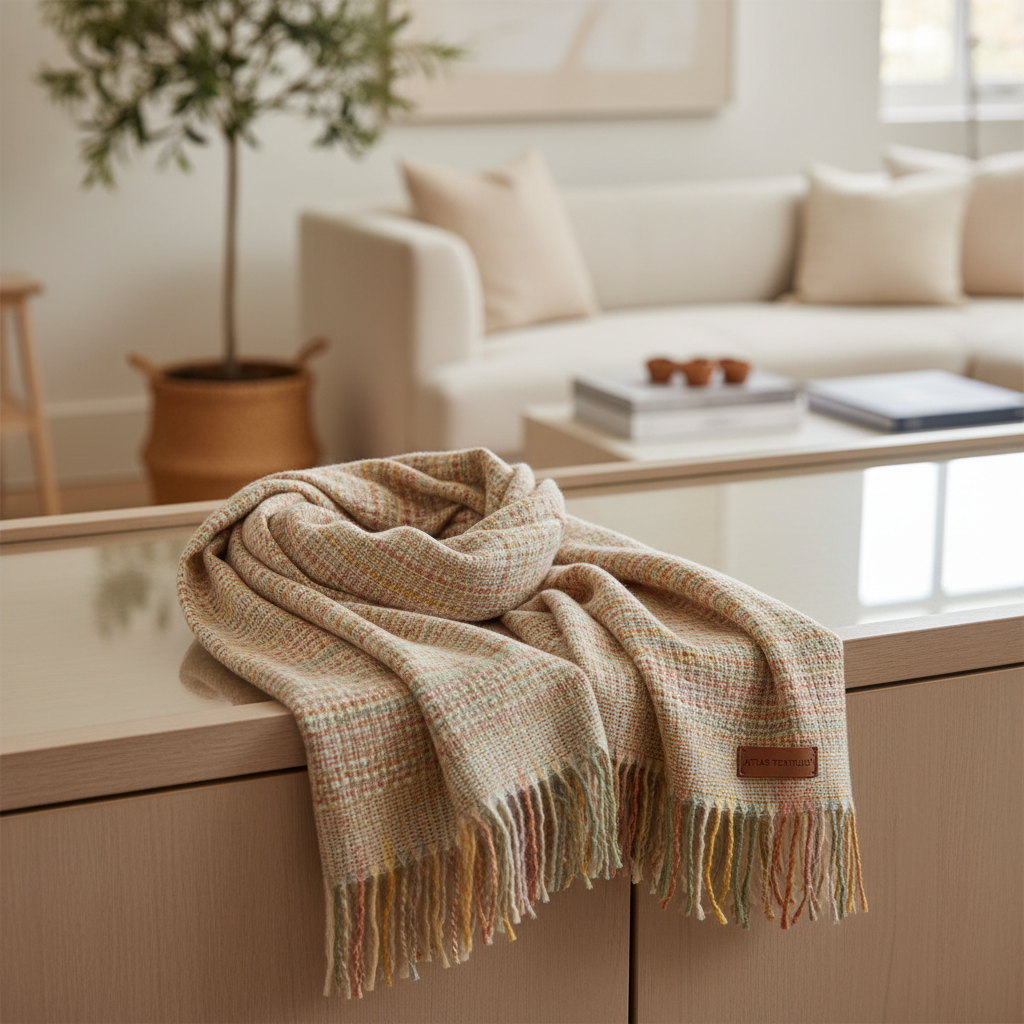
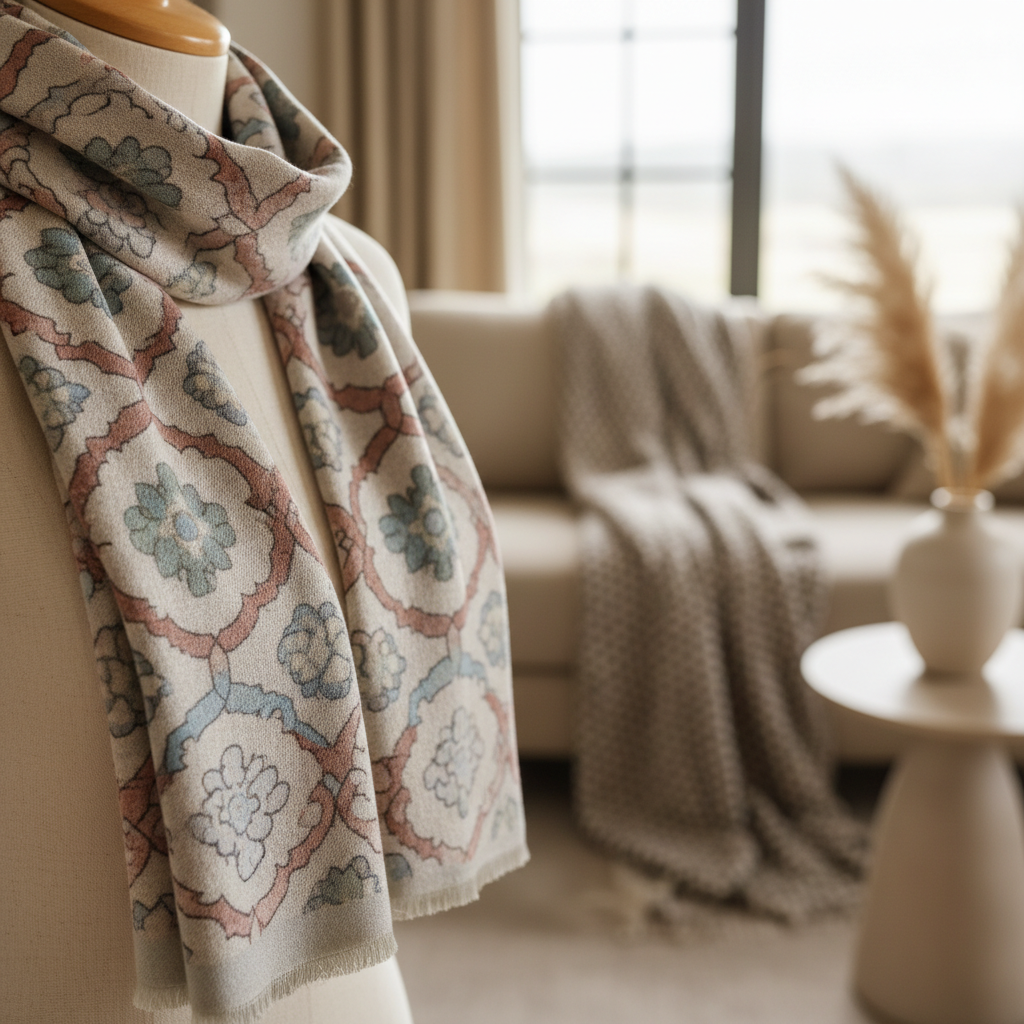
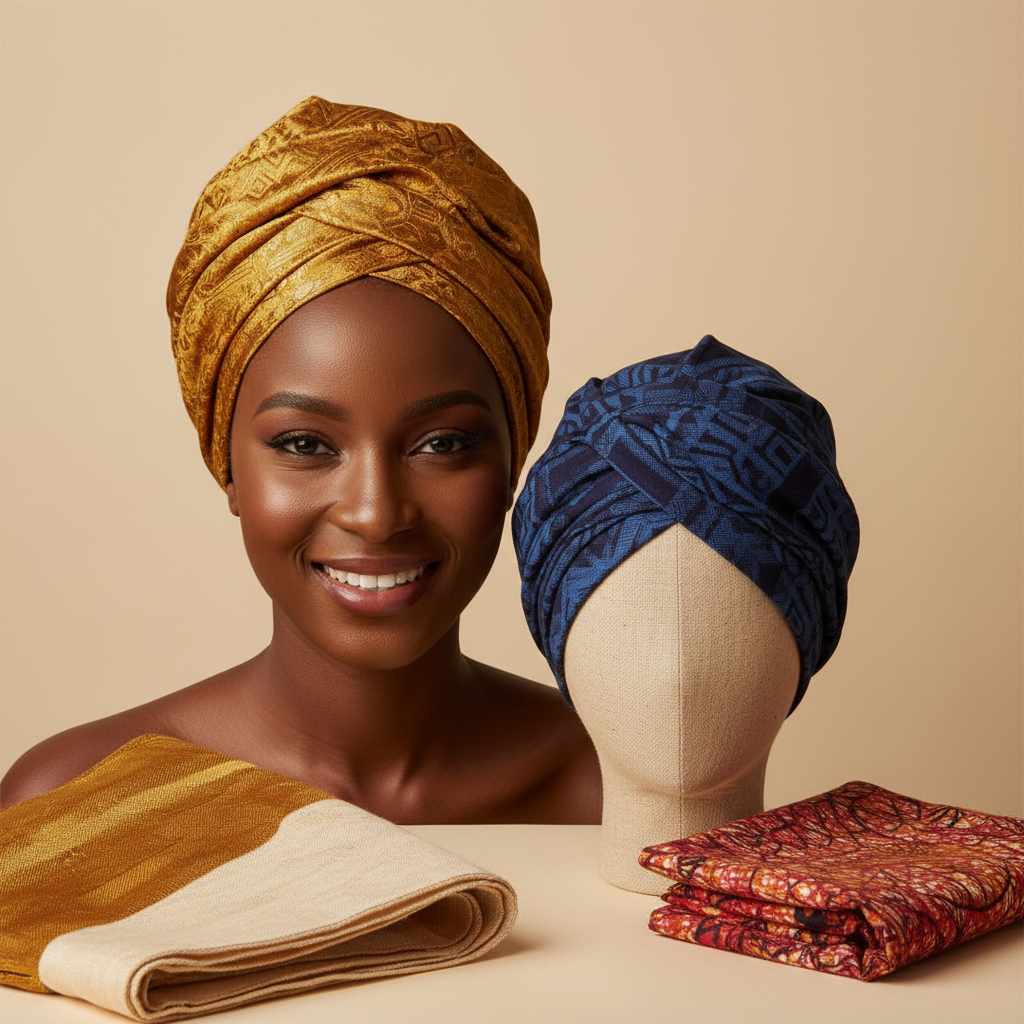
A simple piece of fabric, yet a scarf transcends mere functionality. For centuries, it has served as a symbol of status, protection, and cultural identity, adapting to climates and customs across the globe. Its lightweight and versatile nature makes it an essential item, from protecting against harsh winds to serving as a fashion statement. Understanding the history, versatility, and modern applications of a scarf unlocks appreciation for its enduring relevance.
The global scarf market is estimated at billions of dollars, with significant regional variations in demand and production. Countries like China, India, and Italy are major manufacturers, while diverse consumer preferences drive innovation in design and materials. However, the fast fashion industry’s impact on sustainable sourcing and ethical production presents a considerable challenge. The demand for high-quality, ethically made scarves is rising, as consumers become more conscious of their purchasing decisions.
From practical protection to aesthetic expression, the scarf continues to hold a significant place in everyday life. Its adaptability, affordability, and ease of transport make it uniquely suited to address needs across diverse populations, from everyday wear to emergency situations.
The Multifaceted Nature of a Scarf
At its most basic, a scarf is a length of fabric worn around the neck or head. However, its functionality extends far beyond this simple definition. It can act as a protective barrier against the elements, an elegant accessory to complement an outfit, or even a cultural symbol representing heritage and tradition. The choice of material, size, and design dramatically impacts its versatility.
The beauty of a scarf lies in its adaptability. It’s a readily available, low-cost item that can be used in countless ways - from a head covering for warmth, to a fashionable belt, to a makeshift bandage in emergency situations. This inherent flexibility makes it a valuable item for a broad spectrum of users.
Historical and Cultural Significance
The history of the scarf can be traced back to ancient Rome, where it was used as a symbol of status and protection. Over time, it evolved in different cultures, becoming integral to religious practices, military uniforms, and everyday fashion. In China, silk scarves were reserved for the elite, while in the Middle East, they offered protection from sandstorms.
Different cultures have imbued the scarf with unique meaning. In Scotland, the tartan scarf represents clan affiliation; in India, the pashmina shawl signifies luxury and artistry. These cultural associations elevate the scarf beyond a mere textile, transforming it into a potent symbol of identity.
Throughout history, the scarf’s function has intertwined with symbolic representation. From the Roman sudarium to the modern fashion accessory, its evolution reflects changing social norms and aesthetic preferences. This enduring cultural relevance ensures the scarf will continue to hold significance for generations to come.
Materials and Manufacturing Processes
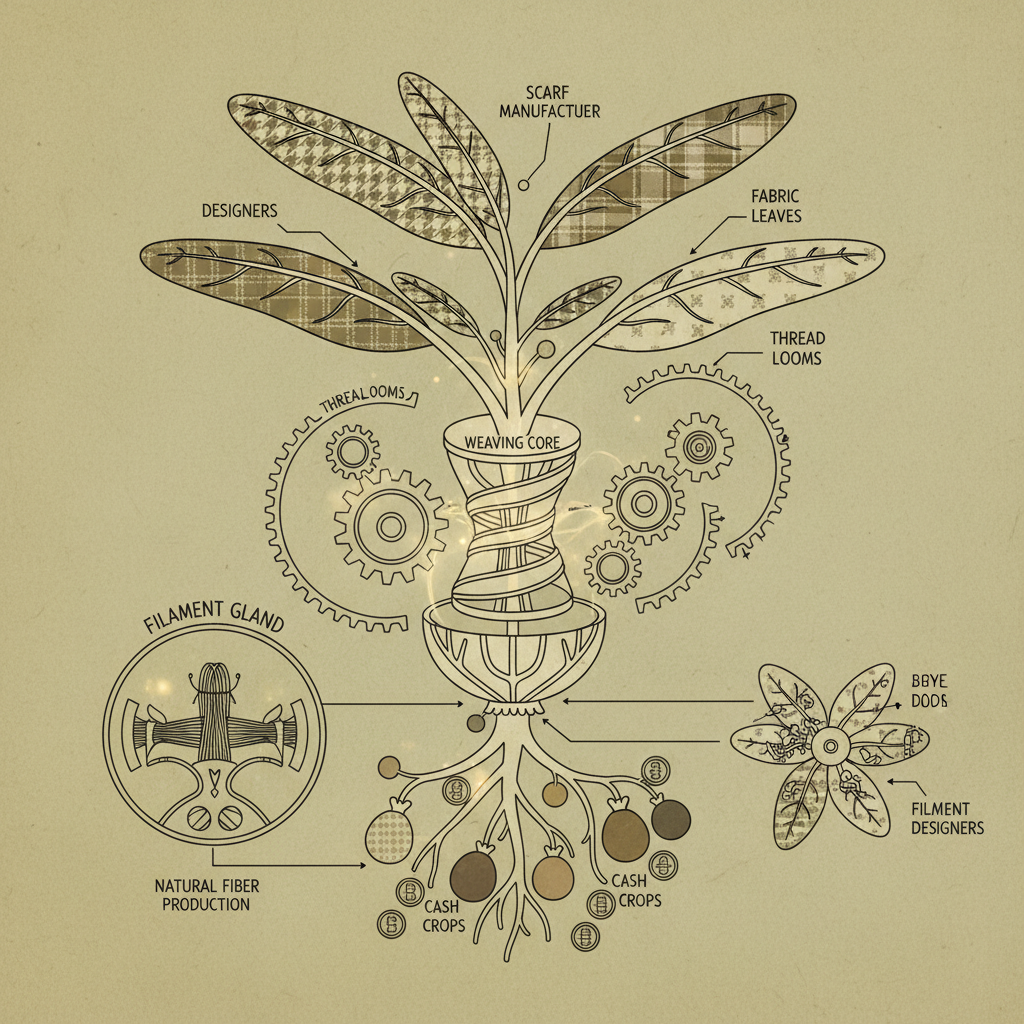
The materials used to create a scarf range dramatically, influencing its texture, weight, and price point. Silk, cashmere, wool, cotton, linen, and synthetic fabrics like polyester are all common choices. Each material possesses unique properties – silk offers luxurious softness, wool provides warmth, and cotton is breathable and durable.
Manufacturing processes also vary widely. Handwoven scarves require significant skill and time, resulting in unique, high-value pieces. Mass-produced scarves utilize automated looms and printing techniques for affordability and efficiency. Dyeing methods, including natural and synthetic dyes, also influence the final appearance and environmental impact.
The sustainability of these processes is increasingly important. Consumers are demanding more transparent supply chains and eco-friendly materials. Innovations in sustainable fabric production, such as organic cotton and recycled polyester, are gaining traction, offering alternatives to traditional methods.
Key Attributes Influencing Scarf Quality
Several key factors determine the quality and longevity of a scarf. These include the fiber content, weave density, finishing techniques, and dye quality. Higher fiber content generally translates to superior durability and feel, while a tighter weave provides increased resistance to wear and tear.
Scarf Quality Attribute Ratings
Global Applications and Regional Variations
The applications of a scarf are incredibly diverse. In colder climates, they serve as essential protection against wind and snow. In warmer regions, they offer sun protection or a stylish accessory. Across the globe, scarves are worn for religious purposes, ceremonial events, and everyday fashion.
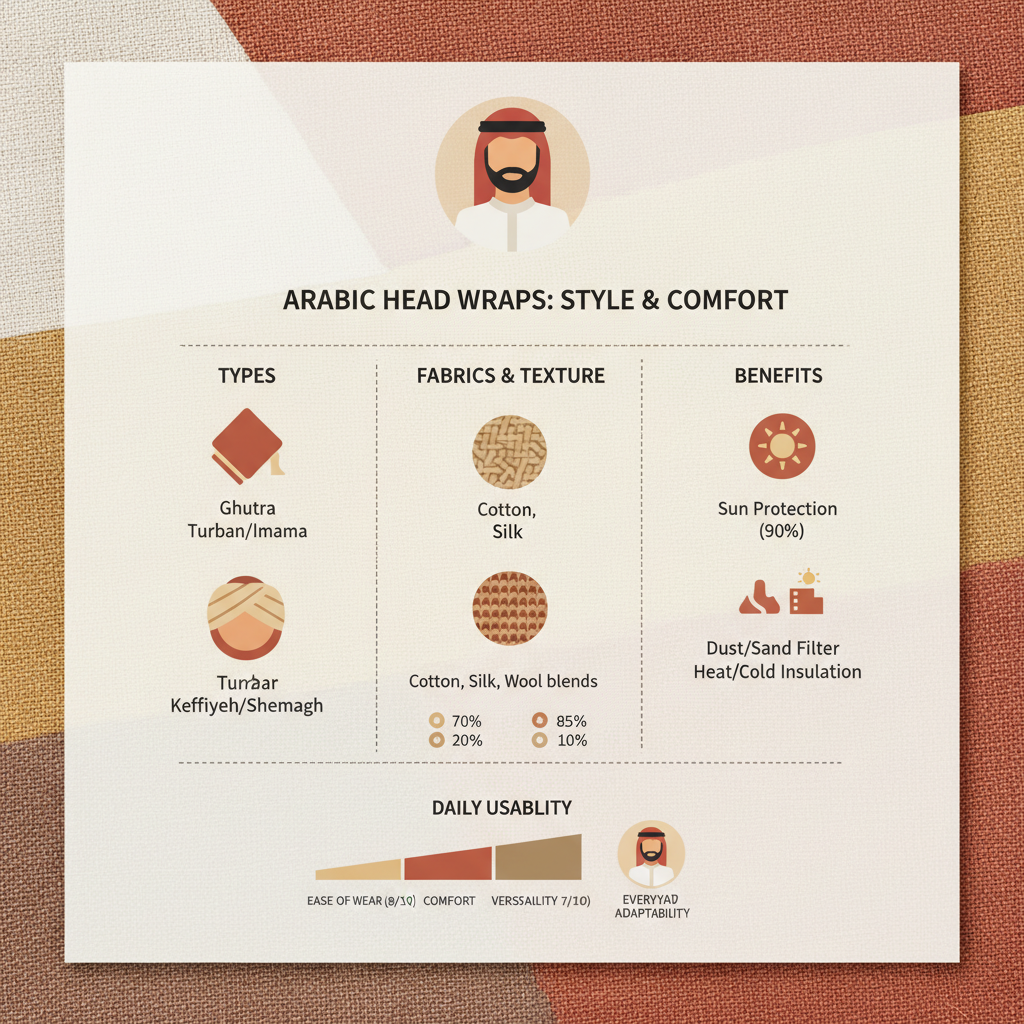
Regional variations are prominent. The Middle East favors larger, intricately patterned scarves for modesty and sun protection, while European markets prioritize fashion-forward designs. In South Asia, vibrant silk scarves are often gifted during celebrations. These diverse preferences drive innovation and product differentiation within the industry.
Advantages and Economic Impact
The scarf industry provides economic opportunities across the supply chain, from raw material production to manufacturing, distribution, and retail. The affordability of many scarves makes them accessible to a wide range of consumers, stimulating demand and supporting employment.
Beyond economic benefits, the scarf offers practical advantages. It's a versatile, lightweight item that can be easily transported and adapted to various situations. Its aesthetic appeal also contributes to personal expression and cultural enrichment.
The economic impact extends beyond direct sales. Supporting fair trade practices and sustainable production methods enhances the overall ethical value of the industry, fostering a positive social impact.
Emerging Trends and Sustainable Practices
The scarf industry is responding to growing consumer demand for sustainable and ethical products. This includes utilizing organic and recycled materials, implementing water-efficient dyeing processes, and ensuring fair labor practices throughout the supply chain.
Digital printing technologies are enabling more customized and on-demand production, reducing waste and inventory. Innovations in fabric technology, such as antimicrobial and UV-protective materials, are expanding the functional benefits of scarves.
The rise of slow fashion and a focus on timeless designs encourages consumers to invest in high-quality scarves that will last for years, reducing the need for frequent replacements.
Summary of Key Trends in Scarf Production and Sustainability
| Material Sourcing |
Production Methods |
Design & Innovation |
Consumer Trends |
| Organic Cotton Adoption |
Waterless Dyeing Techniques |
Digital Printing for Customization |
Demand for Ethical Production |
| Recycled Polyester Usage |
Reduced Chemical Use |
Functional Fabrics (UV Protection) |
Preference for Natural Fibers |
| Sustainable Silk Farming |
Waste Reduction Strategies |
AI-Powered Design Tools |
Growth of Slow Fashion |
| Traceable Supply Chains |
Energy-Efficient Manufacturing |
Personalized Scarf Designs |
Increased Transparency |
| Bio-Based Fiber Exploration |
Closed-Loop Production Systems |
Integration of Smart Textiles |
Support for Local Artisans |
| Regenerative Agriculture Practices |
Carbon-Neutral Production |
3D-Printed Scarf Elements |
Focus on Durability and Quality |
FAQS
The most sustainable materials for a scarf include organic cotton, recycled polyester, linen, and Tencel (Lyocell). Organic cotton minimizes pesticide use, recycled polyester reduces reliance on virgin materials, linen requires minimal water and pesticides, and Tencel is made from sustainably sourced wood pulp using a closed-loop production process. Choosing scarves made from these materials supports environmentally friendly practices.
Look for certifications like Fair Trade, GOTS (Global Organic Textile Standard), or OEKO-TEX Standard 100. These certifications verify that the scarf was produced under fair labor conditions and without harmful chemicals. Researching the brand’s transparency and commitment to ethical sourcing can also provide valuable insights.
Silk scarves require delicate care. Hand washing in cool water with a mild detergent is recommended. Avoid bleach and harsh chemicals. Gently roll the scarf in a towel to remove excess water and hang to dry away from direct sunlight. Iron on a low setting while slightly damp. Proper care will preserve the silk’s luster and longevity.
A scarf can be a versatile sun protection tool. Wrapping it around your head and neck shields sensitive skin from harmful UV rays. You can also use it to cover your shoulders or create a makeshift sunshade. Choose scarves made from tightly woven fabrics for optimal protection.
The styling possibilities are endless! A scarf can be worn as a headwrap, neckerchief, belt, bag accessory, or even tied to your hair. Experiment with different knots and drapes to create unique looks. Online tutorials and fashion blogs can provide inspiration.
Square scarves are typically smaller and are ideal for tying around the head or neck in various knots. Rectangular scarves are more versatile, offering a larger surface area for wrapping, draping, or wearing as a shawl. The choice depends on your personal style and intended use.
Conclusion
The scarf, seemingly a simple accessory, embodies a rich history, cultural significance, and practical versatility. From its origins as a symbol of status to its modern-day role in fashion and function, it continues to adapt and evolve. The growing emphasis on sustainability and ethical production promises a future where this timeless piece remains both beautiful and responsible.
Investing in high-quality, ethically sourced scarves is not only a style choice but a commitment to responsible consumption. By supporting sustainable practices and appreciating the artistry behind each piece, we can ensure the enduring legacy of the scarf for generations to come. Visit our website at www.wwscarf.com to explore our collection.