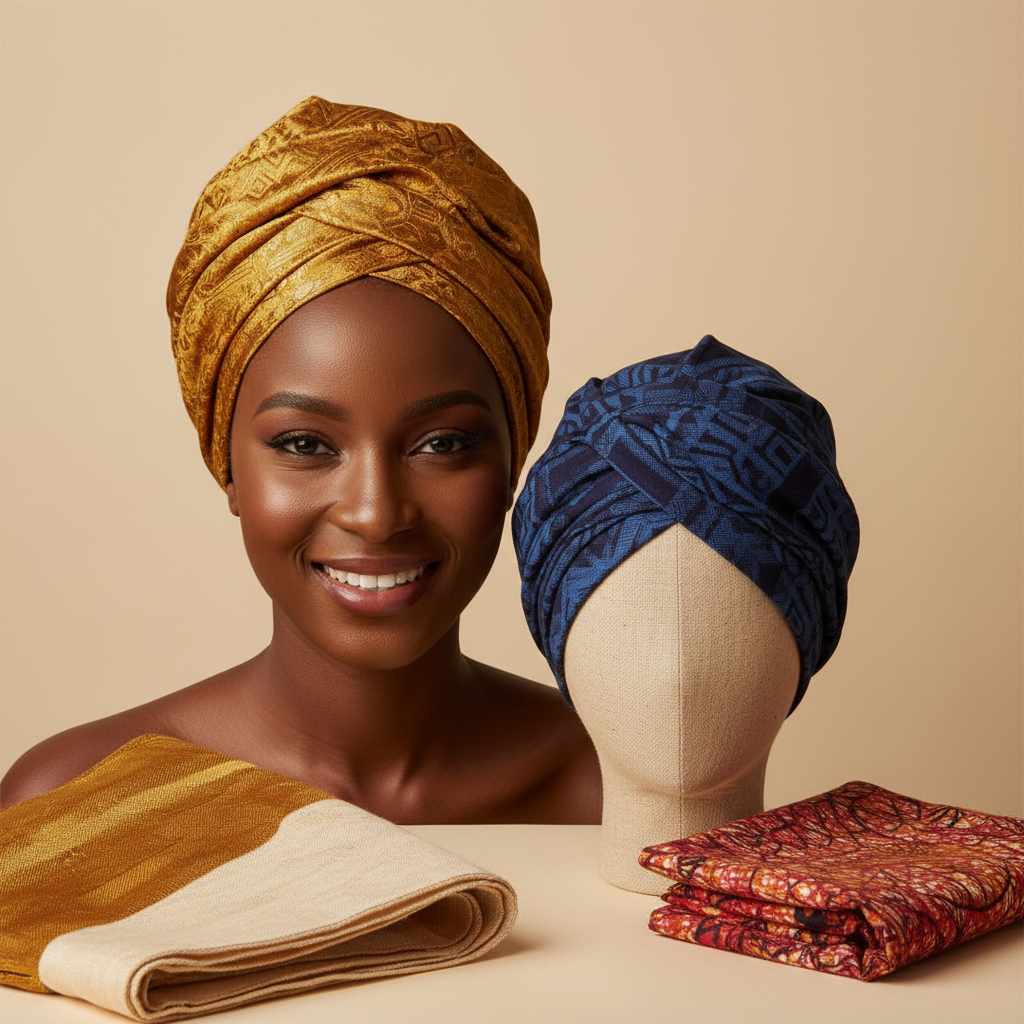
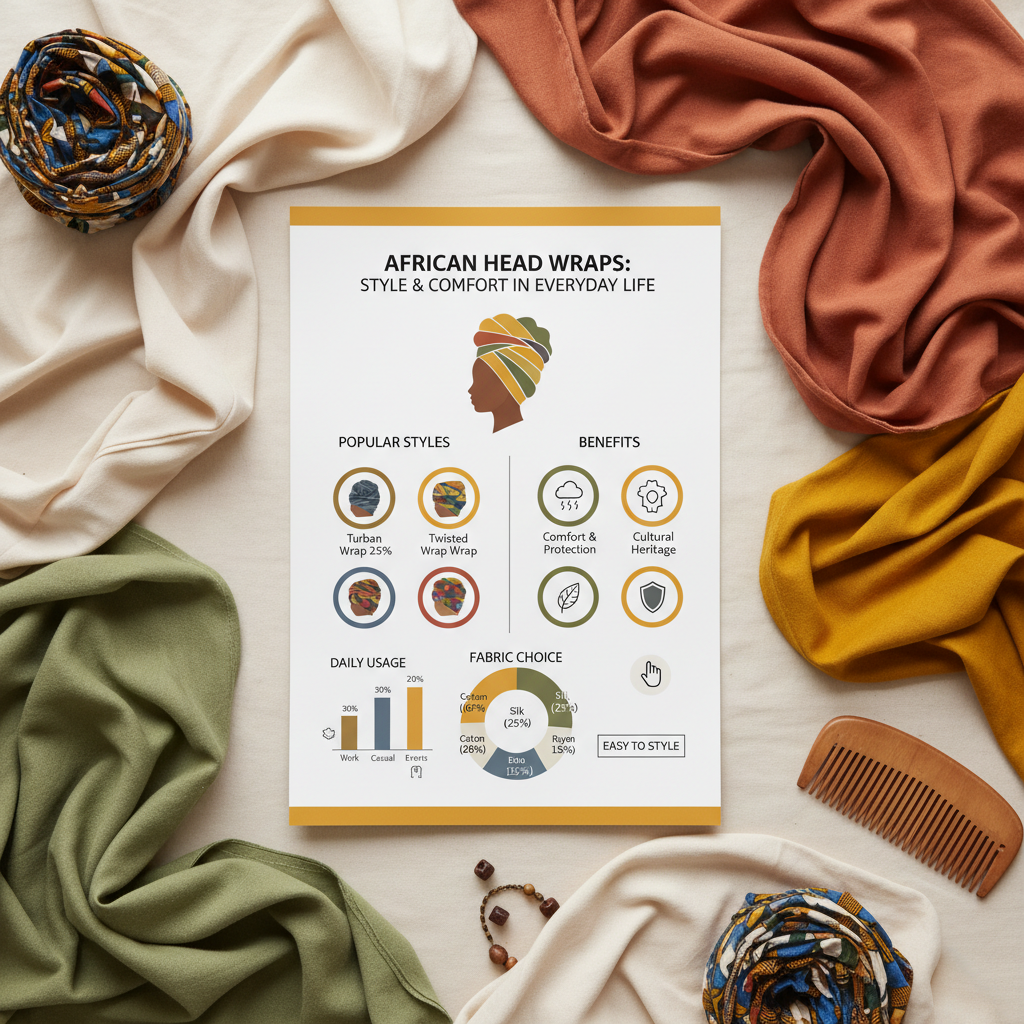
African head wraps, deeply rooted in history and cultural significance, are experiencing a global resurgence. Beyond their aesthetic appeal, these versatile garments represent a powerful form of self-expression, heritage, and artistic creativity. From everyday fashion to ceremonial occasions, african head wraps continue to evolve and inspire individuals worldwide, fostering a connection to ancestral traditions while simultaneously embracing modern styles.
The global market for textiles and fashion accessories is continuously expanding, with increased demand for culturally authentic and ethically sourced products. African head wraps are positioned to capitalize on this trend, offering a unique and compelling alternative to mass-produced accessories. Understanding the nuances of these wraps – their historical context, diverse tying techniques, and symbolic meanings – is crucial for both consumers and industry professionals alike.
This exploration delves into the multifaceted world of african head wraps, examining their core elements, diverse applications, and future potential. By unraveling the story behind these iconic pieces of fabric, we aim to appreciate their enduring legacy and recognize their role in shaping global fashion trends.
The Historical Development of african head wraps
The history of african head wraps is inextricably linked to the rich and diverse cultures of the African continent. Historically, head wrapping wasn't merely a fashion statement; it signified social status, marital status, religious beliefs, and regional identity. Evidence of head wrapping practices dates back centuries, appearing in ancient Egyptian art and continuing through various African kingdoms and communities.
Over time, the practice evolved, adapting to changing societal norms and influenced by trade and cultural exchange. During periods of colonization and the transatlantic slave trade, head wraps also served as a symbol of resistance and a means of preserving cultural identity. Today, african head wraps represent a powerful reclaiming of heritage and a celebration of African beauty.
The Diverse Materials Used in african head wraps
The materials used in creating african head wraps are as diverse as the cultures they represent. Traditionally, fabrics like kente cloth (Ghana), adire cloth (Nigeria), and bogolanfini (Mali) were – and continue to be – highly valued for their intricate designs and symbolic meanings. These materials often involve complex weaving, dyeing, and printing processes, reflecting generations of artistic skill.
Beyond traditional fabrics, contemporary african head wraps are crafted from a wide range of materials, including cotton, silk, linen, and polyester blends. The choice of material impacts the drape, texture, and overall look of the wrap, offering versatility for different occasions and personal preferences. The quality and source of the material also play a role in the wrap's durability and sustainability.
Increasingly, there's a growing demand for ethically sourced and eco-friendly materials, leading to the use of organic cotton, recycled fabrics, and natural dyes. This shift aligns with a broader movement towards sustainable fashion and conscious consumerism.
The Art of Tying: Styles and Techniques of african head wraps
Tying an african head wrap is an art form in itself, with countless styles and techniques passed down through generations. Each style carries its own unique significance and reflects the wearer's personality and cultural background. From simple twists and folds to elaborate and intricate designs, the possibilities are endless.
Some popular styles include the Gele (Nigeria), Dukus (Ghana), and the traditional Ethiopian head wraps. Mastering these techniques often requires practice and guidance from experienced practitioners. Online tutorials and workshops are increasingly available, making these art forms accessible to a wider audience. African head wraps are not just about the fabric but also the skillful way it's manipulated.
The choice of style also depends on the occasion. More formal events often call for elaborate and structured wraps, while casual settings allow for greater freedom and experimentation. The ability to tie a head wrap beautifully is often seen as a sign of grace and sophistication.
Cultural Significance and Symbolism in african head wraps
African head wraps are deeply imbued with cultural significance and symbolism. The colors, patterns, and tying styles often communicate specific messages about the wearer’s age, marital status, social standing, and religious beliefs. For example, certain colors may be associated with mourning, celebration, or spirituality.
In many African cultures, head wrapping is a rite of passage, marking important milestones in a woman’s life. It can also serve as a symbol of resistance and empowerment, particularly during times of oppression. The act of wearing an african head wrap can be a powerful statement of cultural pride and identity.
The symbolism extends beyond the visual. The process of tying a wrap can be meditative and empowering, connecting the wearer to their ancestors and cultural heritage. It's a tangible link to the past and a celebration of African traditions.
Symbolism Rating of Different african head wraps Styles
Global Fashion Trends and african head wraps
African head wraps have transcended their traditional roots and become a prominent feature in global fashion trends. Influenced by social media, celebrity endorsements, and a growing appreciation for diverse cultures, they are now seen on runways, in magazines, and on the streets worldwide.
Designers are incorporating head wraps into their collections, experimenting with different fabrics, colors, and tying techniques. This has led to a fusion of traditional African aesthetics with contemporary fashion sensibilities, creating a unique and exciting style statement.
Sustainable Practices and african head wraps
The fashion industry is facing increasing scrutiny regarding its environmental impact. In response, there's a growing movement towards sustainable practices, including the use of eco-friendly materials, ethical production methods, and a focus on longevity. African head wraps, with their potential for durability and timeless style, align well with this trend.
Supporting artisans and local communities involved in the production of head wraps helps to preserve traditional crafts and promote economic empowerment. Choosing organic cotton, recycled fabrics, and natural dyes further reduces the environmental footprint. The slow fashion movement, which emphasizes quality over quantity, also resonates with the values associated with african head wraps.
Consumers are becoming more conscious of the origins of their clothing and accessories, seeking out brands that prioritize sustainability and ethical production.
The Economic Impact of african head wraps
The production and trade of african head wraps contribute significantly to the economies of many African countries. The textile industry provides employment opportunities for millions of people, from farmers who grow the cotton to artisans who weave, dye, and print the fabrics.
The increasing global demand for african head wraps creates opportunities for economic growth and diversification. Supporting small businesses and cooperatives involved in the production of head wraps helps to empower local communities and promote sustainable development.
Tourism also plays a role, as visitors often purchase head wraps as souvenirs, contributing to local economies. The growing popularity of african head wraps in the global fashion market has the potential to create even more economic opportunities in the future.
Analysis of Key Economic Indicators Related to african head wraps Production
| Country/Region |
Employment Generated (approx.) |
Export Revenue (USD Millions) |
Growth Rate (%) |
| Nigeria |
500,000+ |
150 |
8% |
| Ghana |
200,000+ |
80 |
5% |
| Mali |
150,000+ |
60 |
4% |
| Senegal |
100,000+ |
50 |
6% |
| Kenya |
80,000+ |
40 |
7% |
| South Africa |
70,000+ |
30 |
3% |
FAQS
For beginners, cotton blends are an excellent choice. They are affordable, easy to handle, and hold their shape well while you're learning different tying techniques. Avoid very slippery fabrics like silk initially, as they can be more challenging to control. Lightweight fabrics will also make the process easier. Focus on mastering basic knots and folds with cotton before moving on to more complex materials. African head wraps come in a variety of cotton blends.
Proper care is crucial for maintaining the beauty and durability of your wraps. Handwashing is generally recommended, especially for delicate fabrics like silk or those with intricate embellishments. If machine washing, use a gentle cycle and cold water. Avoid harsh detergents and bleach. Air drying is preferred, as heat from a dryer can damage the fabric. Store your wraps in a cool, dry place, away from direct sunlight.
Absolutely! More elaborate and structured styles, like the Gele, are often reserved for formal events such as weddings and ceremonies. Simpler, more casual wraps are perfect for everyday wear. The choice of color and pattern can also influence the appropriateness of a style for a particular occasion. Consider the overall outfit and the level of formality when selecting a head wrap.
Several online retailers and marketplaces specialize in authentic african head wraps, like wwscarf.com. Look for brands that partner directly with African artisans and cooperatives. Supporting these businesses ensures fair wages and promotes the preservation of traditional crafts. Also, consider attending African cultural events and festivals, where you can often find vendors selling handmade wraps.
Research is key! Explore online resources, books, and documentaries about African cultures and traditions. Follow African fashion bloggers and influencers on social media. Attend workshops or classes led by experienced practitioners. Engage with communities online and offline to learn directly from people with firsthand knowledge. Understanding the cultural context adds depth and meaning to your appreciation of african head wraps.
Using a head wrap band underneath can provide a secure base. Employing the right knotting techniques – tight and secure – is essential. Adjusting the wrap throughout the day may be necessary, especially if you’re very active. Hairpins can also be used strategically to hold the wrap in place. Practice makes perfect – the more you tie your wrap, the better you'll become at securing it comfortably and effectively.
Conclusion
In conclusion, african head wraps represent far more than a mere fashion accessory. They are a powerful symbol of cultural heritage, a testament to artistic skill, and a vibrant expression of identity. From their historical roots to their current global prominence, these wraps continue to evolve and inspire, embodying a rich tapestry of traditions and creativity.
As we move forward, supporting sustainable practices, celebrating diverse cultures, and empowering African artisans will be crucial to ensuring the continued legacy of african head wraps. By embracing these values, we can unlock the full potential of this remarkable art form and appreciate its enduring beauty for generations to come. Visit our website: www.wwscarf.com to explore our exquisite collection and discover the world of african head wraps.