The vibrant world of african scarf is more than just a fashion statement; it represents a rich tapestry of culture, history, and artistic expression. These textiles, deeply rooted in African traditions, have gained global recognition for their intricate designs, symbolic meanings, and versatile applications, influencing fashion, art, and even social movements worldwide. Understanding the nuances of african scarf is key to appreciating the artistry and cultural significance woven into each thread.
The global market for textiles, including african scarf, is a multi-billion dollar industry. According to the UN, trade in textiles and apparel represents a significant portion of developing countries' export revenues, offering vital economic opportunities. The rise of ethical and sustainable fashion is driving increased demand for authentically sourced and produced african scarf, creating a need for transparency and fair trade practices.
The significance of african scarf extends beyond mere commerce; it’s about preserving cultural heritage, empowering artisans, and fostering economic growth in African communities. Its beauty and enduring appeal are reshaping perceptions and promoting a deeper appreciation for African artistry on a global scale, making it a subject of increasing interest and importance.
The Cultural Significance of african scarf
african scarf are deeply interwoven with the cultural identities of various African communities. Each region and ethnic group boasts unique patterns, colors, and techniques, often carrying symbolic meanings related to history, social status, or spiritual beliefs. For example, Kente cloth from Ghana, renowned for its vibrant colors and intricate weaving, traditionally signifies royalty and prestige.
These textiles are not merely decorative; they serve as visual narratives, preserving and transmitting cultural heritage across generations. The art of weaving and dyeing african scarf is often passed down through families, representing a living tradition and a source of pride for artisans. Understanding this cultural context is crucial when appreciating the artistry and significance of these beautiful textiles.
Defining african scarf: Tradition and Modernity
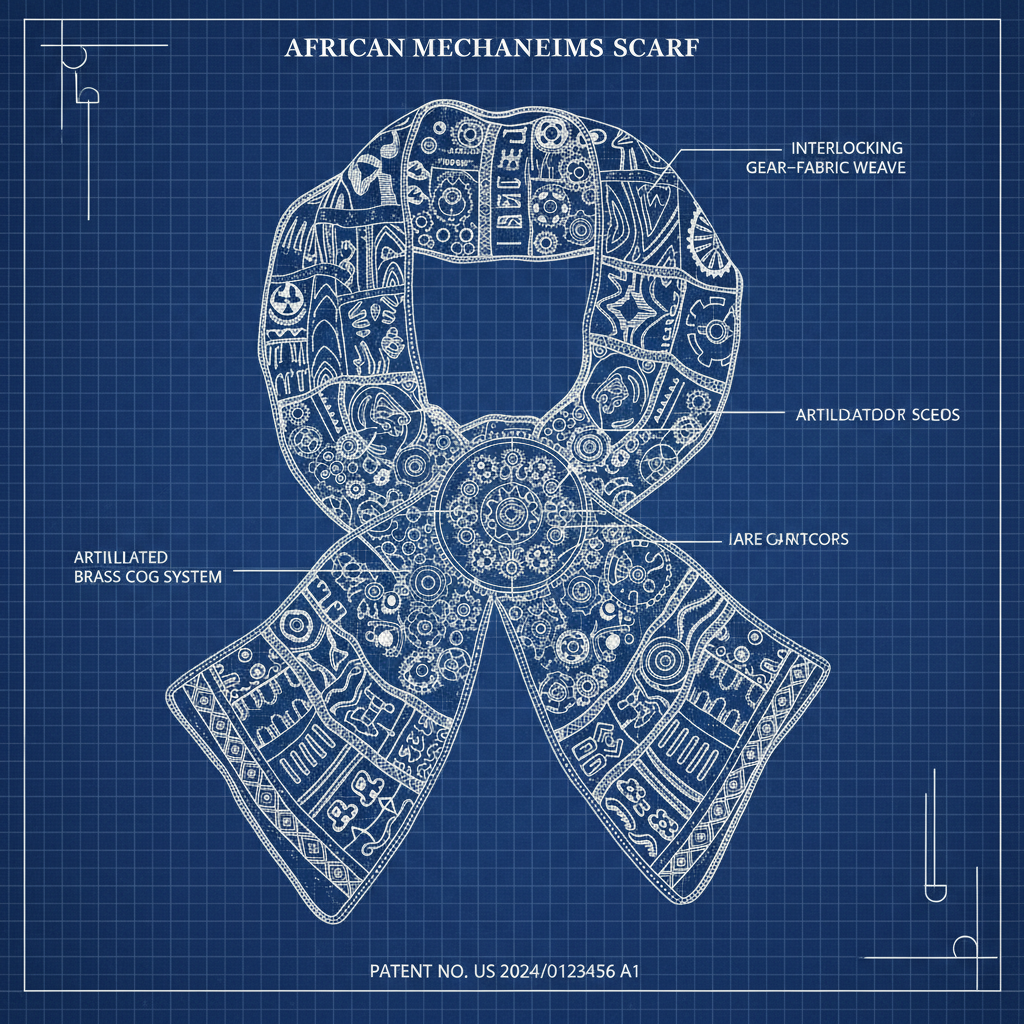
The term "african scarf" encompasses a diverse range of textiles created across the African continent. These include woven fabrics like Kente, Mudcloth (Bogolanfini) from Mali, and Adire from Nigeria, as well as printed textiles utilizing techniques like wax resist dyeing. Historically, these materials were primarily used for ceremonial attire, social signaling, and everyday clothing.
Today, african scarf have transcended their traditional boundaries, finding their way into contemporary fashion, interior design, and art installations. Designers worldwide are incorporating African-inspired prints and textiles into their collections, sparking a global trend and showcasing the versatility of these materials. This blend of tradition and modernity is a defining characteristic of the evolving african scarf landscape.
The definition is expanding to include ethically sourced and sustainably produced textiles that honor African heritage while embracing innovation, creating a new chapter in the story of african scarf.
Key Characteristics of Authentic african scarf
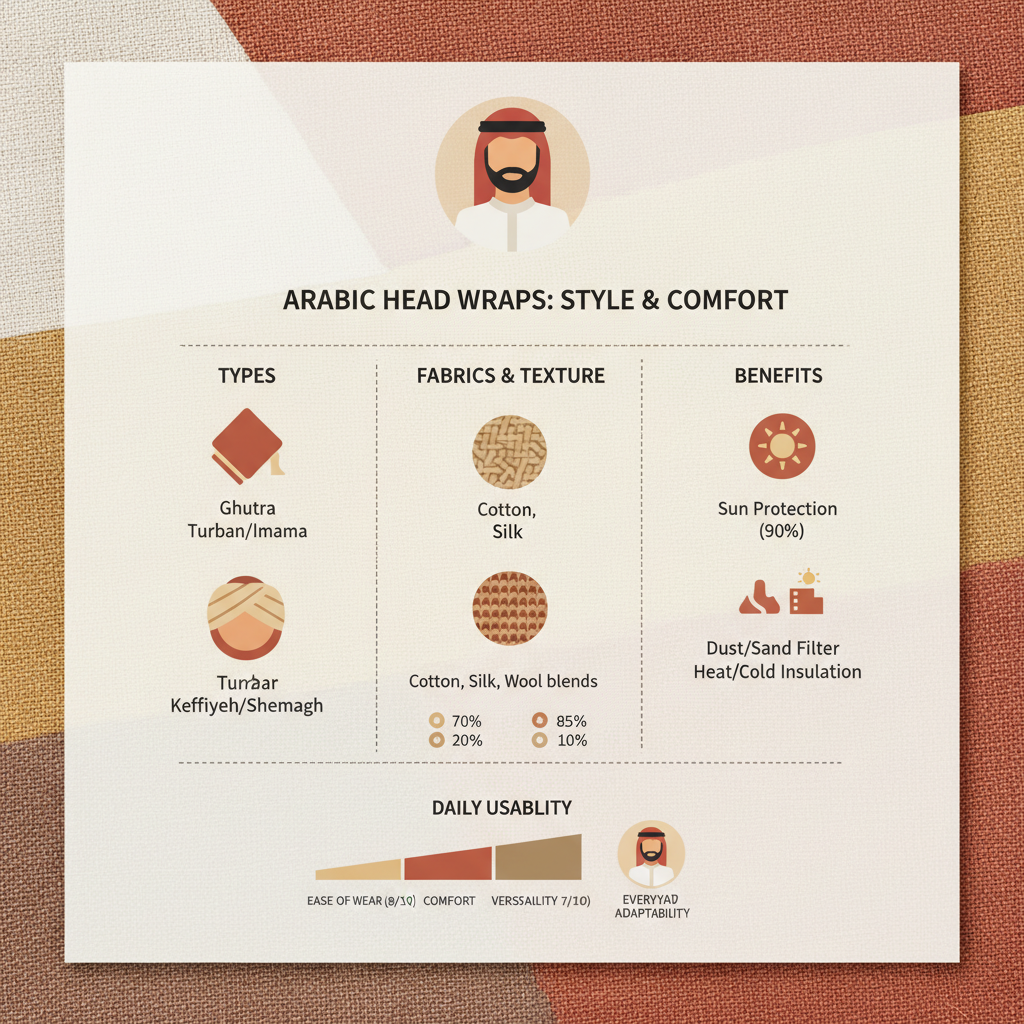
Authentic african scarf are distinguished by several key characteristics. Firstly, the materials used often reflect local resources, such as cotton, silk, or raffia. Secondly, the techniques employed – weaving, dyeing, printing – are frequently passed down through generations, preserving traditional craftsmanship.
The use of vibrant colors and symbolic patterns is another hallmark of african scarf. These patterns often have specific meanings rooted in the cultural context of the textile’s origin. For example, certain colors may represent royalty, fertility, or protection. The quality of the craftsmanship, the intricacy of the design, and the durability of the materials all contribute to the authenticity and value of an african scarf.
Finally, the story behind the textile – its origin, the artisan who created it, and the cultural significance of its design – adds to its overall authenticity. Consumers are increasingly seeking textiles with a traceable provenance, ensuring fair trade practices and supporting the communities that produce them.
Global Applications and Market Trends in african scarf
african scarf are experiencing a surge in global applications, moving beyond traditional garments to influence various industries. In fashion, they are integrated into haute couture, ready-to-wear, and accessory designs, adding unique textures and patterns. The interiors sector utilizes african scarf for upholstery, wall hangings, and decorative elements, creating vibrant and culturally rich spaces.
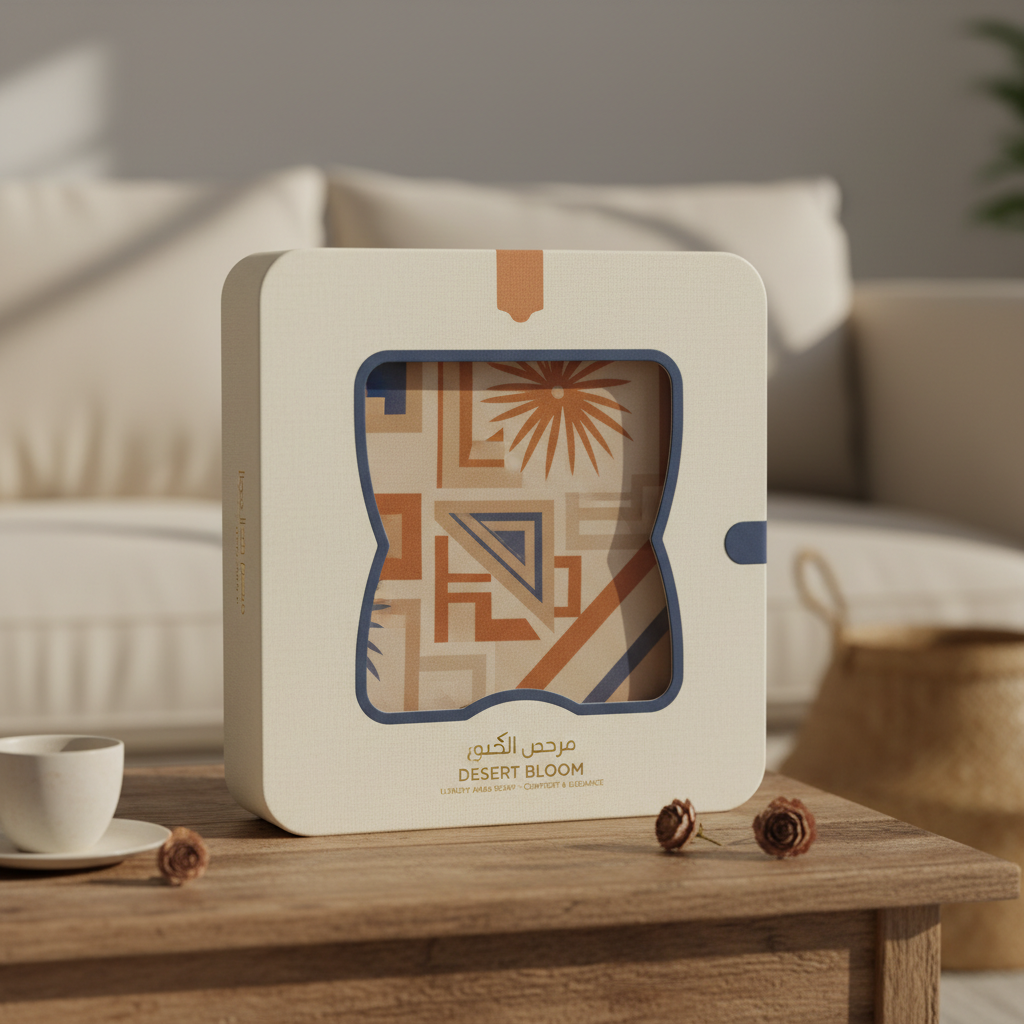
The art world embraces african scarf as a medium for creating stunning visual art, installations, and mixed-media pieces. Furthermore, african scarf are increasingly used in branding and marketing, adding an authentic and global flair to product packaging and promotional materials.
Market Share of Different african scarf Styles
Advantages of Utilizing african scarf in Design
Incorporating african scarf into design projects offers numerous advantages. The unique aesthetic and cultural richness add depth and visual interest, elevating the overall design concept. These textiles can instantly infuse a space or garment with personality, warmth, and a sense of global sophistication.
Furthermore, supporting the production of african scarf contributes to the economic empowerment of African artisans and communities, promoting fair trade and sustainable practices. The use of natural materials and traditional techniques often results in eco-friendly and durable products, aligning with the growing demand for responsible design solutions.
The Future of african scarf and Sustainable Practices
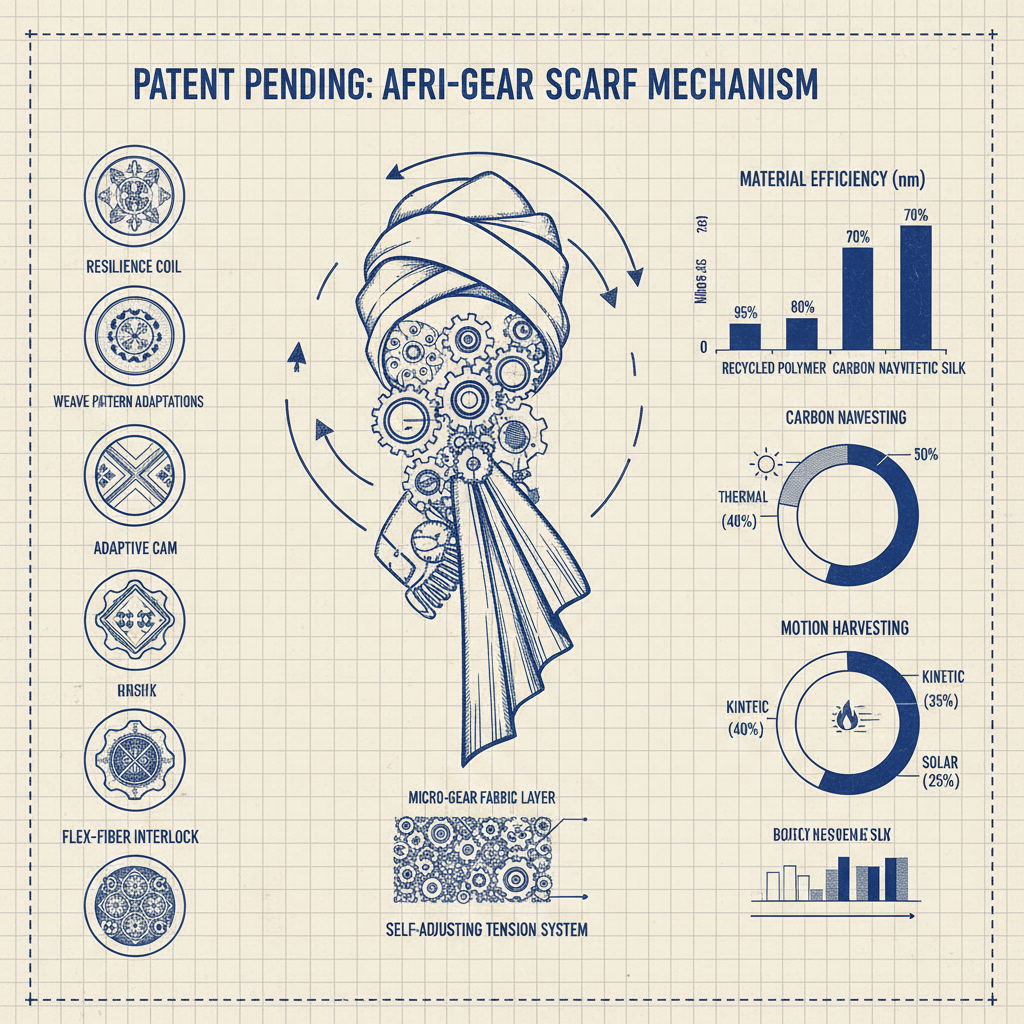
The future of african scarf is inextricably linked to sustainable practices. There’s a growing emphasis on eco-friendly dyes, organic cotton cultivation, and responsible sourcing to minimize environmental impact. The utilization of innovative weaving and printing techniques that reduce water consumption and waste is gaining momentum.
Digital platforms are playing an increasingly important role in connecting artisans directly with consumers, bypassing traditional intermediaries and ensuring fair compensation. The rise of slow fashion and conscious consumerism is further driving demand for ethically produced african scarf, fostering a more sustainable and equitable industry.
Technological advancements in textile production and the focus on circular economy principles will also contribute to a more sustainable future for african scarf.
Challenges and Opportunities in the african scarf Trade
The african scarf trade faces several challenges, including the risk of counterfeiting, the exploitation of artisans, and the lack of access to international markets. Maintaining the authenticity and integrity of african scarf requires robust certification systems and increased transparency throughout the supply chain.
However, these challenges also present opportunities for innovation and positive change. Investing in artisan training programs, promoting fair trade practices, and establishing protected geographical indications can help safeguard the cultural heritage and economic interests of African communities.
Leveraging e-commerce platforms and digital marketing strategies can expand access to global markets, enabling artisans to reach a wider audience and command fair prices for their products. Collaboration between designers, artisans, and retailers is crucial for fostering a thriving and sustainable african scarf industry.
Summary of Key Challenges and Opportunities in the african scarf Trade
| Challenge |
Impact |
Opportunity |
Mitigation Strategy |
| Counterfeiting |
Undermines authentic artisan income |
Brand protection & authentication |
Digital watermarking, certification programs |
| Artisan Exploitation |
Low wages, poor working conditions |
Fair Trade Partnerships |
Direct trade initiatives, transparent pricing |
| Market Access |
Limited reach to international buyers |
E-commerce & Digital Marketing |
Online marketplaces, social media campaigns |
| Supply Chain Transparency |
Difficulty tracing origin & ethical practices |
Blockchain Technology |
Track & trace system for materials & production |
| Lack of Skill Development |
Limited capacity for innovation |
Artisan Training Programs |
Workshops on design, marketing, quality control |
| Sustainability Concerns |
Environmental impact of production |
Eco-Friendly Materials & Processes |
Organic cotton, natural dyes, water conservation |
FAQS
A genuine african scarf is typically distinguished by its handmade quality, unique imperfections that showcase artistry, and the use of traditional techniques passed down through generations. The materials used, like locally sourced cotton or silk, and the intricacy of the designs all contribute to its authenticity. Mass-produced imitations often lack these characteristics, appearing more uniform and using synthetic materials.
Look for certifications like Fair Trade, which guarantee fair wages and safe working conditions for artisans. Purchase directly from artisan cooperatives or reputable retailers who prioritize ethical sourcing. Ask about the origin of the textile and the story behind its creation. Transparency and traceability are key indicators of ethical practices.
Hand washing in cool water with a mild detergent is generally recommended. Avoid harsh chemicals and excessive exposure to sunlight, as these can fade the colors. Iron on a low setting if needed. Proper storage, such as folding and storing in a cool, dry place, can help preserve its beauty for years to come.
Patterns vary significantly by region and culture. For example, Kente cloth patterns often represent proverbs, historical events, or social status. Adinkra symbols from Ghana convey philosophical concepts and values. Understanding the symbolism adds depth and appreciation to the textile’s cultural significance.
Absolutely! african scarf can add a vibrant and unique touch to any interior space. They can be used as wall hangings, upholstery fabrics, throw pillows, or table runners. Their bold colors and intricate patterns can create a focal point and infuse a room with personality and cultural richness.
Purchasing authentic african scarf directly supports the livelihoods of artisans and communities across Africa. It empowers them to preserve their cultural heritage, create economic opportunities, and improve their quality of life. It also fosters sustainable development and promotes fair trade practices.
Conclusion
In conclusion, african scarf represent far more than just aesthetically pleasing textiles. They are embodiments of rich cultural traditions, historical narratives, and artistic expression. From their diverse origins and intricate designs to their growing global applications and commitment to sustainable practices, african scarf continue to captivate and inspire.
Looking ahead, supporting the african scarf industry through ethical purchasing, fair trade initiatives, and innovative design solutions will be crucial for preserving this invaluable cultural heritage and empowering African communities for generations to come. Visit our website at www.wwscarf.com to explore our collection and learn more about the captivating world of african scarf.