Your Trusted 24 Hours Service Provider!
0%

Table of Contents

The arab scarf, a timeless piece of textile artistry, holds a significant place in cultures across the Middle East and beyond. It's more than just a head covering; it represents tradition, identity, and social status. From the intricate designs of Palestinian keffiyehs to the elegant silk scarves of the Gulf, the arab scarf embodies a rich history and diverse aesthetic. Understanding the nuances of these scarves, their origins, and their evolving role in modern society offers insight into the complexities of the region and the enduring power of cultural expression. This exploration delves into the details of the arab scarf, addressing its various forms and significance.

Globally, the demand for authentic and ethically sourced textiles is on the rise. The arab scarf, with its heritage and artistic value, is increasingly sought after by fashion enthusiasts and collectors. According to UNESCO, preserving traditional crafts is crucial for safeguarding cultural diversity. However, mass production and imitation pose a threat to the authenticity and livelihoods of artisans. The challenge lies in balancing the growing demand with the need to protect the integrity of these traditional crafts and ensure fair compensation for the skilled individuals who create them.

The arab scarf offers a unique opportunity for sustainable fashion and economic empowerment in the Middle East. It’s a tangible link to a rich cultural past, capable of fostering cross-cultural understanding and appreciation. Investing in and preserving this heritage ensures its continued vitality for generations to come.
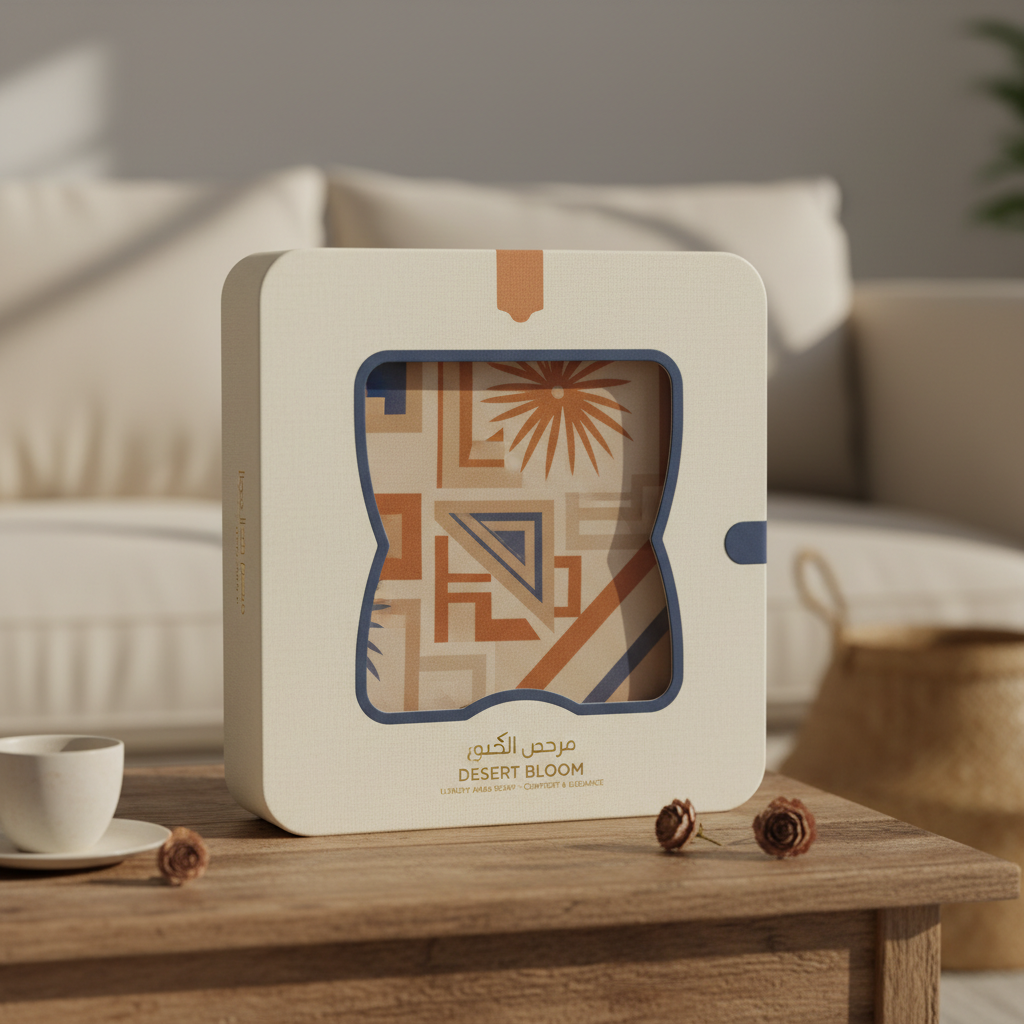
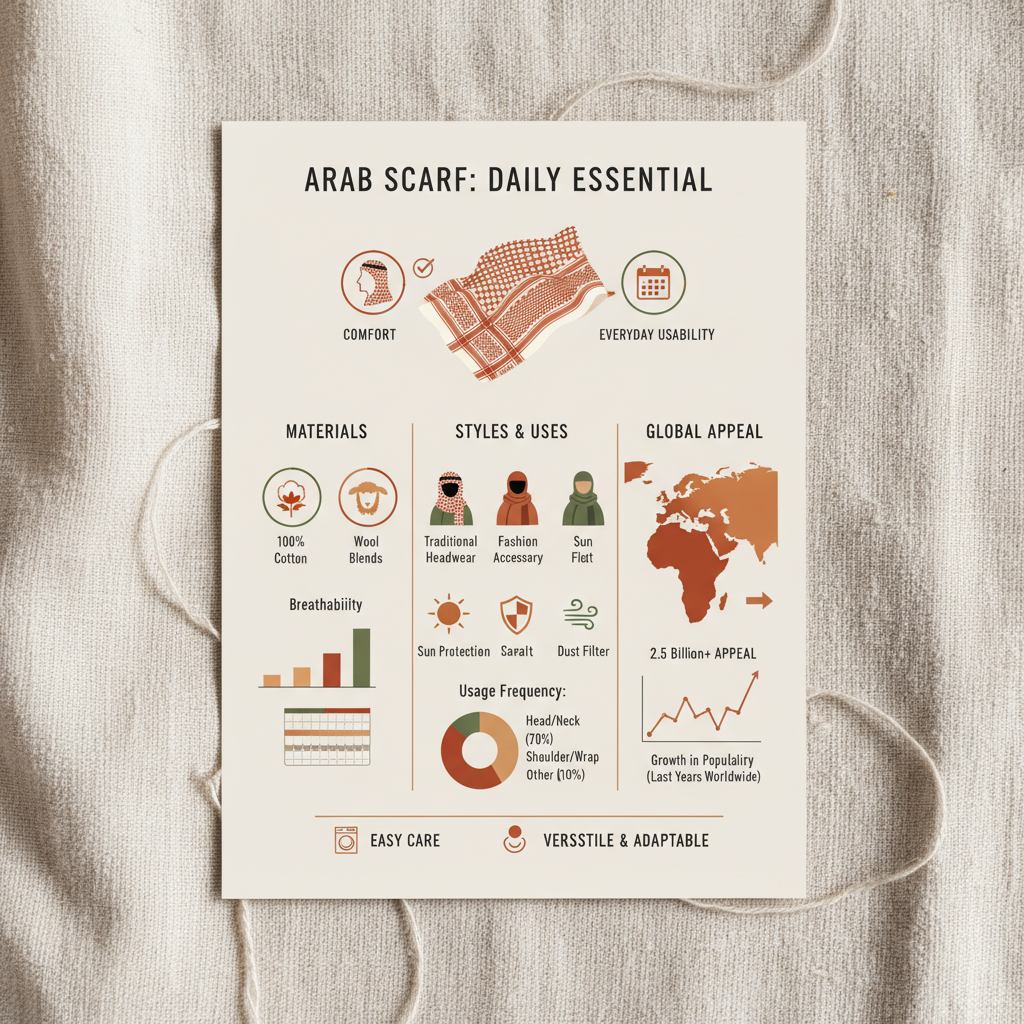
The Enduring Legacy of the Arab Scarf A Cultural and Fashion Icon

The Cultural Significance of arab scarf

The Enduring Legacy of the Arab Scarf A Cultural and Fashion Icon

The arab scarf’s cultural weight is deeply rooted in regional histories. Each style, from the ghutra in the Arabian Peninsula to the kufiya in Palestine, carries specific symbolism. Traditionally, the colors and patterns of the arab scarf indicated tribal affiliation, social status, and even religious beliefs. For Bedouin communities, the scarf served as protection from the harsh desert elements, while simultaneously acting as a vital component of their identity.

Today, while many of these traditional meanings persist, the arab scarf is also experiencing a resurgence in popularity as a fashion statement. Its adoption by international designers and celebrities has broadened its appeal, bringing a renewed focus on its craftsmanship and cultural origins. This intersection of tradition and modernity highlights the arab scarf’s enduring relevance.

Defining the arab scarf: Beyond a Textile

The term 'arab scarf' is an umbrella term encompassing a wide range of head coverings and textile accessories prevalent in Arab cultures. It’s not simply a piece of cloth; it's a multifaceted object laden with history, tradition, and social significance. These scarves can be crafted from various materials – cotton, silk, wool, and linen being the most common – and exhibit a diverse array of patterns and colors, each with its own narrative.

The arab scarf's connection to modern industry extends beyond fashion. It serves as a cornerstone of artisan economies, providing livelihoods for countless families in the Middle East. Moreover, the preservation of traditional weaving techniques associated with arab scarves is crucial for maintaining cultural heritage. Initiatives focused on supporting these artisans are vital for ensuring the sustainability of this art form.

Furthermore, the arab scarf increasingly features in contemporary art and design, inspiring new creative expressions while honoring its historical roots. The interplay between tradition and innovation is a defining characteristic of the arab scarf in the 21st century.

Core Elements of arab scarf Design

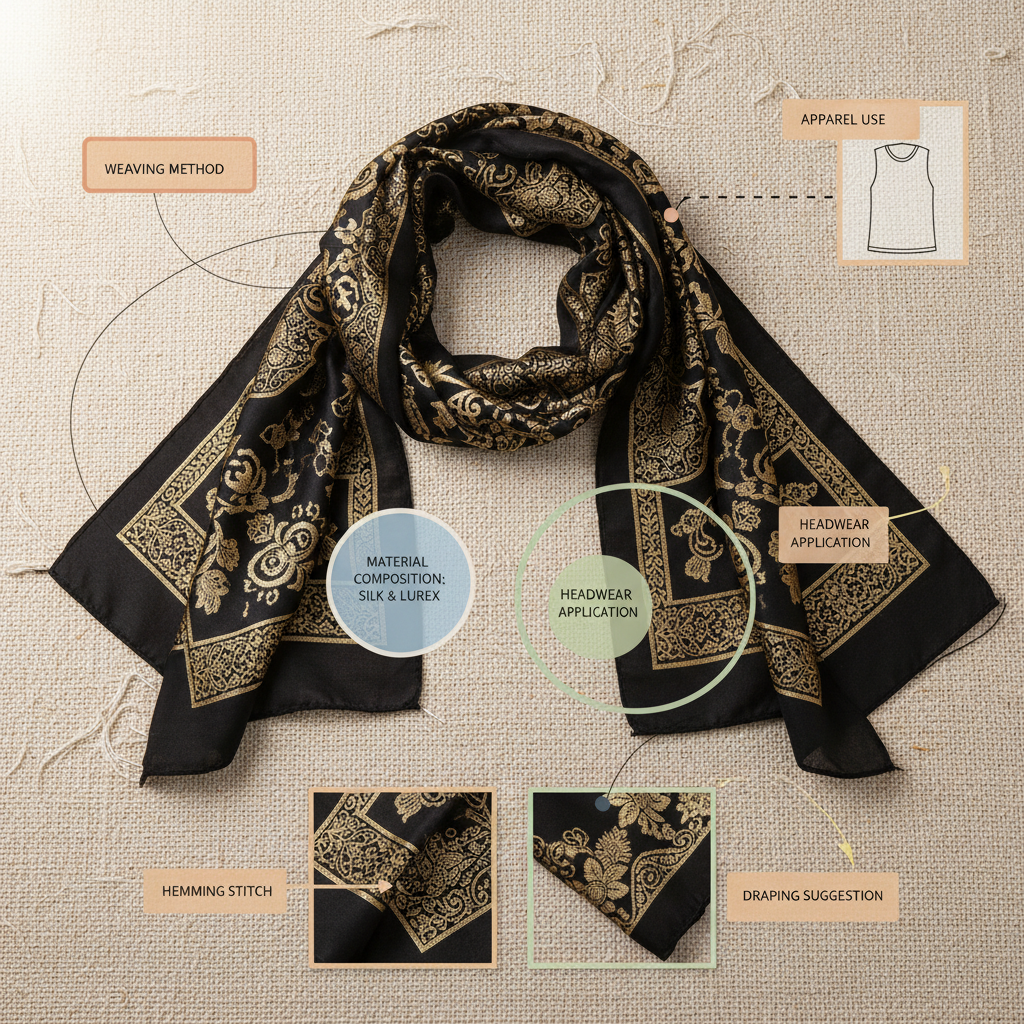
Several key design elements consistently appear in arab scarves, contributing to their unique aesthetic. These include geometric patterns, often representing symbolic meanings tied to nature, cosmology, or tribal identity. Intricate embroidery, using techniques passed down through generations, is another defining feature, showcasing the skill and artistry of the craftspeople. The color palette, too, plays a crucial role, with specific hues holding cultural significance.

The size and shape of the arab scarf also vary depending on its intended use and regional tradition. Some are large enough to wrap the entire head and face, providing protection from the elements, while others are smaller and worn primarily as a fashion accessory. The method of tying or draping the scarf also conveys meaning, signaling social status or marital status in certain cultures.

Understanding these core design elements is essential for appreciating the arab scarf as a work of art and cultural expression. Each detail contributes to the overall narrative, reflecting the rich history and traditions of the region.

Traditional Materials and Craftsmanship in arab scarf

The quality of an arab scarf is intrinsically linked to the materials used and the craftsmanship employed in its creation. Traditionally, high-quality cotton, silk, and wool were favored for their durability, comfort, and aesthetic appeal. The sourcing of these materials often involved local communities and sustainable practices. Hand-weaving techniques, passed down through generations, are at the heart of arab scarf production.

arab scarf Craftsmanship Quality Ratings


Global Applications of the arab scarf

The arab scarf has transcended its traditional roots to find diverse applications on the global stage. In the fashion industry, it’s a versatile accessory, used as headwear, neckwear, belts, or even incorporated into clothing designs. Its unique patterns and textures add a touch of exotic elegance to a wide range of styles.

Beyond fashion, the arab scarf is increasingly used in interior design, adding a cultural touch to home décor. Its vibrant colors and intricate patterns can transform a room, creating a warm and inviting atmosphere.

The Economic and Social Impact of arab scarf

The production and trade of arab scarves have a significant economic impact on the communities involved. It provides livelihoods for artisans, weavers, and traders, contributing to local economies. Supporting these communities through fair trade practices and sustainable sourcing is crucial for ensuring their long-term well-being.

Socially, the arab scarf represents a powerful symbol of cultural identity and heritage. It fosters a sense of pride and belonging within communities, preserving traditions for future generations. It also acts as a bridge between cultures, promoting understanding and appreciation.

Moreover, the demand for ethically sourced arab scarves encourages sustainable production practices, minimizing environmental impact and protecting the rights of workers. This contributes to a more responsible and equitable global trade system.

Future Trends in arab scarf Production and Consumption

Several emerging trends are shaping the future of arab scarf production and consumption. These include a growing demand for sustainable and eco-friendly materials, such as organic cotton and natural dyes. Digital technologies are also playing an increasing role, enabling artisans to reach wider markets and showcase their work online.

The use of innovative weaving techniques and design collaborations is further driving creativity and innovation within the industry. We are also seeing a resurgence of interest in traditional patterns and motifs, coupled with a modern aesthetic.

Furthermore, the rise of conscious consumerism is driving demand for transparency and traceability in the supply chain, ensuring that arab scarves are produced ethically and sustainably.

Arab Scarf: Analysis of Production Challenges and Potential Solutions

Challenge Impact on arab scarf Quality Potential Solution Implementation Cost (1-10)
Raw Material Sourcing Affects the quality and durability of the arab scarf. Establish direct relationships with local farmers. 6
Skill Gap Leads to inconsistencies in weaving and design. Invest in artisan training programs. 7
Market Access Limits sales opportunities and economic growth. Utilize e-commerce platforms and online marketing. 5
Competition from Imitations Undermines the value of authentic arab scarf. Implement certification programs and branding initiatives. 8
Supply Chain Transparency Hinders consumer trust and ethical sourcing. Utilize blockchain technology for traceability. 9
Environmental Impact of Dyeing Pollution from traditional dyeing processes. Adopt eco-friendly and natural dye alternatives. 7

FAQS

What is the significance of the patterns found on an arab scarf?

The patterns on an arab scarf are rarely just decorative. Historically, they often represented tribal affiliation, social status, or religious beliefs. Specific geometric shapes and motifs can indicate a person's origin or family lineage. Today, while many scarves incorporate more modern designs, the symbolism often retains a subtle presence, honoring these traditional meanings. Understanding these patterns provides deeper insight into the cultural heritage woven into each piece.

How can I distinguish an authentic arab scarf from a mass-produced imitation?

Authentic arab scarves are typically handwoven or hand-embroidered, resulting in slight variations and imperfections that add to their unique charm. Check for the quality of the materials used – genuine scarves often use high-quality cotton, silk, or wool. Look for intricate details and craftsmanship. Certification labels or direct purchasing from reputable artisans can also help ensure authenticity. Mass-produced imitations often lack these nuances and are made from cheaper materials.

What are the best ways to care for an arab scarf to ensure its longevity?

Care instructions vary depending on the material. Generally, handwashing in cool water with a mild detergent is recommended for delicate silks and wools. Cotton scarves can often be machine washed on a gentle cycle. Avoid harsh chemicals, bleach, and excessive sunlight, as these can fade the colors and damage the fibers. Store the scarf in a cool, dry place, away from direct light, and ideally folded loosely or hung to prevent wrinkles.

Are arab scarves exclusively worn by men, or are they also worn by women?

Historically, certain arab scarf styles were predominantly worn by men, such as the ghutra and shemagh. However, women also have their own distinct arab scarf traditions, including hijabs and niqabs. Today, both men and women wear arab scarves for a variety of reasons—cultural expression, religious observance, fashion, and protection from the elements—and the lines between traditional gendered styles are becoming increasingly blurred.

How can I support the artisans who create traditional arab scarves?

Supporting artisans involves purchasing directly from them whenever possible, through cooperatives, or from organizations that prioritize fair trade practices. Look for scarves with certification labels that guarantee ethical sourcing and fair wages. Spreading awareness about the importance of preserving traditional crafts and sharing information about artisan communities can also make a significant difference. Consider supporting initiatives that provide training and resources to help artisans thrive.

What is the environmental impact of arab scarf production?

Traditional arab scarf production can have an environmental impact due to water usage in dyeing processes and the use of synthetic materials. However, there's a growing movement towards sustainable practices, including the use of natural dyes, organic cotton, and water-efficient weaving techniques. Choosing scarves made from eco-friendly materials and supporting artisans committed to sustainable production helps minimize the environmental footprint. Look for certifications that indicate environmentally responsible manufacturing.

Conclusion

In conclusion, the arab scarf is far more than just a piece of fabric; it's a powerful symbol of cultural identity, artistic expression, and economic empowerment. Its rich history, intricate designs, and diverse applications make it a compelling subject of study and appreciation. By understanding its significance and supporting the artisans who create it, we contribute to the preservation of a timeless tradition and the promotion of sustainable practices.

As the arab scarf continues to evolve in the 21st century, its enduring appeal lies in its ability to bridge the gap between tradition and modernity. Investing in its future – through responsible sourcing, sustainable production, and cultural awareness – ensures that this remarkable textile continues to inspire and enrich lives for generations to come. Visit our website at www.wwscarf.com to explore our collection and learn more.

David Miller

David Miller

David Miller serves as the Head of Market Analysis at Xinji Weiwei Textile. With over 8 years of experience in the textile industry, David focuses on identifying emerging trends in the hijab and scarf market, particularly in North America. He leverages data analytics to advise the sales and design teams,
Previous Exploring the Cultural Significance and Modern Fashion of the Arabic Head Wrap
Next The Versatile Aqua Scarf A Comprehensive Guide to Applications and Technology