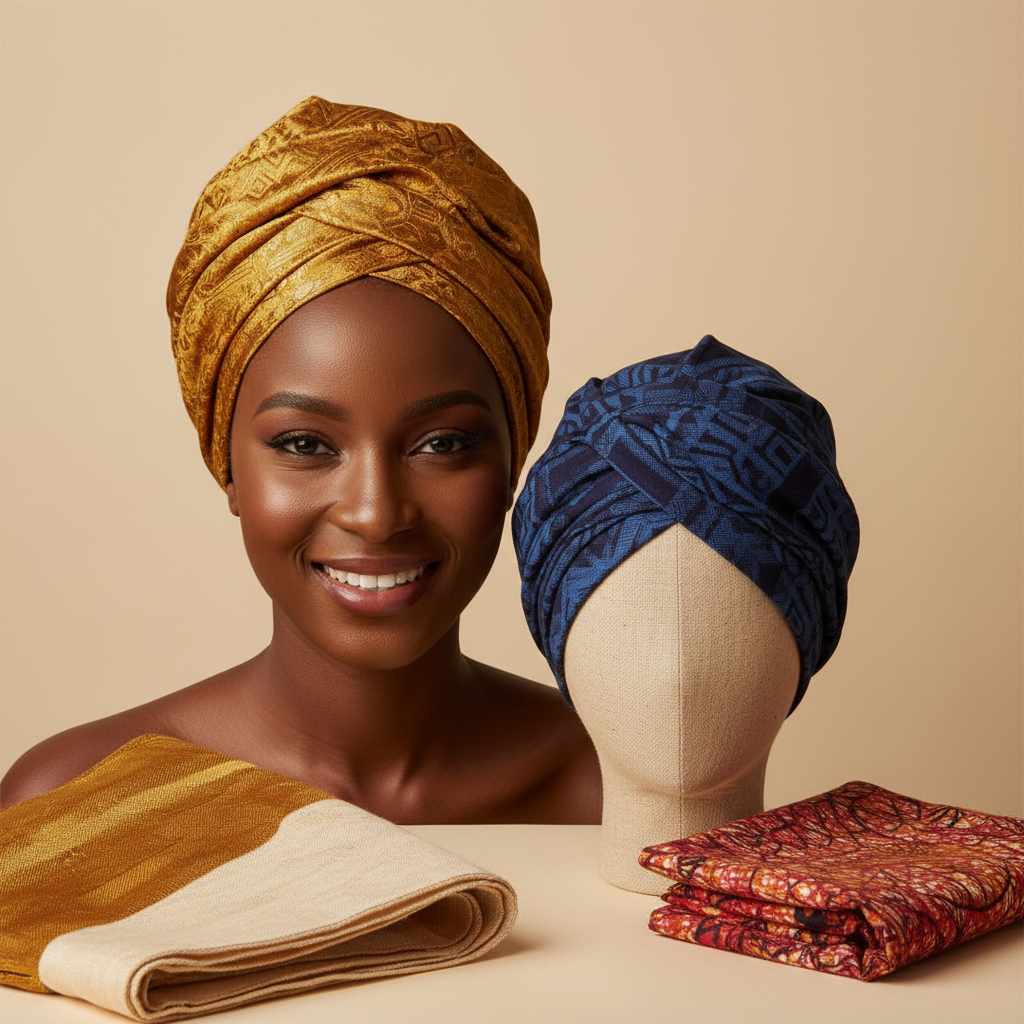
The world of fashion accessories is constantly evolving, yet certain pieces retain a timeless appeal, transcending trends and cultural boundaries. Among these, the beaded scarf stands out as a versatile and captivating adornment, holding significance in diverse contexts – from everyday style to ceremonial practices. Its enduring popularity stems from the intricate craftsmanship, vibrant colors, and the sense of artistry it embodies, making it a cherished item across continents.
The global market for scarves, including beaded variations, is substantial, with a projected value exceeding billions of dollars. Demand is fueled by factors like increasing disposable incomes, growing fashion consciousness, and a rising appreciation for handmade and ethically sourced products. However, the industry faces challenges such as competition from mass-produced alternatives and the need for sustainable practices to protect the artisans and environments involved in their creation. Understanding the nuances of the beaded scarf market is vital for both consumers and businesses alike.
The beaded scarf isn’t just a fashion statement; it represents cultural heritage, skilled artistry, and increasingly, a commitment to sustainable and ethical sourcing. Its accessibility and versatility make it a powerful tool for economic empowerment, especially for women in developing communities, while its aesthetic appeal continues to captivate individuals worldwide.
The Essence of the Beaded Scarf
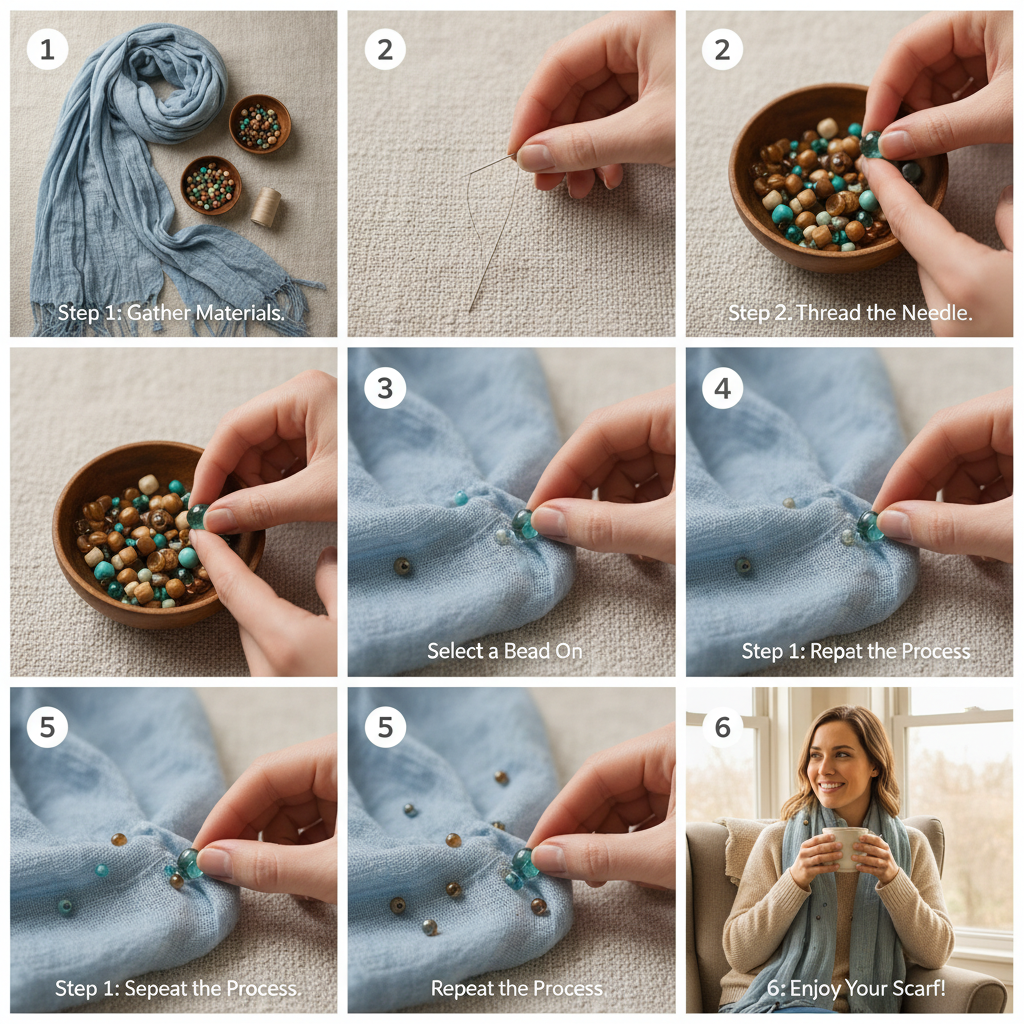
At its heart, a beaded scarf is more than just a textile accessory; it’s a testament to human artistry and a celebration of cultural expression. Traditionally, these scarves were crafted by hand, with each bead meticulously sewn onto the fabric, telling a story through color, pattern, and technique. The process is often deeply rooted in tradition, passed down through generations, representing a connection to ancestral skills and artistry.
Modern beaded scarf designs continue to honor these traditions, but increasingly incorporate contemporary aesthetics and materials. From delicate silk scarves adorned with intricate beadwork to more robust cotton scarves featuring bold, geometric patterns, the possibilities are endless. The enduring appeal lies in its ability to complement diverse styles and to serve as a unique and personal statement.
Historical and Cultural Significance
The history of beaded work is rich and diverse, tracing back to ancient civilizations across the globe. From the intricate beadwork of indigenous North American tribes to the elaborate embellishments found in traditional African garments, beads have long been used to denote status, tell stories, and express cultural identity. The beaded scarf, as we know it today, often draws inspiration from these historical roots, reimagining traditional motifs for a modern audience.
In many cultures, specific bead colors and patterns hold symbolic meaning. For instance, certain colors might represent prosperity, protection, or spiritual connection. The process of creating a beaded scarf is often imbued with ritual and significance, making it more than just a decorative item; it’s a tangible embodiment of cultural heritage.
Today, the cultural appreciation for beaded scarves is growing. Ethical sourcing and fair trade practices are gaining prominence, ensuring that the artisans behind these beautiful pieces are rightfully compensated and their cultural traditions are respected.
Core Components of a Quality Beaded Scarf
A high-quality beaded scarf is a confluence of several key elements. First and foremost is the fabric – silk, cotton, linen, and chiffon are common choices, each offering a different drape and texture. The choice of fabric significantly impacts the overall feel and longevity of the scarf. The quality of the fabric foundation sets the stage for the beautiful beadwork to come.
Secondly, the beads themselves are critical. Glass beads, seed beads, crystal beads, and even semi-precious stones are used, each offering a unique aesthetic. The consistency of bead size, color, and finish is a hallmark of quality craftsmanship. The type of bead employed directly influences the scarf's visual impact and perceived value.
Finally, the craftsmanship is paramount. A skillfully crafted beaded scarf will feature secure beadwork with neat, even stitching. The density and intricacy of the beadwork also contribute to the overall quality and value of the piece. Durable construction guarantees a longer-lasting and more enjoyable experience.
Applications Across Industries and Regions
The applications of beaded scarves extend far beyond personal fashion. In the entertainment industry, they are frequently used as props and costumes for film, theater, and dance performances. Their visual richness and textural interest make them ideal for creating dramatic effects on stage and screen.
Within the tourism sector, beaded scarves are popular souvenirs, offering visitors a tangible reminder of their travels and a connection to local cultures. They also serve as a significant source of income for artisans in many regions, supporting local economies and preserving traditional crafts.
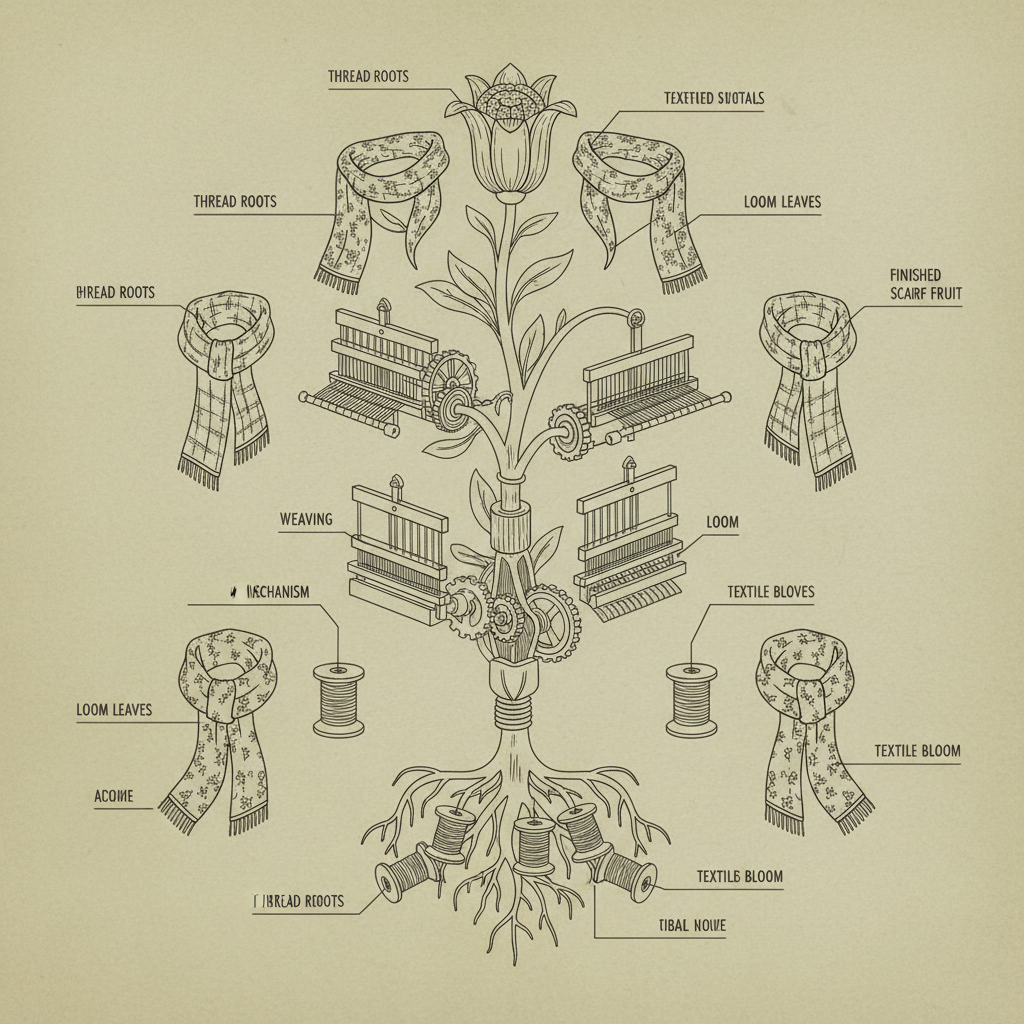
Beaded Scarf Market Share by Method
Advantages & Long-Term Value Proposition
Investing in a well-made beaded scarf offers numerous advantages. Beyond its aesthetic appeal, its durability means it can be cherished and worn for years, becoming a timeless piece in one’s wardrobe. This longevity provides significant value compared to fast fashion accessories.
From a sustainability perspective, supporting artisans who employ traditional techniques and ethical sourcing practices minimizes environmental impact and promotes fair labor standards. Choosing a beaded scarf crafted with care and respect for both people and the planet is a conscious and responsible choice.
Emerging Trends in Beaded Scarf Design
Contemporary beaded scarf designs are embracing a fusion of tradition and innovation. We're seeing a rise in geometric patterns, abstract motifs, and the use of unconventional materials like recycled beads and sustainable fibers.
The use of digital design tools is also influencing the creative process, allowing artisans to experiment with new patterns and color combinations. Personalization is another growing trend, with customers seeking custom-designed beaded scarves that reflect their individual style and preferences.
Furthermore, the incorporation of mixed media – combining beads with embroidery, sequins, or other embellishments – is adding depth and texture to these beautiful accessories.
Challenges and Sustainable Solutions
Despite its enduring appeal, the beaded scarf industry faces challenges, including competition from mass-produced imitations, the exploitation of artisans, and environmental concerns related to bead production and textile dyeing. These challenges require proactive and sustainable solutions.
Promoting fair trade practices and supporting artisan cooperatives are crucial steps towards ensuring that craftspeople receive fair compensation for their work. Investing in eco-friendly bead materials and sustainable dyeing processes can minimize the environmental impact of production.
Educating consumers about the value of handmade crafts and the importance of ethical sourcing is also vital. By choosing authentic beaded scarves from reputable sources, consumers can contribute to a more sustainable and equitable industry.
Summary of Challenges and Sustainable Solutions for Beaded Scarf Production
| Challenge |
Impact Area |
Proposed Solution |
Implementation Difficulty (1-10) |
| Competition from Low-Cost Imports |
Economic Viability of Artisans |
Highlighting Unique Value & Storytelling |
6 |
| Unethical Labor Practices |
Social Responsibility |
Fair Trade Certification & Direct Artisan Partnerships |
7 |
| Environmental Impact of Bead Production |
Ecological Sustainability |
Utilizing Recycled Beads & Sustainable Materials |
5 |
| Harmful Dyeing Processes |
Environmental Health |
Adopting Eco-Friendly Dyeing Techniques |
8 |
| Lack of Market Access for Artisans |
Economic Empowerment |
Online Marketplaces & Collaborative Retail Initiatives |
4 |
| Limited Consumer Awareness |
Sustainable Consumption |
Educational Campaigns & Transparency in Supply Chains |
3 |
FAQS
A beaded scarf distinguishes itself through its unique handcrafted embellishment. Unlike printed or woven scarves, each bead is individually sewn onto the fabric, creating a textured, visually rich surface. This process often incorporates intricate patterns and designs, reflecting cultural traditions or artistic expression. The added dimensionality and intricate detail elevate the scarf beyond a simple accessory, transforming it into a wearable work of art.
To best preserve your beaded scarf, hand washing in cool water is recommended. Avoid harsh detergents and vigorous scrubbing, as this can damage the beads and fabric. Gently lay it flat to dry, away from direct sunlight. Storing it flat or rolled, rather than folded, will prevent the beads from becoming misshapen. Professional cleaning may also be considered for delicate or heavily embellished pieces.
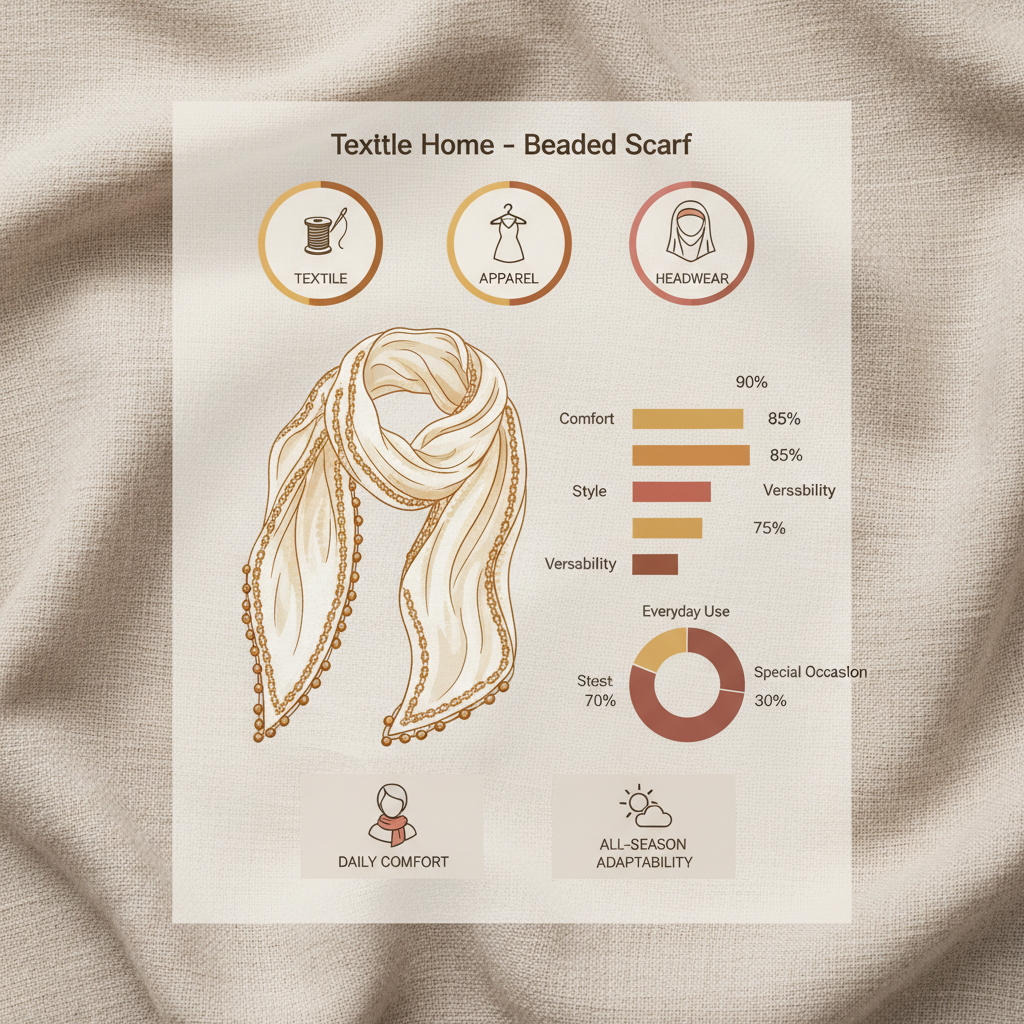
The versatility of beaded scarves allows them to be styled for a wide range of occasions. A simpler design can complement a casual outfit for everyday wear, while a more elaborate piece can elevate a formal ensemble. Considering the color, beadwork intricacy, and fabric type will help you determine the appropriate setting for your beaded scarf.
Common materials include silk, cotton, linen, and chiffon for the base fabric. Beads are often made of glass, seed beads, crystal, or semi-precious stones. Thread used for beading is typically strong and durable, such as nylon or silk thread. Increasingly, artisans are incorporating recycled and sustainable materials to minimize environmental impact.
Look for tight, even beadwork with no loose beads. Check the fabric quality – it should feel soft and durable. Inquire about the sourcing of materials and the working conditions of the artisans. Certifications like Fair Trade can indicate ethical production practices. A reputable seller will be transparent about their supply chain.
Many artisans and designers offer customization options for beaded scarves. This might include choosing specific colors, patterns, or bead types. Some may even create completely bespoke designs based on your preferences. Customization adds a personal touch and ensures you receive a truly unique piece.
Conclusion
In conclusion, the beaded scarf transcends mere fashion, representing a confluence of artistry, cultural heritage, and ethical considerations. Its enduring appeal lies in its ability to blend tradition with contemporary design, offering a versatile accessory that enhances personal style while supporting skilled artisans and sustainable practices. Investing in a quality beaded scarf is an investment in a piece of wearable art with a rich history and a promising future.
Looking ahead, the beaded scarf industry has the potential to further embrace innovation and sustainability. By prioritizing fair trade practices, utilizing eco-friendly materials, and fostering transparency in the supply chain, we can ensure that this beautiful craft continues to thrive for generations to come. Visit our website at www.wwscarf.com to explore our exquisite collection and learn more.