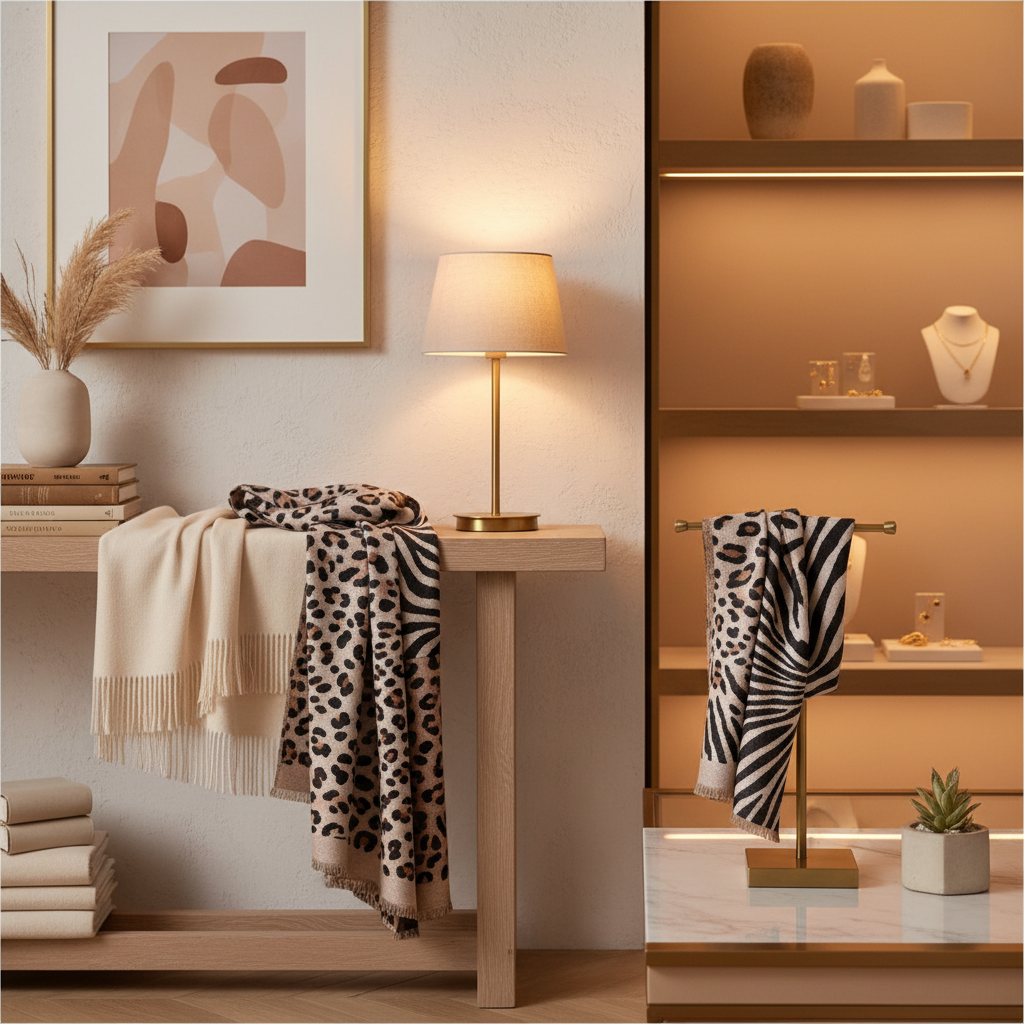
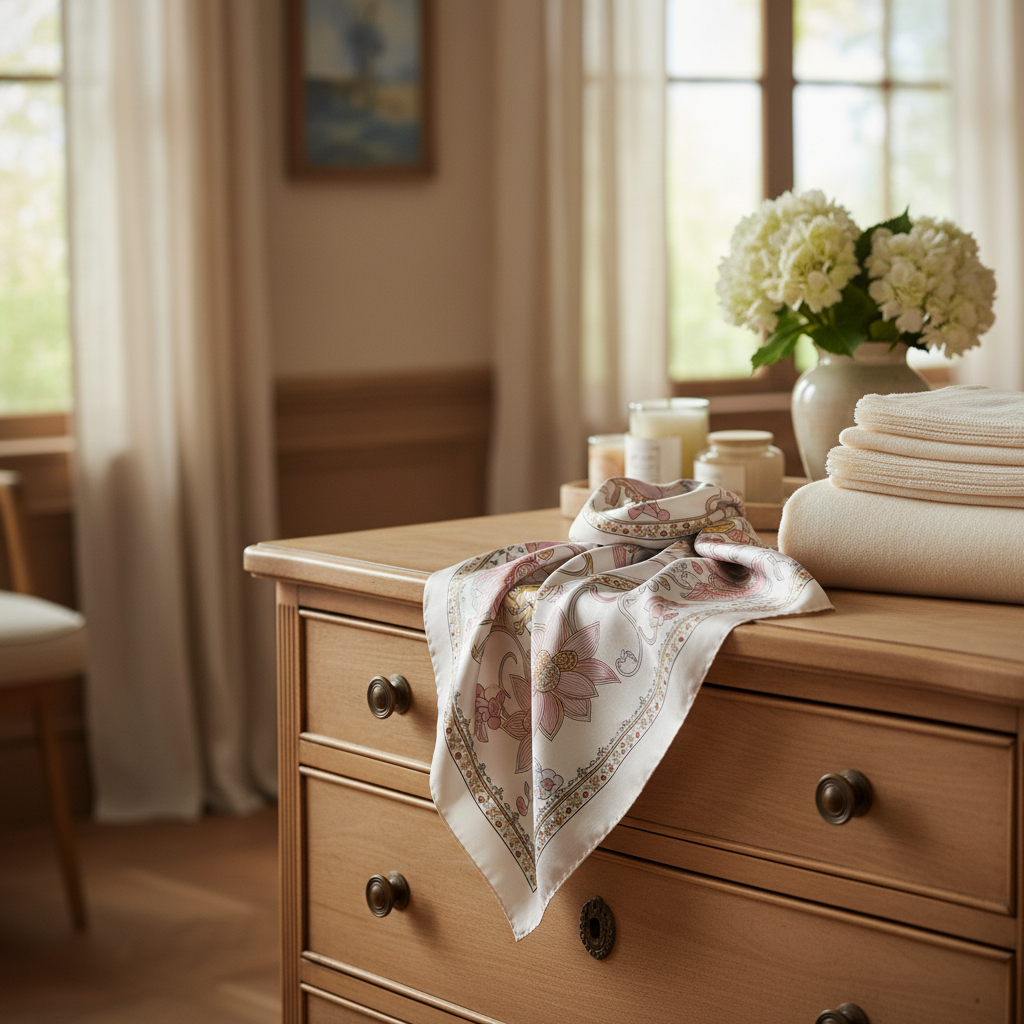
The captivating world of animal print scarves has transcended mere fashion, becoming a cultural phenomenon and a versatile accessory embraced globally. From the runways of Milan to the bustling streets of Tokyo, the animal print scarf adds a touch of wild elegance to any ensemble. Understanding the nuances of animal print scarves – their history, materials, styling options, and evolving trends – empowers individuals to express their unique style confidently and make informed choices. The increasing demand for ethically sourced and sustainable materials is also shaping the future of this beloved accessory.
The global market for scarves, including those featuring animal prints, is substantial and steadily growing. Reports indicate a multi-billion dollar industry, driven by factors such as increasing disposable incomes, changing fashion trends, and the influence of social media. Consumers are increasingly seeking versatile accessories that offer both style and functionality. The accessibility of animal print scarves through online retailers and physical stores further contributes to their widespread popularity. This accessibility makes understanding quality and authenticity important.
Beyond aesthetics, the animal print scarf represents a canvas for creativity, self-expression, and cultural exchange. It's a statement piece that can elevate a simple outfit, add a pop of color, or serve as a cherished heirloom. Whether it's a classic leopard print or a more exotic zebra pattern, the animal print scarf continues to reign supreme as a timeless and adaptable accessory. You can find an amazing animal print scarf today.
The Evolution of Animal Print Scarves
The allure of animal prints dates back centuries, initially signifying status and power in tribal cultures. Historically, these patterns were used in garments and accessories, representing the strength and agility of the animals themselves. However, the widespread adoption of animal print scarves as a mainstream fashion item began in the 20th century, largely thanks to designers like Elsa Schiaparelli and Christian Dior.
Over the decades, animal print scarves have undergone numerous transformations, evolving with changing fashion trends. From the bold and dramatic leopard prints of the 1980s to the more subtle and sophisticated variations of today, the animal print scarf has consistently remained a staple accessory. The recent resurgence in vintage and retro fashion has further propelled its popularity, highlighting its enduring appeal.
Defining the Animal Print Scarf
An animal print scarf is a textile accessory featuring patterns mimicking the markings of animals such as leopards, zebras, tigers, snakes, and cheetahs. These scarves come in a diverse range of materials, including silk, cotton, wool, and synthetic blends. The core function of an animal print scarf is to add a decorative element to an outfit, providing warmth, style, and a touch of personality.
The defining characteristic lies in the replication of natural animal patterns. The artistry involves skillful printing or weaving techniques to achieve a realistic or stylized representation. The scarf’s dimensions can vary widely, ranging from petite neckerchiefs to large, enveloping shawls.
In modern fashion, an animal print scarf serves as a versatile accessory, adaptable to numerous styles and occasions. It connects to the industry by being a consistently demanded item, responding to ever-changing consumer preferences and design trends, frequently appearing in seasonal collections.
Core Components of Quality Animal Print Scarves
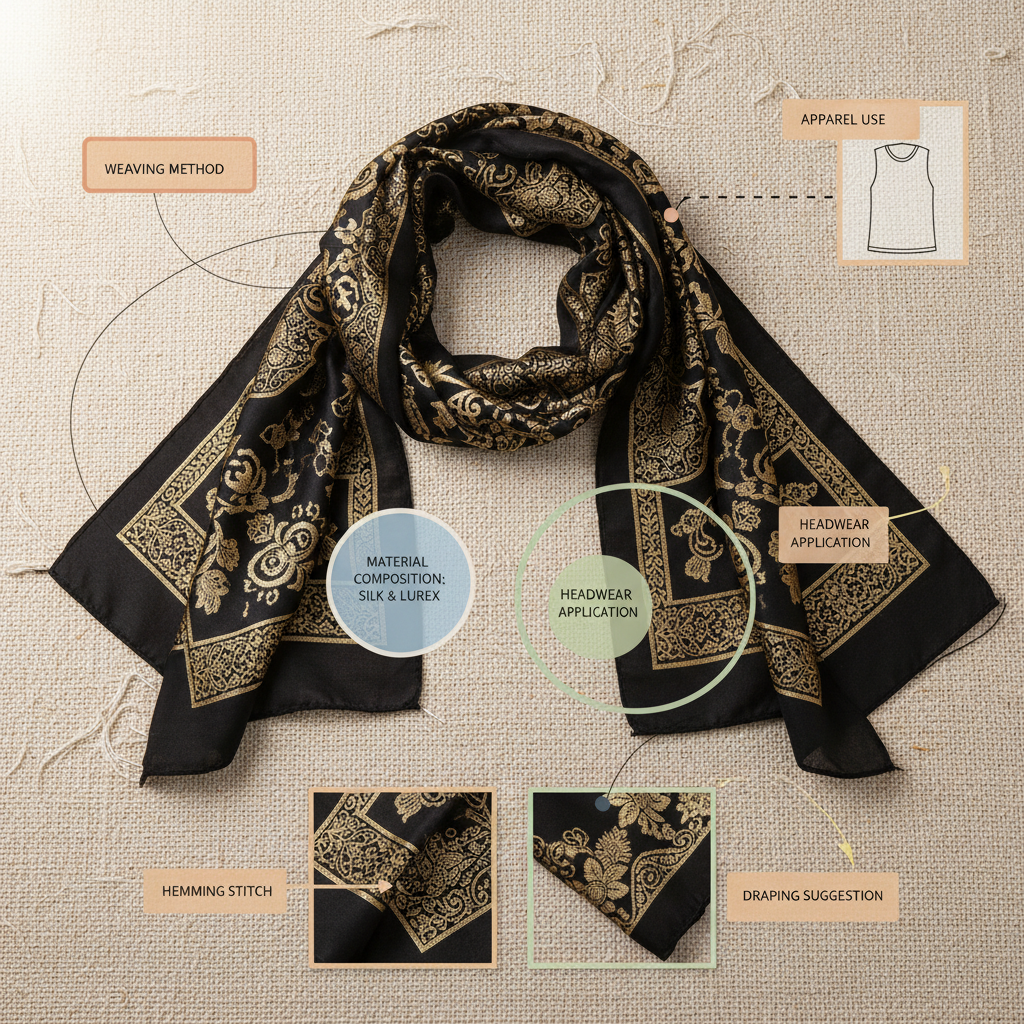
Several key factors contribute to the quality and longevity of an animal print scarf. Firstly, the material composition is crucial. High-quality silk or cashmere will offer superior softness, drape, and durability compared to cheaper synthetic alternatives. Secondly, the printing technique significantly impacts the vibrancy and colorfastness of the print. Digital printing and hand-painting techniques generally yield superior results.
The craftsmanship involved in finishing the scarf is also essential. Well-finished edges, such as hand-rolled hems or neatly machine-stitched seams, indicate attention to detail and enhance the scarf’s overall appearance and durability. Furthermore, the authenticity of the animal print itself plays a role. More realistic and nuanced prints often command higher prices.
Finally, the weight and dimensions of the scarf contribute to its usability. A lightweight scarf is ideal for warmer weather, while a heavier scarf provides additional warmth during colder months. The dimensions should be proportional to the wearer’s body type and style preferences, allowing for versatile styling options.
Applications of Animal Print Scarves
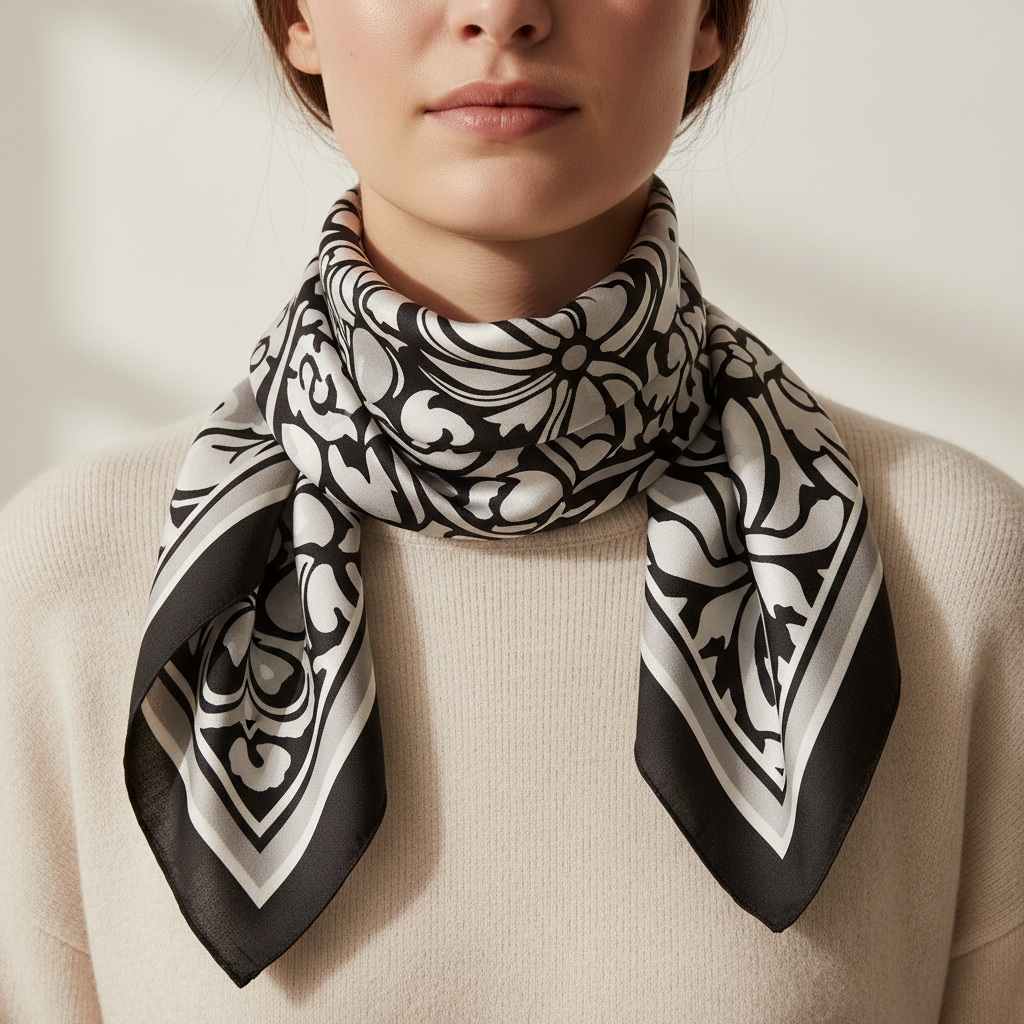
Animal print scarves find applications across a diverse range of settings and styles. In everyday fashion, they are used to complement outfits, adding a touch of boldness and personality. They can be tied around the neck, head, or even a handbag for a unique look. Their adaptability allows for casual to elegant looks.
Beyond personal style, animal print scarves are frequently incorporated into professional attire, providing a subtle yet impactful statement. They are also popular accessories for special occasions, such as parties, weddings, and formal events. The variety of sizes and materials means a user can choose one for almost any event.
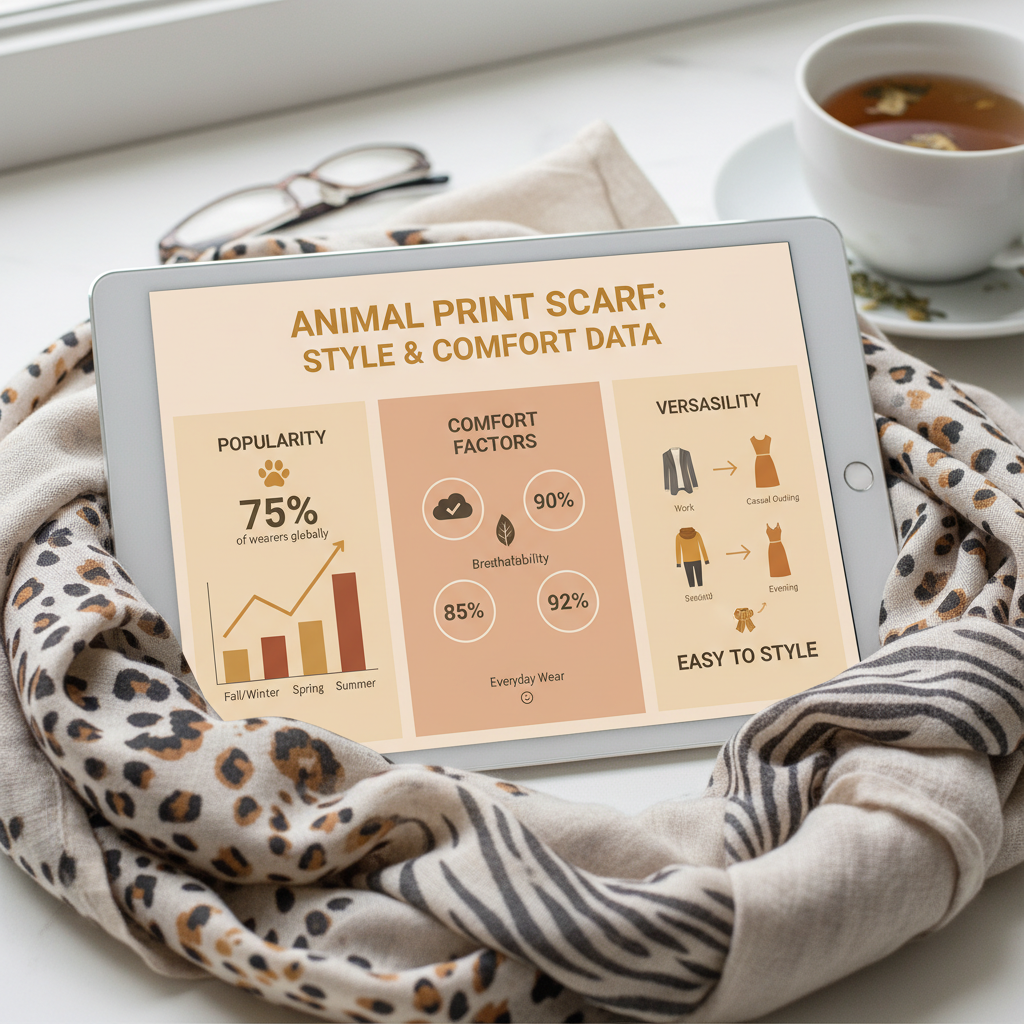
Animal Print Scarf Styling Methods - Popularity Ratings
Advantages and Value Proposition
The enduring appeal of the animal print scarf stems from its multifaceted advantages. From a stylistic perspective, it offers unparalleled versatility, effortlessly complementing a wide range of outfits and aesthetics. It's a comparatively inexpensive way to update an existing wardrobe.
The inherent boldness of animal prints imbues confidence and a sense of individuality, making the wearer stand out from the crowd. Furthermore, a high-quality animal print scarf can be a durable investment, lasting for years with proper care.
Future Trends in Animal Print Scarf Fashion
The future of animal print scarves is poised for innovation and sustainability. We're already seeing a rise in the use of eco-friendly materials like recycled polyester and organic cotton in their production. Designers are also experimenting with incorporating abstract and geometric patterns alongside traditional animal prints.
Digital printing technology will continue to refine the accuracy and vibrancy of animal print designs, allowing for greater customization and intricate detailing. Personalization is a growing trend, with consumers seeking unique and bespoke accessories.
The influence of social media and influencer marketing will further shape trends, with new animal print scarf styles and styling techniques emerging rapidly. Expect to see more collaborations between fashion brands and artists, resulting in limited-edition and collectible scarves.
Material Sustainability and Ethical Production
The growing awareness of environmental and ethical concerns is driving a demand for sustainably produced animal print scarves. Consumers are increasingly scrutinizing the origins of materials and the labor practices involved in manufacturing. Therefore, brands prioritizing ethical sourcing and transparent supply chains are gaining a competitive advantage.
The use of eco-friendly dyes and printing processes is also gaining traction, minimizing the environmental impact of production. Upcycling and repurposing existing materials are emerging as creative and sustainable alternatives. A beautiful animal print scarf doesn’t have to cost the earth.
Certification programs and labeling initiatives are helping consumers identify and support brands committed to sustainability. Ultimately, the future of the animal print scarf industry hinges on adopting responsible and ethical practices throughout the entire supply chain.
Summary of Material Sustainability Considerations
| Material Source |
Environmental Impact |
Ethical Considerations |
Sustainability Rating (1-10) |
| Organic Cotton |
Low water usage, no pesticides |
Fair labor practices encouraged |
9 |
| Recycled Polyester |
Reduces landfill waste, lower energy consumption |
Potential for microplastic release |
7 |
| Conventional Silk |
High water usage, potential for pesticide use |
Silkworm welfare concerns |
4 |
| Peace Silk (Ahimsa Silk) |
Reduced harm to silkworms |
Still requires water and resources |
8 |
| Lyocell (Tencel) |
Sustainable wood source, closed-loop production |
Generally good labor practices |
10 |
| Acrylic |
High energy consumption, non-biodegradable |
Petroleum-based |
2 |
FAQS
Silk animal print scarves require gentle care to maintain their vibrancy and integrity. Hand washing in cool water with a mild detergent is recommended. Avoid bleach and harsh chemicals. Gently roll the scarf in a towel to remove excess water and lay it flat to dry, away from direct sunlight. Iron on a low setting if necessary, and store it in a cool, dry place to prevent damage.
Several tests can help determine if an animal print scarf is genuine silk. The “ring test” involves gently stretching the fabric; silk will make a distinctive rustling sound. A burn test (done cautiously) will produce a smell similar to burning hair, leaving a brittle ash. The "weight" test – real silk feels heavier than synthetic fabrics. Finally, a close inspection of the weave can reveal the characteristic luster and texture of silk.
Absolutely! Animal print scarves are a timeless classic that consistently reappear in fashion trends. While specific animal prints may fluctuate in popularity, the overall aesthetic remains perennially chic. Current trends lean towards bolder, oversized prints and mixing different animal patterns. An animal print scarf is a worthwhile addition to any wardrobe.
Animal print scarves offer endless styling possibilities. They can be tied around the neck as a classic accent, draped over the shoulders for warmth, used as a headscarf for a bohemian look, or even tied to the handle of a handbag for a pop of color. Experiment with different knots and folds to create unique and eye-catching styles.
Different animal prints evoke distinct aesthetics. Leopard print is bold and glamorous, zebra print is striking and edgy, cheetah print is classic and sophisticated, and snake print adds a touch of exotic allure. The size and color variations within each print also contribute to its overall style. Choosing the right print depends on your personal preferences and the desired look.
Look for brands that prioritize ethical sourcing and sustainable practices. Check for certifications like GOTS (Global Organic Textile Standard) and Oeko-Tex, which ensure environmentally friendly production. Research the brand’s transparency regarding its supply chain and labor practices. Supporting brands committed to ethical production helps promote responsible fashion.
Conclusion
In conclusion, the animal print scarf is far more than just a fashion accessory. It represents a rich history of cultural significance, evolving style trends, and a growing commitment to sustainability. Its versatility, boldness, and timeless appeal have cemented its position as a staple in wardrobes worldwide. Understanding the nuances of material quality, ethical production, and styling techniques empowers consumers to make informed choices and embrace the artistry of this iconic accessory.
As we look to the future, the animal print scarf is poised for continued innovation. Embracing sustainable practices, exploring new materials, and pushing the boundaries of design will ensure its enduring relevance in the fashion landscape. Visit our website at www.wwscarf.com to explore our curated collection of animal print scarves and discover the perfect piece to express your unique style.