Your Trusted 24 Hours Service Provider!


The bandana scarf, a seemingly simple square of fabric, possesses a rich history and incredible versatility. From its origins as a functional accessory for cowboys and laborers, to its modern-day presence in fashion, activism, and even medical applications, the bandana scarf has proven to be remarkably adaptable. Understanding its evolution, materials, and diverse applications is crucial in appreciating its enduring relevance in a globalized world. This knowledge benefits industries ranging from textile manufacturing and fashion design to healthcare and emergency response.
Globally, the demand for functional and affordable textiles like the bandana scarf is consistently high. While precise market statistics are challenging to pinpoint due to its broad categorization within textile sales, the overall handkerchief and bandana market is estimated to be worth millions annually. Organizations like the World Health Organization (WHO) and UNICEF actively promote the use of fabric face coverings – often utilizing bandana-style designs – in public health campaigns, especially during pandemic situations. The accessibility and reusability of a bandana scarf addresses a critical need for protective measures in resource-constrained settings.
The core challenge lies in balancing the demand for affordable bandanas with ethical and sustainable production practices. Mass-produced bandanas often rely on environmentally damaging processes and questionable labor conditions. Innovations in sustainable textile production, along with increased consumer awareness, are vital for ensuring the long-term viability of the bandana scarf as a responsible product.

The roots of the bandana scarf can be traced back to the handkerchiefs used by European laborers and cowboys in the American West during the 19th century. Originally, these were functional items—to wipe sweat, protect against dust, and filter air. The term “bandana” itself originates from the Sanskrit word “bandhana,” meaning to tie, and was popularized through trade with India, where brightly colored, patterned fabrics were commonly used for similar purposes.
Over time, the bandana evolved from a purely utilitarian item to a symbol of identity and rebellion. Cowboys used specific knotting techniques to signify different roles or affiliations. During the 20th century, the bandana was adopted by various subcultures, including railroad workers, bikers, and later, as a fashion statement and a symbol of political activism.
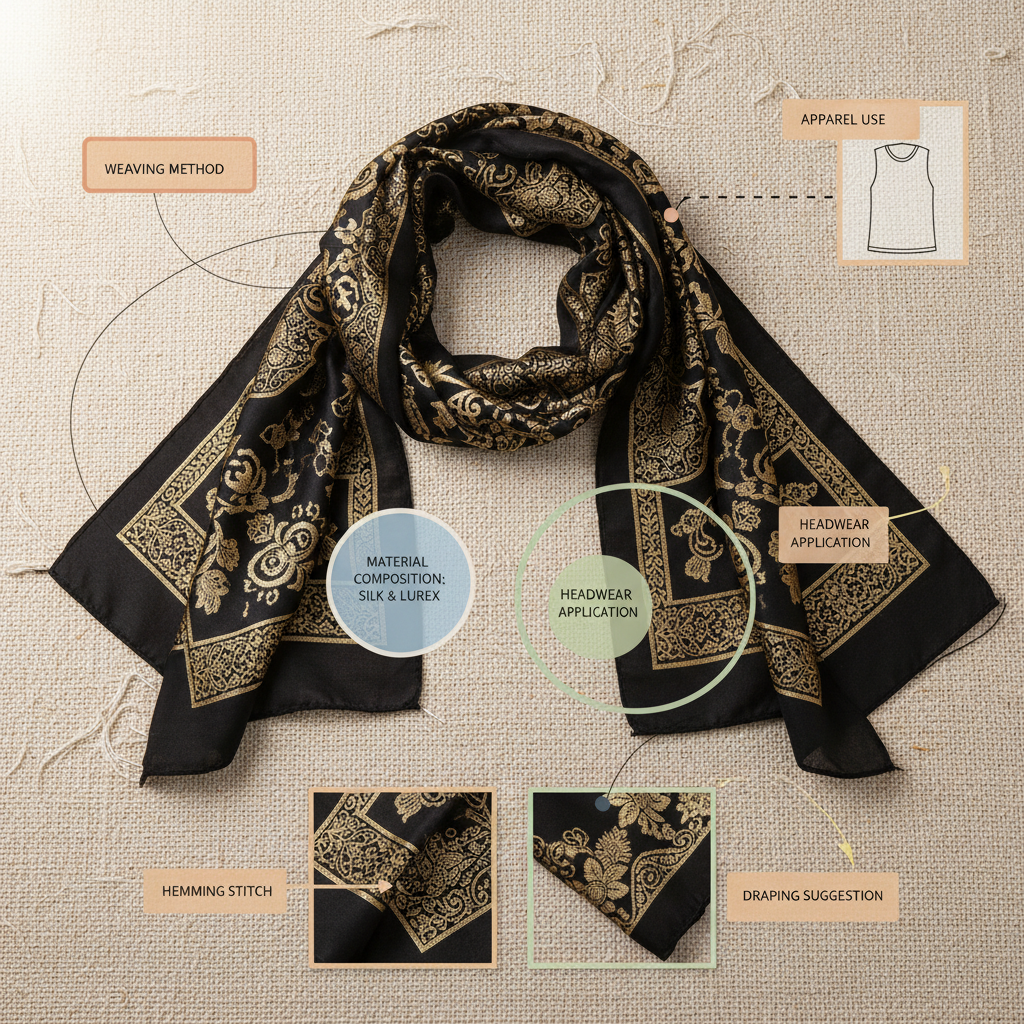
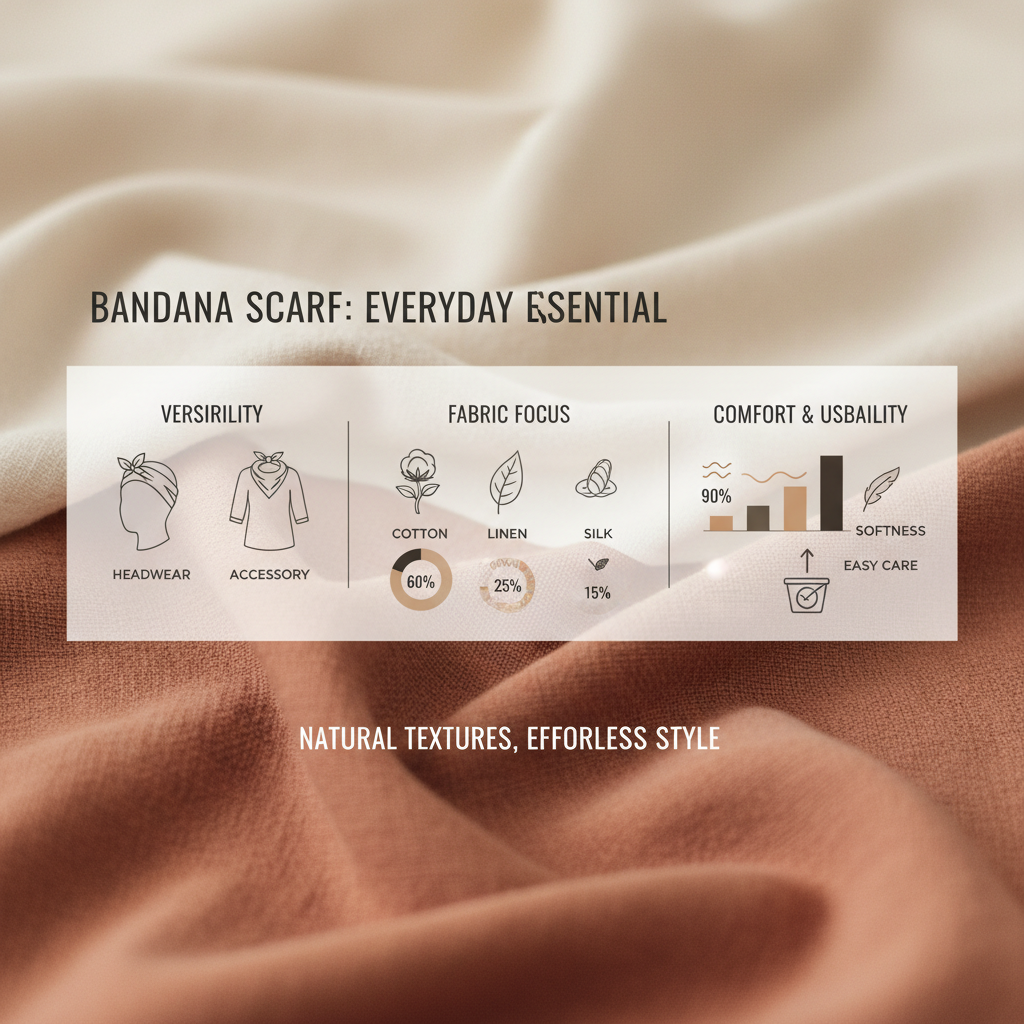
The bandana scarf's versatility stems from its simple square shape and lightweight fabric. This allows it to be worn in countless ways—as a head covering, neck accessory, wristband, or even tied onto bags. Its adaptability makes it suitable for various purposes, from fashion statements to practical uses like protecting against dust or sweat. The material composition, though often cotton, is increasingly incorporating sustainable alternatives, enhancing its appeal to eco-conscious consumers.
To ensure the longevity of your bandana scarf, machine washing in cold water with mild detergent is recommended. Avoid using bleach or fabric softeners, as these can damage the fibers. Tumble dry on low heat or hang to dry. For delicate materials like silk, hand washing is preferable. Ironing on a low setting can help remove wrinkles, but avoid direct heat on printed designs.
Traditionally, bandana scarves are made from 100% cotton, known for its comfort and breathability. However, modern bandanas are also produced using polyester, microfiber, silk, and increasingly, sustainable materials like organic cotton, hemp, and recycled polyester. The material choice impacts the bandana’s durability, softness, and environmental footprint.
Cotton bandanas are generally well-suited for sensitive skin due to their breathability and natural fibers. However, individuals with specific allergies should opt for organic cotton or hypoallergenic materials. Avoid bandanas made from synthetic fabrics if you experience irritation. Washing the bandana before first use can also help remove any residual chemicals or dyes.
A bandana scarf is incredibly versatile in emergencies. It can be used as a makeshift filter for water, a bandage for minor wounds, a signaling device, a sweatband to prevent dehydration, or even a protective mask against dust and debris. Its compact size and multiple functionalities make it a valuable addition to any emergency preparedness kit.
Increasingly, consumers are prioritizing sustainable and ethically produced products. Bandana production traditionally involves water-intensive cotton farming and potentially harmful dyes. However, the rise of organic cotton, recycled materials, and eco-friendly printing processes offers more sustainable options. Choosing bandanas made from these materials supports responsible manufacturing and reduces environmental impact.
The bandana scarf, despite its apparent simplicity, stands as a testament to the power of versatile design and enduring utility. From its historical roots in practical labor to its modern applications in fashion, healthcare, and emergency preparedness, the bandana has consistently adapted to meet evolving needs. Its affordability, durability, and adaptability make it a valuable asset for individuals and organizations worldwide.
Looking ahead, continued innovation in sustainable materials and ethical manufacturing processes will be crucial for ensuring the bandana’s long-term viability. Embracing these advancements will not only minimize its environmental impact but also reinforce its reputation as a responsible and reliable textile product. Visit our website at www.wwscarf.com to explore our collection of high-quality bandana scarves and learn more about our commitment to sustainability.