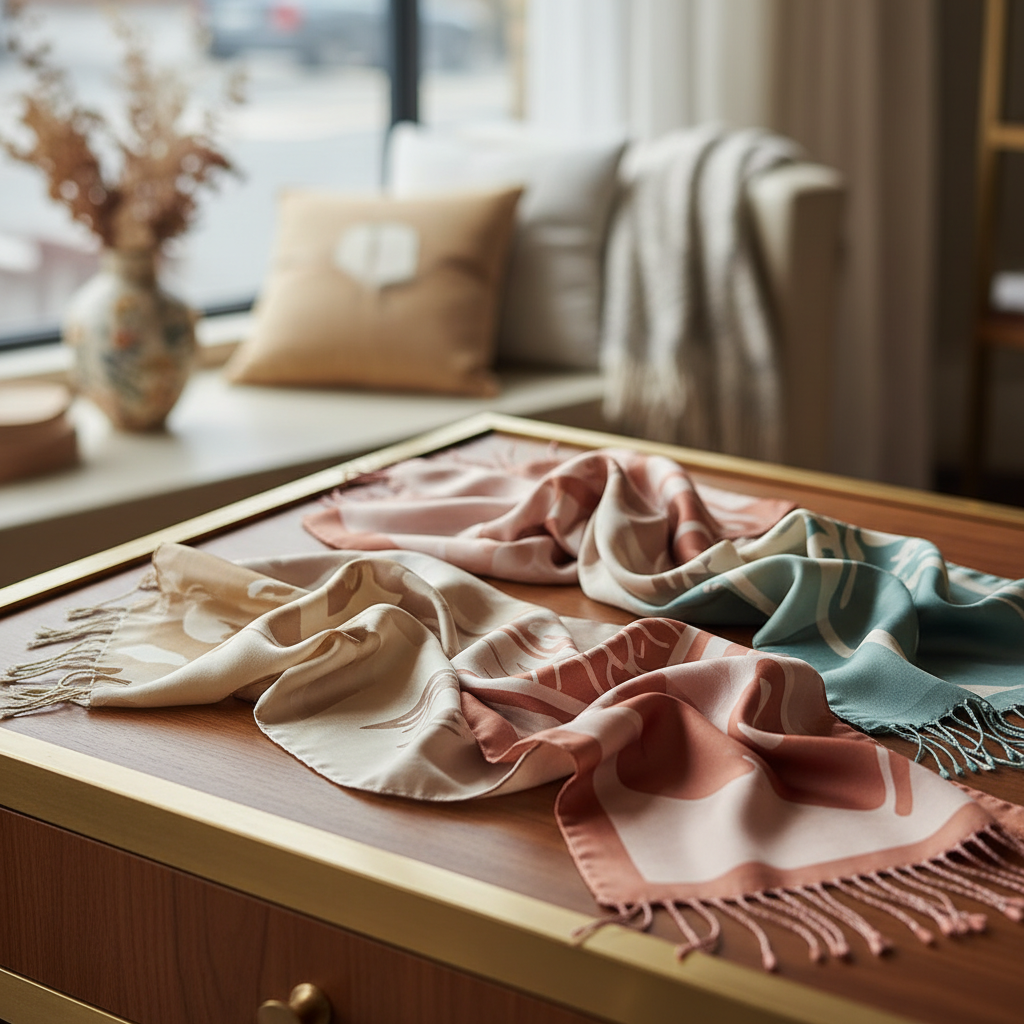
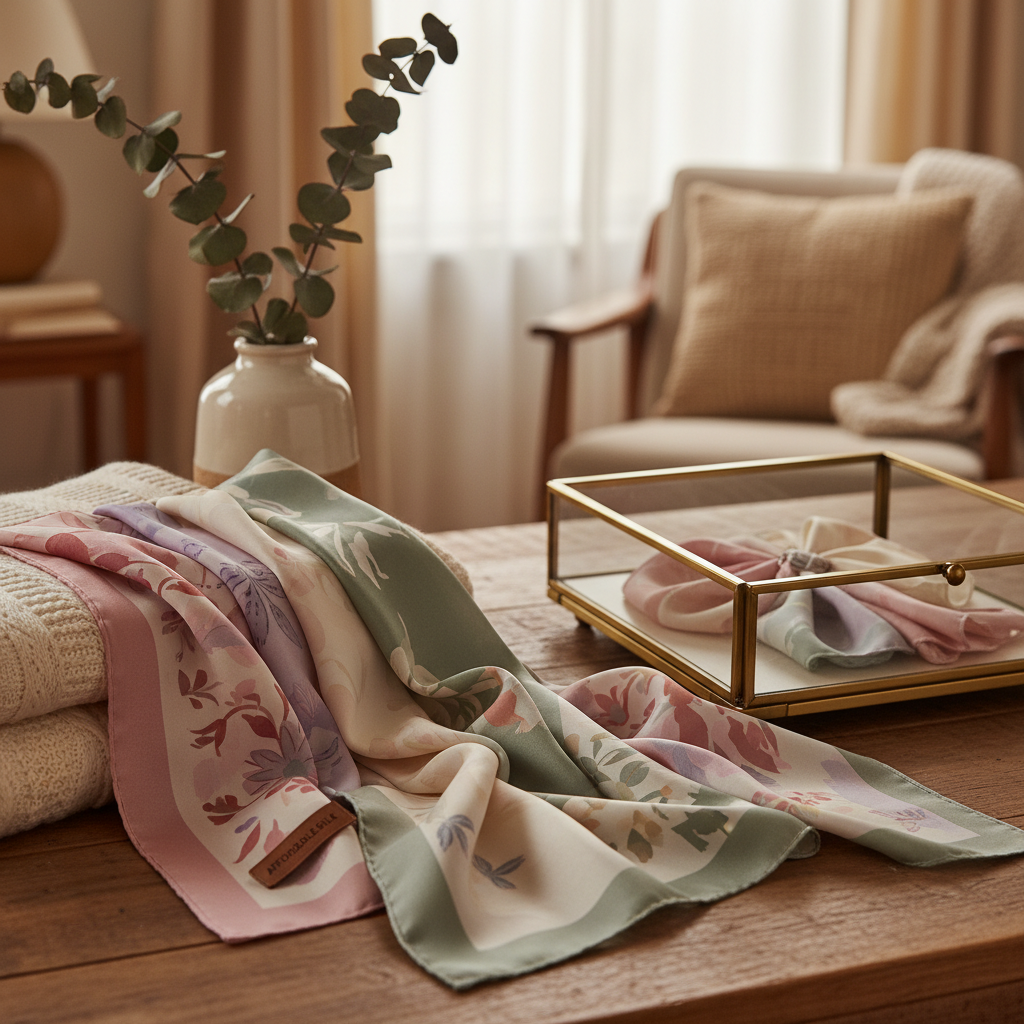
Affordable silk scarves have transitioned from being a luxury item to a widely accessible fashion statement and cultural symbol globally. The demand for these scarves stems from their versatility, aesthetic appeal, and relatively low cost of entry compared to other silk products. This accessibility makes them popular across diverse demographics and geographic locations, fueling a significant international trade and supporting artisan communities worldwide. Understanding the nuances of affordable silk scarves – from production methods to material quality – is increasingly important for both consumers and businesses operating in the fashion industry.
The global market for scarves, including affordable silk options, is experiencing consistent growth, driven by changing fashion trends and increased disposable incomes in emerging economies. According to Statista, the scarf market is projected to reach \$45.80 billion by 2028. The rise of e-commerce and social media marketing has further democratized access to these products, allowing small businesses and individual artisans to compete with larger brands. However, challenges remain in ensuring ethical production practices and maintaining quality standards within the affordable silk scarf sector.
This exploration into affordable silk scarves aims to provide a comprehensive overview of their attributes, applications, and future potential. We will delve into the factors that contribute to their affordability, examine their diverse uses, and discuss the evolving landscape of this dynamic market. By understanding these aspects, consumers can make informed purchasing decisions, and businesses can adapt to the changing demands of this growing sector, potentially finding profitable opportunities through affordable silk scarves.
The Significance of Affordable Silk Scarves
Affordable silk scarves represent a fascinating intersection of tradition, fashion, and global commerce. Their significance extends beyond mere aesthetic appeal; they are symbols of cultural heritage, often imbued with artistic expression and regional identity. The accessibility of these scarves, thanks to advancements in production techniques and sourcing, has broadened their reach, allowing people from all walks of life to enjoy the luxury and elegance of silk. Affordable silk scarves offer a gateway into the world of luxurious fabrics without the prohibitive costs associated with pure silk garments.
The production and trade of affordable silk scarves contribute significantly to local economies in many parts of the world, particularly in Asia and South America. These industries provide employment opportunities for artisans and weavers, preserving traditional skills and fostering economic empowerment. Moreover, the demand for sustainable and ethically sourced affordable silk scarves is driving innovation in production processes, leading to more environmentally friendly practices and fair labor standards.
Defining Affordable Silk Scarves
Affordable silk scarves generally refer to scarves crafted from silk blends or lower-grade silk (like charmeuse or habotai) that are priced considerably lower than those made from premium silk varieties such as mulberry silk. The "affordability" is relative, but typically falls within a price range of \$10 to \$50, depending on size, design complexity, and retailer. These scarves aim to replicate the look and feel of pure silk while remaining accessible to a wider consumer base.
The definition also encompasses scarves produced using innovative techniques that reduce production costs, such as digital printing and streamlined weaving processes. While pure silk is known for its exceptional quality and luxurious feel, affordable silk scarves offer a compelling alternative for those seeking a similar aesthetic without the high price tag. They bridge the gap between synthetic scarves and high-end silk options, making silk accessible to a broader demographic.
In the modern industry, affordable silk scarves play a vital role in fast fashion and accessory trends. They serve as versatile styling pieces, allowing consumers to experiment with different looks and express their personal style. The growing emphasis on sustainability and ethical sourcing is also influencing the definition, with increasing demand for affordable silk scarves made from recycled or responsibly sourced materials.
Key Characteristics of Affordable Silk Scarves
One defining characteristic of affordable silk scarves is their material composition. Often, they are constructed from silk blends, combining silk fibers with materials like polyester, rayon, or cotton. This blending process lowers the cost while still providing a degree of the silk's characteristic sheen and softness. The percentage of silk content varies significantly, impacting the scarf's drape, texture, and overall quality.
Durability is another key characteristic, though it differs from that of pure silk. Affordable silk scarves, particularly those with higher synthetic content, often exhibit greater resistance to wrinkles and abrasion. However, they may not possess the same longevity or delicate feel as premium silk scarves. Proper care, such as hand washing and avoiding harsh detergents, is essential to maintain their quality and appearance.
Affordability, of course, is paramount. These scarves are designed to be accessible, making them an attractive option for consumers seeking a touch of luxury without breaking the bank. The price point allows for greater experimentation with styles and colors, encouraging frequent purchases and seasonal updates to wardrobes. The affordability also makes affordable silk scarves popular gift items.
Applications of Affordable Silk Scarves
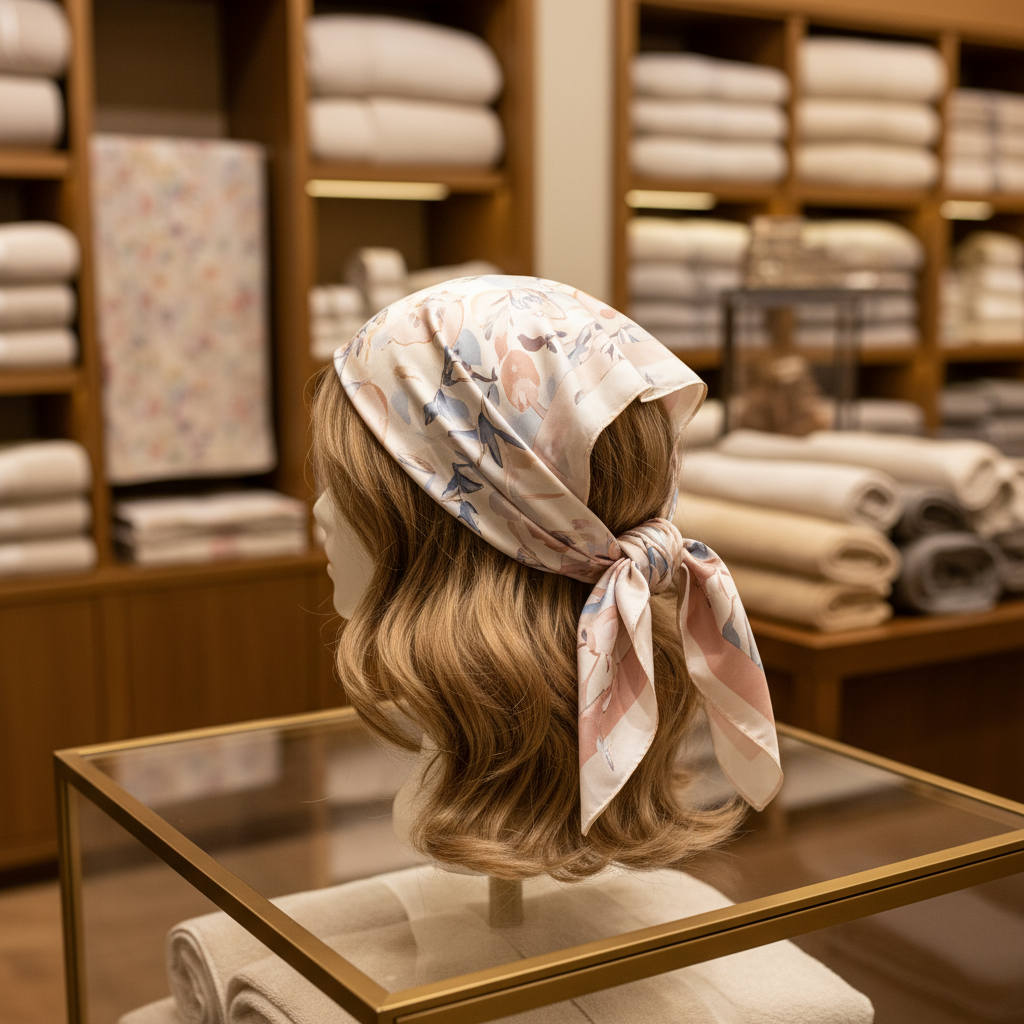
The versatility of affordable silk scarves makes them applicable in a wide array of scenarios. Primarily, they serve as a fashion accessory, complementing outfits and adding a touch of elegance. They can be worn around the neck, head, or even tied to handbags or belts, offering numerous styling possibilities. Their lightweight nature and soft texture also contribute to their appeal as a comfortable and stylish accessory.
Beyond fashion, affordable silk scarves have functional applications. They can provide sun protection when worn as a headscarf or neck covering, particularly in warmer climates. They can also serve as a protective layer for hair, preventing damage from wind and sun. In certain cultural contexts, silk scarves hold symbolic significance and are used in traditional ceremonies or rituals.
Popular Applications of Affordable Silk Scarves
Global Reach and Market Trends
The market for affordable silk scarves is truly global, with significant production centers in countries like China, India, and Vietnam. These nations have a long history of silk production and benefit from lower labor costs, enabling them to offer scarves at competitive prices. However, demand originates from a diverse range of countries, including the United States, Europe, and increasingly, emerging economies in Asia and South America.
A key trend is the rise of online retail. E-commerce platforms have made it easier than ever for consumers to purchase affordable silk scarves from around the world. Social media marketing, particularly platforms like Instagram and Pinterest, plays a crucial role in promoting these products and influencing consumer preferences. Another trend is the growing demand for sustainable and ethically sourced scarves, prompting manufacturers to adopt more responsible production practices.
Furthermore, there's an increasing interest in artisanal and handcrafted scarves, with consumers seeking unique and authentic products. This trend is driving a resurgence of traditional weaving techniques and supporting independent artisans. The growth of personalized and customized scarves is also notable, allowing consumers to create unique pieces that reflect their individual style.
Advantages and Value Proposition
The primary advantage of affordable silk scarves is, naturally, their price point. They offer a cost-effective way to incorporate the luxury and elegance of silk into one's wardrobe. Compared to pure silk scarves or garments, they represent a significantly more accessible option for consumers on a budget. This affordability allows for greater experimentation with styles and colors, promoting a more playful and expressive approach to fashion.
Beyond cost, affordable silk scarves offer versatility and convenience. Their lightweight nature and compact size make them easy to carry and style in various ways. They can be dressed up or down, complementing a wide range of outfits and occasions. The increasing availability of online retailers and fast shipping options further enhance their convenience, allowing consumers to quickly and easily acquire the styles they desire.
Future Outlook and Innovation
The future of affordable silk scarves appears promising, with several key trends poised to shape the industry. Innovation in materials is likely to play a significant role, with the development of new silk blends and synthetic alternatives that offer improved performance and sustainability. Advancements in digital printing technology will allow for more intricate and personalized designs, catering to the growing demand for customization.
Sustainability will continue to be a major driving force, with increased focus on eco-friendly production processes, responsible sourcing of materials, and the use of recycled silk fibers. The integration of technology, such as blockchain, can enhance transparency and traceability within the supply chain, ensuring ethical and sustainable practices.
The rise of virtual and augmented reality could also transform the shopping experience for affordable silk scarves, allowing consumers to virtually try on different styles and colors before making a purchase. Overall, the future landscape is one of innovation, sustainability, and enhanced consumer experience, driven by the ongoing demand for accessible and stylish fashion accessories.
Key Attributes of Affordable Silk Scarf Production Methods
| Production Method |
Cost Efficiency (1-10) |
Environmental Impact (1-10) - Lower is better |
Silk Content (%) |
| Digital Printing on Silk Blend |
9 |
6 |
30% |
| Traditional Weaving with Recycled Silk |
7 |
3 |
60% |
| Screen Printing on Silk-Polyester Blend |
8 |
7 |
20% |
| Automated Weaving with Silk-Rayon Blend |
10 |
8 |
10% |
| Hand-Rolled Hemming on Charmeuse Silk |
5 |
4 |
80% |
| Block Printing on Habotai Silk Blend |
6 |
5 |
40% |
FAQS
Affordable silk scarves typically incorporate silk blends with materials like polyester or rayon to lower production costs. While 100% pure silk scarves offer superior drape, luster, and durability, affordable options provide a similar aesthetic at a fraction of the price. The silk content and weaving technique significantly impact the scarf’s feel and longevity. Choosing the right option depends on your budget and desired quality.
Hand washing is the most gentle method for cleaning affordable silk scarves. Use a mild detergent specifically designed for delicate fabrics and avoid harsh chemicals or bleach. Lay flat to dry, away from direct sunlight, to prevent fading and damage. Iron on a low setting if necessary, and avoid excessive rubbing or twisting during washing. Proper care will significantly extend the life of your scarf.
Ethical sourcing varies significantly among manufacturers. Look for brands that prioritize fair labor practices, sustainable materials, and transparent supply chains. Certifications like Fair Trade or OEKO-TEX can indicate a commitment to ethical and environmental standards. Consider researching the brand's sourcing policies before making a purchase to ensure it aligns with your values.
While it can be challenging, a few indicators can help. Genuine silk often has a soft, luxurious feel and a subtle sheen. A "slub" – a slight irregularity in the yarn – is also a sign of real silk. The burn test (perform with extreme caution!) can differentiate silk from synthetics. Silk will smell like burning hair and leave a powdery ash, while synthetics will melt and smell like plastic. However, blends can yield ambiguous results.
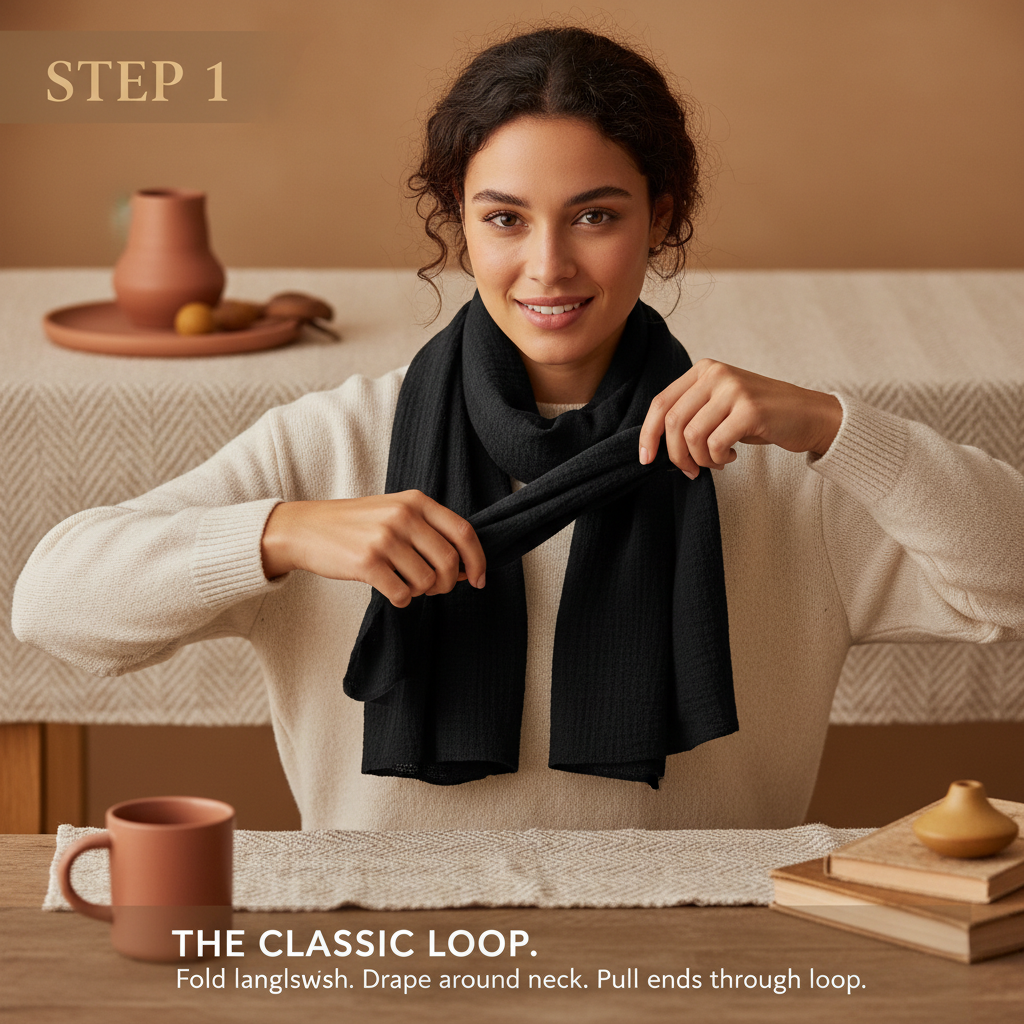
There are endless possibilities! Tie it around your neck as a classic accent, use it as a headband or hair accessory, attach it to your handbag for a pop of color, or even wear it as a belt. You can also drape it over your shoulders as a shawl or use it to adorn a hat. Experiment with different knots and styles to create unique looks that reflect your personal taste.
Several online retailers specialize in affordable silk scarves. WWS Carf offers a wide selection of styles and price points. Etsy also features numerous independent artisans selling handcrafted scarves. Amazon and other major e-commerce platforms also carry a variety of options, but be sure to read reviews and check seller ratings before making a purchase.
Conclusion
In summary, affordable silk scarves have become a ubiquitous and accessible fashion accessory, bridging the gap between luxury and practicality. Their versatility, affordability, and increasing availability through online channels have fueled their global popularity. Understanding the nuances of material composition, production methods, and ethical sourcing is crucial for both consumers and businesses operating in this dynamic market.
Looking ahead, the future of affordable silk scarves is poised for innovation and sustainability. Advancements in materials, digital printing, and supply chain transparency will further enhance their appeal and align them with evolving consumer values. Explore the world of affordable silk scarves today and discover the perfect addition to your wardrobe or a thoughtful gift for a loved one.