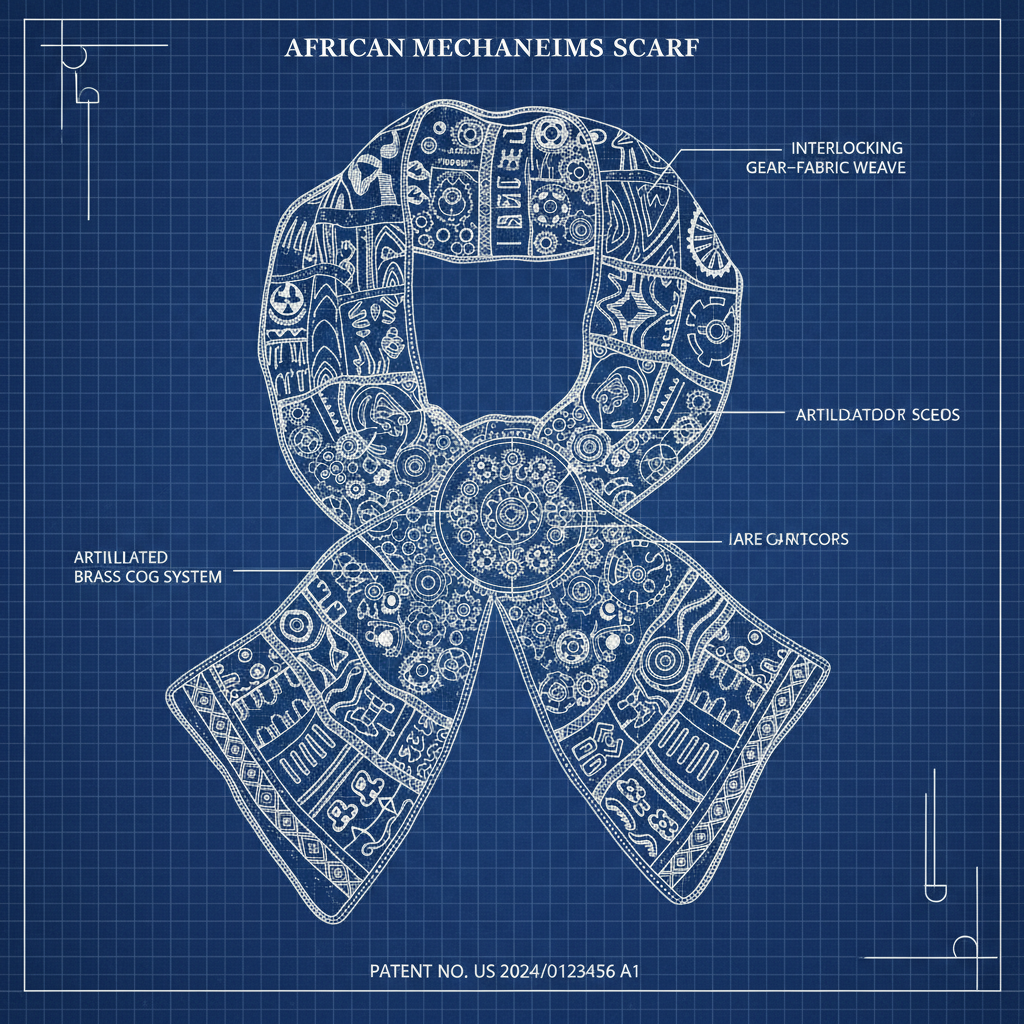
The abaya scarf, a versatile garment deeply rooted in cultural tradition, has become a global fashion statement. Its evolution from a simple, modest covering to a diverse range of styles reflects changing societal norms and a growing appreciation for cultural expression. Understanding the nuances of the abaya scarf—its fabrics, designs, and cultural significance—is increasingly important in a world embracing multiculturalism and ethical fashion choices. This understanding not only fosters respect for diverse traditions but also unlocks opportunities within a rapidly expanding global market for modest fashion.
The global demand for modest fashion is experiencing significant growth, driven by both religious observance and evolving fashion trends. Reports indicate a multi-billion dollar market, with projections for continued expansion in the coming years. This surge in demand necessitates a deeper exploration of garments like the abaya scarf, ensuring ethical sourcing, sustainable production, and culturally sensitive designs. Addressing challenges related to authenticity, quality control, and accessibility are crucial to meeting the needs of a diverse and increasingly conscious consumer base.
The abaya scarf isn’t just a piece of clothing; it’s a symbol of identity, faith, and personal style. Its increasing visibility on international runways and in mainstream fashion showcases a broader acceptance of diverse sartorial choices. Investing in understanding its complexities provides valuable insights for designers, retailers, and consumers alike, fostering inclusivity and driving innovation within the fashion industry.
The Cultural Significance of abaya scarf
The abaya scarf’s origins are deeply entwined with the cultural and religious traditions of the Arabian Peninsula. Historically, it served as a symbol of modesty and privacy, evolving over centuries into a diverse range of styles reflecting regional aesthetics and personal preferences. Its significance extends beyond mere clothing; it’s a visual representation of identity and faith for many.
Today, the abaya scarf has transcended geographical boundaries, becoming a global fashion item. Designers worldwide are incorporating elements of the abaya scarf into their collections, showcasing its versatility and appeal to a broader audience. This increasing visibility fosters cultural exchange and appreciation, while also raising important conversations about representation and inclusivity within the fashion industry.
Defining the abaya scarf: A Modern Perspective
The abaya scarf, in its most basic form, is a loose-fitting, robe-like garment traditionally worn by Muslim women. However, the term 'abaya scarf' often encompasses a wide variety of styles, including those with elaborate embroidery, unique cuts, and diverse fabric choices. Often paired with a headscarf (hijab), niqab, or other face coverings, the abaya scarf represents a spectrum of individual expression within the context of religious observance.
In the modern industry, the abaya scarf is being redefined by innovative designers and brands. We are seeing a move towards sustainable materials, ethical production practices, and designs that cater to contemporary tastes. This evolution is driven by a growing demand for modest fashion that is both stylish and responsible, reflecting a shift in consumer values.
The importance of clearly defining abaya scarf styles and materials is vital for ensuring transparency and meeting consumer expectations. From lightweight, breathable fabrics suitable for hot climates to luxurious silks for special occasions, the versatility of the abaya scarf makes it a relevant garment in diverse settings and for various purposes.
Core Components of Quality abaya scarf
Several key factors contribute to the quality and desirability of an abaya scarf. Firstly, the fabric is paramount. High-quality materials like crepe, silk, chiffon, and linen offer comfort, durability, and an elegant drape. The choice of fabric often depends on the intended use and climate. Secondly, the craftsmanship—precise stitching, intricate embroidery, and attention to detail—significantly enhance the overall aesthetic and value of the garment.
Furthermore, the cut and design play a crucial role. A well-designed abaya scarf should flatter the wearer’s figure and allow for ease of movement. Considerations include the length, sleeve style, and overall silhouette. Ethical sourcing and sustainable production methods are also increasingly important components of quality, appealing to conscious consumers who prioritize responsible fashion choices.
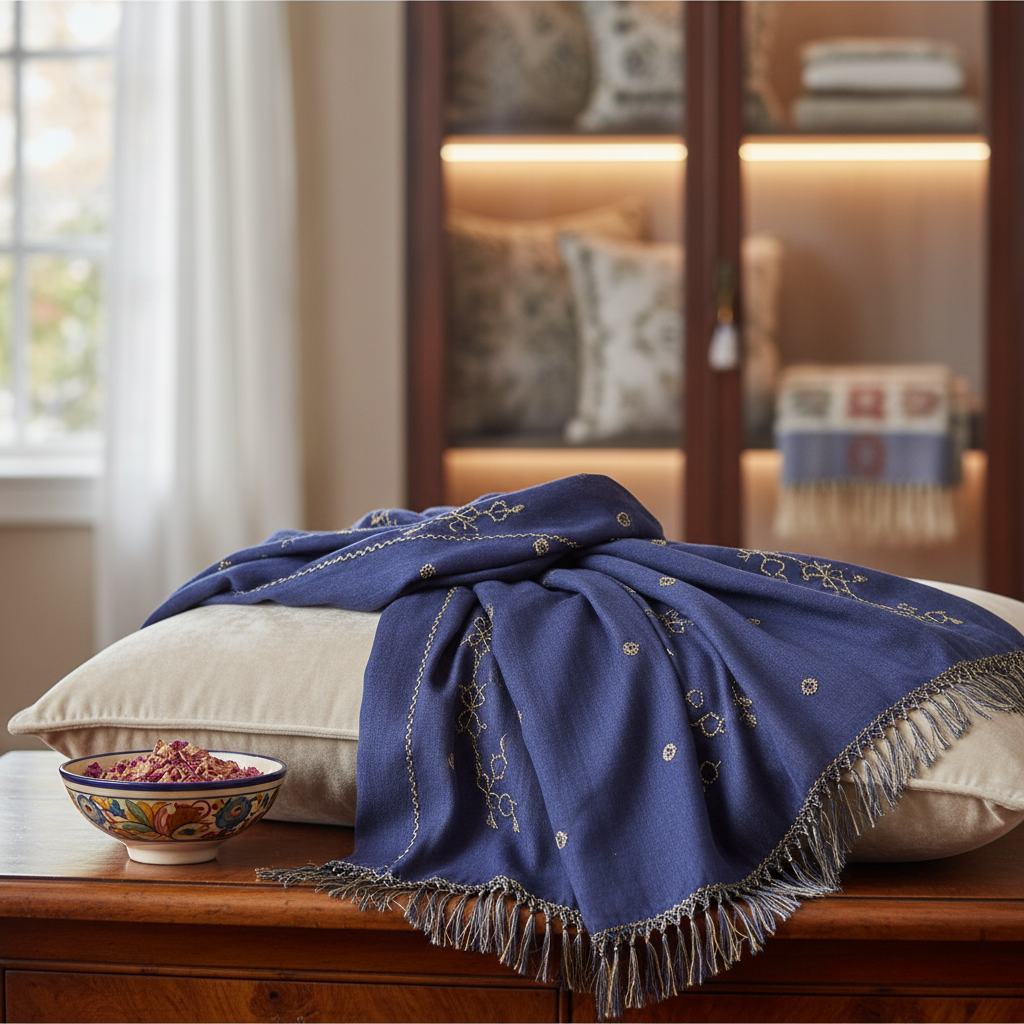
Finally, color and embellishments contribute to the overall appeal. While traditionally black, abaya scarves are now available in a wide range of colors and adorned with various embellishments, from delicate beading to intricate lace. The combination of these elements determines the overall quality and value of an abaya scarf.
Global Applications of the abaya scarf
The abaya scarf has found applications far beyond its traditional context. In the fashion industry, it has inspired numerous runway collections and designer collaborations, incorporating its silhouette and draping techniques into contemporary clothing. It is also utilized in film and television as a cultural marker and stylistic element.
In regions with large Muslim populations, the abaya scarf remains a significant part of daily life, serving both religious and practical purposes. However, even in areas with smaller Muslim communities, the abaya scarf is gaining popularity as a fashion statement, embraced by individuals seeking modest and elegant clothing options.
abaya scarf Style Popularity by Region
Advantages and Long-Term Value of abaya scarf
The abaya scarf offers numerous advantages, ranging from practical benefits to profound cultural and social significance. Its inherent modesty provides a sense of security and comfort for many women, allowing them to navigate public spaces with confidence and respect. Moreover, the abaya scarf’s versatility makes it a wardrobe staple, suitable for a wide range of occasions.
From a long-term perspective, investing in high-quality abaya scarves offers lasting value. Durable fabrics and impeccable craftsmanship ensure the garment’s longevity, reducing the need for frequent replacements. Furthermore, the cultural and historical significance of the abaya scarf adds to its intrinsic value, making it a cherished possession for generations to come.
Future Trends in abaya scarf Design and Production
The future of abaya scarf design is poised for innovation, with a growing emphasis on sustainability and technology. We anticipate the increased use of eco-friendly fabrics, such as organic cotton, recycled polyester, and innovative plant-based materials. Digital printing and 3D design techniques will enable greater customization and efficiency in production.
Furthermore, we expect to see a blending of traditional aesthetics with modern silhouettes, creating unique and contemporary designs. Smart textiles incorporating features like UV protection, temperature regulation, and antimicrobial properties may also become increasingly prevalent, enhancing both the functionality and comfort of the abaya scarf.
The rise of inclusive design will ensure that abaya scarves cater to a diverse range of body types and preferences, offering options for all. Virtual try-on technology and personalized styling services will further enhance the consumer experience, making it easier to find the perfect abaya scarf.
Challenges and Solutions in the abaya scarf Industry
The abaya scarf industry faces several challenges, including ensuring ethical sourcing of materials, maintaining quality control, and addressing concerns about cultural appropriation. Fast fashion trends can lead to the production of low-quality garments with exploitative labor practices.
To overcome these challenges, greater transparency and traceability are essential. Implementing robust supply chain management systems and certifications can help ensure ethical sourcing and fair labor practices. Investing in artisan communities and supporting local craftsmanship can also promote sustainable production.
Addressing cultural appropriation requires sensitivity, respect, and collaboration with designers and communities from the cultures that inspire the designs. Promoting authentic representation and celebrating cultural heritage are crucial steps towards fostering inclusivity and avoiding harmful stereotypes.
Summary of Challenges and Potential Solutions in the abaya scarf Industry
| Challenge Area |
Specific Challenge |
Potential Solution |
Implementation Timeline |
| Ethical Sourcing |
Lack of transparency in supply chains |
Implement blockchain technology for traceability |
12-18 Months |
| Quality Control |
Inconsistent manufacturing standards |
Establish standardized quality control protocols |
6-12 Months |
| Cultural Appropriation |
Misrepresentation of cultural symbols |
Collaborate with cultural experts in design |
Ongoing |
| Sustainability |
Reliance on unsustainable materials |
Transition to organic and recycled fabrics |
24-36 Months |
| Labor Practices |
Exploitative working conditions |
Ensure fair wages and safe working environments |
Ongoing |
| Waste Management |
Textile waste during production |
Implement zero-waste cutting and recycling programs |
12 Months |
FAQS
For hot weather, breathable fabrics are key. Lightweight options like linen, cotton voile, and chiffon are excellent choices. These materials allow air circulation, keeping you cool and comfortable. Silk is also a good option, although it requires more delicate care. Avoid heavier materials like velvet or thick crepe, as these can trap heat. When choosing a fabric, consider the weave – looser weaves are more breathable.
Delicate abaya scarves require special care to maintain their beauty and longevity. Hand washing is highly recommended using a mild detergent specifically designed for delicate fabrics. Avoid harsh chemicals or bleach. Gently squeeze out excess water – do not wring. Lay flat to dry, away from direct sunlight. Iron on a low setting, using a pressing cloth to protect the fabric. For lace, avoid snagging and consider storing it in a garment bag.
Yes, increasingly, there are brands prioritizing ethical and sustainable practices in abaya scarf production. Look for brands that use organic or recycled materials, ensure fair labor practices throughout their supply chain, and minimize their environmental impact. Certifications like GOTS (Global Organic Textile Standard) and Fair Trade can provide assurance. Researching a brand's values and transparency is crucial for making a responsible purchasing decision.
Current trends in abaya scarf designs include minimalist styles with clean lines, flowing silhouettes, and subtle embellishments. Earth tones and muted pastels are popular color choices, alongside classic black. Embroidered details, particularly floral or geometric patterns, are also trending. Open-front abayas worn with tailored trousers are a contemporary look, as are abayas with statement sleeves and unique draping.
The abaya scarf is incredibly versatile. For casual occasions, pair it with comfortable trousers and sneakers. For a more formal look, combine it with heels, elegant jewelry, and a statement handbag. Layering a contrasting belt can define the waist and add shape. Experiment with different headscarf styles to complement your outfit. Remember to consider the occasion, the weather, and your personal style when choosing your accessories.
Finding authentic, high-quality abaya scarves requires research. Look for reputable retailers specializing in modest fashion, both online and in physical stores. Consider shopping from designers who are known for their craftsmanship and commitment to quality materials. Reading customer reviews and checking for certifications can also help ensure you're purchasing a genuine and well-made garment. Consider the origin and ethical practices of the brand.
Conclusion
The abaya scarf, evolving from a traditional garment to a global fashion statement, embodies a rich cultural heritage and increasingly reflects modern values of sustainability and inclusivity. Its enduring appeal lies in its versatility, modesty, and ability to express personal style while honoring cultural traditions. Understanding the nuances of its design, production, and cultural significance is crucial for both consumers and industry professionals.
Looking ahead, the future of the abaya scarf promises continued innovation in materials, design, and production techniques. By embracing ethical practices, prioritizing sustainability, and fostering cultural sensitivity, the abaya scarf industry can thrive and contribute to a more inclusive and responsible fashion landscape. Visit our website at www.wwscarf.com to explore our collection of exquisite abaya scarves and learn more about our commitment to quality and ethical fashion.