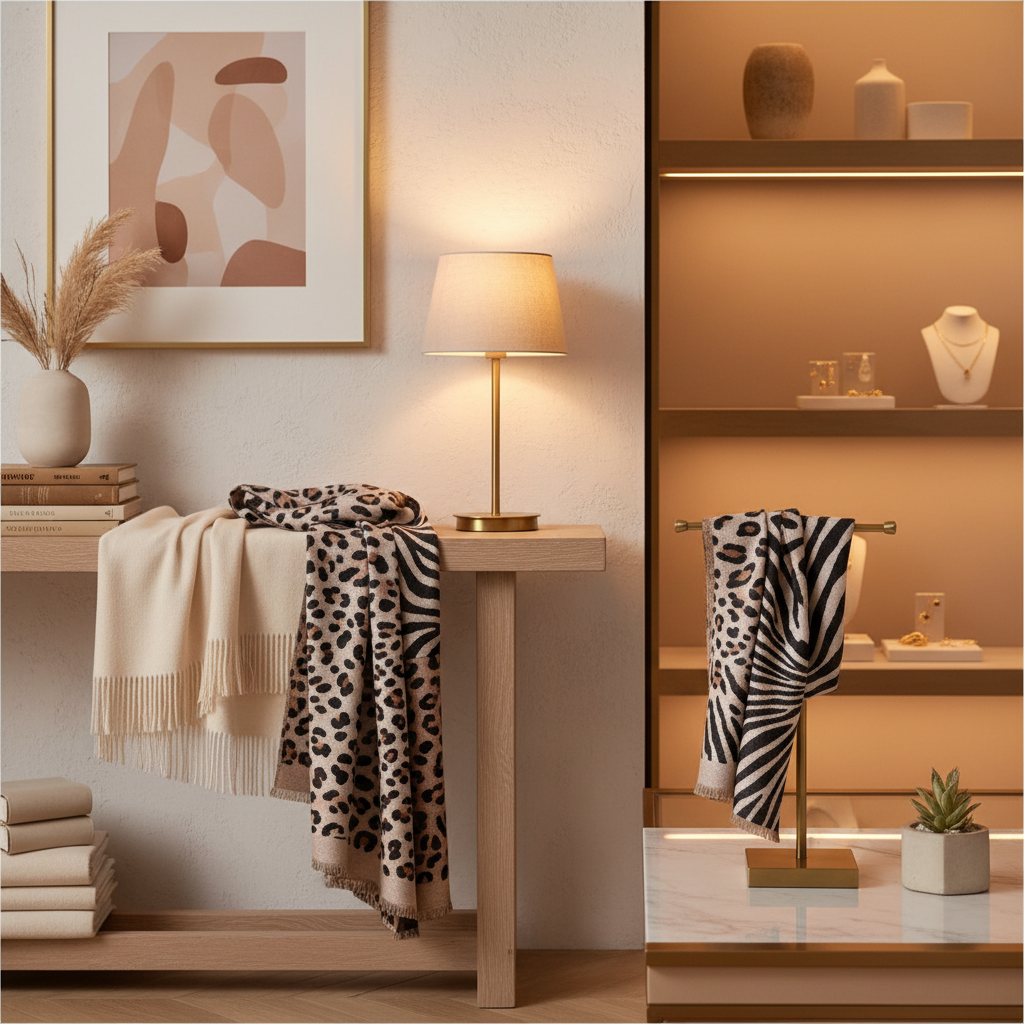
The ascot scarf, a timeless accessory, has transitioned from aristocratic circles to become a versatile fashion statement appreciated globally. Its enduring appeal stems from its ability to add a touch of sophistication and individuality to any outfit. Understanding the nuances of this classic piece – from its historical origins to contemporary styling – unlocks a wealth of sartorial possibilities, making it a relevant topic for fashion enthusiasts and those seeking a refined aesthetic.
The global ascot scarf market, while not quantified as precisely as larger apparel segments, demonstrates consistent demand fueled by a resurgence of classic menswear trends and a growing interest in heritage accessories. Fashion blogs, social media influencers, and high-end retailers all contribute to maintaining its visibility. The increasing accessibility of diverse materials and designs – ranging from traditional silk to contemporary linen and cotton blends – further expands its reach to a broader consumer base.
Beyond its fashion applications, the ascot scarf represents a cultural shift towards embracing individual style and understated elegance. Its popularity signifies a rejection of fleeting trends in favor of enduring quality and personal expression. Exploring the ascot scarf’s evolution provides valuable insights into shifting fashion paradigms and the enduring power of classic accessories.
The Historical Development of ascot scarf
The ascot scarf's origins trace back to 19th-century England, specifically to the prestigious Royal Ascot horse racing event. Initially worn by gentlemen to protect their shirts from dust and provide a touch of elegance, the ascot quickly became a symbol of status and sophistication. Its early iterations were often crafted from silk and carefully tied in a distinctive knot.
Over time, the ascot evolved from a purely functional item to a fashionable accessory embraced by various subcultures. From the dapper looks of the Edwardian era to its adoption by jazz musicians and artists, the ascot scarf has consistently reinvented itself while retaining its core aesthetic appeal. The influence of iconic figures and evolving social norms shaped its stylistic trajectory.
The Materials and Construction of ascot scarf
Traditionally, ascot scarves are made from luxurious materials like silk, offering a smooth texture and elegant drape. However, modern ascots are now commonly crafted from a range of fabrics including cotton, linen, and even blends with synthetic fibers. The choice of material greatly impacts the ascot’s feel, appearance, and suitability for different occasions.
The construction of an ascot scarf typically involves a rectangular piece of fabric, often with finished edges to prevent fraying. Higher-quality ascots may feature hand-rolled edges or intricate detailing. The width and length of the ascot can also vary, influencing the resulting knot and overall look. Careful attention to material and construction details contribute to the ascot’s overall quality and longevity.
The pattern and weave of the fabric also play a crucial role. Classic choices include paisley, floral prints, and solid colors. The weave can range from a simple twill to more complex patterns like jacquard, adding depth and texture to the ascot. Choosing the right fabric and weave is essential for achieving the desired aesthetic.
The Art of Tying an ascot scarf
Mastering the art of tying an ascot scarf is key to unlocking its full potential. There are several methods, ranging from the classic 'full knot' to more relaxed and contemporary styles. The full knot, involving multiple wraps and tucks, creates a voluminous and formal look.
Learning to tie an ascot requires patience and practice. Online tutorials and visual guides can be incredibly helpful. Start with a simpler method and gradually progress to more intricate knots as your confidence grows. The goal is to achieve a balanced and symmetrical knot that complements your outfit.
Experimenting with different knots and tightening levels allows you to customize the ascot’s appearance. A looser knot can create a more casual and relaxed vibe, while a tighter knot conveys sophistication and formality. Understanding the nuances of each knot is crucial for achieving the desired effect.
ascot scarf Style Variations and Trends
Beyond the traditional silk ascot, several style variations have emerged to cater to diverse tastes. The knit ascot, often made from wool or cashmere, offers a more casual and textured look. The patterned ascot, featuring bold prints or intricate designs, adds a statement element to any outfit.
Contemporary trends see the ascot being worn in unexpected ways – layered under sweaters, paired with denim jackets, or even integrated into more avant-garde ensembles. The ascot is increasingly viewed as a versatile accessory that can be adapted to different aesthetics, from preppy to bohemian.
ascot scarf Style Preference Ratings
ascot scarf in Formal and Casual Settings
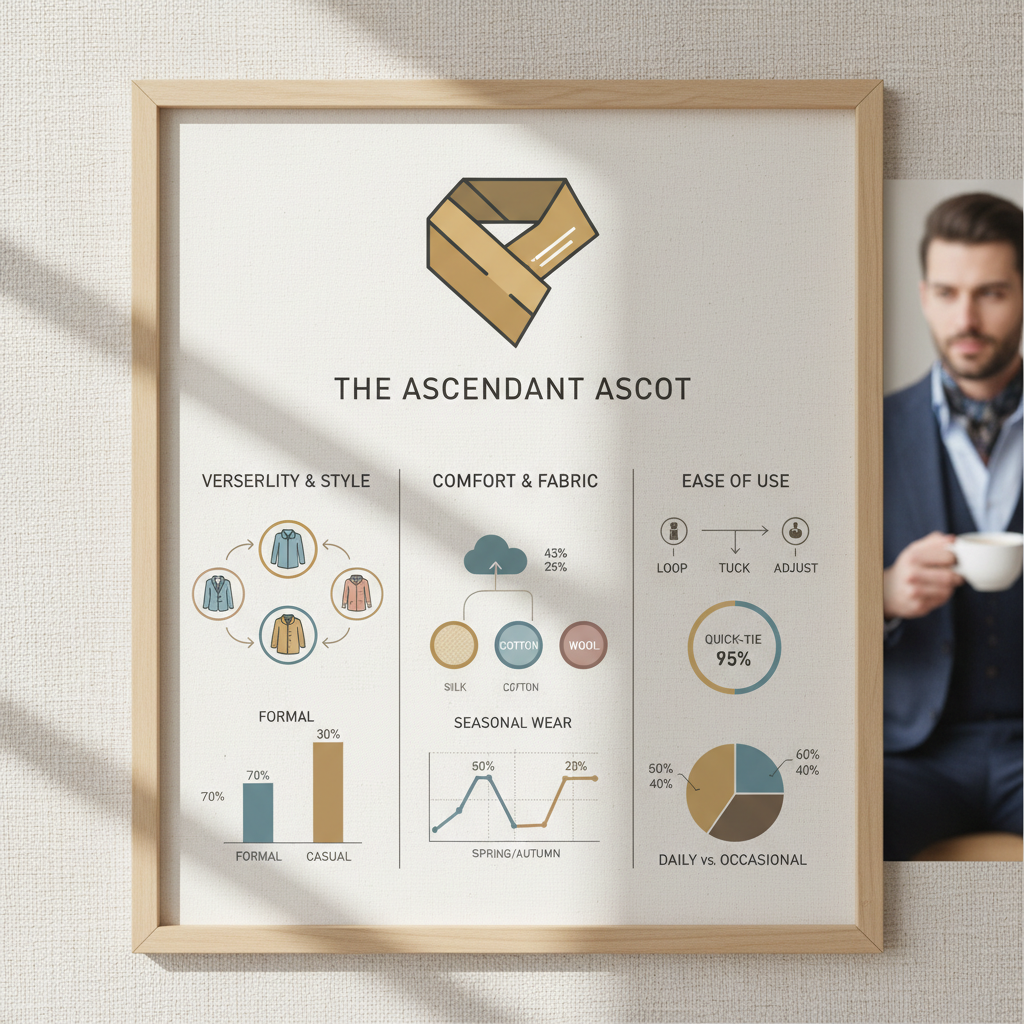
The ascot scarf’s versatility allows it to seamlessly transition between formal and casual settings. In formal attire, such as a suit or tuxedo, a silk ascot adds a touch of refined elegance. It is a popular alternative to a traditional necktie for black-tie events.
For more casual occasions, an ascot can be paired with a blazer, cardigan, or even a simple button-down shirt. The choice of material and pattern can influence the overall look, with linen or cotton ascots lending themselves to a more relaxed aesthetic.
Caring for and Maintaining an ascot scarf
Proper care is essential for preserving the beauty and longevity of your ascot scarf. Delicate fabrics like silk require hand washing or dry cleaning to prevent damage. Avoid harsh detergents and excessive exposure to sunlight.
For other materials, such as cotton or linen, gentle machine washing may be possible, but always check the care label first. When storing your ascot, avoid folding it tightly, as this can create creases. Rolling it loosely or hanging it on a padded hanger is preferable.
Regularly inspect your ascot for any signs of wear and tear, such as loose threads or frayed edges. Addressing minor issues promptly can prevent them from escalating into larger problems.
The Future of ascot scarf Fashion
The ascot scarf is poised for continued relevance in the fashion world, driven by a growing appreciation for heritage styles and individual expression. Designers are increasingly incorporating ascots into contemporary collections, experimenting with innovative fabrics and patterns.
Sustainability is also becoming a key factor, with a growing demand for ethically sourced materials and eco-friendly production methods. The use of organic silk, recycled fibers, and natural dyes is expected to gain traction.
Technological advancements, such as digital printing and innovative weaving techniques, will further expand the creative possibilities for ascot designs. The ascot scarf is likely to remain a timeless accessory, constantly evolving to reflect changing fashion trends and values.
Summary of Key Aspects for Ascot Scarf Longevity and Style
| Material Quality |
Styling Versatility |
Care Requirements |
Trend Adaptability |
| High (9/10) – Silk ascots offer unparalleled luxury. |
Very High (8/10) – Suitable for formal and casual settings. |
Moderate (7/10) – Requires gentle handling and specific cleaning. |
High (8/10) – Easily integrated into modern and classic looks. |
| Medium (7/10) – Cotton/linen offer affordability. |
Medium (6/10) – Best suited for relaxed occasions. |
Low (5/10) – Easier to care for with machine washing options. |
Medium (7/10) – Adapts well to bohemian and vintage aesthetics. |
| Low (6/10) – Synthetic materials offer durability. |
Low (4/10) – Limited application in formal settings. |
Very Low (3/10) – Most durable and easy to maintain. |
Low (5/10) – Less emphasis on traditional styling. |
| Knit ascots rank average (7/10) in material quality. |
Casual settings benefit from knit ascots (6/10). |
Knit ascots have moderate care requirements (6/10). |
Knit ascots are adaptable to current trends (7/10). |
| Patterned ascots have variable material quality (6-9/10). |
Patterned ascots make strong style statements (7/10). |
Care depends on fabric; ranging from moderate to low (5-7/10). |
Patterned ascots offer diverse trend adaptability (7/10). |
| Linen ascots prioritize comfort (7/10). |
Linen ascots are best for casual warm-weather wear (6/10). |
Linen ascots are relatively easy to care for (6/10). |
Linen ascots align with relaxed, natural trends (7/10). |
FAQS
Silk is widely considered the best material for ascot scarves due to its luxurious feel, elegant drape, and vibrant color retention. However, high-quality cotton and linen offer excellent alternatives, especially for warmer climates or more casual looks. The choice depends on personal preference, occasion, and budget. Silk provides unparalleled sophistication, while cotton and linen offer breathability and ease of care.
Examine the fabric closely. High-quality ascots will have a smooth, even weave with no visible imperfections. Check the edges; hand-rolled edges are a sign of superior craftsmanship. Also, consider the weight and drape of the fabric – a luxurious ascot will feel substantial and fall gracefully. A cheap ascot will feel thin, flimsy, and may have rough or uneven edges.
Yes, absolutely! While traditionally associated with formal events, the ascot scarf can be incorporated into everyday outfits for a touch of sophistication. Opt for more casual materials like cotton or linen and experiment with different knots to achieve a relaxed look. It's a versatile accessory that can elevate your style without being overly ostentatious.
The standard length for an ascot scarf is typically between 54 and 68 inches (137-173 cm). This allows for sufficient fabric to tie a variety of knots comfortably. The width usually ranges from 6 to 8 inches (15-20 cm). However, there's some flexibility depending on your height and preferred tying style, so a slightly longer or wider ascot might be more suitable for some individuals.
Avoid folding your ascot tightly, as this can create creases. Instead, roll it loosely or hang it on a padded hanger. Store it in a cool, dry place away from direct sunlight. For delicate silk ascots, consider using a garment bag to protect them from dust and moths. Proper storage will help maintain its shape and prevent damage.
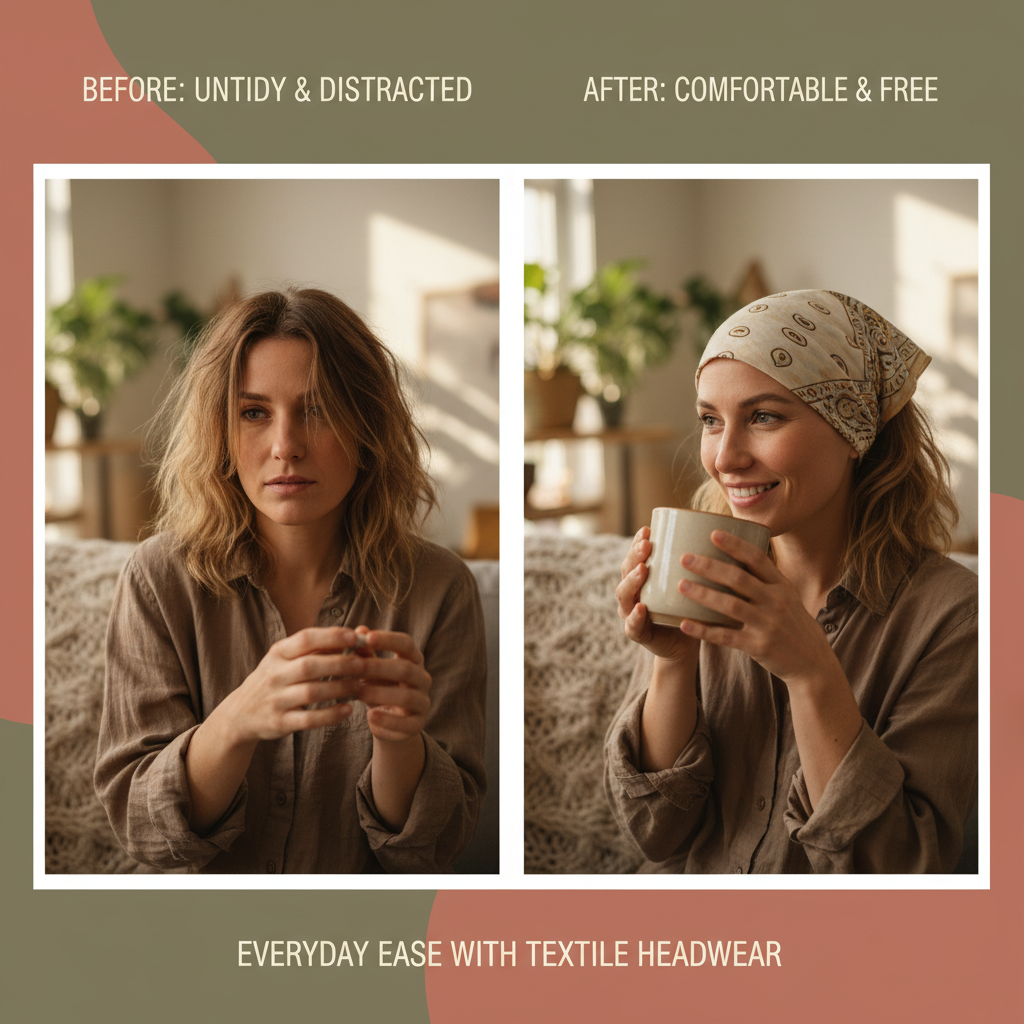
Modern styling includes wearing an ascot under a blazer or cardigan, paired with a denim jacket, or even as a headscarf. Experiment with different knots – a looser, more casual knot can create a relaxed vibe. Don't be afraid to layer it with other accessories or incorporate it into unexpected outfits to create a unique and contemporary look.
Conclusion
The ascot scarf, a symbol of elegance and refinement, has proven its enduring appeal across centuries. From its origins in aristocratic circles to its current resurgence in contemporary fashion, the ascot continues to adapt and inspire. Understanding its history, materials, styling options, and care requirements unlocks a world of sartorial possibilities.
Looking ahead, the ascot scarf is poised to embrace sustainability and innovation. The demand for ethically sourced materials and unique designs will drive its evolution. By appreciating its heritage and embracing its potential, we can ensure that the ascot scarf remains a timeless accessory for generations to come. Visit our website at ascot scarf to explore our curated collection.