Oct . 16, 2026 14:01 Back to list
Satin Silk Headscarves: Elegant and Comfortable Choices for Everyday Muslim Hijab Styling
Satin silk headscarves combine elegance, versatility, and a smooth, graceful finish, making them an attractive choice for women who value both modest fashion and everyday comfort. For many Muslim women, wearing a headscarf is an important part of religious practice, cultural tradition, and personal identity. A well-chosen scarf can provide the desired head coverage while complementing different outfits, colors, and occasions. From simple daily styles to more refined looks for celebrations, satin and silk scarves offer many ways to express individual preferences while maintaining a modest appearance.
When selecting a headscarf, women often consider fabric texture, size, color, breathability, and ease of styling. Satin is known for its smooth surface and subtle shine, while silk is a natural fiber valued for its soft feel and elegant drape. Although the terms are sometimes used together, they are not identical: satin refers to a type of weave or fabric finish, and silk refers to a fiber. A scarf may be made from silk satin or from synthetic satin, so checking the material description is important when purchasing.
Whether you prefer a classic black scarf, a vibrant red design, or a rich blue accessory, the right headscarf can complement a wide range of modest clothing. With thoughtful fabric selection and proper care, satin and silk headscarves can become versatile pieces in an everyday wardrobe.

Why Satin and Silk Scarves Are Suitable for Everyday Hijab
The fabric of a hijab affects both its appearance and how comfortable it feels throughout the day. Satin has a smooth finish that reflects light gently, creating a polished look suitable for casual outfits, professional clothing, and special occasions. Silk offers a naturally soft texture and fluid drape, making it appealing to women who appreciate lightweight, refined fabrics. The best choice depends on individual preferences, climate, styling habits, and budget.
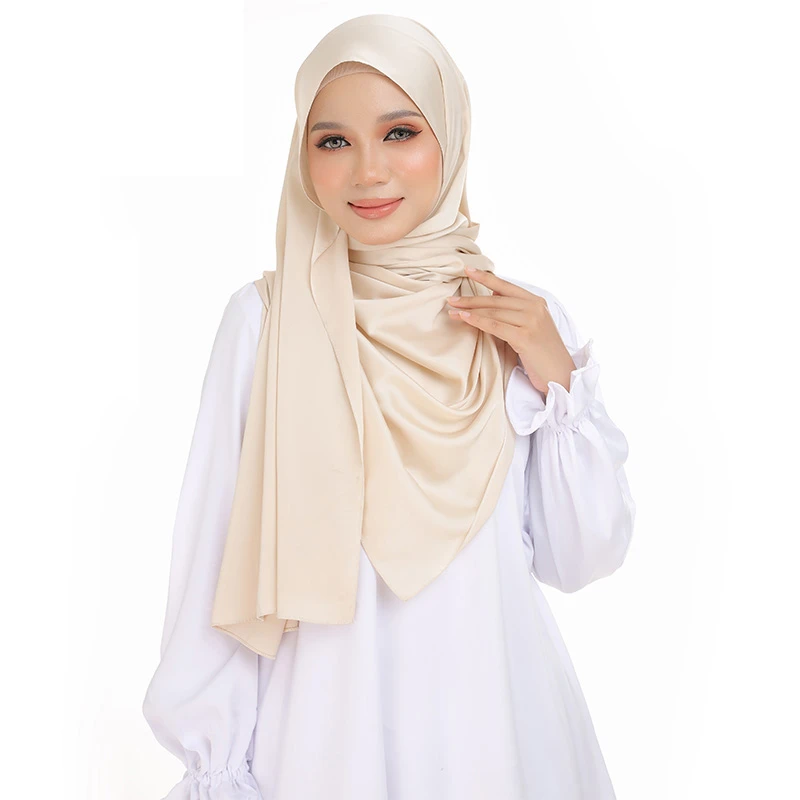
A satin silk hair scarf can be worn as a head covering or incorporated into different scarf styles. Its smooth surface creates an elegant finish, while the fabric's drape allows the wearer to arrange folds around the head and shoulders. For Muslim women who wear hijab daily, selecting a scarf with suitable dimensions is essential to achieving the desired coverage. A larger design may provide more fabric for wrapping, while a smaller scarf may work better as a decorative layer or for a particular styling technique.
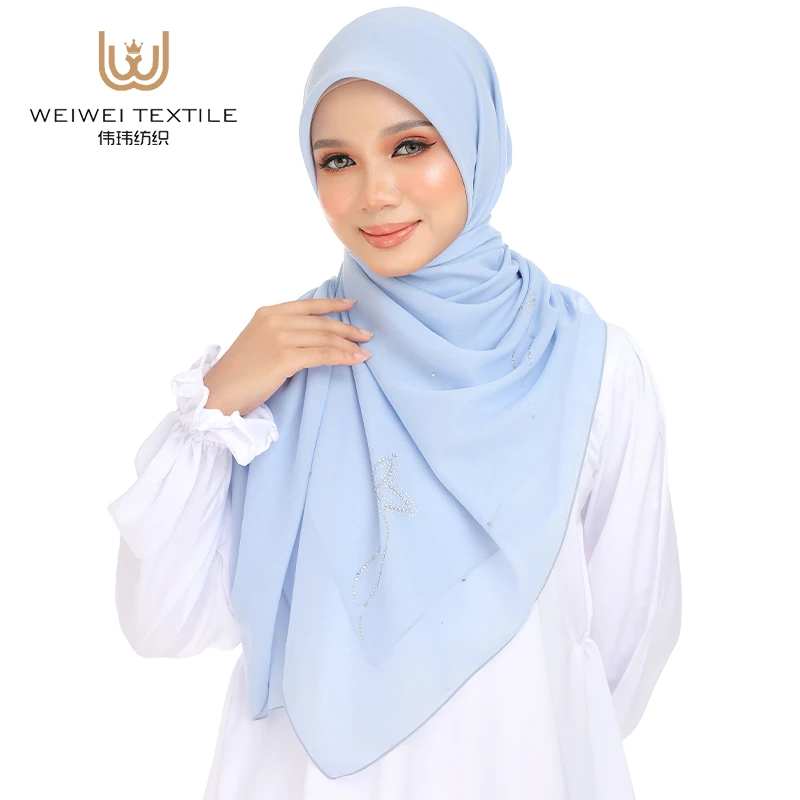
A satin silk head wrap offers another versatile option. Depending on its size and construction, it can be wrapped around the head in a simple, close-fitting style or arranged with additional folds for a more layered appearance. Women who prefer a secure fit may use a comfortable undercap or suitable scarf magnets to help hold the fabric in place. Since satin can be slippery, it is helpful to test different wrapping methods to find a style that remains comfortable throughout daily activities.
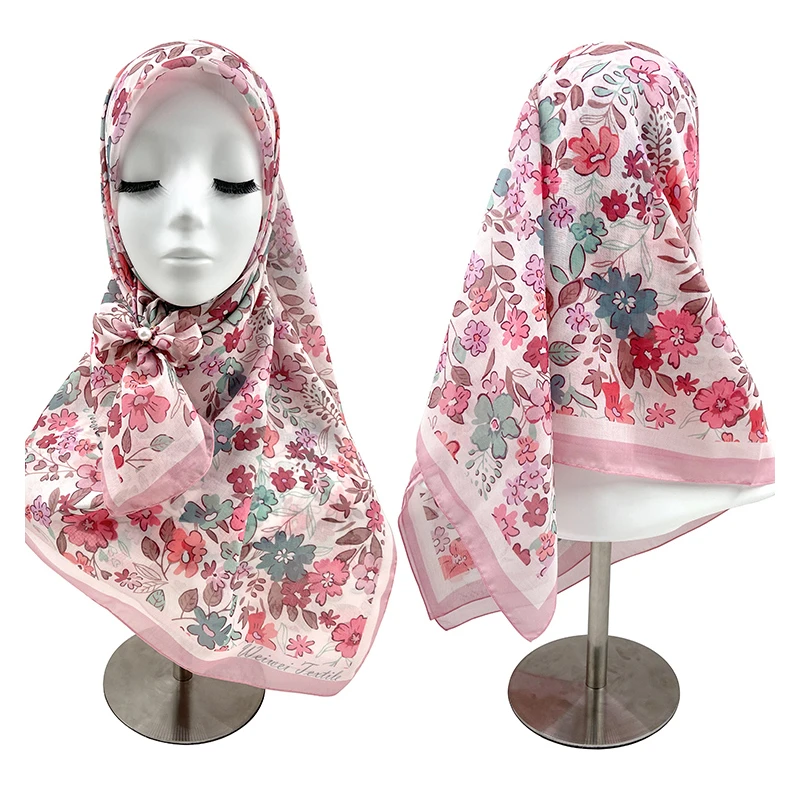
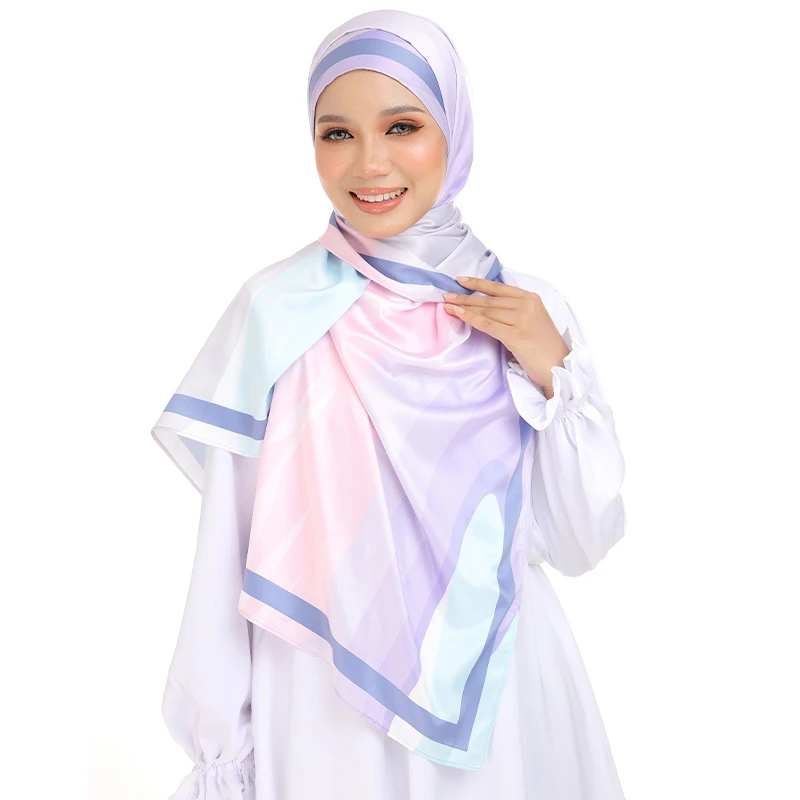
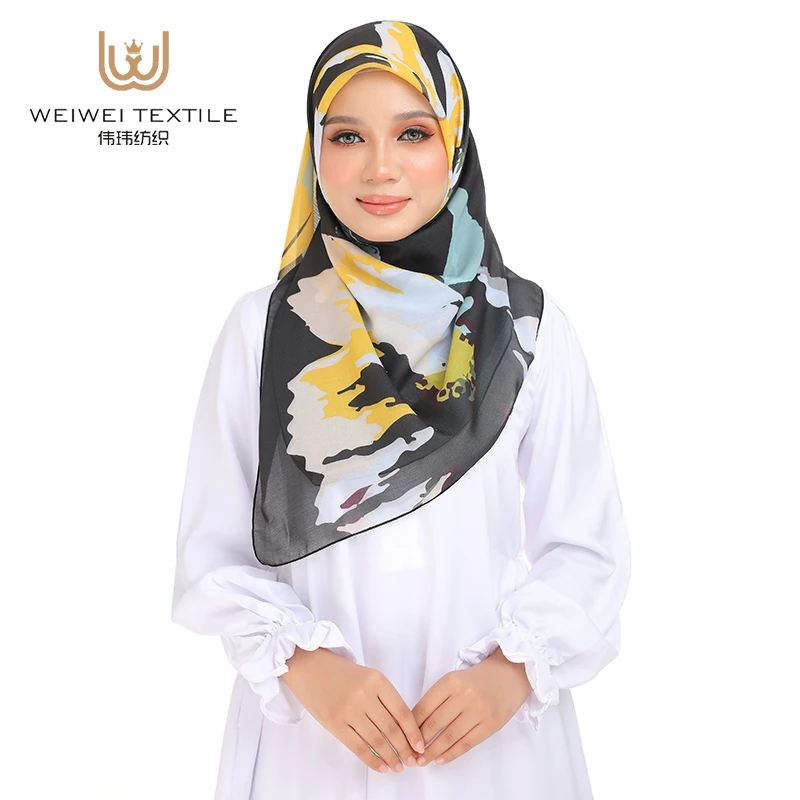
For women who prefer a classic shape, a satin silk square scarf can be folded diagonally and arranged around the head. Square scarves are easy to coordinate with different outfits and can create a neat, balanced silhouette. When choosing one for hijab use, check the measurements to ensure there is enough fabric for the intended coverage. The edges and stitching also matter, as neatly finished hems can improve the scarf's appearance and durability.
Comfort should remain a priority when choosing any headscarf. Lightweight fabric can be pleasant in warm weather, but the scarf should also provide the level of coverage the wearer prefers. Some satin fabrics may feel less breathable than other textiles, so the material composition and thickness are worth checking before buying. A suitable scarf should complement modest clothing while allowing the wearer to feel confident and comfortable throughout the day.
Choosing the Right Colors and Styles for Different Occasions
Color is an important part of headscarf styling because it can change the overall appearance of an outfit. Neutral shades offer flexibility, while brighter colors can add personality and visual interest. Muslim women have diverse preferences in clothing and head covering, and scarf selection often reflects individual taste, local traditions, seasonal fashion, and the occasion.
A satin scarf red can create a bold and elegant accent. Deep red, burgundy, and brighter red shades pair well with black, cream, beige, and other neutral clothing. For everyday use, a muted red can add color without making the outfit feel overly formal. For celebrations or family gatherings, a richer shade can create a more distinctive appearance. When coordinating a red scarf with patterned clothing, choosing one or two complementary colors can help maintain a balanced look.
A royal blue satin scarf offers another attractive option. Its deep, vivid color can complement white, gray, black, cream, and navy outfits. Royal blue can work well for daily wear as well as formal occasions, especially when paired with simple garments that allow the scarf to stand out. For a coordinated modest outfit, the scarf can be matched with a blue abaya or contrasted with a neutral-colored dress.
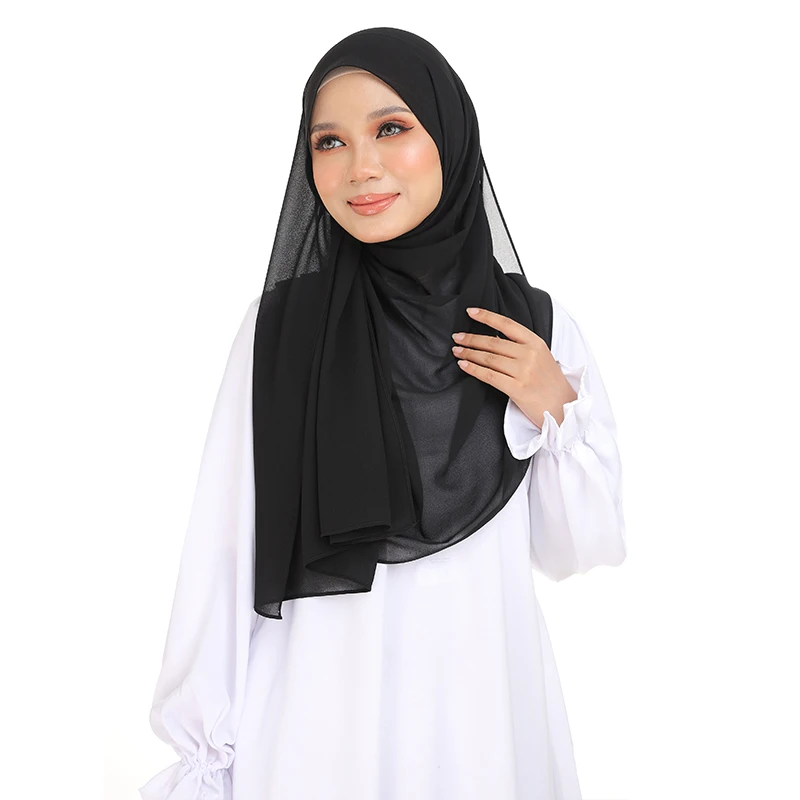
A silk satin scarf black hair can be a useful choice for women looking for a dark, versatile accessory that coordinates easily with different wardrobes. Black scarves can create a timeless appearance and work with both light and dark clothing. However, the best color depends on the wearer's personal preferences and intended styling. For women who want a softer contrast, charcoal, taupe, or deep brown may also be suitable alternatives.
When selecting a silk satin scarf for hair, it is useful to consider how the scarf will be worn. Some women use silk or satin scarves as part of their hair-care routine, while others wear them as visible head coverings or decorative accessories. For Muslim women using a scarf as hijab, size, coverage, and the ability to secure the fabric appropriately are particularly important. A scarf intended primarily to protect hair may be smaller than one designed to cover the head and shoulders, so product dimensions should be checked carefully.
For women who prefer a flowing, generous design, a silk satin shawl can provide additional fabric for draping around the head, neck, and shoulders, depending on its dimensions. Shawls can be coordinated with long dresses, abayas, and other modest garments to create a graceful silhouette. They are also useful for layering in cooler environments or adding a refined finish to an outfit for a formal gathering.
How to Style and Care for Silk Satin Headscarves
Styling a satin or silk headscarf begins with choosing a design that suits the desired level of coverage and the wearer's daily routine. For a simple everyday look, place the scarf over a comfortable undercap if needed, adjust it around the face, and arrange the ends according to personal preference. Use suitable pins or scarf magnets when necessary, taking care not to damage delicate fabric. The scarf should feel secure without causing discomfort or excessive pressure.
For work, shopping, or other daily activities, a solid-color scarf can be paired with a simple abaya, long dress, or coordinated modest outfit. Red and royal blue scarves can add a lively accent, while black and other neutral shades offer a more understated appearance. For special occasions, a silk satin scarf with a refined sheen can complement formal clothing without requiring many additional accessories. Choosing a style that is easy to adjust can also help the wearer maintain comfort throughout the day.
The term silk head scarf is commonly used for scarves made from silk, although products sold under this description may differ in fiber composition. Before purchasing, check whether the scarf is made from pure silk, a silk blend, or synthetic satin. This distinction can affect texture, price, breathability, care requirements, and overall performance. Reliable product descriptions should include the material, dimensions, color options, and washing instructions.
Proper care helps preserve the appearance and feel of satin and silk scarves. Always follow the manufacturer's care label, as natural silk and synthetic satin may require different cleaning methods. Delicate fabrics generally benefit from gentle handling, mild detergent when appropriate, and avoiding excessive rubbing or wringing. If ironing is permitted, use a low-temperature setting and consider placing a protective cloth between the iron and the scarf. Allow the scarf to dry according to its care instructions and store it away from sharp accessories that could snag the fabric.
It is also helpful to rotate scarves regularly, especially when they are worn every day. Keeping them clean and storing them properly can help maintain their color, shape, and finish. When choosing a scarf for daily hijab use, consider how easily it can be washed, how well it holds its shape, and whether its size meets your coverage needs.
Ultimately, satin and silk headscarves offer a combination of style and versatility for women who value modest fashion. From a vibrant satin scarf red to a refined royal blue satin scarf, a practical satin silk square scarf, or a flowing silk satin shawl, there are options for different wardrobes and occasions. By selecting the right material, dimensions, color, and styling method, Muslim women can find headscarves that complement their personal style while respecting the significance of hijab in their daily lives.
-
Weiwei Textile Factory's 25th Anniversary!🔥
NewsAug.05,2027
-
Xinji Weiwei Textile Factory to Exhibit at the 139th Canton Fair
NewsApr.15,2026
-
How to Choose the Best Satin Head Scarves for Muslim Women’s Everyday Modest Fashion
NewsNov.06,2026
-
How to Choose the Best Chiffon Scarves and Hijabs for Muslim Women’s Everyday Wear
NewsNov.06,2026
-
How to Choose the Best Malaysia Hijab for Everyday Modest Fashion and Traditional Head Covering
NewsNov.06,2026
-
How to Choose Premium Cotton Voile for Muslim Headscarves and Traditional Head Wraps
NewsNov.06,2026