Nov . 06, 2026 14:37 Back to list
How to Choose the Best Chiffon Scarves and Hijabs for Muslim Women’s Everyday Wear
Chiffon scarves and hijabs are popular choices for Muslim women who want to combine modest dressing with comfort, elegance, and personal style. In many Muslim communities, covering the head is an important expression of faith, modesty, cultural identity, and individual preference. From everyday activities to religious gatherings, family celebrations, and formal occasions, a well-designed headscarf can complement different outfits while providing the coverage the wearer prefers.
Lightweight chiffon is especially appreciated for its flowing appearance, soft drape, and versatility. It can be wrapped around the head and shoulders in different ways, making it suitable for contemporary hijab styles as well as traditional head-covering practices. With a wide selection of colors, prints, and fabric finishes available, chiffon scarves can meet the needs of women who prefer understated everyday accessories or more decorative styles for special events.
For fashion brands, textile manufacturers, wholesalers, and retailers serving the Muslim fashion market, understanding the characteristics of different chiffon scarf styles is essential. Products such as chiffon evening shawl, chiffon georgette hijabs, and printed fashion scarves offer opportunities to develop collections that combine attractive designs with practical wearability.

1. Why Chiffon Scarves Are Popular for Muslim Head Coverings
Chiffon is a lightweight fabric known for its airy appearance and graceful drape. Depending on its fiber composition and construction, it can create a soft, flowing effect that works well for headscarves, shawls, and modest fashion accessories. Chiffon may be made from polyester, silk, or other fibers, so buyers should check the material specifications before purchasing.
For Muslim women who wear hijabs as part of their everyday routine, fabric selection can influence comfort, styling, and coverage. A lightweight scarf is convenient to fold and arrange, while its flowing texture can create elegant layers around the head and shoulders. However, chiffon is often relatively sheer and slippery, so some wearers may prefer an inner cap, suitable pins, or a denser fabric when additional coverage and stability are desired.
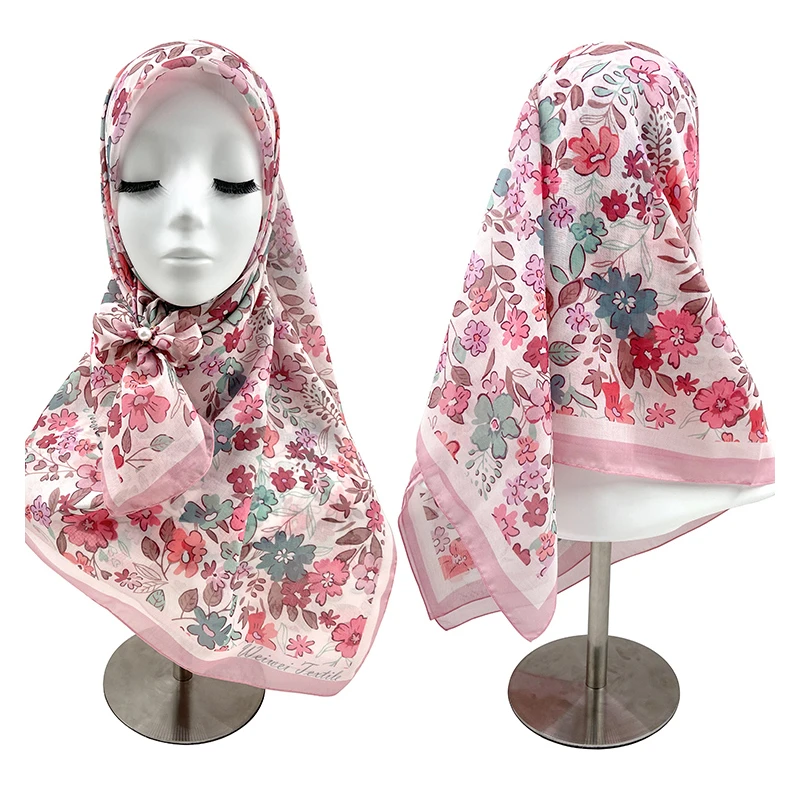
A chiffon fabric scarf can be styled in several ways depending on its dimensions and the wearer's preferences. Rectangular scarves allow for different wrapping techniques, while square designs can create a neat, structured appearance. Some women prefer a simple wrap for work or study, while others choose more layered styles for social gatherings and formal occasions.
Comfort is particularly important in warm climates. Lightweight chiffon may feel less bulky than heavier fabrics, making it an appealing option for women who want an elegant head covering without excessive fabric weight. The overall experience still depends on breathability, lining, fiber content, and how closely the scarf is wrapped.
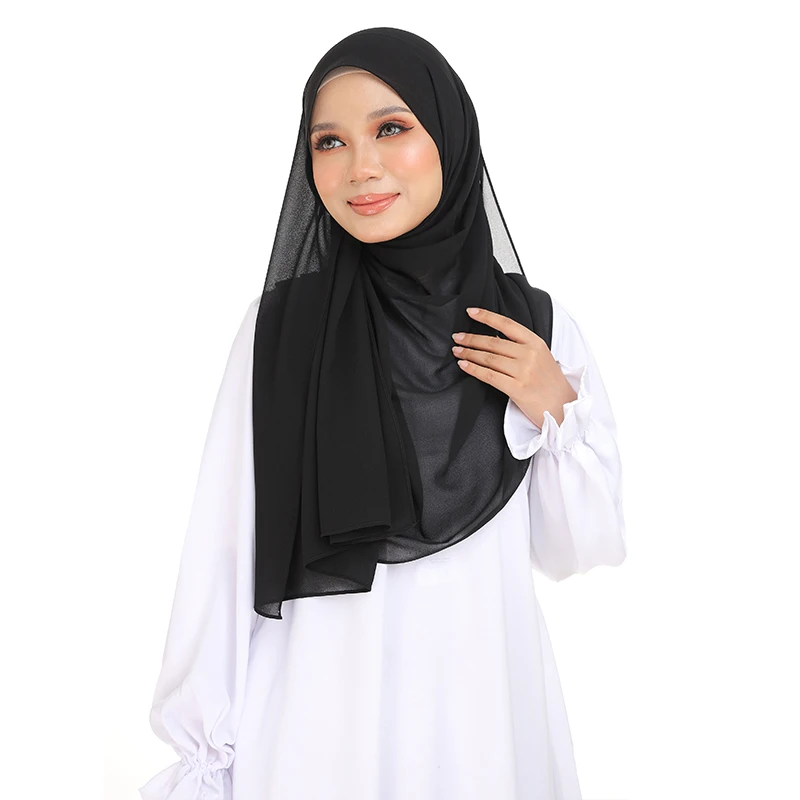
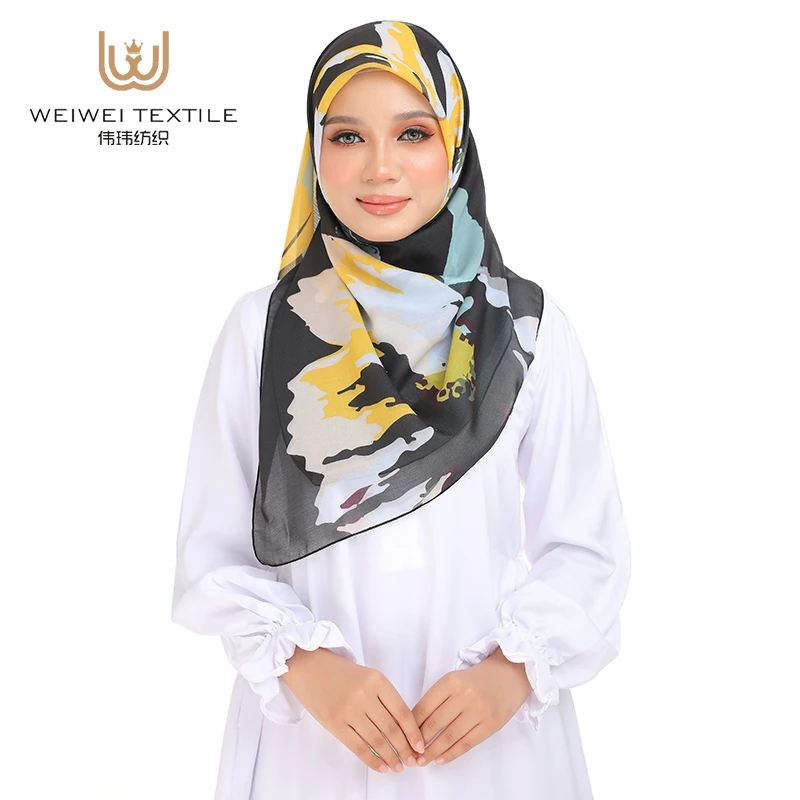
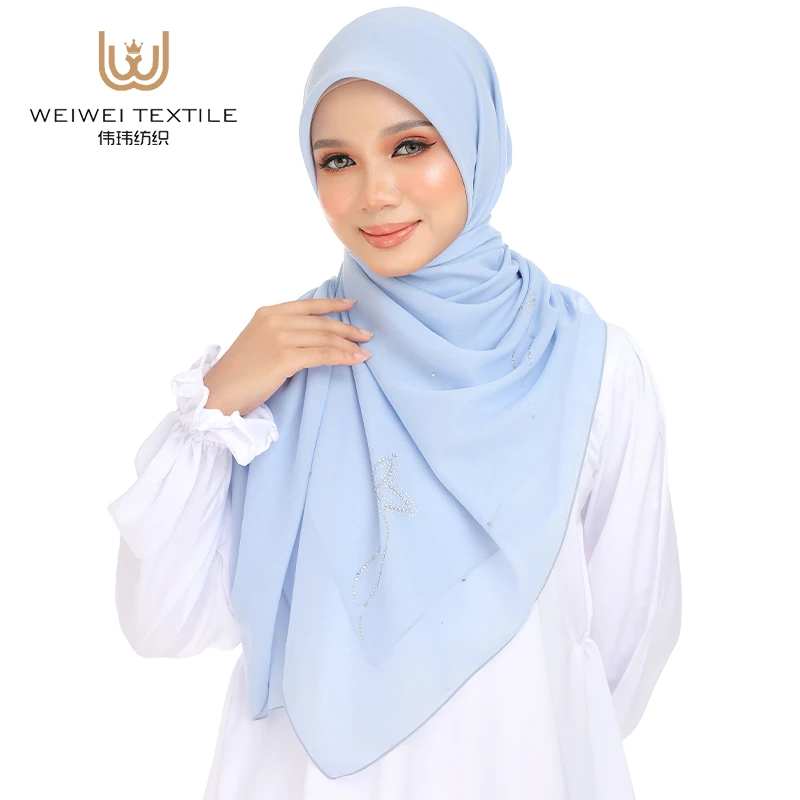
Color is another important factor in selecting a suitable headscarf. A chiffon blue scarf can provide a versatile addition to a hijab wardrobe, with shades ranging from pale sky blue and dusty blue to navy and royal blue. Light blue tones can complement neutral outfits and soft pastels, while darker blues may coordinate well with formal clothing, abayas, and long dresses.
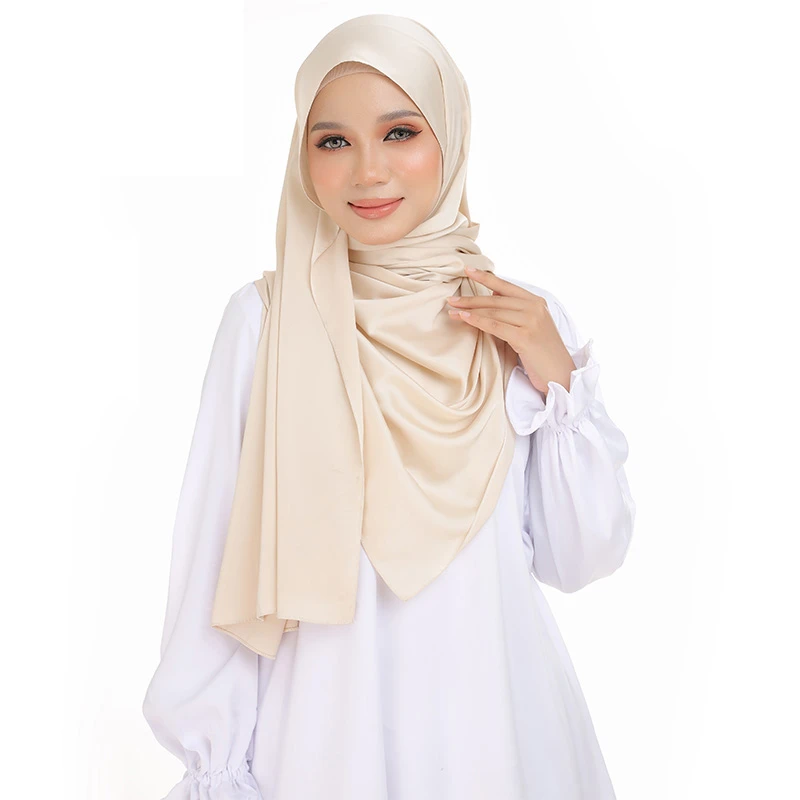
Neutral colors such as black, beige, white, gray, and cream are also useful for everyday wear because they can match many outfits. Meanwhile, brighter colors and decorative prints help women express their personal style while maintaining their preferred approach to modest dressing.
For occasions that call for a more refined appearance, a chiffon evening shawl can offer a graceful finishing touch. Its flowing texture works well with formal dresses, occasion wear, and elegant modest outfits. Depending on the design, it may be wrapped around the head and shoulders or arranged as an additional layer over an outfit. Women who require full head coverage should select a shape and size that suit their preferred hijab style.
Ultimately, chiffon scarves are valued for their flexibility. With appropriate fabric selection and styling, they can serve as everyday head coverings, fashion accessories, and elegant additions to special-occasion wardrobes.
2. Different Chiffon Scarf Styles, Patterns, and Fabric Options
The chiffon scarf market includes a variety of designs suited to different lifestyles and styling preferences. Understanding these options can help consumers select the right product and help businesses create collections for different customer groups.
Chiffon georgette hijabs are an option for consumers who appreciate textured fabrics and a flowing appearance. Chiffon and georgette are related lightweight fabric categories, but they are not identical. Georgette typically has a slightly grainy or crepe-like surface, whereas chiffon often appears smoother and more delicate. Their exact texture, opacity, and drape depend on the fibers and manufacturing process.
For hijab wearers, georgette-style materials may offer a different feel and appearance from smooth chiffon. Buyers should compare samples to evaluate how easily the fabric wraps, whether it stays in place, and how much coverage it provides. Both styles can be used for everyday modest fashion or more formal looks, depending on the fabric weight, color, and finish.
A chiffon georgette scarf can also be a versatile accessory for women who enjoy styling scarves in multiple ways. It can be paired with long dresses, tunics, abayas, and other modest clothing. Solid colors provide a simple and coordinated appearance, while printed options offer a more distinctive look.
Another category is the chiffon infinity scarf, which features a continuous loop rather than two separate ends. This construction may make the scarf convenient for wearers who prefer a quick, uncomplicated styling process. Depending on its dimensions and design, an infinity scarf can be wrapped around the neck or arranged over the head. Muslim consumers who want to use this style as a hijab should check whether the product provides the required coverage and fits their preferred wrapping method.
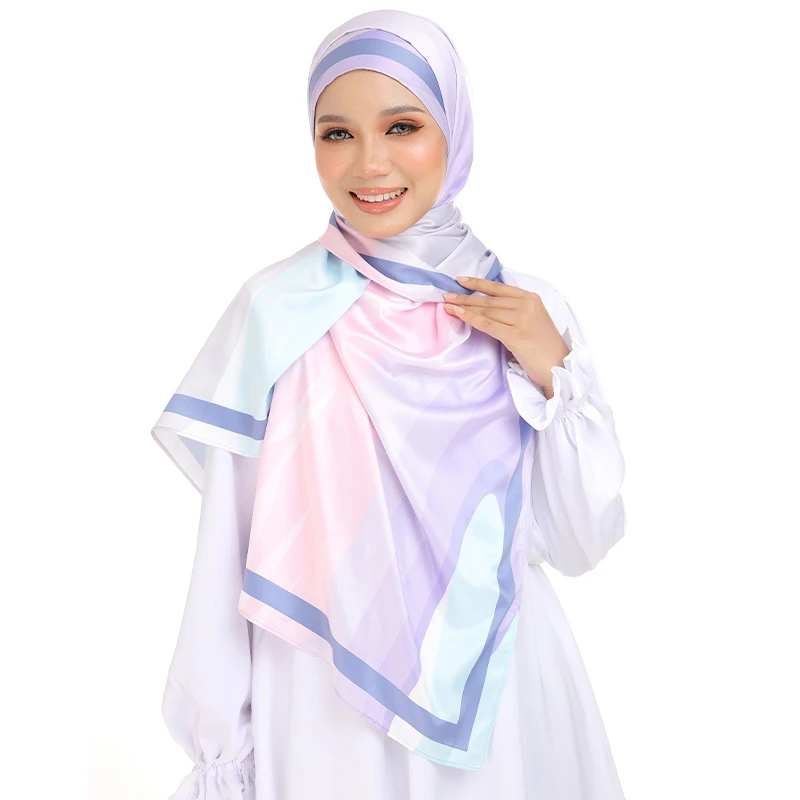
For more expressive fashion, a chiffon leopard scarf offers an animal-print design that can add visual interest to a simple outfit. Leopard patterns are often available in traditional brown and black combinations, as well as contemporary color variations. When paired with neutral clothing, a patterned scarf can become the focal point of an outfit without requiring many additional accessories.
A chiffon finger scarf is another search term that may appear in product listings. Because the phrase does not identify one universally standardized scarf construction, buyers should confirm the seller's intended design, dimensions, and wearing method. Reviewing product photographs and specifications helps ensure that the item suits the intended use as a head covering or fashion accessory.
When choosing among these styles, consumers should consider several practical factors:
Fabric texture: Smooth chiffon and crepe-textured georgette provide different appearances and handling characteristics.
Coverage and opacity: A sheer scarf may need an inner cap or additional layers to provide the wearer's preferred coverage.
Shape and dimensions: Rectangular, square, and infinity designs support different wrapping methods.
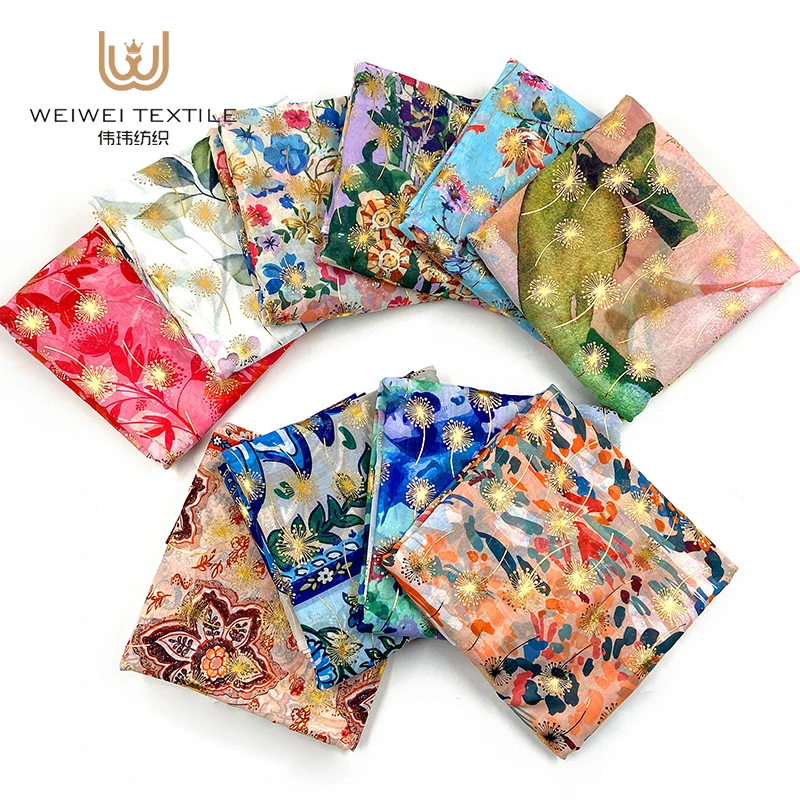
Color and pattern: Solid colors are versatile, while floral, geometric, and animal prints create more distinctive looks.
Ease of styling: Some designs are better suited to quick daily routines, while others offer greater flexibility for layered styling.
Care requirements: Washing and ironing instructions depend on the scarf's fiber composition and finishing.
By comparing these features, shoppers can choose a scarf that matches their wardrobe, daily routine, and personal approach to modest fashion.
3. How to Select Quality Chiffon Hijabs for Everyday and Special Occasions
Choosing a high-quality chiffon hijab involves evaluating material, construction, comfort, and suitability for the intended market. For individual consumers, these factors influence how a scarf feels and looks during wear. For manufacturers, wholesalers, and retailers, they also affect customer satisfaction, product consistency, and repeat purchases.
The first step is to confirm the fiber composition. Some chiffon scarves are made from polyester, while others use silk or blended fibers. These materials can differ in softness, breathability, durability, price, and maintenance. Accurate labeling helps customers make informed purchasing decisions and prevents confusion between products that share a similar appearance.
Next, examine the fabric's surface and construction. The weave should be reasonably consistent, with no obvious snags, holes, or irregularities. Edges should be neatly finished, and stitching should be secure. For printed scarves, check the clarity of the pattern and the consistency of the colors. These details are particularly important for businesses purchasing large quantities for retail distribution.
Comfort and styling should also be considered. A scarf intended for everyday use should be easy to arrange and suitable for extended wear. Those who prefer chiffon georgette hijabs may prioritize texture and drape, while shoppers looking for a chiffon blue scarf may focus on color coordination and versatility. Customers choosing a chiffon evening shawl may place greater emphasis on elegant finishing and suitability for formal outfits.
For Muslim head coverings, coverage is an especially important consideration. Because chiffon can be sheer, buyers should check how the material looks in natural and indoor lighting. Depending on individual preferences and local customs, a wearer may choose a less transparent fabric, layer the scarf, or use an appropriate inner cap. Product descriptions should communicate these characteristics clearly.
Care instructions can influence long-term value. Many synthetic chiffon scarves benefit from gentle washing, careful handling, and low-temperature ironing when permitted by the care label. Silk chiffon may require more specialized care. Following the manufacturer's instructions can help preserve the scarf's appearance and reduce the risk of damage.
For textile businesses, offering a balanced collection can appeal to a wider audience. Everyday products may feature practical colors, comfortable dimensions, and easy-care materials, while occasion-focused collections can include elegant shades, textured georgette, and decorative prints. Including options such as chiffon infinity scarf and chiffon leopard scarf designs can further diversify the product range, provided their construction meets the needs of the intended customer.
Cultural awareness is equally important. Muslim women have diverse preferences shaped by personal style, local traditions, climate, and the occasions for which they wear head coverings. Businesses should avoid assuming that one scarf design suits every customer. Instead, offering different shapes, colors, fabrics, and coverage options can help serve a broader range of needs.
In conclusion, chiffon scarves provide versatile choices for Muslim women seeking head coverings that combine modesty, comfort, and elegant styling. From the refined appearance of a chiffon evening shawl to the distinctive look of a chiffon leopard scarf, each design offers different possibilities for everyday wear and special occasions. By selecting suitable materials, checking fabric quality, and considering coverage and care requirements, consumers and businesses can find chiffon scarves that support personal expression while respecting diverse Muslim dressing traditions.
-
Weiwei Textile Factory's 25th Anniversary!🔥
NewsAug.05,2027
-
Xinji Weiwei Textile Factory to Exhibit at the 139th Canton Fair
NewsApr.15,2026
-
How to Choose the Best Satin Head Scarves for Muslim Women’s Everyday Modest Fashion
NewsNov.06,2026
-
How to Choose the Best Malaysia Hijab for Everyday Modest Fashion and Traditional Head Covering
NewsNov.06,2026
-
How to Choose Premium Cotton Voile for Muslim Headscarves and Traditional Head Wraps
NewsNov.06,2026