Nov . 06, 2026 14:33 Back to list
How to Choose Premium Cotton Voile for Muslim Headscarves and Traditional Head Wraps
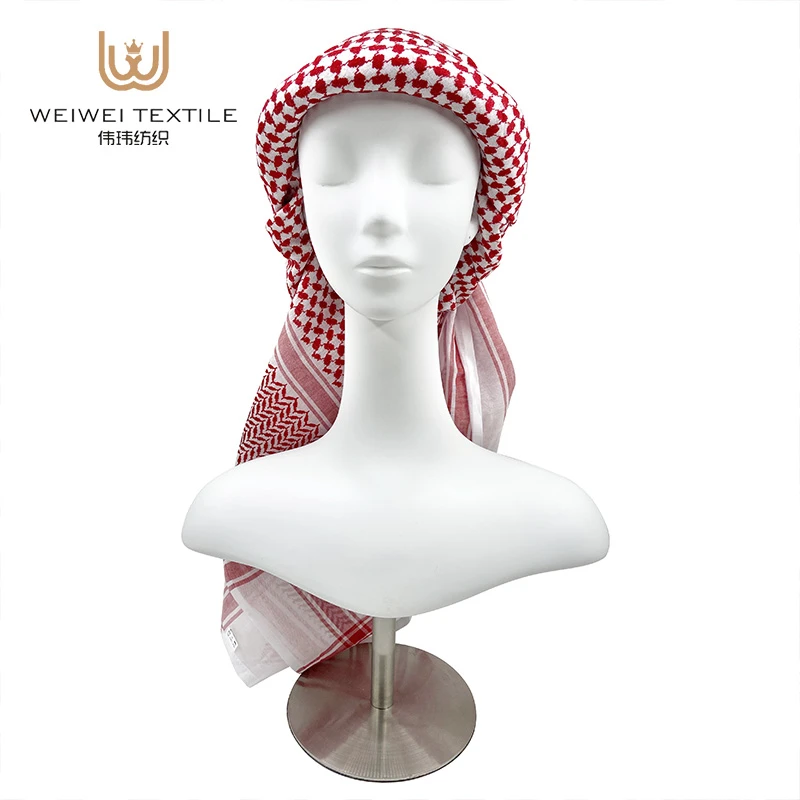
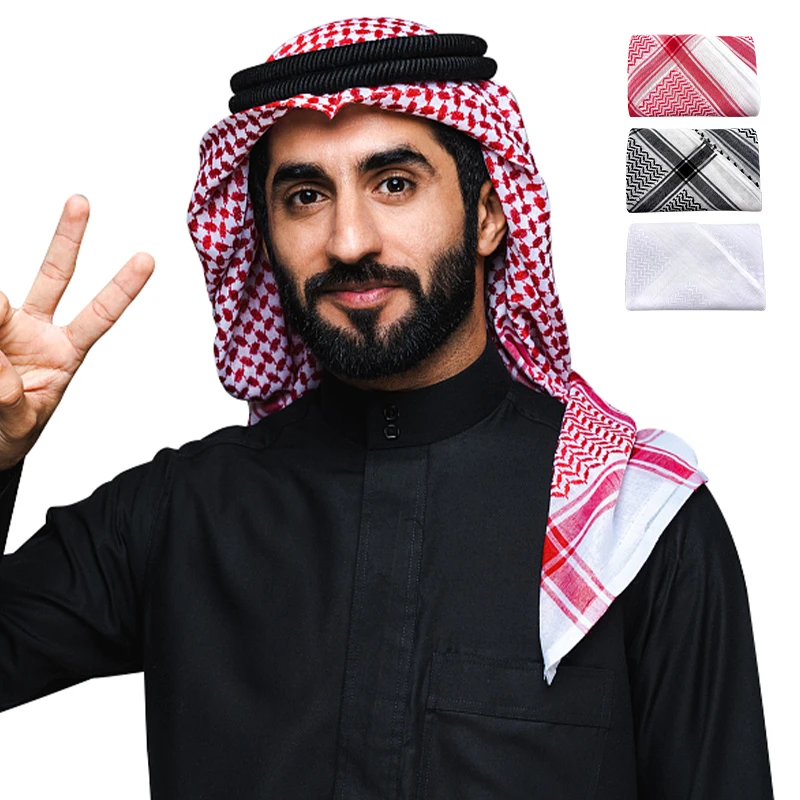
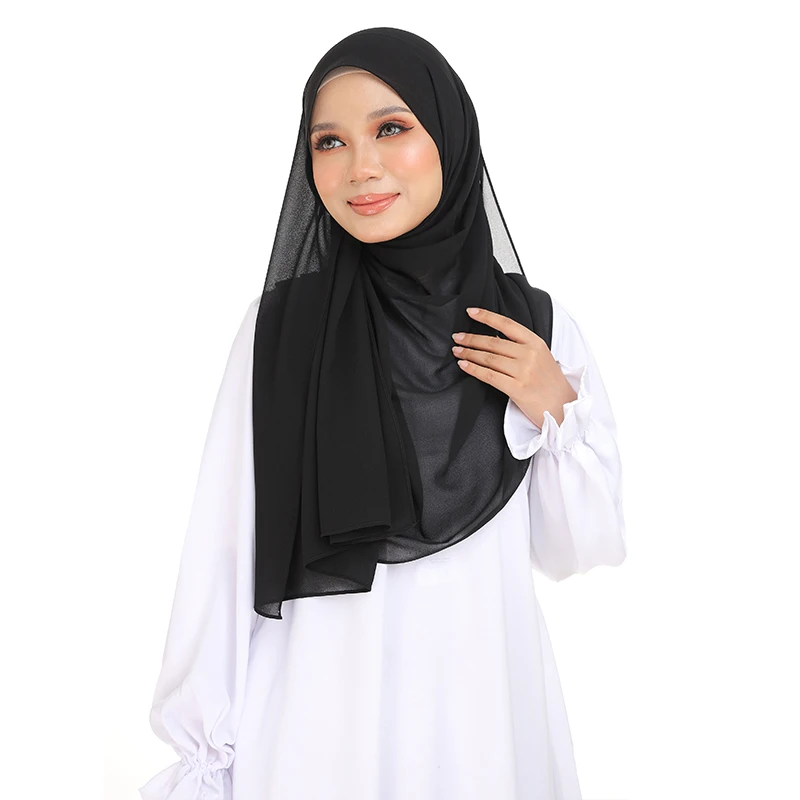
Premium cotton voile has become a popular fabric choice for Muslim headscarves, traditional head wraps, and modest fashion accessories because of its lightweight texture, breathable construction, and elegant drape. In many Muslim communities, covering the head is an important expression of faith, modesty, cultural identity, and personal style. From everyday hijabs to traditional garments such as the Malaysian bawal scarf and Sudanese toub, choosing the right fabric helps ensure comfort, beauty, and practicality.
For textile manufacturers, wholesalers, importers, and fashion retailers, understanding the characteristics of premium voile is essential when developing products for Muslim consumers. Different markets have different preferences for fabric thickness, softness, transparency, colors, and patterns. High-quality voile fabrics can meet these varied needs while providing flexibility for everyday wear, religious occasions, travel, and special celebrations.
Whether buyers are searching for premium cotton voile, ultrafine materials, or fashionable voile blends, evaluating fabric quality and suitability is the first step toward building a successful headscarf collection.

1. Understanding Premium Cotton Voile for Everyday Muslim Headscarves
Cotton voile is a lightweight woven fabric typically made from fine cotton yarns. Its airy structure and soft texture make it suitable for scarves and head coverings that need to feel comfortable during extended wear. Compared with heavier fabrics, voile is generally easier to fold, drape, and arrange around the head, allowing wearers to create different styles according to personal preferences and cultural traditions.
premium cotton voile is particularly attractive to buyers who prioritize softness, breathability, and a refined appearance. Depending on yarn quality, weave density, finishing, and fabric weight, premium voile products can offer a smooth surface and graceful drape. For Muslim women who wear headscarves daily, these characteristics can make a meaningful difference in the overall wearing experience.
The term cotton premium voile is commonly used in product searches to describe higher-grade voile made with cotton fibers. However, the word “premium” is not a standardized technical grade. Buyers should evaluate actual specifications, including fiber composition, fabric weight, weave consistency, finishing quality, and durability, instead of relying on the product name alone.
Similarly, cotton voile premium is another search phrase used by buyers looking for refined voile fabrics for headscarves and apparel. When sourcing this material, businesses should consider how the fabric behaves during folding and wrapping. A good headscarf fabric should be easy to arrange, comfortable against the skin, and suitable for the intended level of coverage.
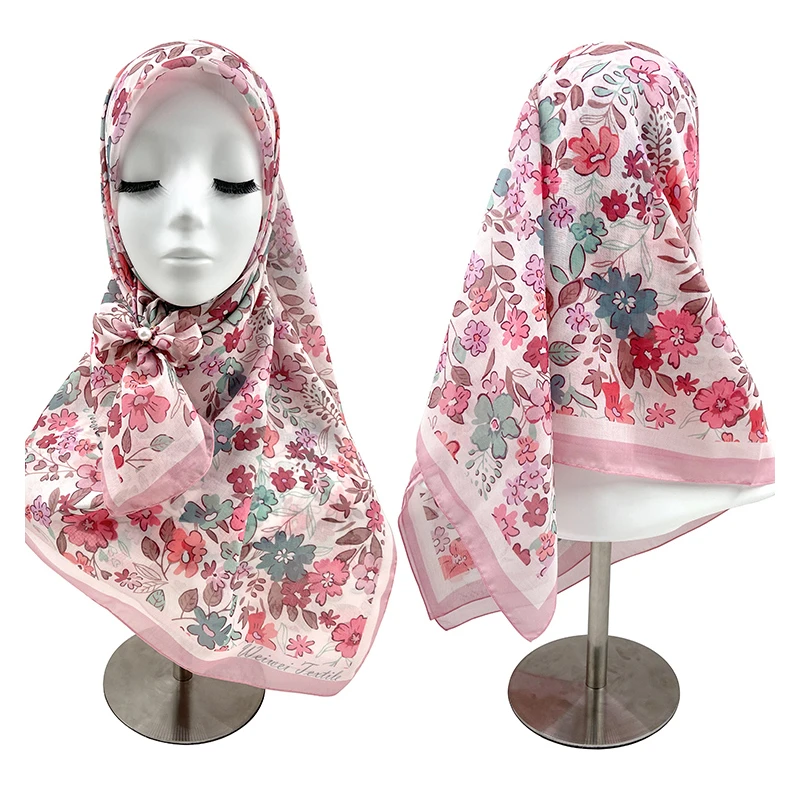
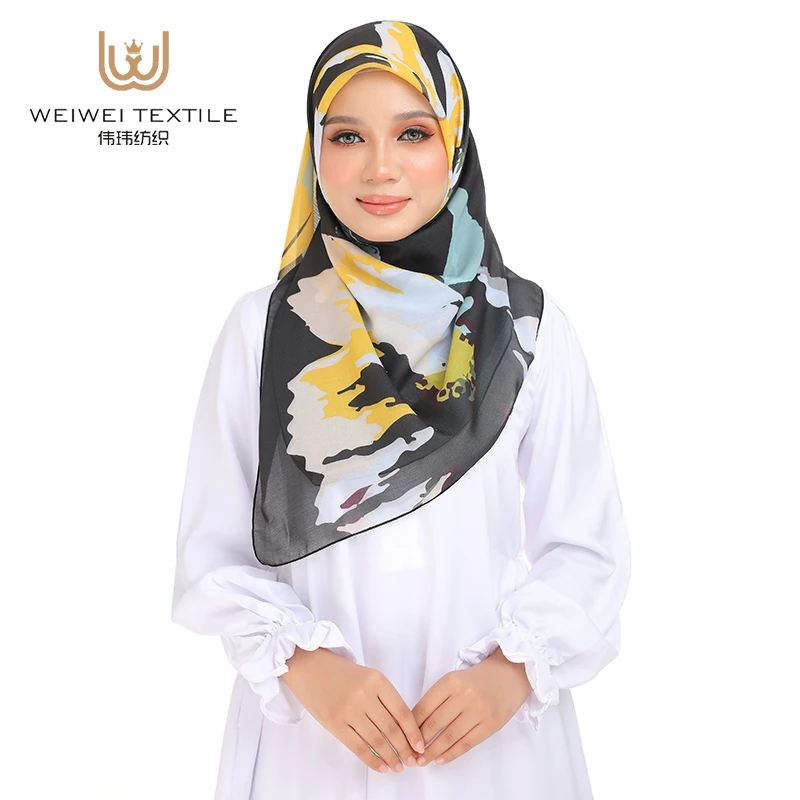
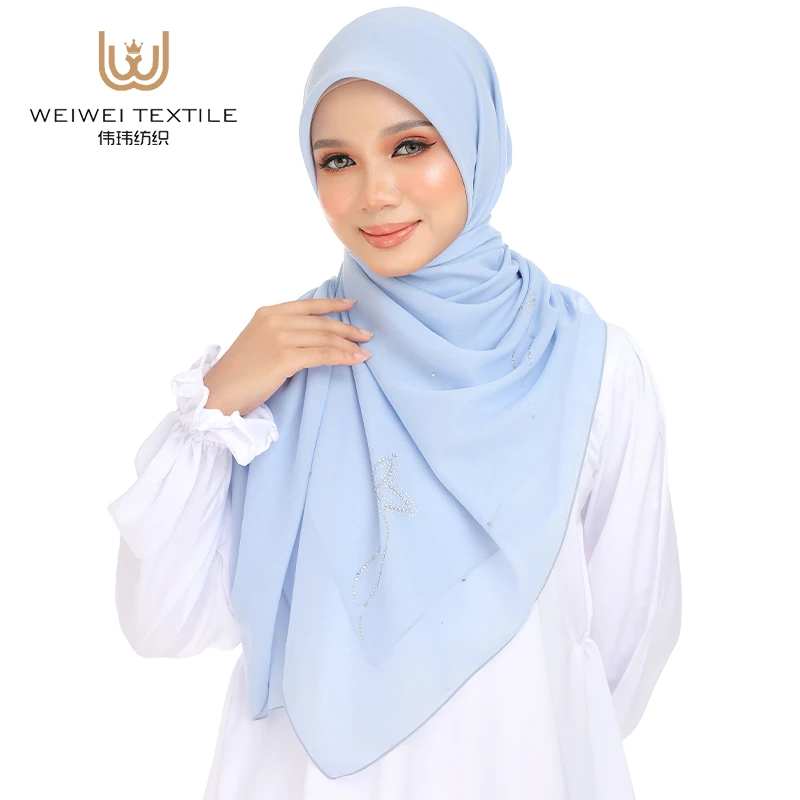
For Malaysian and Southeast Asian markets, bawal premium cotton voile is especially relevant to square headscarves commonly known as bawal. These scarves are widely associated with everyday hijab styling and can be worn for work, study, shopping, family gatherings, and religious activities. A lightweight cotton voile bawal can offer a comfortable alternative for consumers who prefer natural-fiber fabrics and a neat, understated appearance.
The ideal fabric should balance lightness with sufficient coverage. Because voile can be relatively sheer depending on its construction, some wearers may prefer a slightly denser weave, darker colors, or multiple layers. Suppliers should clearly communicate the fabric's transparency and recommend that buyers assess samples under different lighting conditions.
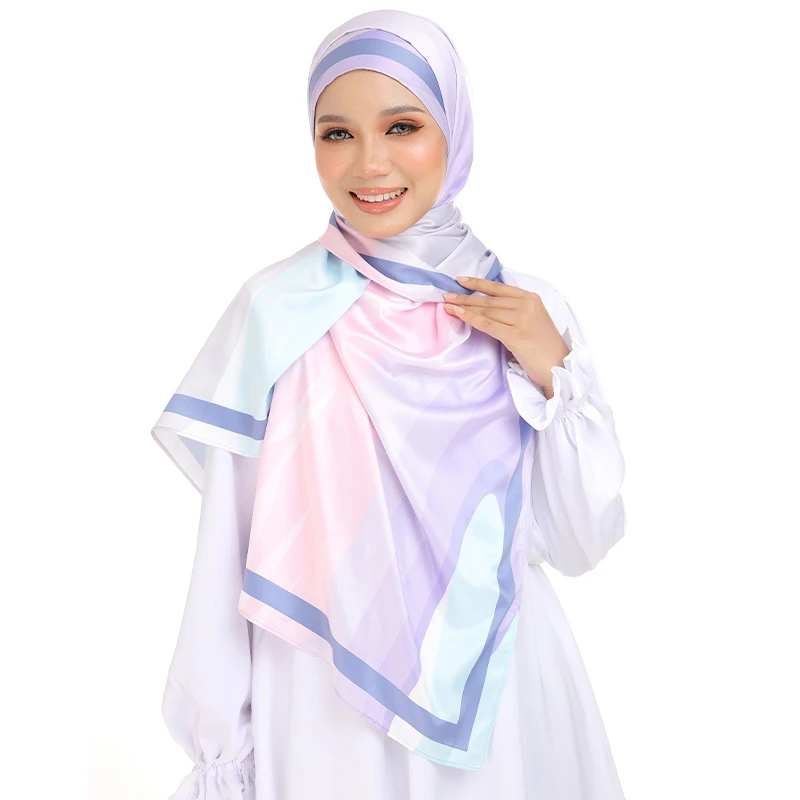
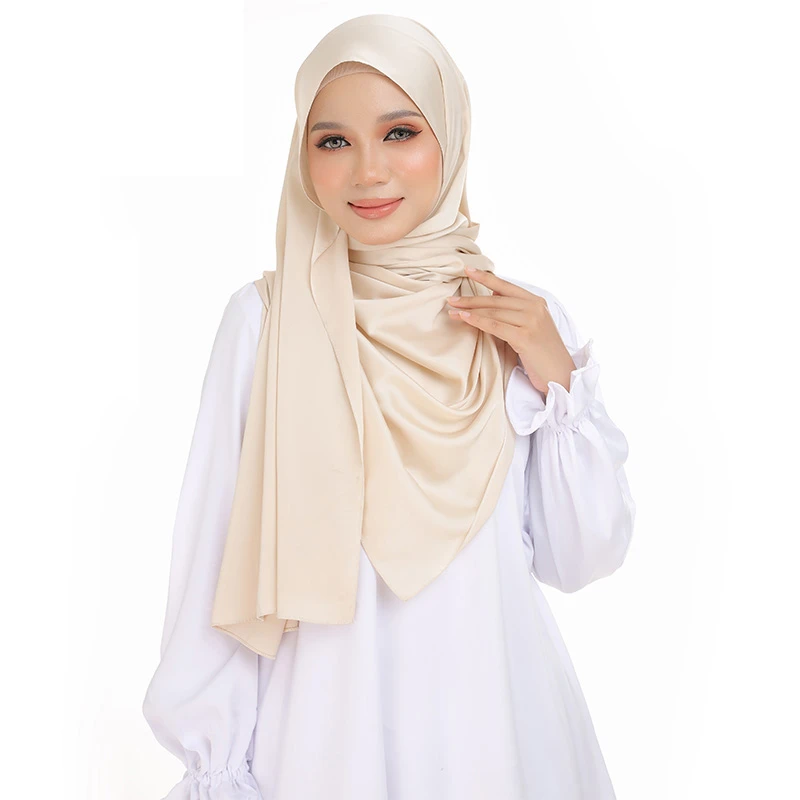
For everyday use, color selection is also important. Neutral shades such as beige, black, cream, and gray can coordinate easily with different outfits, while pastel colors and brighter tones allow consumers to express their individual styles. By combining suitable fabric quality with versatile colors, manufacturers can develop collections that meet the needs of diverse Muslim consumers.
2. Types of Premium Voile Fabrics, Materials, and Design Options
Understanding jenis cotton voile meaning types of cotton voile in Malay and Indonesian usage, helps buyers compare available fabric options and select products for specific applications. Cotton voile can vary in yarn fineness, weave density, softness, weight, finishing, and printed design. These differences influence the fabric's appearance, handling, and suitability for particular head-wrap styles.
For example, a softer voile with a fluid drape may be suitable for loose, relaxed head coverings, while a fabric with a firmer structure may work better for square scarves that require a neat shape. Buyers should compare physical samples because product descriptions alone may not accurately communicate these differences.
kain cotton voile premium is a useful search term for premium cotton voile fabric in Malay and Indonesian-speaking markets. When sourcing these products, importers should confirm whether the fabric is 100% cotton or a blend. They should also check fabric width, weight, colorfastness, shrinkage, and washing requirements. These details are particularly important for businesses supplying retailers that expect consistent product specifications.
For consumers who prefer especially fine textures, kain ultrafine voile premium refers to searches for premium ultrafine voile fabric. Ultrafine constructions may provide a delicate hand feel and lightweight appearance, although their actual performance depends on the yarn and weaving specifications. Extremely fine fabrics may also be more transparent or delicate, so durability and coverage should be evaluated before large-scale purchasing.
The term ultrafine voile premium is similarly associated with fine, lightweight voile options. These materials may appeal to brands creating elegant scarves and refined modest fashion accessories. However, a lighter fabric is not automatically better for every application. Head coverings intended for hot weather may benefit from a breathable construction, while customers seeking more coverage may prefer a denser fabric or a layered design.
Another option is premium chiffon voile, which may refer to chiffon-like voile or a supplier-specific lightweight fabric category. Chiffon and cotton voile are not necessarily the same material. Chiffon is typically characterized by a flowing, lightweight structure and may be made from polyester, silk, or other fibers, whereas cotton voile is generally a lightweight cotton woven fabric. Buyers should verify the fiber content and construction to ensure that the material matches their intended product requirements.
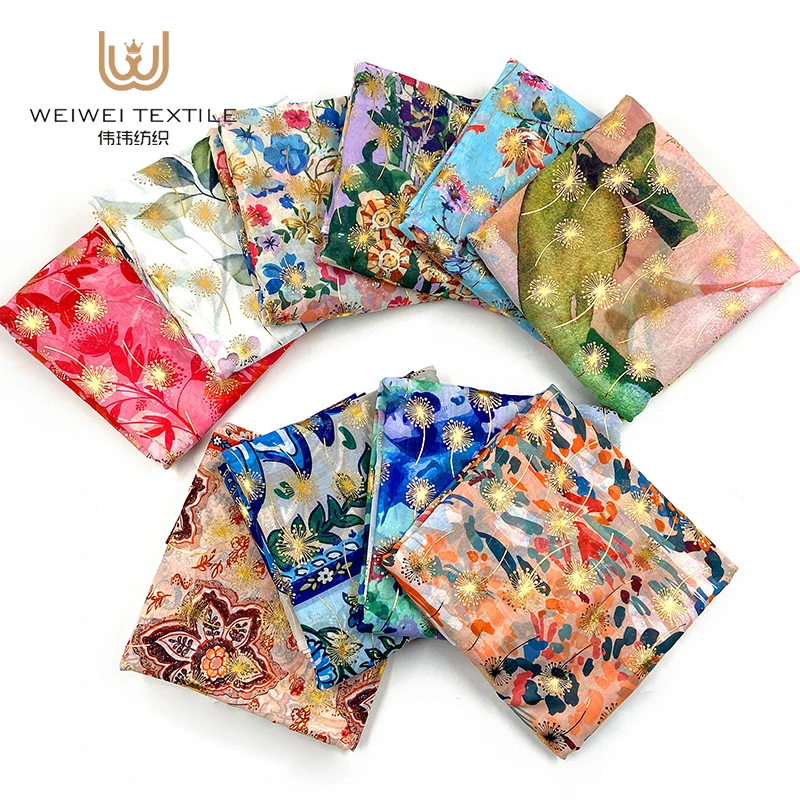
Premium voile fabrics are available in solid colors, floral prints, geometric patterns, and other decorative designs. For traditional head wraps, printed materials can help reflect local fashion preferences and cultural heritage. For modern hijab collections, minimalist designs and coordinated color palettes may be more suitable.
When comparing different fabric types, buyers should consider the following factors:
Softness and comfort: The fabric should feel pleasant against the skin during extended wear.
Breathability: A lightweight, airy construction can be useful in warm and humid climates.
Coverage: Transparency should match the expectations of the target market and intended wearing style.
Drape and shape retention: The fabric should support the desired scarf style without becoming difficult to arrange.
Durability: Weave quality, stitching, colorfastness, and care requirements affect the product's service life.
Design flexibility: A suitable range of colors and prints helps retailers serve different customer preferences.
By understanding these characteristics, wholesalers and manufacturers can choose materials that balance appearance, comfort, and practical performance.
3. Sourcing Premium Voile for Global Muslim Fashion Markets
Selecting a reliable fabric supplier is essential for businesses serving Muslim headscarf and modest fashion markets. Importers, wholesalers, garment manufacturers, and textile distributors should look beyond product names and focus on consistent specifications, reliable communication, customization options, and quality control.
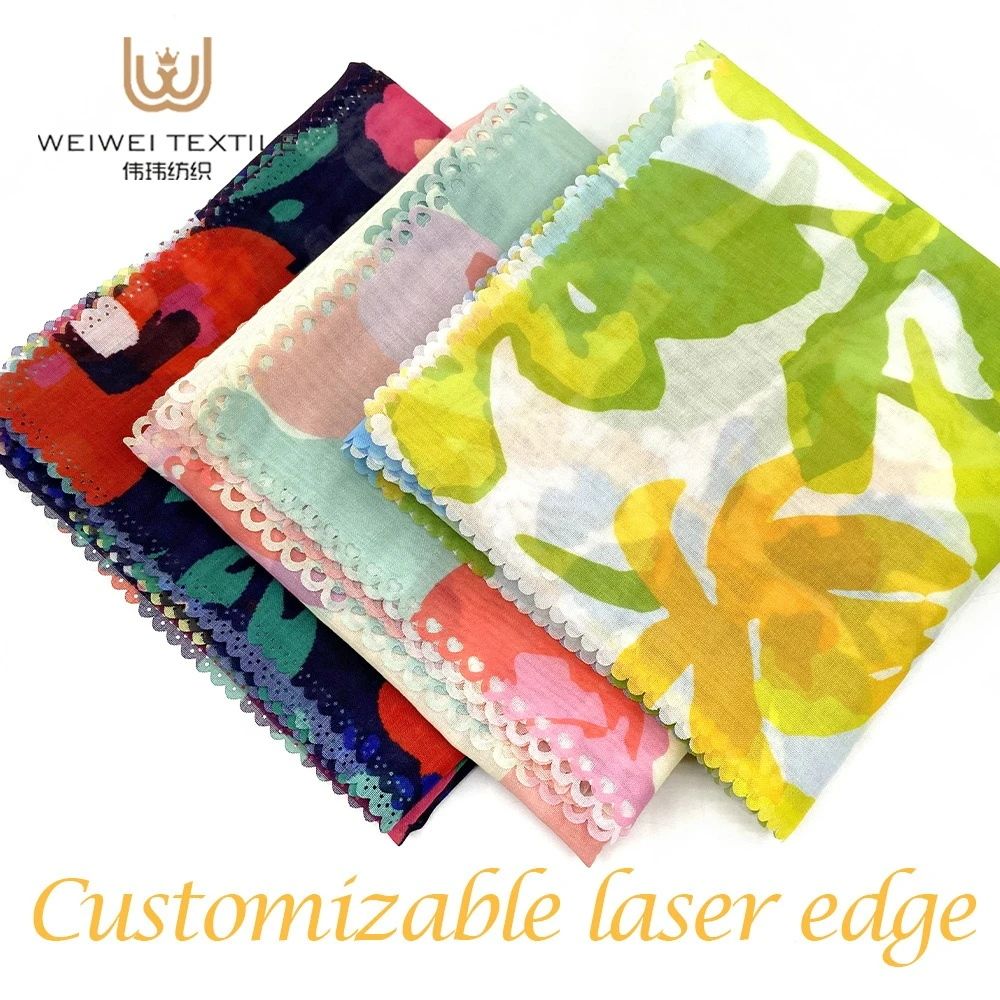
When purchasing bawal premium cotton voile, buyers should confirm the required scarf dimensions, fabric composition, color range, and finishing details. Square scarves may require specific dimensions and edge treatments to achieve the desired appearance. If the fabric will be sold as a finished headscarf, buyers should also consider hemming quality, packaging, labeling, and presentation.
For bulk orders of premium cotton voile, it is advisable to request samples before confirming production. Samples allow buyers to examine softness, transparency, drape, and color under natural and indoor lighting. Washing tests can also help identify shrinkage, fading, or changes in texture. Once a sample has been approved, recording its specifications can make future repeat orders more consistent.
Businesses sourcing kain cotton voile premium for Southeast Asian markets may benefit from offering a broad selection of colors and designs suitable for everyday hijab use. Retailers serving other Muslim communities may require different fabric weights, patterns, or dimensions according to local traditions. Understanding the target market is therefore just as important as choosing the fabric itself.
Product information should be clear and accurate. Suppliers should state whether a product is cotton, a cotton blend, or a synthetic fabric, and avoid describing chiffon as cotton voile unless its composition supports that claim. Where organic materials or special certifications are advertised, appropriate documentation should be available.
For international buyers, additional considerations include minimum order quantities, production lead times, packaging standards, shipping arrangements, and the supplier's ability to maintain consistent colors across batches. Reliable communication is particularly valuable when developing custom prints or coordinating fabric production with seasonal retail schedules.
Cultural understanding can also help businesses create better product collections. Muslim consumers are not a single uniform market: preferences vary across countries, communities, age groups, climates, and personal styles. Some customers prefer traditional square bawal scarves, while others choose rectangular hijabs, shawls, or fabrics for regional head-wrapping traditions. Offering a thoughtful combination of classic and contemporary options can help retailers serve these different needs.
Proper care instructions are another important part of product quality. Depending on the fabric composition and finishing, gentle washing, suitable detergents, and moderate ironing temperatures may help preserve softness and appearance. Customers should always follow the care label provided with the specific product.
In conclusion, premium voile fabrics offer valuable opportunities for businesses developing Muslim headscarves and traditional head wraps. By understanding jenis cotton voile, comparing ultrafine voile premium options, and carefully evaluating premium cotton voile quality, buyers can select products that combine comfort, attractive styling, and practical performance. With accurate specifications, reliable sourcing, and respect for regional clothing traditions, textile suppliers can build collections that meet the evolving needs of global Muslim fashion markets.
-
Weiwei Textile Factory's 25th Anniversary!🔥
NewsAug.05,2027
-
Xinji Weiwei Textile Factory to Exhibit at the 139th Canton Fair
NewsApr.15,2026
-
How to Choose the Best Satin Head Scarves for Muslim Women’s Everyday Modest Fashion
NewsNov.06,2026
-
How to Choose the Best Chiffon Scarves and Hijabs for Muslim Women’s Everyday Wear
NewsNov.06,2026
-
How to Choose the Best Malaysia Hijab for Everyday Modest Fashion and Traditional Head Covering
NewsNov.06,2026