Nov . 06, 2026 14:29 Back to list
How to Choose the Best Cotton Voile Fabric for Muslim Head Wraps and Everyday Traditional Wear
Cotton voile fabric is a popular choice for lightweight, breathable, and comfortable head coverings, especially among Muslim communities where head wrapping is an important part of daily dress, cultural identity, and personal style. From traditional Sudanese toub to everyday headscarves and modest fashion accessories, the right fabric can make a significant difference in comfort, appearance, and ease of wearing. With its soft texture, airy structure, and elegant drape, japanese cotton voile and other high-quality cotton voile materials offer excellent options for creating beautiful head wraps suitable for different climates and occasions.
For manufacturers, wholesalers, textile distributors, and fashion brands serving Muslim markets, understanding fabric quality, material characteristics, patterns, and practical applications is essential. Whether sourcing traditional fabrics for African and Middle Eastern markets or developing modern modest fashion collections, selecting the right cotton voile can help meet customers' expectations for comfort, durability, and cultural suitability.

1. Understanding Cotton Voile Fabric for Muslim Head Coverings
Cotton voile is a lightweight woven textile generally made from fine cotton yarns. Its relatively open, airy construction gives it a soft hand feel and breathable quality while allowing the fabric to drape naturally around the head and shoulders. These characteristics make it suitable for traditional head wraps, scarves, shawls, and other modest clothing accessories.
japanese cotton voile fabric is an option for buyers seeking refined textures, consistent fabric quality, and a lightweight appearance. Depending on the yarn, weave, finishing process, and supplier specifications, cotton voile can offer different levels of softness, transparency, and drape. Buyers should evaluate samples before placing bulk orders because fabric characteristics can vary between manufacturers and product ranges.
For Muslim women and other consumers who wear head coverings as part of their daily routine, comfort is particularly important. A head wrap may be worn for several hours at a time, making breathability, softness, and ease of styling essential considerations. lightweight cotton voile is especially suitable for warm climates because it allows air to circulate and helps reduce the heavy feeling associated with thicker textiles.
Similarly, lightweight cotton voile fabric can be used to create scarves that are easy to fold, wrap, layer, and arrange into different traditional styles. Its lightweight nature makes it convenient for daily wear, travel, religious gatherings, family celebrations, and community events. Depending on the desired appearance and local customs, the fabric may be worn as a single layer or folded into multiple layers for additional coverage.
In many Muslim communities, head coverings are connected with faith, modesty, cultural heritage, and personal expression. Traditional garments such as the Sudanese toub demonstrate how fabric selection contributes to the overall appearance and identity of a head wrap. Different regions and communities may have their own preferred wrapping methods, colors, patterns, and fabric weights. Cotton voile provides flexibility for manufacturers serving these varied preferences.
When selecting fabric for this market, suppliers should consider not only appearance but also the intended wearing method, local climate, preferred level of coverage, and customer expectations for maintenance. A well-selected fabric can support both traditional styling and contemporary modest fashion.
2. Popular Cotton Voile Materials, Patterns, and Quality Features
The market offers a wide range of cotton voile products, from simple solid colors to decorative prints and natural-fiber options. Understanding these variations helps wholesalers and textile buyers develop collections that match different customer groups.
material cotton voile is a useful search term for buyers researching the composition and characteristics of voile textiles. Before purchasing, it is important to confirm whether the product is made from 100% cotton or a cotton blend. Buyers should also request details about fabric width, weight, yarn quality, finishing, colorfastness, and shrinkage. These specifications help determine whether a fabric is suitable for head wraps, scarves, or other apparel applications.
For consumers who prefer natural fibers, organic cotton voile can be an attractive option. Organic cotton is produced under recognized organic agricultural standards, subject to the certification system used. However, buyers should verify the relevant certification and supply-chain documentation rather than assuming that every product described as organic has been independently certified.
organic cotton voile fabric may appeal to brands that emphasize responsible material sourcing, natural fiber content, and transparent product information. For Muslim fashion retailers and textile distributors, this type of fabric can support product collections designed for customers who prioritize material origin alongside comfort and appearance. As with conventional cotton voile, the final quality depends on yarn selection, weaving, dyeing, and finishing.
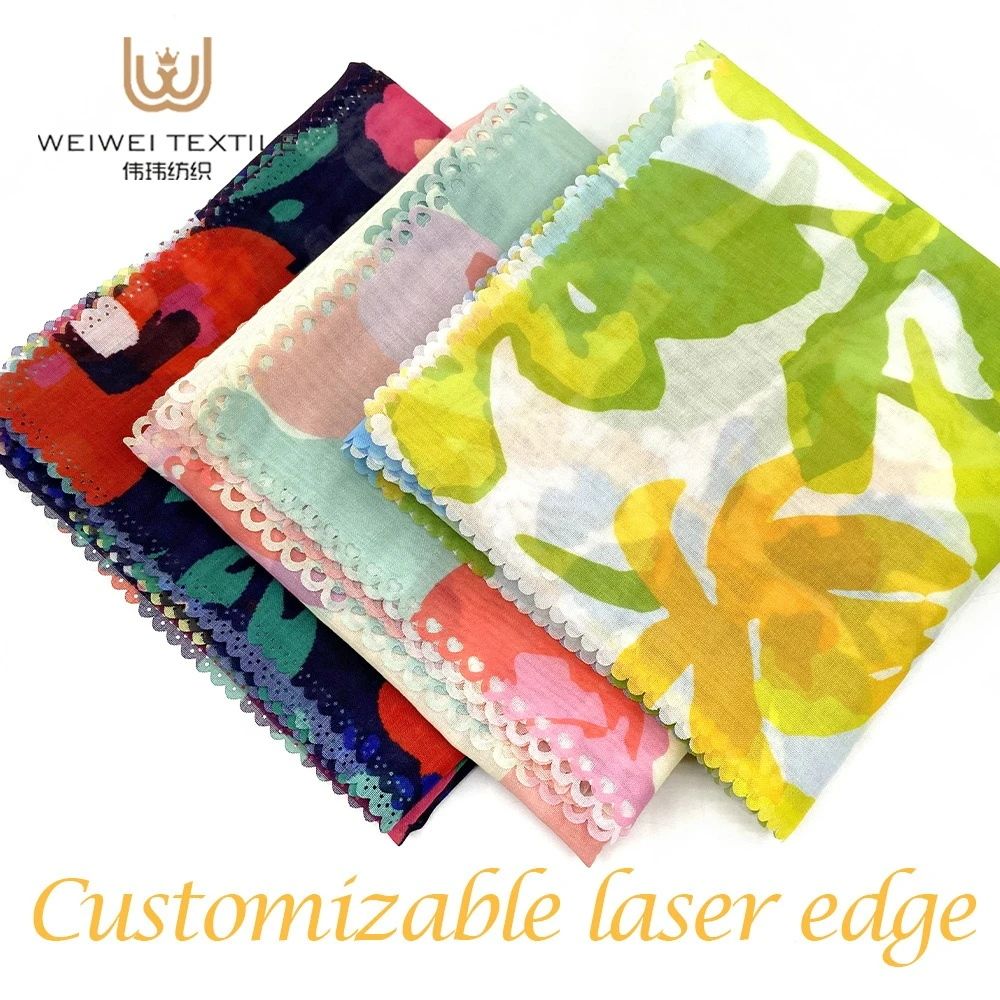
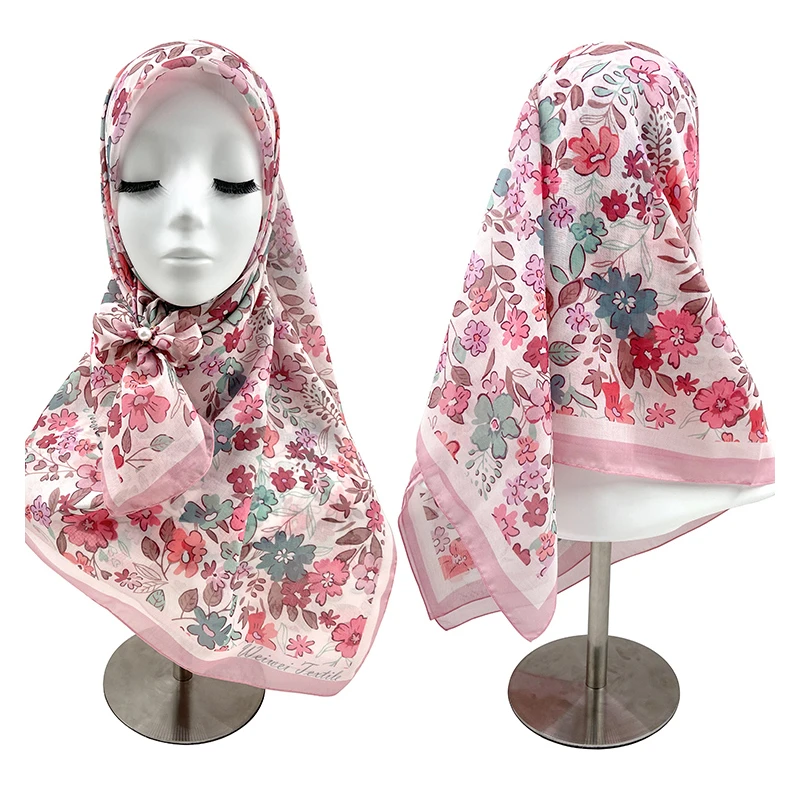
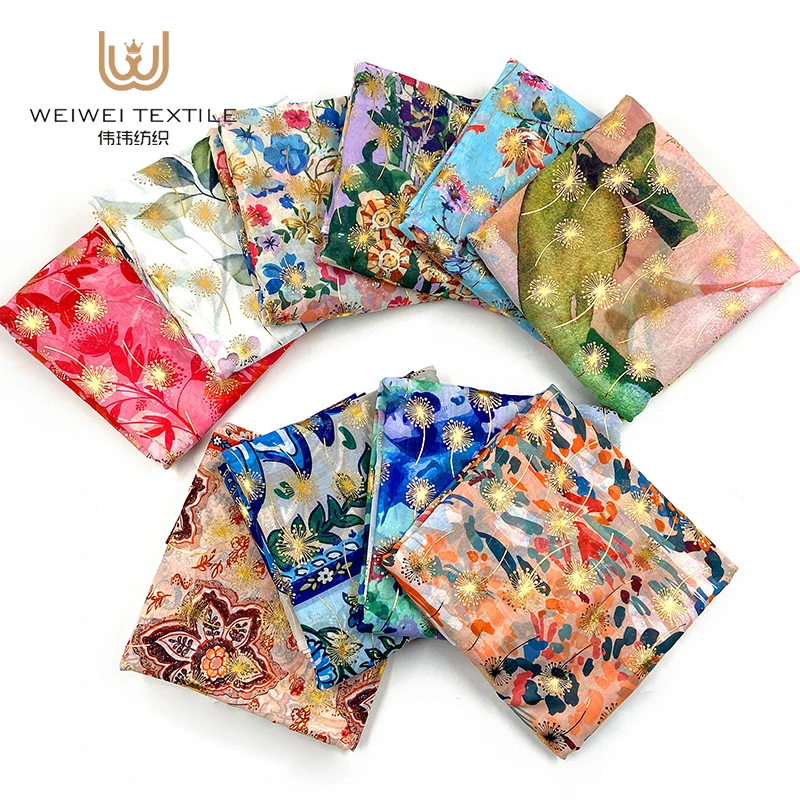
Color and pattern are equally important in traditional head-wrap markets. patterned cotton voile fabric is suitable for collections featuring floral prints, geometric designs, stripes, decorative motifs, and other visually distinctive patterns. Depending on regional preferences, customers may favor bold colors for celebrations, coordinated patterns for traditional garments, or understated designs for everyday use.
For buyers serving African markets, including customers who wear Sudanese toub, a diverse range of prints and color combinations can help meet different tastes. In other markets, customers may prefer neutral shades, soft pastels, or patterns that coordinate with abayas, dresses, and other modest clothing. Offering a balanced selection of traditional and contemporary designs can help retailers appeal to a broader customer base.
The term maksud cotton voile may also appear in specific sourcing searches or product listings. Because this wording does not establish a universal textile specification, buyers should confirm the intended product name, composition, construction, and supplier description before ordering. Clear product documentation helps avoid confusion when comparing fabrics from different manufacturers.
When assessing cotton voile, buyers should examine the evenness of the weave, surface softness, print clarity, color consistency, and fabric recovery after handling. It is also helpful to wash a sample according to the proposed care instructions to check for shrinkage, fading, or changes in texture. For wholesale orders, approved samples and clearly documented specifications can reduce the risk of receiving fabric that differs from expectations.
3. Sourcing the Right Cotton Voile for Global Muslim Fashion Markets
Choosing the right supplier is an important step for importers, wholesalers, textile distributors, and clothing manufacturers. A reliable supplier should provide clear product information, consistent quality, practical customization options, and communication that supports long-term cooperation.
When sourcing japanese cotton voile, buyers should clarify the fabric's actual country of origin, manufacturing location, and product specifications. The word “Japanese” in a product description does not automatically guarantee that the fabric was manufactured in Japan. Confirming origin and production details is particularly important for international buyers who require accurate labeling and documentation.
For businesses purchasing japanese cotton voile fabric in bulk, important considerations include minimum order quantities, available colors, printed design options, fabric width, lead times, packaging, and sample availability. Buyers should also ask whether a supplier can maintain consistent specifications across repeat orders, particularly when supplying retailers that depend on stable product quality.
A supplier offering lightweight cotton voile fabric in multiple colors and patterns can help distributors develop collections for different seasons and customer preferences. For warm-weather markets, breathable and easy-to-style fabrics may be especially attractive. For traditional head wraps, the ideal weight and transparency should be evaluated according to local wearing customs and the level of coverage customers expect.
Product presentation also matters in international trade. Suppliers can provide fabric swatches, high-resolution product photographs, detailed composition information, care instructions, and measurements to help overseas buyers evaluate products before ordering. For printed fabrics, consistent pattern placement and color reproduction can be particularly important when matching customer-approved samples.
Businesses targeting Muslim communities should approach product development with cultural awareness. Rather than treating all Muslim consumers as having identical preferences, manufacturers should recognize differences in regional traditions, personal styling, climate, and occasions for wearing head coverings. Some customers may prefer traditional toub fabrics with expressive prints, while others may look for understated scarves suitable for everyday use.
Retailers can strengthen their product offerings by combining traditional designs with contemporary color palettes and practical fabric features. Collections can include solid colors, floral patterns, geometric prints, and lightweight options for different styling needs. Clear descriptions of fiber content, fabric weight, care requirements, and product origin also help customers make informed purchasing decisions.
In addition, proper care guidance can improve the consumer experience. Cotton voile products generally benefit from following the manufacturer's washing instructions, using suitable detergents, avoiding excessive heat when drying or ironing, and storing the fabric carefully to preserve its appearance. Specific care requirements depend on the dye, print, finishing treatment, and fiber composition.
For international textile businesses, cotton voile represents an opportunity to serve a market that values comfort, versatility, and culturally meaningful design. By selecting suitable materials, maintaining consistent quality, and offering patterns that reflect local preferences, suppliers can build stronger relationships with importers and retailers.
Ultimately, the best cotton voile for Muslim head wraps is the one that balances breathability, softness, drape, coverage, and design with the needs of the intended market. Whether choosing organic cotton voile, patterned cotton voile fabric, or a refined lightweight option, careful sourcing and product evaluation can help businesses deliver fabrics that support everyday modest wear while respecting the traditions and personal preferences of the people who wear them.
-
Weiwei Textile Factory's 25th Anniversary!🔥
NewsAug.05,2027
-
Xinji Weiwei Textile Factory to Exhibit at the 139th Canton Fair
NewsApr.15,2026
-
How to Choose the Best Satin Head Scarves for Muslim Women’s Everyday Modest Fashion
NewsNov.06,2026
-
How to Choose the Best Chiffon Scarves and Hijabs for Muslim Women’s Everyday Wear
NewsNov.06,2026
-
How to Choose the Best Malaysia Hijab for Everyday Modest Fashion and Traditional Head Covering
NewsNov.06,2026
-
How to Choose Premium Cotton Voile for Muslim Headscarves and Traditional Head Wraps
NewsNov.06,2026