Nov . 06, 2026 14:39 Back to list
How to Choose the Best Satin Head Scarves for Muslim Women’s Everyday Modest Fashion
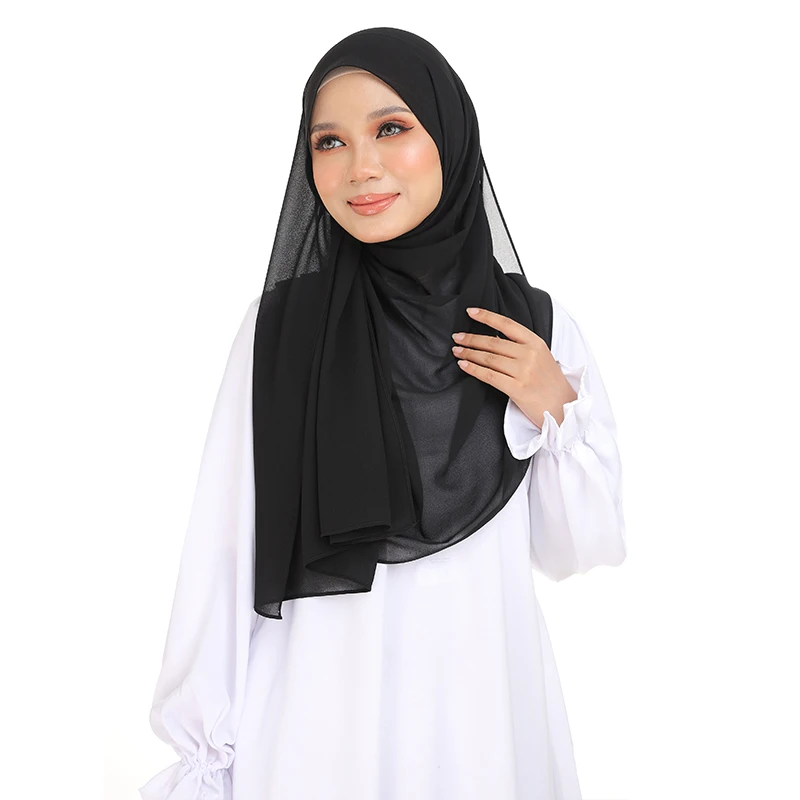
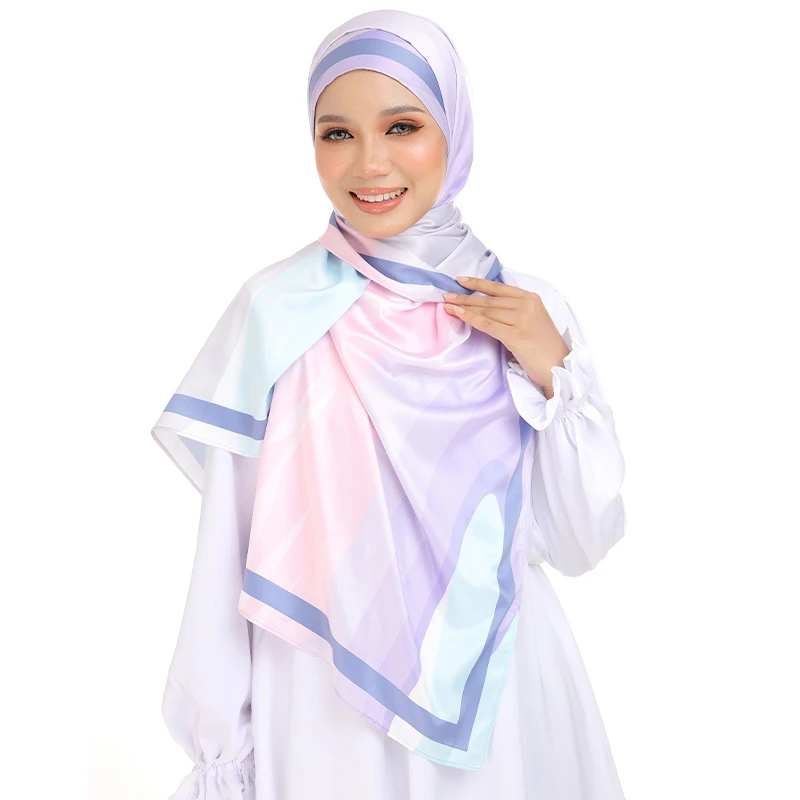
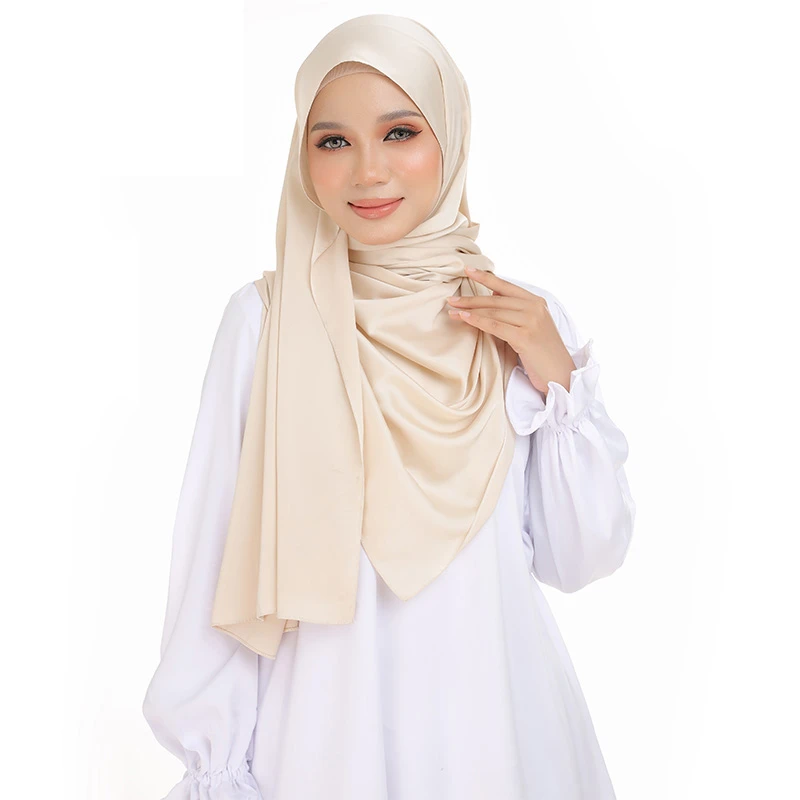
Satin head scarves are stylish and versatile accessories for women who want to combine elegant appearance, comfortable styling, and personal expression. For many Muslim women, covering the head is an important part of religious practice, modesty, and cultural tradition. A suitable headscarf can complement everyday clothing, coordinate with special-occasion outfits, and provide a beautiful finishing touch while respecting individual preferences for coverage and styling.
With their smooth surface and subtle sheen, satin scarves have become an attractive option for women who appreciate a polished, fashionable look. Available in a wide range of colors, sizes, and patterns, they can be wrapped around the head in different ways to create styles that suit daily activities, family gatherings, celebrations, and formal occasions. Solid colors offer timeless versatility, while animal prints bring a distinctive fashion element to modest outfits.
For textile manufacturers, wholesalers, fashion retailers, and modest clothing brands, satin head scarves provide opportunities to develop collections that combine attractive designs with practical functionality. Popular choices such as green satin head scarf, hot pink satin scarf, and leopard-print designs can appeal to customers with different color preferences and styling needs.

1. Why Satin Head Scarves Are a Stylish Choice for Muslim Women
A satin head scarf is valued for its smooth texture, flowing drape, and elegant finish. Satin refers to a type of weave rather than a specific fiber, meaning satin scarves can be manufactured from polyester, silk, or other materials. The actual softness, breathability, durability, and care requirements depend on the fiber composition and fabric construction.
For Muslim women who wear head coverings as part of their everyday routine, choosing the right fabric is important. A scarf should feel comfortable against the skin, be easy to arrange, and provide the level of coverage the wearer prefers. Satin can create a neat, refined appearance, making it suitable for both everyday modest fashion and more formal styling.
A head satin scarf can be worn in several ways depending on its dimensions and design. Some women prefer wrapping a rectangular scarf around the head and shoulders, while others choose a square scarf folded into a triangle for a more structured appearance. The same scarf may also be styled as a hair accessory or coordinated with an outfit for special occasions.
Because satin often has a smooth, slippery surface, some wearers may find that it moves more easily than textured fabrics. An inner cap, suitable pins, or a carefully selected scarf construction can help improve stability. Consumers should also consider opacity and dimensions, especially when choosing satin for a head covering that needs to provide sufficient coverage.
Color selection is another important part of building a versatile hijab wardrobe. A green satin head scarf can create a sophisticated appearance, with shades ranging from soft sage and olive to emerald and deep forest green. Green coordinates well with neutral clothing, including beige, cream, black, and brown, and can add color to simple everyday outfits.
For women who enjoy brighter fashion choices, a hot pink satin scarf offers a bold and expressive option. Its vibrant color can complement neutral abayas, long dresses, and coordinated modest outfits. Depending on the shade and styling method, hot pink can create a playful daytime look or a striking appearance for parties, celebrations, and family events.
Satin's natural sheen also makes it attractive for occasions when a more polished finish is desired. When paired with suitable clothing and accessories, a satin head scarf can create an elegant look without requiring complicated styling.
However, comfort should remain a priority. In warm or humid climates, the fiber composition and fabric weight can affect how the scarf feels during extended wear. Buyers should evaluate the material and consider their own climate, skin sensitivity, and preferred wrapping method before making a selection.
2. Leopard Print Satin Head Scarves and Popular Color Trends
Animal-print scarves are popular among consumers who want to add personality and visual interest to their outfits. Leopard prints, in particular, combine distinctive spots and contrasting colors to create a recognizable pattern that works with both simple and statement clothing.
A leopard print satin head scarf brings together the smooth appearance of satin and the bold character of an animal-print design. It can be styled with a plain black abaya, a neutral tunic, or a coordinated modest outfit to create a balanced appearance. Because the pattern already attracts attention, pairing it with understated clothing can help maintain an elegant overall look.
A leopard print satin scarf can also be used as a versatile fashion accessory. Depending on its size, it may be wrapped around the head, draped over the shoulders, or styled as an accessory with other clothing. For Muslim consumers who use it as a hijab, the scarf's dimensions, opacity, and ability to stay in place should be considered alongside its appearance.
The color palette of leopard-print satin can vary considerably. Traditional brown, black, and beige combinations offer a classic animal-print look, while monochromatic black-and-white patterns provide a more understated alternative. Contemporary versions may include pink, green, gray, or other colors that appeal to shoppers looking for distinctive designs.
A leopard satin scarf can suit women who enjoy fashion-forward accessories but still want flexibility when coordinating their wardrobes. For example, a brown leopard-print scarf can complement cream or camel clothing, while a black-and-white design can work with monochromatic outfits. Colorful versions may be more suitable for consumers who prefer bolder combinations.
When selecting a leopard-print scarf, buyers should examine the quality of the print as well as the fabric. The pattern should appear clear and consistent, without obvious smudging or uneven coloration. The scarf's edges should be neatly finished, and the fabric should not have visible snags or defects.
Beyond animal prints, solid-color satin scarves remain useful wardrobe essentials. Green offers a natural, sophisticated tone, while hot pink creates a vibrant focal point. Black, navy, burgundy, champagne, and beige can provide additional options for customers seeking colors that coordinate easily with everyday or formal clothing.
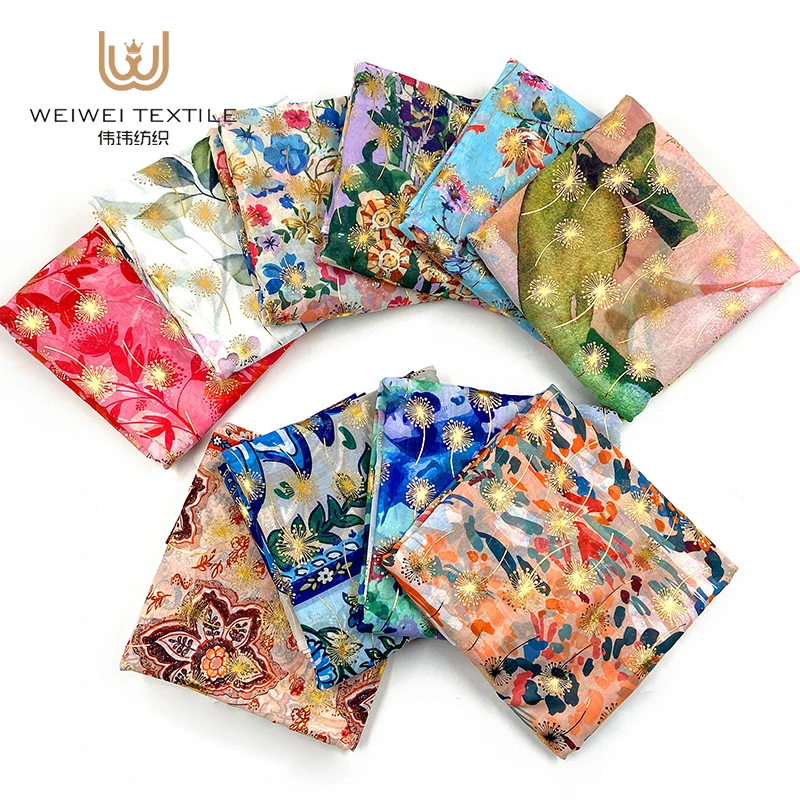
For retailers, offering a balanced assortment of solid and printed scarves can help meet different customer preferences. A collection might include classic colors for regular wear, brighter shades for fashion-focused shoppers, and leopard prints for customers who want a distinctive accessory. Providing different dimensions can further improve versatility, allowing consumers to choose scarves that match their preferred styling techniques.
When purchasing satin scarves, it is also important to confirm fiber composition. Polyester satin and silk satin may have similar visual characteristics, but they differ in feel, price, care, and performance. Clear product descriptions help customers understand what they are buying and select a suitable option for their needs.
3. How to Choose Quality Satin Head Scarves for Everyday Modest Wear
Selecting a quality satin head scarf requires attention to material, construction, dimensions, comfort, and care requirements. Whether buying a single scarf or sourcing products for a retail collection, consumers and businesses should evaluate more than color and appearance.
First, confirm the fiber content. Satin is a weave, not a guarantee of silk or any other particular fiber. Polyester satin is widely used for fashion accessories, while silk satin may appeal to consumers looking for a different texture and finish. Buyers should review the product label and supplier specifications to understand the material's characteristics and maintenance needs.
Second, examine the fabric surface and finishing. A quality scarf should have a reasonably even sheen, consistent coloration, and neatly finished edges. For printed designs, check that the pattern is clear and that the colors appear consistent throughout the fabric. For solid-color scarves, examine the surface for marks, snags, or irregularities.
Third, consider the scarf's size and shape. Larger scarves may provide more flexibility for wrapping around the head and shoulders, while smaller scarves may suit simpler styling preferences. Muslim women have different preferences for head covering, so product dimensions should be selected according to the intended wearing method and desired coverage.
Comfort and stability also deserve attention. A smooth head satin scarf may require an inner cap or suitable accessories to help keep it in place. Wearers should test how the fabric behaves during normal movement and ensure that the wrapping method provides the coverage they want. Satin's appearance should not come at the expense of comfort or practicality.
Care requirements vary by fiber and finishing. Many polyester satin products can be gently washed according to their care labels, while silk satin may require more delicate handling. Excessive heat can damage some satin fabrics, so ironing temperatures should always follow the manufacturer's instructions. Proper storage can also help prevent snags and unwanted creases.
For wholesalers, importers, and fashion retailers, consistent quality is especially important. Before placing bulk orders, request samples and confirm the fabric composition, scarf dimensions, color specifications, printing quality, minimum order quantity, and delivery schedule. Keeping an approved sample can help businesses compare future orders and maintain more consistent product standards.
Product presentation can also influence purchasing decisions. Clear photographs, accurate descriptions, styling suggestions, and detailed material information help customers understand the benefits of different designs. Retailers can organize collections by color, pattern, and occasion to make shopping easier.
For businesses serving Muslim communities, cultural awareness is equally important. Head covering is connected with religious practice, modesty, and personal or regional traditions, but individual preferences vary. Some women prefer simple solid-color scarves for everyday use, while others enjoy bright colors or animal prints. Offering different styles without assuming that every customer has identical preferences can help create a more inclusive collection.
Ultimately, satin head scarves combine a smooth finish, versatile styling, and a wide range of colors and patterns. From the sophisticated green satin head scarf to the vibrant hot pink satin scarf and distinctive leopard print satin head scarf, these products offer options for different wardrobes and occasions. By prioritizing suitable materials, reliable construction, comfortable coverage, and attractive designs, consumers and suppliers can find satin scarves that complement everyday modest fashion while respecting the diverse traditions and preferences of Muslim women.
-
Weiwei Textile Factory's 25th Anniversary!🔥
NewsAug.05,2027
-
Xinji Weiwei Textile Factory to Exhibit at the 139th Canton Fair
NewsApr.15,2026
-
How to Choose the Best Chiffon Scarves and Hijabs for Muslim Women’s Everyday Wear
NewsNov.06,2026
-
How to Choose the Best Malaysia Hijab for Everyday Modest Fashion and Traditional Head Covering
NewsNov.06,2026
-
How to Choose Premium Cotton Voile for Muslim Headscarves and Traditional Head Wraps
NewsNov.06,2026