Oct . 16, 2026 13:59 Back to list
Muslim Abaya Style: Elegant and Modest Clothing for Everyday Wear
The abaya is a traditional garment widely worn by Muslim women as part of modest dressing. Known for its loose silhouette, flowing fabric, and elegant appearance, it offers a comfortable way to cover the body while allowing women to express their personal style. Today, abayas are available in a wide variety of designs, colors, and fabrics, making them suitable for everyday activities, religious occasions, family gatherings, and formal celebrations.
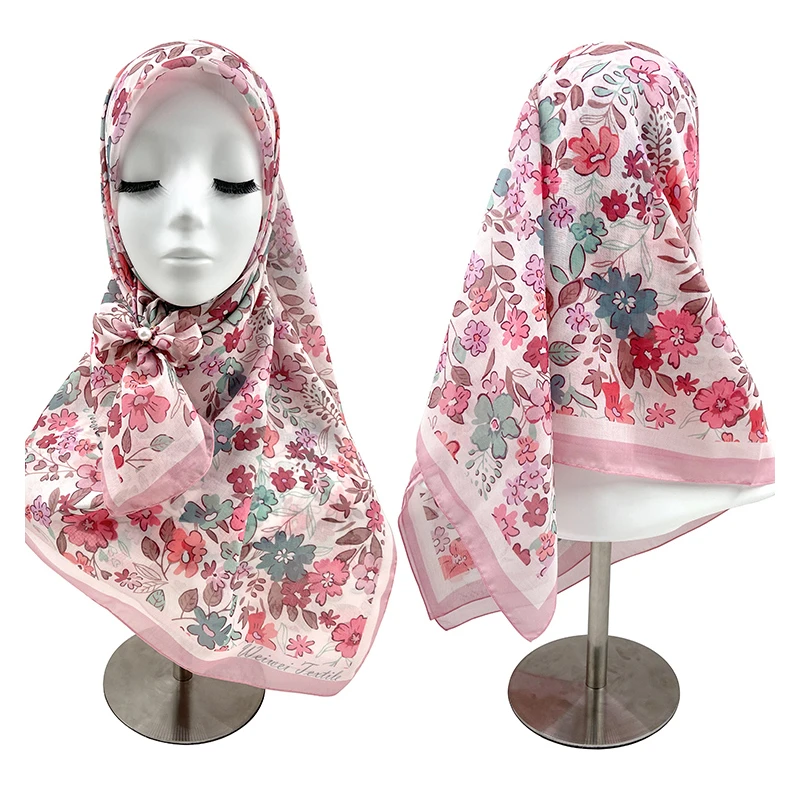
Choosing the right muslim abaya style depends on personal preference, cultural traditions, climate, and the occasion. Some women prefer classic black designs with minimal decoration, while others choose modern styles featuring embroidery, contrasting cuffs, layered details, or open-front silhouettes. Although the abaya is primarily a garment worn over the body, many women coordinate it with a hijab or headscarf to create a complete modest outfit. Head covering practices vary among individuals and communities, so women can choose combinations that reflect their own beliefs and preferences.
A well-designed abaya combines modesty, comfort, and practicality. Lightweight fabrics can help keep the wearer comfortable in warm weather, while more substantial materials may be preferred for cooler seasons or formal occasions. Whether shopping for a daily garment or a special-event outfit, understanding different abaya styles can help Muslim women find clothing that suits their lifestyle.

Popular Muslim Abaya Styles for Everyday Modest Fashion
Abayas have evolved to accommodate different lifestyles while maintaining their characteristic loose and flowing shape. Traditional designs often feature simple lines and understated colors, while contemporary versions introduce modern tailoring, decorative stitching, and versatile layering options. The right design allows women to feel comfortable and confident throughout the day.
A classic muslim black abaya remains one of the most versatile choices. Black is easy to coordinate with different hijab colors, handbags, shoes, and accessories. A plain black abaya can create a timeless appearance for daily errands, work, shopping, or visiting family. For women who prefer a more decorative look, black designs with subtle embroidery, textured sleeves, or delicate embellishments provide additional detail without sacrificing a modest silhouette.
When choosing muslim clothing abaya designs, fabric and fit are just as important as appearance. Soft crepe, lightweight polyester blends, cotton blends, and other suitable textiles offer different levels of breathability, drape, and maintenance. In warmer climates, breathable materials and loose cuts may be more comfortable for extended wear. For frequent use, wrinkle resistance and easy-care instructions can also be useful considerations.
A muslim female abaya can be designed with practical features such as full-length sleeves, convenient pockets, adjustable cuffs, or discreet front closures. These details help make the garment suitable for daily routines while maintaining a clean, elegant appearance. Accurate sizing is essential: the abaya should provide the desired coverage without making walking, sitting, or other activities difficult. Customers should check garment measurements, sleeve length, and fabric opacity before purchasing.
For women who enjoy layering, a muslim open abaya offers additional styling flexibility. This design usually features an open front and can be worn over a dress, a coordinated inner garment, or a simple top-and-trouser outfit. It can create a graceful layered appearance while allowing the wearer to adjust the outfit for different settings. Some open abayas have matching belts, while others are designed to fall naturally without being fastened.
The best abaya is not necessarily the most elaborate one. A simple design with a comfortable fit, quality stitching, and appropriate fabric can become a reliable part of an everyday wardrobe. By choosing styles that align with personal preferences and local customs, women can balance traditional modest dressing with contemporary fashion.
Choosing Abayas for Prayer, Weddings, and Special Occasions
Different occasions may call for different abaya designs. Some women prefer practical garments for daily activities and prayer, while others look for more decorative pieces for weddings, Eid celebrations, and family events. Considering the purpose of the garment before buying helps ensure that its style, fabric, and construction meet the wearer's needs.
A muslim prayer abaya is generally designed with comfort and ease of movement in mind. Loose construction, full-length coverage, and soft materials can make it suitable for prayer and other religious activities. Some prayer abayas come as a one-piece garment, while others are coordinated with a matching head covering. Customers should review the product details carefully to understand what is included in the set and whether the garment provides the coverage they prefer. Easy-care fabrics can also be practical for regular use.
For everyday dressing, women who muslim wear abaya as part of their regular wardrobe may benefit from owning several styles for different situations. A plain, lightweight abaya can be useful for errands and casual outings, while a slightly more structured design may suit professional environments or social visits. Coordinating the abaya with a matching hijab, comfortable footwear, and a suitable bag can create a polished outfit without requiring complicated styling.
Special occasions may call for more decorative designs. A muslim wedding abaya can feature elegant embroidery, delicate beadwork, lace details, satin-like finishes, or carefully placed embellishments. Some women prefer soft neutral shades, while others choose jewel tones or traditional dark colors. The level of decoration depends on the wedding setting, cultural expectations, and individual taste. For formal events, fabric quality and finishing are particularly important because they influence how the garment drapes and looks under different lighting.
A wedding abaya should still provide the comfort and coverage its wearer expects. Before purchasing, check the length, sleeve design, closure style, and whether the fabric is transparent under bright light. If the abaya is intended for layering, consider how it will work with the dress or inner garment underneath. Choosing complementary colors can help create a coordinated outfit without making it feel overly complicated.
For women who appreciate understated fashion, a robe abaya simple design is an excellent option. Its clean silhouette and minimal decoration make it suitable for everyday wear, travel, family visits, and casual gatherings. Simple abayas can also be dressed up with a statement hijab, a tasteful brooch, or elegant accessories when the occasion requires a more formal appearance. Their versatility makes them a practical choice for women who value timeless clothing over short-lived trends.
How to Select, Style, and Care for a Muslim Abaya
Selecting an abaya begins with identifying the intended use. Daily wear usually benefits from lightweight, durable fabric and a design that is easy to wash and maintain. Prayer garments may prioritize comfortable movement and coverage, while wedding and event styles may focus more on decorative details and refined finishes. Keeping these differences in mind helps customers choose a garment that fits both their lifestyle and budget.
Size and length should be considered carefully. An abaya that is too short may not provide the desired coverage, while one that is excessively long can be difficult to walk in. Always review the manufacturer's size chart rather than relying only on labels such as small, medium, or large. Measurements for shoulder width, sleeve length, chest, and overall garment length can make online shopping more reliable.
Fabric selection also affects comfort. Breathable textiles are often useful in warm weather, while heavier materials may offer a more structured appearance for cooler conditions. If the abaya will be worn outdoors in strong sunlight, consider the fabric's opacity and how it feels against the skin. Some lightweight fabrics may require an additional inner layer, depending on the desired level of coverage.
Styling an abaya can be simple. A classic black design pairs easily with neutral, pastel, or brightly colored hijabs. An open-front abaya can be layered over a matching dress, while a plain robe-style design can be coordinated with comfortable flats or low heels. For special occasions, subtle jewelry or a decorative scarf may add elegance without overwhelming the outfit. The goal is to create a combination that feels comfortable, practical, and consistent with the wearer's personal approach to modest dressing.
Care instructions vary depending on the material and embellishments. Always read the garment label before washing. Delicate embroidery, beadwork, and lace may require gentle washing or professional cleaning. Use suitable detergents, avoid excessive heat when drying, and store the garment in a clean, dry place to help preserve its shape and finish. Hanging an abaya carefully can reduce wrinkles and make it easier to prepare for the next wear.
Ultimately, an abaya is more than a fashion item for many Muslim women; it can be an important part of cultural identity, personal expression, and modest dressing. From a versatile muslim black abaya to a practical muslim prayer abaya, a layered muslim open abaya, or an elegant muslim wedding abaya, there are styles for a wide range of needs and occasions. By prioritizing comfort, quality, suitable coverage, and personal preference, women can build an abaya wardrobe that supports their daily routines while honoring the traditions that matter to them.
-
Weiwei Textile Factory's 25th Anniversary!🔥
NewsAug.05,2027
-
Xinji Weiwei Textile Factory to Exhibit at the 139th Canton Fair
NewsApr.15,2026
-
How to Choose the Best Satin Head Scarves for Muslim Women’s Everyday Modest Fashion
NewsNov.06,2026
-
How to Choose the Best Chiffon Scarves and Hijabs for Muslim Women’s Everyday Wear
NewsNov.06,2026
-
How to Choose the Best Malaysia Hijab for Everyday Modest Fashion and Traditional Head Covering
NewsNov.06,2026
-
How to Choose Premium Cotton Voile for Muslim Headscarves and Traditional Head Wraps
NewsNov.06,2026