Oct . 16, 2026 13:56 Back to list
Premium Cotton Voile: A Lightweight and Elegant Fabric for Everyday Hijabs
Choosing the right fabric is essential when selecting a comfortable and stylish hijab. For Muslim women who wear headscarves as part of their daily religious practice and cultural traditions, fabric quality can make a significant difference in comfort, appearance, and ease of styling. Premium cotton voile is a popular fabric choice for lightweight headscarves because of its soft texture, breathable structure, and versatile appearance. It can be used to create hijabs suitable for everyday activities, professional settings, religious gatherings, and special occasions.
Cotton voile is generally a lightweight woven fabric made from cotton fibers. Its relatively fine construction gives it a soft, airy feel while allowing it to drape naturally around the head and shoulders. Depending on the weave, finishing process, and fabric composition, cotton voile can offer different levels of softness, opacity, and durability. These characteristics make it an appealing option for consumers seeking a balance between modest coverage and everyday comfort.
For Muslim women in warm and humid climates, including Malaysia and other Southeast Asian countries, lightweight headscarves are especially useful. A breathable fabric can feel more comfortable during daily commuting, shopping, working, studying, and spending time with family. At the same time, the hijab should provide the coverage required by the wearer's personal and religious preferences.
For manufacturers, wholesalers, and fashion retailers, understanding the characteristics of cotton voile helps them select fabrics that meet customer expectations. From standard cotton voile to finer premium varieties, different fabric options can support a wide range of hijab designs, colors, and styling preferences.

What Is Premium Cotton Voile and What Are Its Main Benefits?
Premium cotton voile is a lightweight cotton fabric valued for its fine texture, soft hand feel, and breathable construction. Compared with heavier woven fabrics, voile is generally designed to feel light and airy, making it suitable for clothing and accessories worn close to the skin.
For hijab applications, the fabric's comfort and drape are particularly important. A scarf should be easy to wrap around the head, remain comfortable throughout the day, and coordinate with different outfits without feeling unnecessarily heavy.
- Breathability for Everyday Comfort
Cotton fibers are known for their moisture-absorbing properties, while the lightweight construction of voile can support airflow through the fabric. These characteristics can make cotton voile a practical option for everyday headscarves, particularly in warm weather.
Muslim women who wear hijabs for extended periods may appreciate a fabric that feels light during work, travel, and daily activities. However, the actual breathability depends on the weave density, fabric weight, finishing treatments, and whether the material is blended with other fibers.
- Softness and a Comfortable Feel
A quality cotton voile fabric can provide a smooth, gentle feel against the skin. This is important for headscarves that come into contact with the forehead, cheeks, and neck throughout the day.
The softness of the finished fabric depends on the cotton quality and manufacturing process. Buyers should evaluate the actual hand feel and finishing quality rather than assuming that every fabric described as premium will have identical characteristics.
- Lightweight Drape and Styling Flexibility
The relatively light structure of voile allows a hijab to fall naturally around the head and shoulders. It can be folded, wrapped, or draped in different ways, depending on the wearer's preferred style.
Cotton voile may work well for simple everyday wraps, neat office styles, and relaxed looks for family gatherings. Because lightweight fabrics can sometimes slip or provide limited opacity, some wearers may prefer an underscarf or additional wrapping layer.
- Versatile Colors and Designs
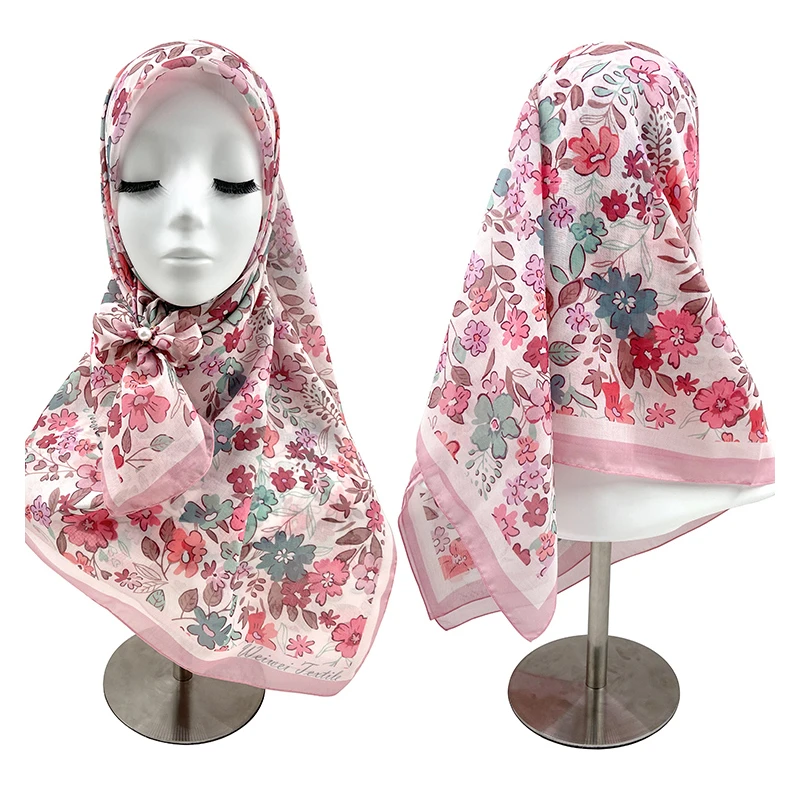
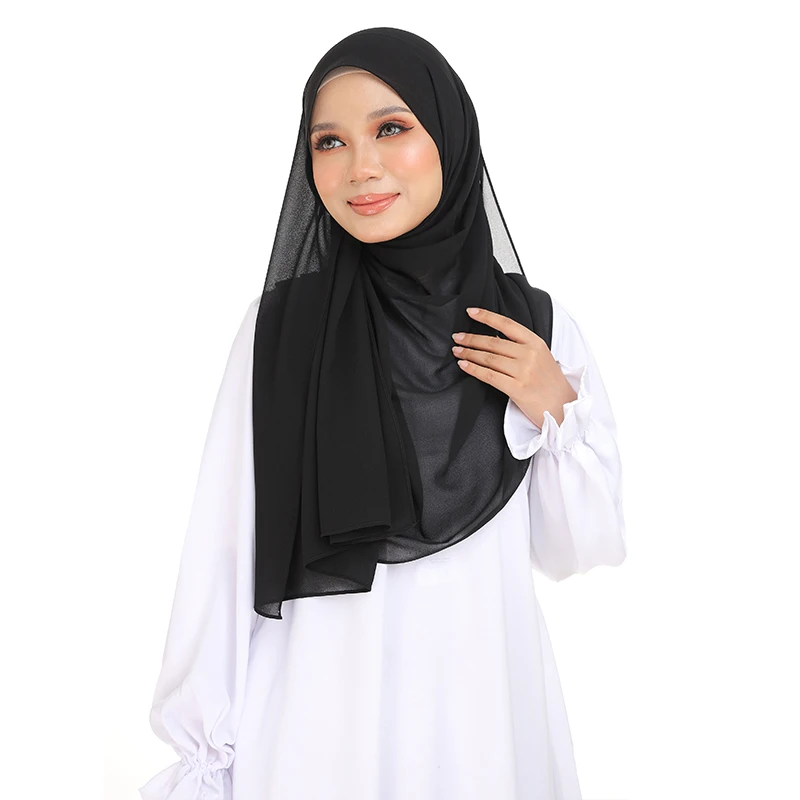
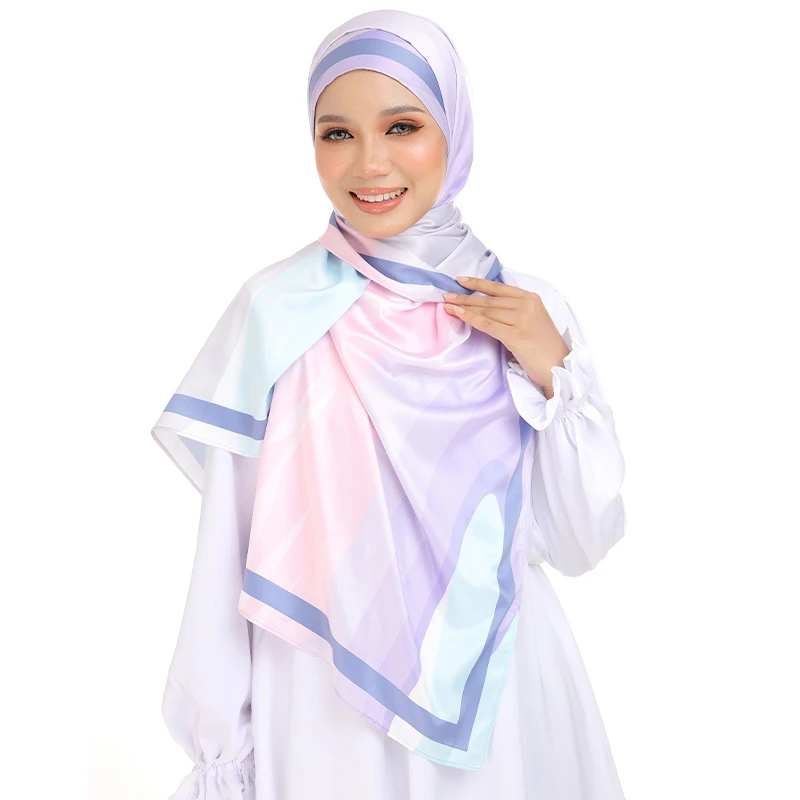
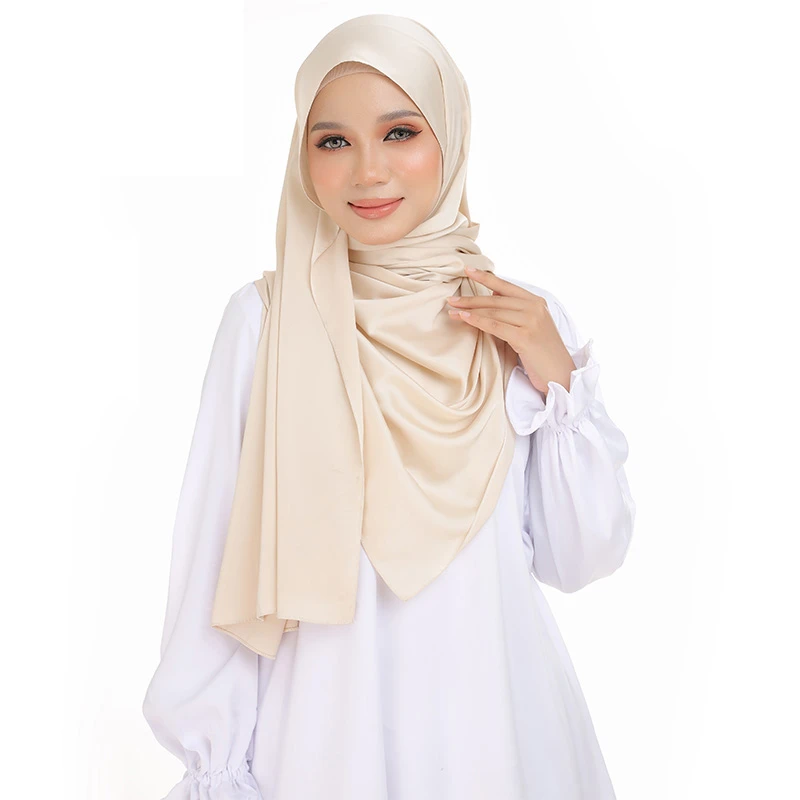
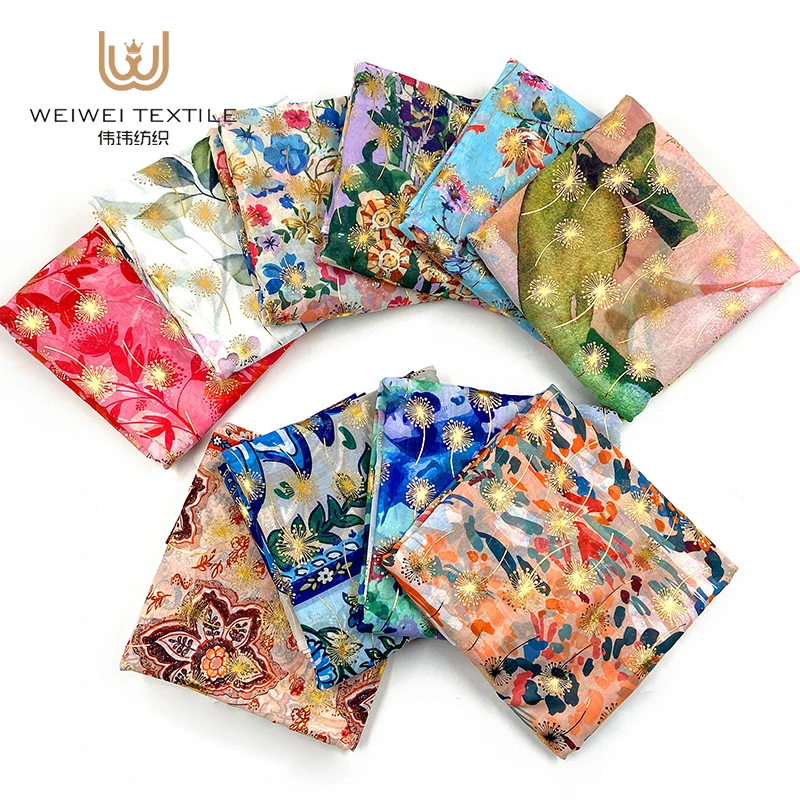
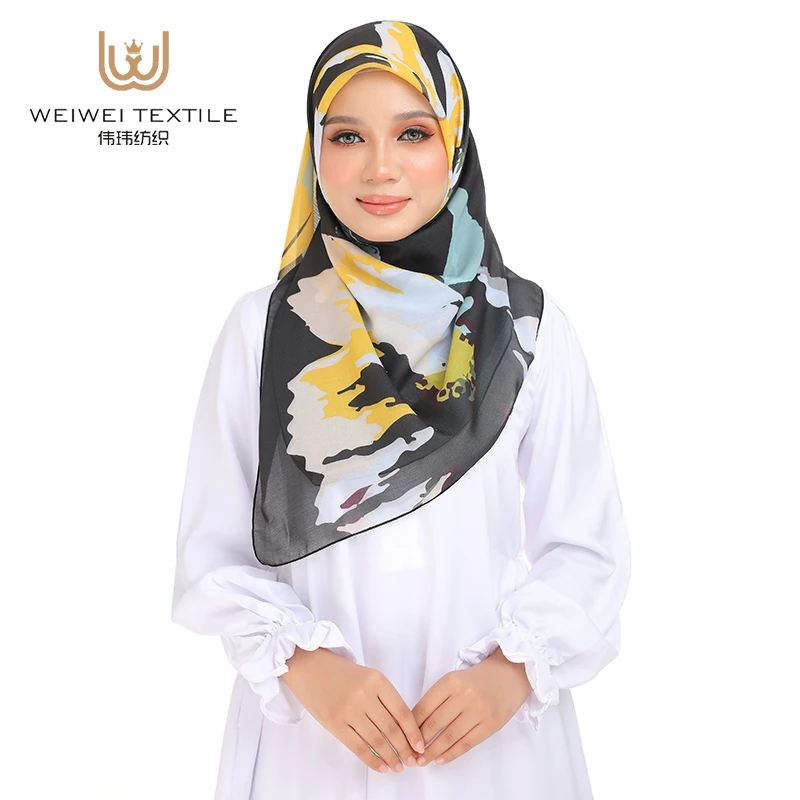
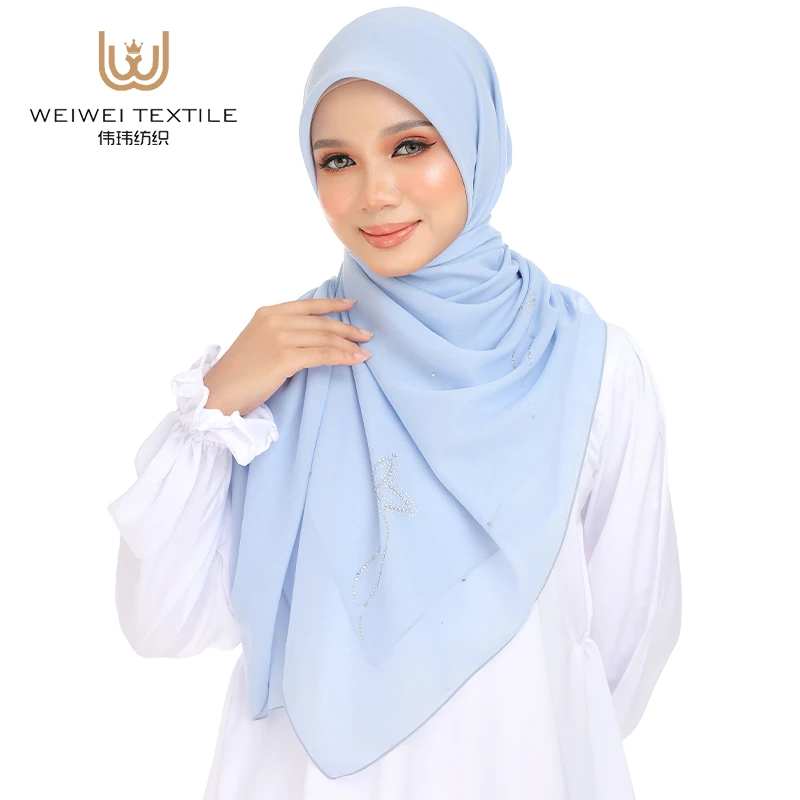
Cotton voile is suitable for a broad range of colors and prints. Neutral shades such as black, beige, cream, gray, and navy can coordinate easily with everyday clothing, while pastel shades and floral patterns offer more variety.
For hijab retailers, offering a coordinated color collection can help customers select scarves that complement their existing wardrobes. Plain fabrics are particularly useful for customers who prefer understated styling, while printed voile can provide a decorative touch without requiring elaborate accessories.
- Practical Care and Durability
Cotton voile can be suitable for regular wear when it is manufactured well and cared for correctly. As with other lightweight fabrics, however, its durability depends on yarn quality, weave construction, finishing, and washing practices.
Following the care label, using an appropriate washing method, and avoiding excessive heat can help preserve the fabric's texture and appearance. Delicate voile may benefit from gentle washing and careful storage to reduce creasing or damage.
Jenis Cotton Voile and Ultrafine Voile Premium for Hijab Styles
The phrase jenis cotton voile means types of cotton voile in Malay and Indonesian usage. Buyers may encounter different descriptions based on fabric weight, weave density, softness, finishing, and fiber composition. Understanding these distinctions can help consumers and businesses select suitable materials for different hijab requirements.
- Standard Cotton Voile
Standard cotton voile is a lightweight woven fabric that can be used for casual headscarves and everyday clothing. It generally offers a balance of softness, breathability, and ease of handling.
For everyday hijabs, standard voile can be suitable for consumers who want a simple fabric that works with casual outfits and regular daily routines. Depending on its density and color, some versions may require an underscarf or additional layers to achieve the desired opacity.
- Kain Cotton Voile Premium
The term kain cotton voile premium refers to premium-quality cotton voile fabric. The word kain means fabric in Malay and Indonesian, and this phrase is often used when searching for higher-quality textile materials.
For hijab production, premium cotton voile may be selected for its soft texture, consistent weaving, refined finish, and comfortable feel. Buyers should confirm the fiber content, fabric weight, width, colorfastness, and finishing details to understand the product's actual quality.
A well-finished voile fabric can help create headscarves with a neat appearance and smooth drape. Manufacturers may also offer different colors and fabric specifications to suit retailers serving different customer preferences.
- Ultrafine Voile Premium
Ultrafine voile premium generally describes a very fine, lightweight voile fabric marketed for a more delicate texture and refined appearance. The exact characteristics vary by supplier, so buyers should review the technical specifications rather than relying on the product name alone.
For hijabs, ultrafine voile may appeal to wearers who prefer a light scarf that drapes softly around the head and shoulders. Its lightweight structure can be comfortable in warm climates, but fine fabrics may require more careful handling and may be less opaque than denser alternatives.
When choosing ultrafine voile, consumers should check whether the fabric provides adequate coverage in the selected color. Darker shades may appear less transparent than lighter shades, although the result also depends on weave density and lighting conditions.
- Kain Ultrafine Voile Premium
The phrase kain ultrafine voile premium describes premium ultrafine voile fabric. It may be used by textile suppliers and hijab manufacturers to distinguish fine, lightweight materials from standard voile options.
For wholesale buyers, important purchasing considerations include consistency between production batches, smoothness, fabric width, color availability, and suitability for the intended scarf dimensions. Requesting a sample before placing a large order can help verify the actual texture and opacity.
For consumers, the ideal ultrafine voile should combine a comfortable feel with enough structure to support the preferred wrapping style. Some wearers may use an underscarf to improve grip and provide additional coverage.
- Premium Chiffon Voile
Premium chiffon voile is a product description that may refer to a lightweight, chiffon-like voile or a supplier-specific fabric category. Chiffon and cotton voile are not necessarily the same material, so buyers should confirm the exact fiber composition and construction.
Chiffon is commonly associated with a flowing drape and a lightweight appearance, while cotton voile is generally valued for its cotton-based feel and breathable construction. Depending on the actual product, chiffon-style fabrics may be more slippery and may require pins, magnets, or an underscarf to remain securely positioned.
For hijab collections, these different textures provide customers with options for casual and formal styling. Clear product descriptions help buyers understand what they are purchasing and choose a fabric suited to their preferences.
How to Choose the Right Cotton Voile Premium Fabric for Everyday Hijabs
Selecting cotton voile premium fabric requires consideration of comfort, opacity, styling requirements, and product quality. The best option is not necessarily the lightest or most expensive fabric; it is the one that meets the wearer's needs and provides a suitable balance of appearance and practicality.
- Check Fabric Composition and Specifications
Before purchasing, review the fiber content and confirm whether the material is 100% cotton or a blend. Fabric weight, weave density, width, and finishing can all influence how the scarf feels and performs.
For wholesalers and retailers, accurate specifications are important for comparing suppliers and maintaining consistent product quality. Sample testing can help verify the fabric's texture, drape, and opacity before a large production order.
- Consider Coverage and Opacity
Because hijabs are worn to cover the hair and, depending on personal practice, the neck and shoulders, opacity is an important consideration. Very fine voile may look elegant but could require an additional layer to provide the desired coverage.
Buyers should evaluate the fabric in different lighting conditions and consider how it appears when wrapped around the head. Lighter colors may require more layers than darker colors, depending on the fabric construction.
- Select Colors for Daily Wear
Neutral shades are versatile choices for everyday hijabs because they can coordinate with many outfits. Black, beige, cream, brown, gray, and navy are practical options for building a reusable scarf collection.
Pastel shades and subtle prints can add variety, while richer colors may be suitable for festive occasions. Retailers can offer coordinated color ranges to help customers select scarves that complement their preferred clothing styles.
- Evaluate Comfort in Warm and Humid Weather
For Muslim women living in tropical climates, lightweight and breathable materials can improve comfort during daily wear. Cotton voile may be a useful option because of its cotton composition and fine construction.
However, comfort also depends on scarf thickness, wrapping method, underlayers, and individual preferences. Consumers should select a fabric that feels comfortable throughout their normal daily activities rather than choosing solely based on its appearance.
- Follow Proper Washing and Storage Instructions
Lightweight fabrics should be handled carefully to maintain their appearance. Follow the manufacturer's washing instructions, avoid harsh treatments, and use suitable drying methods. Store scarves in a clean, dry place and avoid placing sharp accessories directly against delicate fabric.
For businesses, providing care instructions can help customers maintain their products and improve satisfaction after purchase.
- Work with a Reliable Fabric Supplier
For manufacturers, distributors, and retailers, a reliable supplier should provide clear product information, consistent colors, accurate fabric specifications, and dependable delivery schedules.
Buyers should compare samples, confirm minimum order quantities, and check quality-control procedures before committing to bulk orders. These steps help ensure that the finished hijabs meet customer expectations for softness, comfort, appearance, and everyday usability.
In conclusion, premium cotton voile offers a lightweight and versatile fabric option for Muslim women who wear headscarves as part of their religious practice and daily cultural traditions. From jenis cotton voile and kain cotton voile premium to kain ultrafine voile premium, premium chiffon voile, and ultrafine voile premium, different fabric categories provide varying textures, drapes, and levels of coverage. By carefully evaluating fabric composition, opacity, softness, and durability, consumers and businesses can select hijab materials that combine everyday comfort with suitable modest coverage and personal style.
-
Weiwei Textile Factory's 25th Anniversary!🔥
NewsAug.05,2027
-
Xinji Weiwei Textile Factory to Exhibit at the 139th Canton Fair
NewsApr.15,2026
-
How to Choose the Best Satin Head Scarves for Muslim Women’s Everyday Modest Fashion
NewsNov.06,2026
-
How to Choose the Best Chiffon Scarves and Hijabs for Muslim Women’s Everyday Wear
NewsNov.06,2026
-
How to Choose the Best Malaysia Hijab for Everyday Modest Fashion and Traditional Head Covering
NewsNov.06,2026
-
How to Choose Premium Cotton Voile for Muslim Headscarves and Traditional Head Wraps
NewsNov.06,2026