The babushka scarf, more than just a piece of fabric, represents a rich cultural heritage and a symbol of warmth, protection, and resilience. Globally recognized, this headscarf transcends geographical boundaries, appearing in various cultures with differing names and traditions, yet consistently serving a similar purpose: safeguarding the head and neck from the elements and embodying a sense of modesty and identity. Understanding the history, materials, and modern applications of the babushka scarf offers insight into diverse cultural practices and the enduring appeal of simple, functional design.
Its relevance extends beyond fashion. The babushka scarf’s simple construction and readily available materials make it an accessible and practical item for diverse populations, particularly in regions facing harsh weather conditions or limited resources. This accessibility, coupled with its versatility, has led to its adoption in various fields, from healthcare and food service to protective work environments. The story of the babushka scarf is, therefore, a story of adaptation, utility, and cultural preservation.
Furthermore, the renewed interest in sustainable and ethical fashion is driving a resurgence in appreciation for handcrafted items like the babushka scarf. Consumers are increasingly seeking out authentic, durable goods with a story, and the babushka scarf perfectly fits this profile, representing a connection to tradition and a rejection of fast fashion’s disposability. This revival highlights the enduring power of heritage crafts and their potential for economic empowerment.
The Cultural Significance of babushka scarf
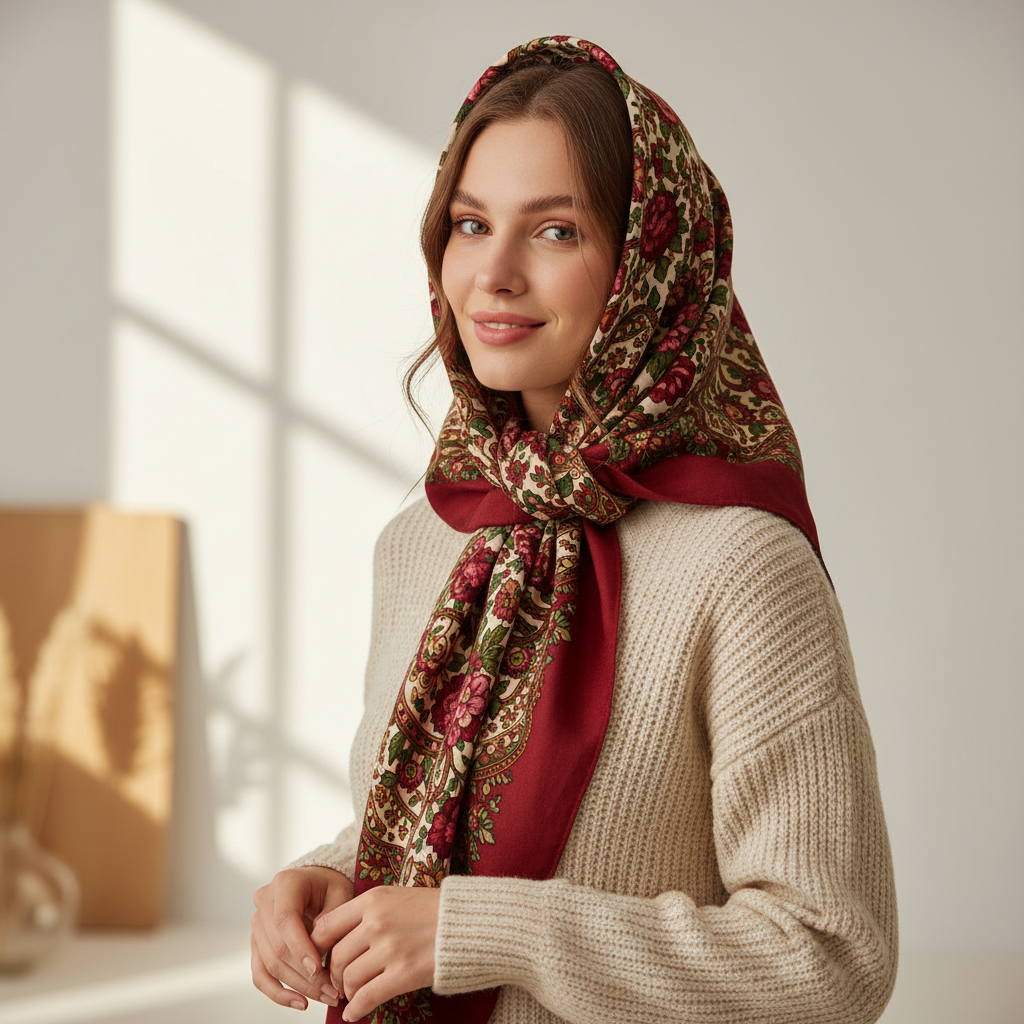
The babushka scarf’s origins are deeply rooted in Eastern European cultures, particularly Russia, where it traditionally signified modesty and respect, often worn by older women – hence the name “babushka” meaning grandmother. This scarf wasn’t merely a fashion statement; it was a practical garment offering protection from the cold, wind, and sun. Its association with rural life and traditional values gave it a symbolic weight, representing connection to family and community.
Today, the babushka scarf’s cultural significance extends beyond its origins. It’s become a globally recognized symbol, adopted by various subcultures and artistic movements, representing everything from bohemian style to a statement of feminist empowerment. The enduring appeal of the babushka scarf lies in its ability to bridge the gap between tradition and modernity, offering a tangible link to the past while remaining relevant in contemporary fashion.
Defining the babushka scarf
A babushka scarf is typically a square-shaped headscarf, traditionally made from silk, cotton, or a blend of fabrics. Its defining characteristic is its ability to be tied in various ways, allowing for versatility in style and function. Unlike more structured headwear, the babushka scarf is inherently adaptable, lending itself to both practical and aesthetic purposes. It's important to note that the "babushka scarf" isn't a single, fixed design; rather, it’s a category of headscarf characterized by its tying method and overall aesthetic.
Its connection to modern industry lies in its resurgence as a fashionable accessory and a sustainable alternative to fast fashion. Designers are increasingly incorporating babushka-inspired scarves into their collections, utilizing both traditional and innovative materials. This trend highlights a growing consumer demand for authenticity and handcrafted items.
Furthermore, the babushka scarf’s simplicity makes it a cost-effective solution for protective headwear in various industries, such as food service, healthcare, and manufacturing, providing a practical barrier against contamination and maintaining hygiene standards.
Core Elements of a Quality babushka scarf
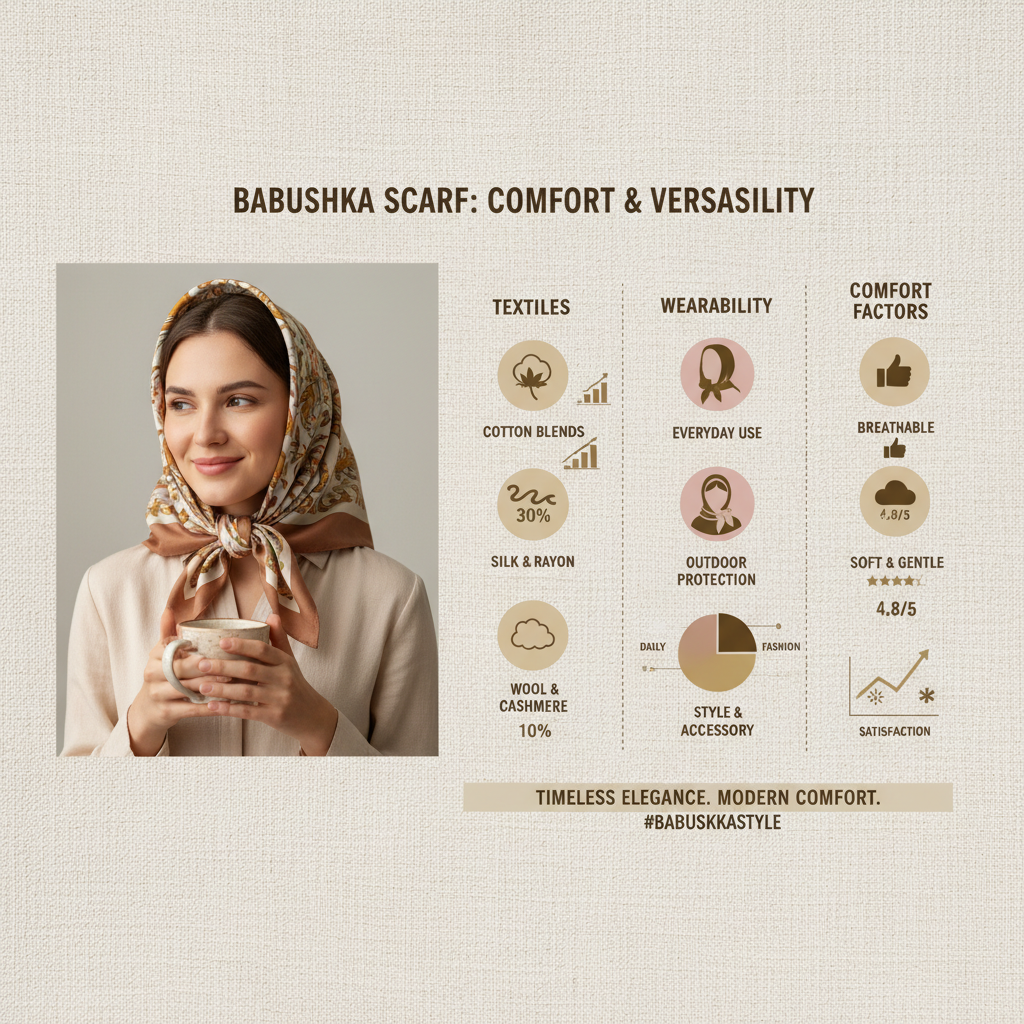
Several key factors contribute to the quality and functionality of a babushka scarf. First, the material is crucial. Natural fibers like silk and cotton offer breathability and comfort, while blends can provide increased durability and wrinkle resistance. The weave of the fabric also impacts its texture and drape, influencing how it ties and feels against the skin.
Secondly, the size of the scarf matters. A larger square allows for more versatile tying options, while a smaller scarf might be more suited for specific styles. Thirdly, the quality of the seams and edges determines the scarf’s longevity. Well-finished edges prevent fraying and ensure the scarf maintains its shape over time. Finally, the print or design – whether a traditional floral pattern or a contemporary abstract design – significantly contributes to its aesthetic appeal and cultural relevance.
These elements – material, size, craftsmanship, and design – collectively define a high-quality babushka scarf, ensuring both its practical utility and enduring style.
Global Applications of the babushka scarf
The versatility of the babushka scarf lends itself to a wide range of applications globally. In culinary settings, it's commonly used by chefs and kitchen staff to maintain hygiene and keep hair neatly contained. Similarly, in healthcare facilities, babushka scarves provide a practical and comfortable solution for nurses and doctors seeking to protect their hair and maintain a sterile environment.
Beyond these professional settings, the babushka scarf enjoys widespread use as a fashion accessory, particularly in regions with strong ties to Eastern European heritage. It’s frequently seen at festivals, cultural events, and everyday wear, representing a proud connection to tradition. In post-disaster relief operations, babushka scarves can provide a quick and easy way to protect individuals from sun exposure and dust, offering a basic level of comfort and dignity.
Even in industrial zones, babushka scarves can act as a simple yet effective form of head protection, safeguarding workers from debris and harsh weather conditions. This demonstrates its adaptability and widespread utility across diverse sectors and geographical locations.
babushka scarf Usage by Industry
Advantages and Value Proposition of babushka scarf
The advantages of utilizing a babushka scarf are multifaceted. Primarily, it offers a cost-effective solution for head covering and protection. Compared to specialized headgear, a babushka scarf is significantly more affordable, making it accessible to a wider range of users. Secondly, its reusability contributes to sustainability, reducing reliance on disposable alternatives.
From a social impact perspective, the babushka scarf can empower communities by providing opportunities for local artisans to create and sell these handmade items, fostering economic independence. Furthermore, the act of wearing a babushka scarf can be a powerful statement of cultural identity and pride, promoting a sense of belonging and dignity.
Future Trends and Innovation in babushka scarf Design
The future of the babushka scarf is poised for innovation. We're seeing a trend towards incorporating sustainable and ethically sourced materials, such as organic cotton, recycled silk, and plant-based dyes. Digital printing technologies are also enabling more complex and customized designs, allowing for greater personalization and creative expression.
Furthermore, the integration of smart textiles – fabrics embedded with sensors or conductive materials – could lead to babushka scarves with added functionalities, such as UV protection monitoring or temperature regulation. These advancements would enhance the scarf's practicality and appeal, solidifying its relevance in the modern world.
Challenges and Solutions in babushka scarf Production
One of the main challenges in babushka scarf production is ensuring fair labor practices and sustainable sourcing of materials. Many traditional scarf-making regions face issues of exploitation and environmental degradation. To address this, promoting fair trade initiatives and supporting local artisan cooperatives are crucial steps.
Another challenge is maintaining the quality and durability of handmade scarves while scaling up production. Investing in training programs for artisans and implementing quality control measures can help ensure consistent standards. Moreover, embracing digital platforms for marketing and sales can connect artisans directly with consumers, bypassing intermediaries and maximizing their profits.
Finally, educating consumers about the cultural significance and ethical considerations associated with babushka scarf production is essential for fostering a more responsible and sustainable market.
Summary of Challenges and Solutions in babushka scarf Production
| Challenge |
Impact |
Proposed Solution |
Implementation Cost (1-10) |
| Unfair Labor Practices |
Exploitation of artisans, low wages |
Fair Trade Certification, Artisan Cooperatives |
6 |
| Unsustainable Materials |
Environmental Degradation, Resource Depletion |
Organic Cotton, Recycled Silk, Plant-Based Dyes |
7 |
| Quality Control Issues |
Inconsistent Product Quality, Reduced Customer Satisfaction |
Artisan Training Programs, Quality Assurance Protocols |
5 |
| Limited Market Access |
Dependence on Intermediaries, Lower Profits |
Direct-to-Consumer Online Platforms, Ethical Retail Partnerships |
4 |
| Lack of Consumer Awareness |
Limited Demand for Ethical Products, Price Sensitivity |
Educational Campaigns, Transparency in Supply Chains |
3 |
| Scaling Production |
Maintaining Quality with Increased Volume |
Investment in Efficient Tools and Techniques |
8 |
FAQS
While many headscarves exist, the babushka scarf is distinguished by its traditional square shape and the specific way it's tied under the chin. This tying method, combined with its historical and cultural roots in Eastern Europe, gives it a unique identity. The fabric choices—often silk or cotton—also contribute to its characteristic drape and feel, setting it apart from more modern or utilitarian headscarves.
Silk babushka scarves require delicate care. Hand washing in cool water with a mild detergent is recommended. Avoid using bleach or harsh chemicals. After washing, gently roll the scarf in a towel to remove excess water and hang to dry away from direct sunlight. Ironing on a low setting, while slightly damp, can help maintain its shape and luster. Proper care will ensure your scarf remains beautiful for years.
Yes! The versatility of a babushka scarf makes it suitable for year-round use. Lighter fabrics like silk or cotton are ideal for warmer months, providing sun protection and a stylish accessory. In colder weather, thicker materials like wool blends offer warmth and insulation. The tying method can also be adjusted for comfort and coverage depending on the season.
Beyond the traditional under-the-chin tie, babushka scarves can be styled in numerous ways. You can tie it as a headband, a neck scarf, a wrist wrap, or even as an accent on your handbag. Online tutorials and fashion blogs offer a wealth of inspiration for different tying techniques, allowing you to express your personal style and creativity.
Supporting ethical production is important. Look for babushka scarves from fair trade organizations, artisan cooperatives, or brands that prioritize sustainable materials and responsible labor practices. Websites specializing in handmade goods or ethically sourced fashion are excellent resources. Checking for certifications like Fair Trade or GOTS can also help ensure ethical sourcing.
Generally, yes, but with caution. Machine washing a cotton babushka scarf is possible on a gentle cycle with cold water and a mild detergent. Place the scarf in a mesh laundry bag to protect it from damage. However, hand washing is always the safest option. Avoid using bleach or fabric softener, and always air dry to prevent shrinkage or damage.
Conclusion
The babushka scarf, far from being a relic of the past, remains a vibrant and relevant cultural artifact and a versatile accessory. From its historical roots as a symbol of modesty and protection to its modern iterations as a fashion statement and a sustainable choice, the babushka scarf embodies resilience, adaptability, and enduring style. Understanding its cultural significance, core qualities, and future potential allows us to appreciate its value beyond mere aesthetics.
Looking ahead, the babushka scarf is poised to continue its evolution, driven by innovations in materials and design, and a growing consumer demand for ethical and sustainable practices. By supporting artisans, embracing eco-friendly materials, and promoting awareness of its rich cultural heritage, we can ensure that the babushka scarf continues to thrive as a symbol of beauty, tradition, and responsible fashion.