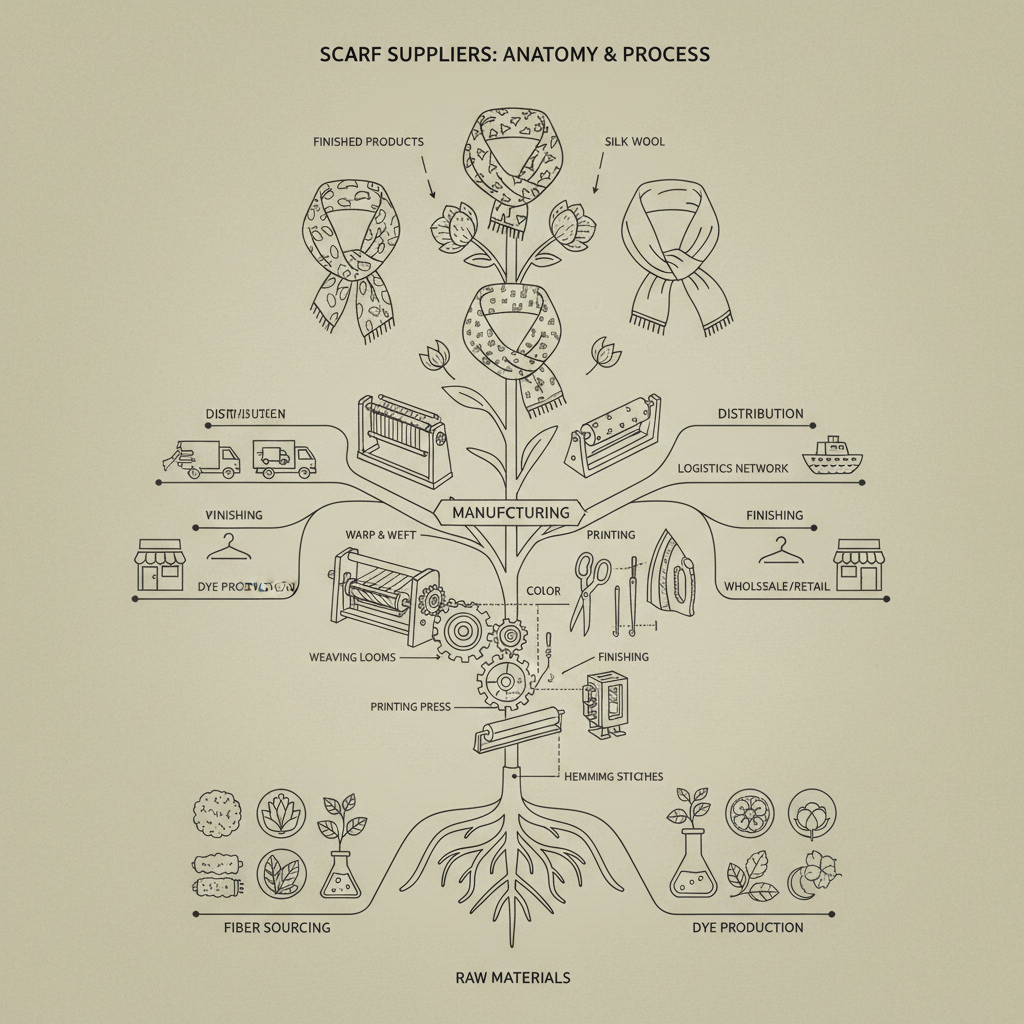
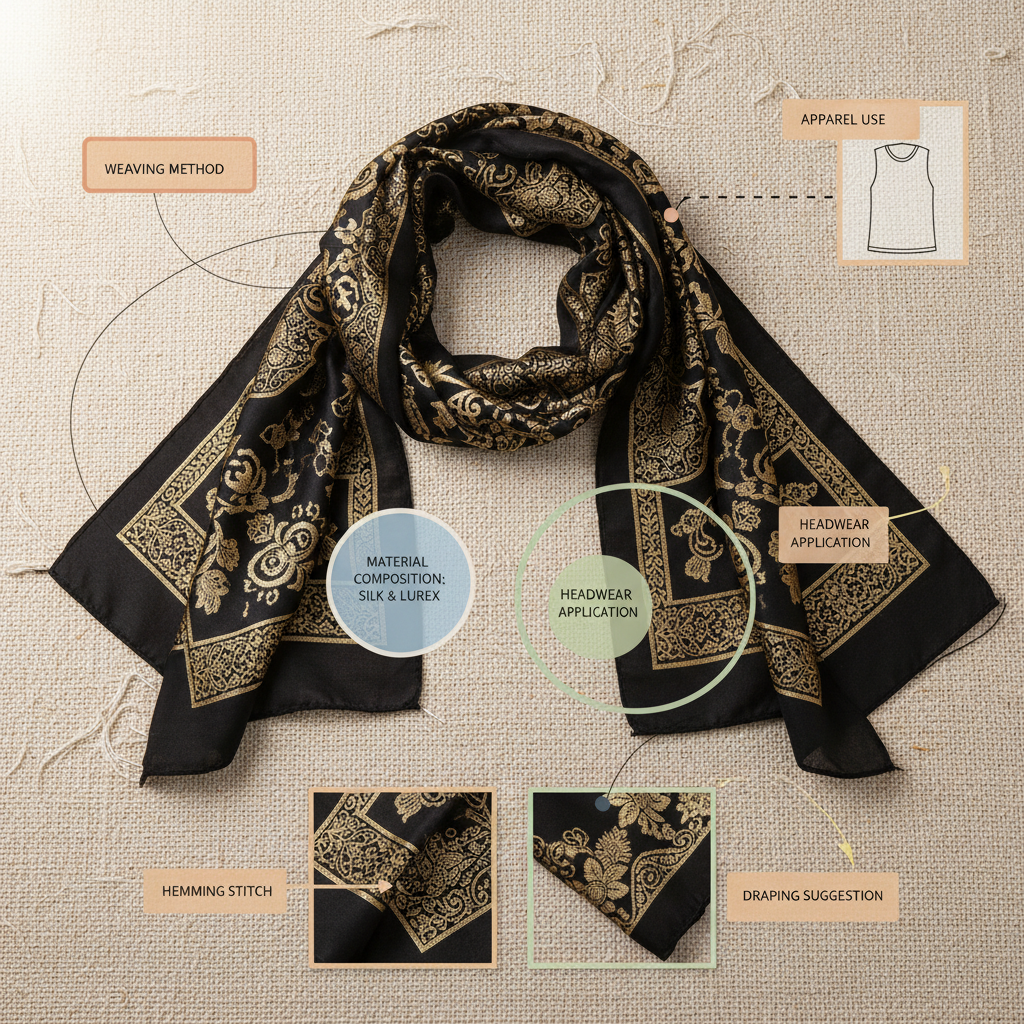
As the leaves change and a crispness fills the air, the demand for comfort and style increases, leading many to seek the perfect autumn scarf. This isn't merely a fashion accessory; it's a cultural symbol, a practical necessity in cooler climates, and a versatile addition to any wardrobe. The global appeal of the autumn scarf stems from its ability to provide warmth, protection, and a touch of individual expression, transcending geographical boundaries and socio-economic levels.
The autumn scarf industry is a significant contributor to the textile market, with a global market value reaching billions of dollars annually. Data from the World Trade Organization indicates consistent growth in textile trade, fueled by seasonal demand for items like scarves. However, challenges remain, including sustainable sourcing of materials, fair labor practices, and adapting to evolving consumer preferences for eco-friendly and ethically produced goods.
Understanding the nuances of the autumn scarf – from its diverse materials and production techniques to its varied styles and cultural significance – empowers consumers to make informed choices and appreciate the craftsmanship behind this timeless accessory. Moreover, a deeper understanding helps businesses innovate, enhance sustainability, and respond effectively to market demands in a dynamic global landscape.
The Essence of the Autumn Scarf
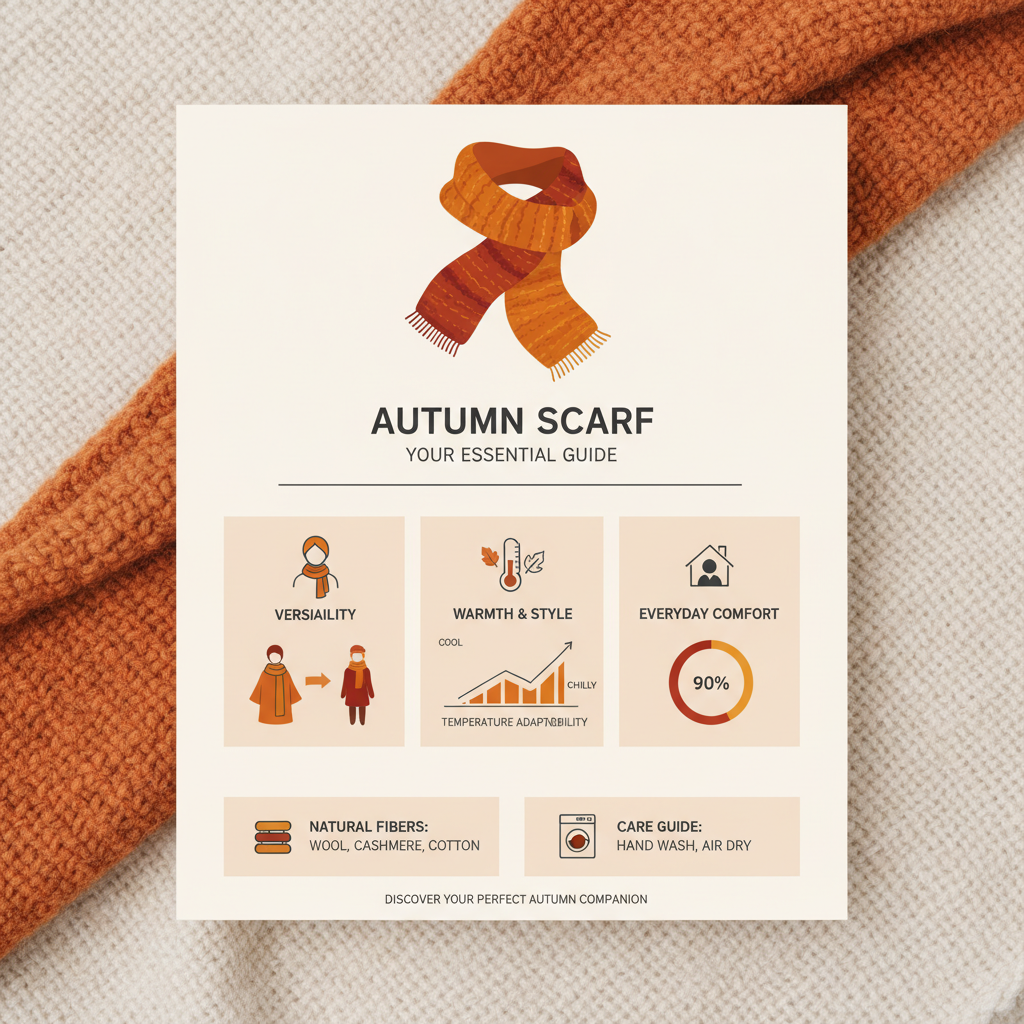
The autumn scarf embodies a sense of cozy sophistication, offering warmth and style during the transition from summer to winter. Its enduring appeal lies in its versatility – it can be draped, knotted, or wrapped in countless ways to complement any outfit. From rustic wool to luxurious silk, the choice of material significantly impacts the scarf’s texture, drape, and overall aesthetic.
The symbolic weight of the autumn scarf is substantial. It represents comfort, protection, and a connection to the changing seasons. It’s an accessory that seamlessly blends practicality with personal expression, offering a subtle yet impactful statement of style and individuality.
Defining the Autumn Scarf
An autumn scarf is broadly defined as a length of fabric worn around the neck or head for warmth, protection, or decorative purposes, specifically during the autumn and early winter months. It differentiates itself from other scarves through its typical composition – often heavier-weight materials suited for cooler temperatures – and its association with autumnal color palettes and textures.
The modern industry relies heavily on understanding seasonal trends and consumer preferences. The autumn scarf is a prime example of a product deeply embedded in seasonal demand, driving textile production, retail sales, and fashion forecasting. Its relevance extends beyond mere functionality, impacting fashion trends, cultural expression, and personal identity.
From a humanitarian perspective, scarves can also offer essential warmth and protection in emergency relief situations or for vulnerable populations facing harsh weather conditions. This dual nature – as both a fashion statement and a practical necessity – underscores its broad significance.
Key Characteristics of Autumn Scarves
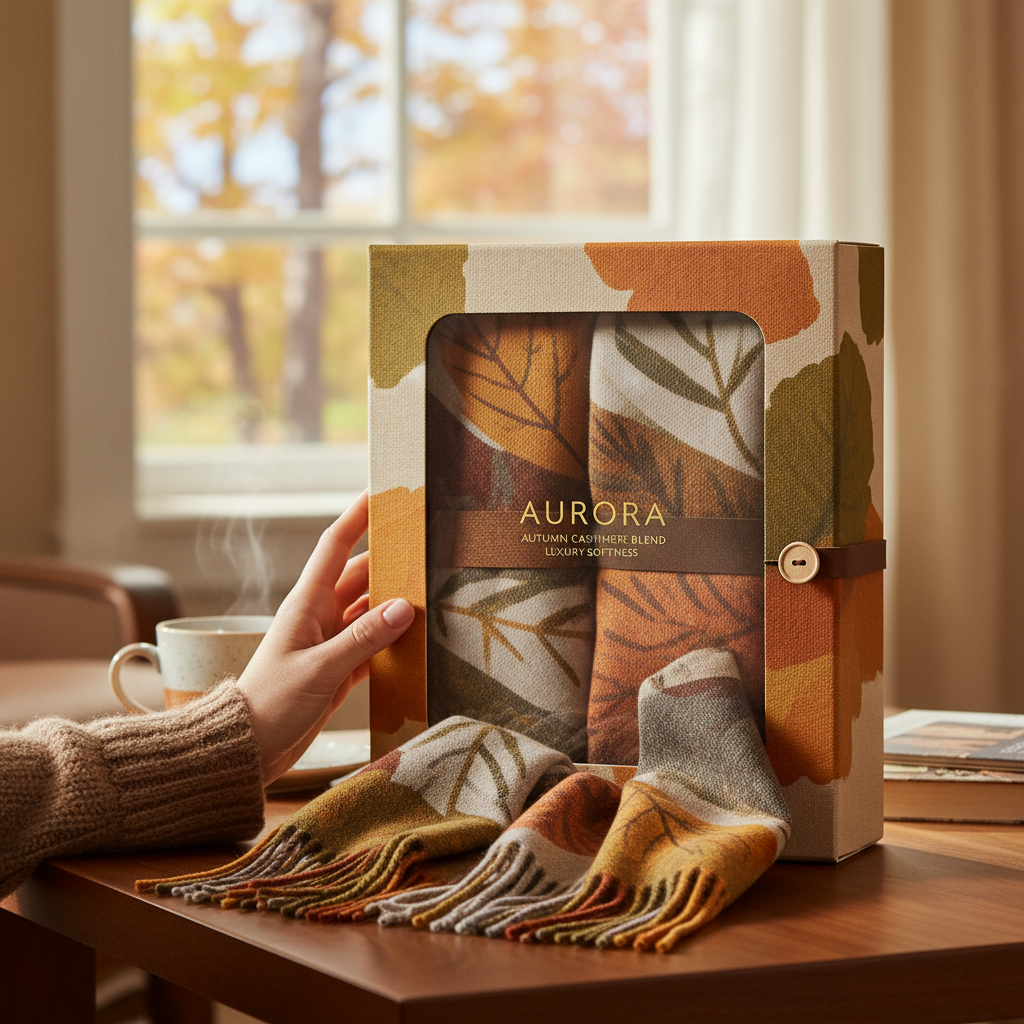
Several key characteristics define a quality autumn scarf. First is its weight and texture – typically heavier than summer scarves to provide adequate warmth. Secondly, the color palette frequently reflects autumnal tones like rust, burgundy, olive green, and mustard yellow. Patterning can range from classic plaids and checks to intricate floral designs or abstract prints.
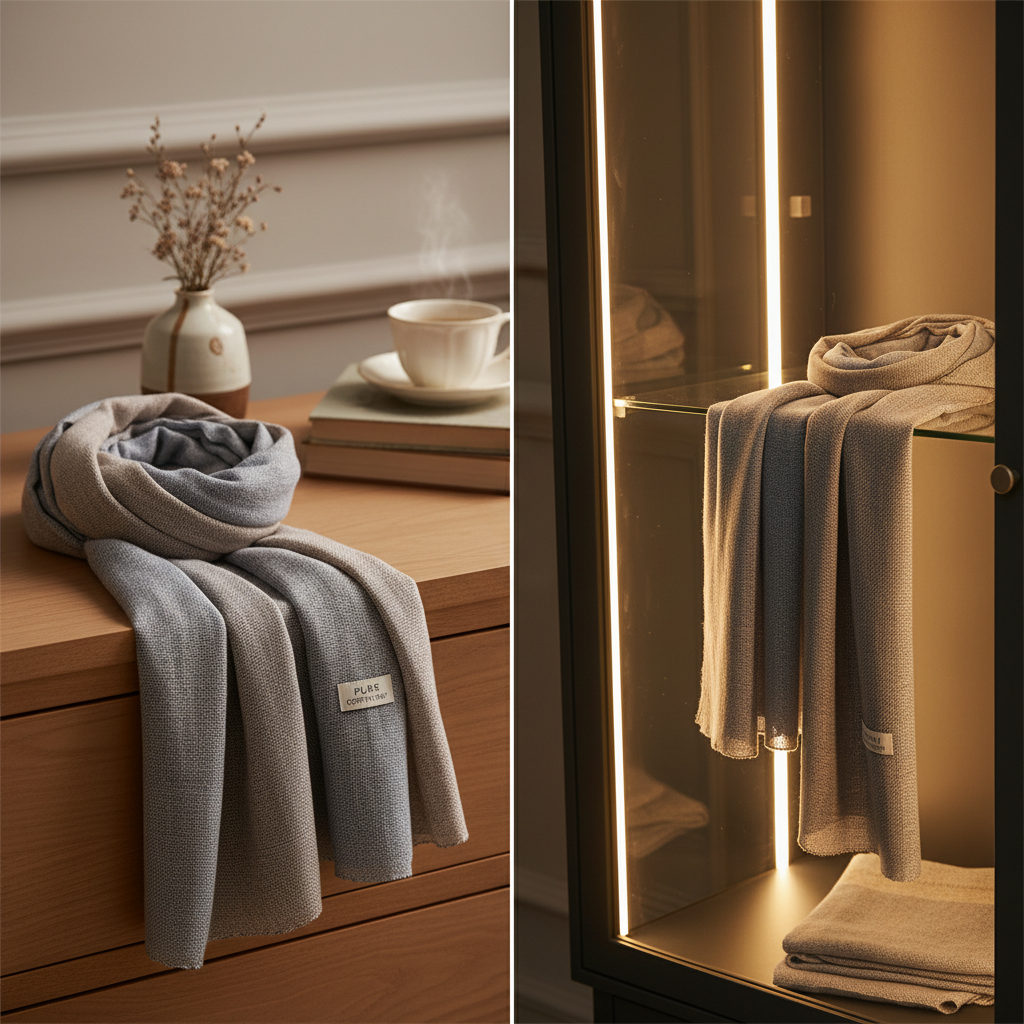
Beyond aesthetics, the drape and feel of the scarf are crucial. A well-made autumn scarf should hang beautifully and feel comfortable against the skin. The finishing details, such as fringing or tassels, also contribute to the overall quality and visual appeal. Furthermore, the versatility of the scarf – its ability to be styled in multiple ways – adds to its enduring popularity.
Finally, the durability of the materials used is essential, ensuring the scarf can withstand regular wear and washing without losing its shape or color. A high-quality autumn scarf is an investment piece designed to last for many seasons, making it a sustainable and practical choice.
Material Composition and Quality
The material composition profoundly impacts the quality and characteristics of an autumn scarf. Common materials include wool (merino, cashmere, lambswool), silk, cotton, linen, and synthetic blends like acrylic and polyester. Wool offers exceptional warmth and insulation, while silk provides a luxurious drape and feel. Cotton and linen are breathable and lightweight, making them suitable for milder autumn days.
The quality of the material is assessed based on factors like fiber length, fineness, and density. Longer, finer fibers generally result in softer, more durable fabrics. The weaving or knitting technique also plays a crucial role – tighter weaves create a denser, warmer fabric, while looser weaves offer a more relaxed drape.
Autumn Scarf Material Performance Ratings
Global Applications and Styling
The styling of an autumn scarf varies considerably across cultures. In Europe and North America, it’s often worn as a fashion accessory, draped loosely around the neck or tied in various knots. In colder regions, it’s primarily used for warmth, wrapped tightly to protect against the elements.
In many Asian countries, scarves hold cultural significance, often incorporated into traditional attire or used to signify social status. The use of vibrant colors and intricate patterns is common. The autumn scarf has become a globally recognized symbol of style and practicality, adapted and reinterpreted in countless ways.
Advantages and Enduring Appeal
The enduring appeal of the autumn scarf lies in its multifaceted advantages. It offers practical benefits – warmth and protection from the cold – while simultaneously serving as a versatile fashion accessory. This combination of functionality and style makes it a valuable addition to any wardrobe.
From a sustainability standpoint, choosing natural, ethically sourced materials contributes to a more responsible consumption pattern. The long lifespan of a well-made scarf further enhances its sustainability. The emotional value – the sense of comfort, coziness, and personal expression – also contributes to its enduring popularity.
Finally, the affordability of many autumn scarves makes them accessible to a wide range of consumers, ensuring its continued relevance across socio-economic levels.
Future Trends in Autumn Scarf Design
Future trends in autumn scarf design point towards increased sustainability, innovative materials, and personalized styling options. Expect to see more scarves made from recycled fibers, organic cotton, and other eco-friendly materials.
Digital printing technologies will allow for greater customization and intricate designs. We can also anticipate the integration of smart textiles – fabrics with embedded sensors or heating elements – offering enhanced functionality and comfort.
The rise of slow fashion and mindful consumption will further drive demand for high-quality, durable scarves designed to last for years. A focus on ethical production and transparency will become increasingly important to consumers.
Analysis of Future Trends in Autumn Scarf Development
| Trend Category |
Impact on Material |
Consumer Adoption Rate (1-10) |
Potential Market Growth |
| Sustainable Materials |
Increased use of recycled fibers, organic cotton, and plant-based dyes. |
8 |
High |
| Digital Printing |
Enables customized designs and reduced waste. |
7 |
Moderate |
| Smart Textiles |
Integration of heating elements or sensors for enhanced functionality. |
5 |
Low (currently) |
| Personalized Styling |
On-demand design and bespoke tailoring services. |
6 |
Moderate |
| Ethical Production |
Fair labor practices and transparent supply chains. |
9 |
High |
| Slow Fashion Focus |
Durable, high-quality scarves designed for longevity. |
7 |
Moderate |
FAQS
For optimal warmth, materials like merino wool, cashmere, and lambswool are excellent choices. These fibers provide superior insulation and are incredibly soft against the skin. Blends containing a high percentage of these natural fibers are also a good option. However, consider your personal sensitivities and allergies when selecting a material.
Silk autumn scarves require gentle care. Hand washing in cool water with a mild detergent is recommended. Avoid harsh chemicals or bleach. Lay flat to dry, away from direct sunlight. Iron on a low setting, and consider using a pressing cloth to protect the fabric. Dry cleaning is also a viable option.
While some wool autumn scarves are labeled as machine washable, it’s generally best to hand wash them to prolong their lifespan. If machine washing, use a cold water cycle with a wool-specific detergent and place the scarf in a mesh laundry bag. Avoid the dryer, as heat can cause shrinkage and damage. Lay flat to dry.
Currently, earthy tones like rust, olive green, burnt orange, and deep burgundy are highly popular for autumn scarves. Neutral shades like beige, cream, and charcoal grey also remain classic choices. Expect to see a continued trend towards rich, warm colors that complement the autumn landscape.
An autumn scarf can be styled in countless ways! For a casual look, drape it loosely around your neck. For a more polished look, tie it in a Parisian knot or a simple overhand knot. It can also be used as a head wrap or tied to your handbag for a pop of color. The possibilities are endless!
Yes! Numerous brands prioritize sustainability in their production processes. Look for brands that use organic cotton, recycled fibers, or ethically sourced wool. Consider brands that are transparent about their supply chains and committed to fair labor practices. Researching brand certifications (like GOTS) can also be helpful.
Conclusion
The autumn scarf is far more than a mere fashion accessory; it’s a versatile, culturally significant, and often sustainable addition to any wardrobe. Its enduring appeal stems from its ability to provide warmth, style, and a touch of personal expression, adapting to diverse cultures and individual preferences. Understanding its materials, construction, and styling options allows for informed choices and a greater appreciation for this timeless piece.
As we look to the future, continued innovation in sustainable materials and production techniques will undoubtedly shape the evolution of the autumn scarf. By embracing eco-conscious choices and supporting ethical brands, we can ensure that this beloved accessory remains a symbol of both style and responsibility for generations to come. Visit our website at www.wwscarf.com to explore our collection.