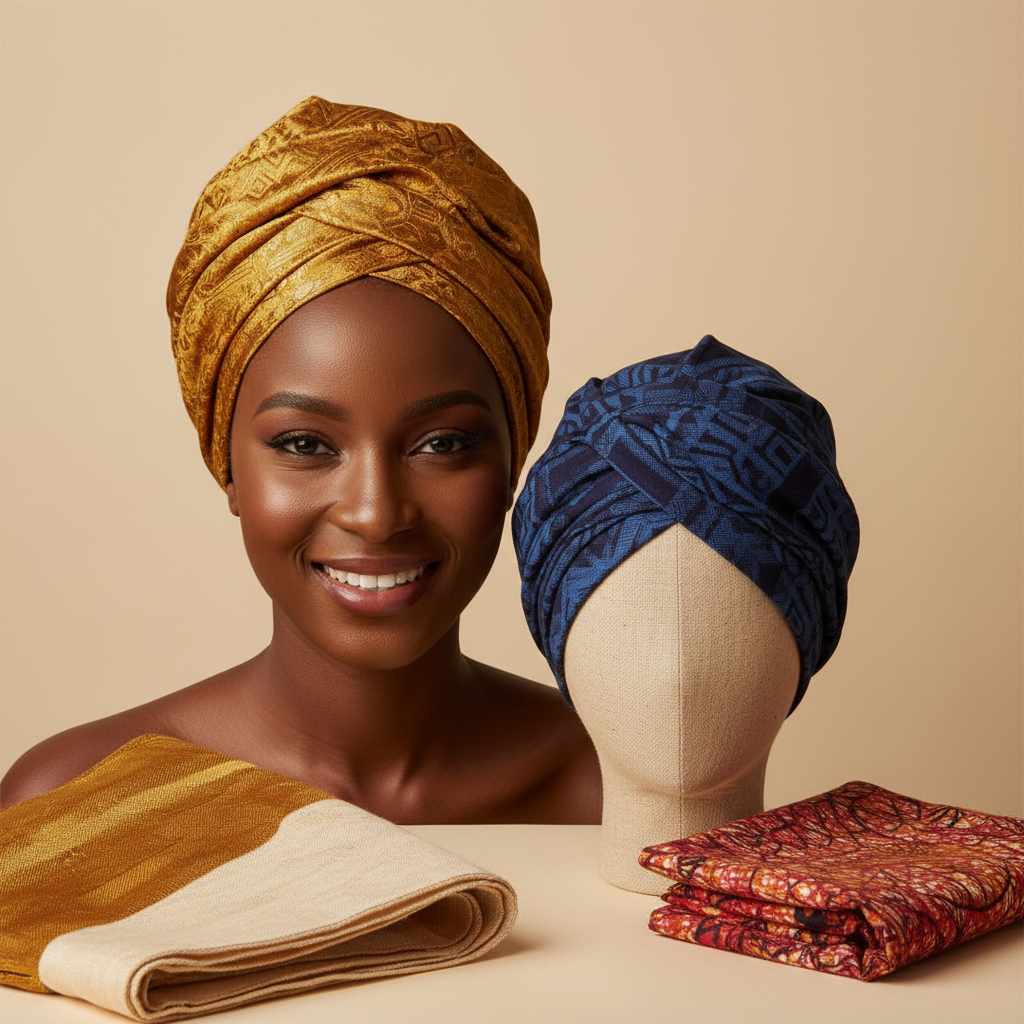
The arafat scarf, deeply rooted in Palestinian identity and symbolism, has transcended its origins to become a globally recognized emblem of solidarity, resistance, and cultural heritage. Its journey from a practical head covering to a potent political statement is a compelling narrative. Understanding the arafat scarf isn’t merely appreciating a textile; it's engaging with a complex history and a powerful symbol of self-determination.
This iconic headscarf, often referred to as a keffiyeh, has witnessed and reflected significant moments in the 20th and 21st centuries. Its adoption by figures across the political spectrum, from revolutionary leaders to fashion icons, highlights its multifaceted appeal. The increasing demand for authentically sourced arafat scarves also reflects a growing consciousness about ethical production and cultural appropriation.
The continued relevance of the arafat scarf in diverse contexts – from protests and demonstrations to everyday fashion – speaks to its enduring power as a visual representation of identity, belief, and belonging. It is a tangible connection to a history of struggle and a symbol of hope for a more just future.
The Historical and Cultural Significance of arafat scarf
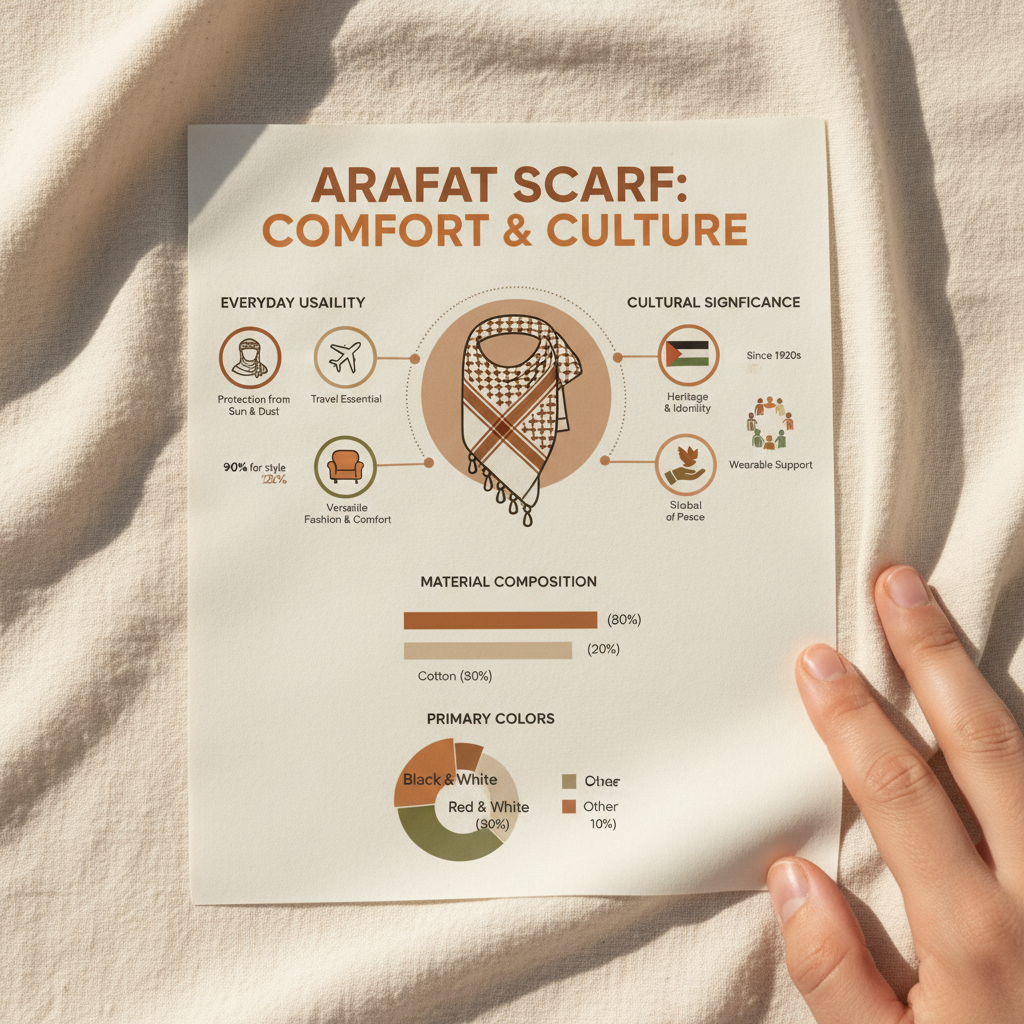
The arafat scarf boasts a rich history deeply intertwined with the Bedouin traditions of the Levant. Originally a practical garment used by men for protection against the harsh desert elements – sun, wind, and sand – it gradually evolved into a symbol of Arab culture and identity. Its distinctive black and white checkered pattern carries cultural weight, representing lineage and community affiliation.
The scarf gained global recognition through Yasser Arafat, who consistently wore it as a signature element of his appearance. This association solidified the arafat scarf as a symbol of Palestinian nationalism and the struggle for self-determination. It’s become a potent visual shorthand for resistance and political activism worldwide.
Defining the arafat scarf: Origins and Evolution
The term 'arafat scarf' has become almost synonymous with the keffiyeh, a traditional Middle Eastern headdress. However, the association with Arafat specifically boosted the scarf’s international profile. The keffiyeh itself has roots in the Bedouin communities of Palestine, Jordan, and Syria, with variations in pattern and color signifying tribal affiliation and regional origin.
Over time, the arafat scarf’s symbolism expanded beyond its regional origins. It was adopted by activists and supporters of the Palestinian cause globally, becoming a universal sign of solidarity. Today, it’s also embraced within fashion, representing a blend of cultural heritage and contemporary style, though often sparking debate around cultural appropriation.
Understanding the historical context is crucial. The arafat scarf represents not just a piece of cloth, but a complex history, a contested identity, and a powerful symbol of resistance. Its evolution continues to reflect shifting geopolitical landscapes and evolving cultural trends.
Key Characteristics of Authentic arafat scarf
Authentic arafat scarves are traditionally crafted from cotton, offering breathability and comfort in hot climates. The classic pattern features a black and white checked design with a distinctive black rope-like border. However, variations exist with different patterns and colors, often signifying specific regional or tribal identities.
Genuine arafat scarves are known for their durability and quality. They are typically hand-loomed, showcasing the skill and artistry of traditional weavers. The texture and weave can vary, providing clues about the scarf’s origin and authenticity. Beware of mass-produced imitations that often lack the quality and symbolism of the original.
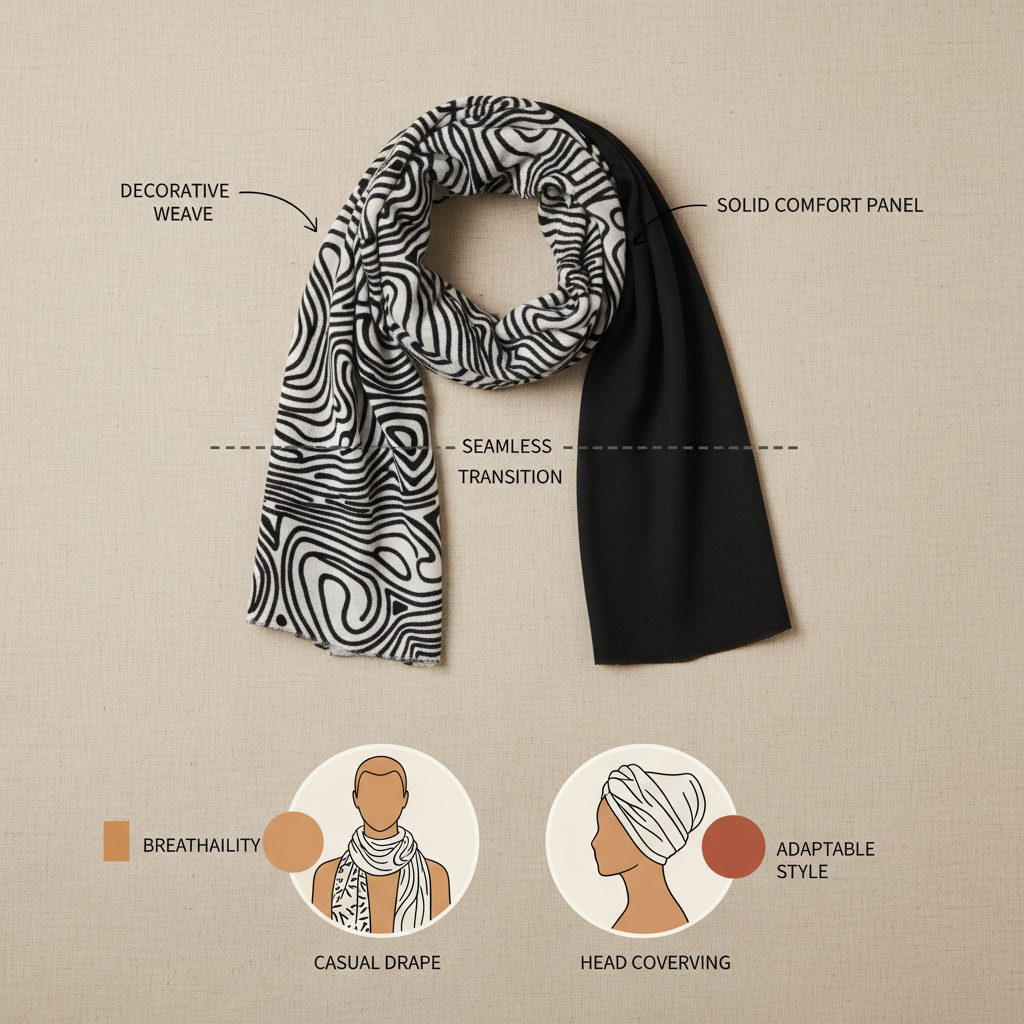
The size of an arafat scarf is also a key characteristic, usually around 100cm x 100cm. This allows for versatile wearing styles – draped around the neck, over the head, or wrapped as a shoulder covering. The choice of material and weaving technique directly impacts the scarf’s comfort and suitability for different climates and activities.
The Production and Materials of arafat scarf
Traditionally, arafat scarves are made from high-quality cotton grown and processed in the Palestinian territories, particularly in the Hebron region. The cotton is spun into yarn and then woven on handlooms, often by family-run workshops. This supports local economies and preserves traditional craftsmanship.
The dyeing process utilizes natural dyes, resulting in the characteristic black and white checkered pattern. Increasingly, however, synthetic dyes are used due to cost and production efficiency. This shift has raised concerns about environmental sustainability and the potential impact on the quality of the finished product.
Production Stages of arafat scarf
Global Usage and Symbolic Representation of arafat scarf
The arafat scarf’s symbolism extends far beyond its geographical origins. It has been adopted by activists protesting various forms of injustice, from political oppression to environmental destruction. Its visual impact makes it a powerful statement of solidarity and resistance.
In recent years, the arafat scarf has also gained popularity as a fashion accessory. While this has raised awareness of the garment, it has also sparked debate about cultural appropriation and the commodification of a powerful symbol.
Advantages of Using arafat scarf
Beyond its symbolic meaning, the arafat scarf offers practical benefits. Its breathable cotton construction provides protection from the sun, wind, and dust, making it ideal for various outdoor activities. It's versatile and can be worn in multiple ways, providing comfort and functionality.
The arafat scarf’s enduring appeal also lies in its connection to a rich cultural heritage. Wearing it can be a way to express solidarity with the Palestinian people and support their struggle for self-determination. It’s a visible sign of commitment to justice and equality.
Furthermore, by purchasing authentic arafat scarves from reputable sources, consumers can contribute to supporting Palestinian artisans and preserving traditional craftsmanship. This ethical consumption fosters economic empowerment within the communities that have historically produced these iconic garments.
Future Trends and Innovations in arafat scarf Design and Production
There's a growing movement towards sustainable and ethical production practices in the arafat scarf industry. This includes using organic cotton, natural dyes, and supporting fair trade initiatives. Innovations in weaving techniques could also lead to more durable and comfortable scarves.
Design trends are also evolving. While the classic black and white checkered pattern remains iconic, designers are experimenting with new colors, patterns, and embellishments, creating variations that appeal to a wider audience. However, preserving the original symbolism and cultural significance is crucial.
The use of digital technologies, such as 3D printing and computer-aided design, could also revolutionize the production process, allowing for greater customization and efficiency. However, it’s important to balance innovation with the preservation of traditional craftsmanship and the livelihoods of Palestinian artisans.
Key Production and Sustainability Metrics for arafat scarf
| Material Sourcing |
Production Method |
Dyeing Process |
Ethical Labor Practices |
| Locally Sourced Cotton |
Hand-Loom Weaving |
Natural Dyes |
Fair Wages & Safe Conditions |
| Organic Cotton |
Semi-Automated Weaving |
Low-Impact Synthetic Dyes |
Compliance with Labor Standards |
| Imported Cotton |
Machine Weaving |
Conventional Synthetic Dyes |
Minimal Labor Oversight |
| Recycled Cotton |
Hybrid Weaving (Hand & Machine) |
Plant-Based Dyes |
Community-Based Production |
| Sustainable Cotton Blends |
Automated Weaving |
Water-Efficient Dyeing Techniques |
Transparent Supply Chain |
| Conventional Cotton |
Fully Automated Weaving |
High-Impact Synthetic Dyes |
Limited Labor Protections |
FAQS
The arafat scarf’s history is deeply rooted in Bedouin culture, initially used for practical protection against the desert elements. Its modern significance stems from its adoption by Yasser Arafat, transforming it into a symbol of Palestinian nationalism and resistance. Over time, it has become a globally recognized emblem of solidarity and self-determination, worn by activists and supporters worldwide. Its enduring appeal reflects a complex history of struggle, identity, and hope.
Authentic arafat scarves are typically made from high-quality cotton and hand-loomed, exhibiting a unique texture and weave. They often feature natural dyes, resulting in a slightly faded or uneven color. Look for the traditional black and white checkered pattern with a distinct black rope-like border. Beware of mass-produced imitations made from synthetic materials with a uniform, machine-made appearance. Supporting certified Palestinian artisans guarantees authenticity.
Wearing an arafat scarf can be a sensitive topic. While it's not inherently appropriation, it's crucial to be mindful of its historical and political significance. Wearing it as a fashion statement without understanding its symbolism can be seen as disrespectful. However, wearing it in solidarity with the Palestinian cause, or as a symbol of resistance against injustice, is generally considered acceptable and even supportive.
The arafat scarf is incredibly versatile. It can be draped around the neck, over the head (like Arafat famously did), wrapped around the face for protection from sandstorms, or worn as a shoulder covering. Different wrapping styles can also represent different cultural or political affiliations. Tutorials online demonstrate various methods for styling the scarf in unique and meaningful ways.
Purchasing directly from Palestinian artisans or certified retailers is the best way to ensure authenticity and support the local economy. Many online platforms specialize in fair trade products and connect consumers with Palestinian craftspeople. Look for vendors that provide transparent information about their sourcing and production practices.
The future of arafat scarf production likely involves a greater emphasis on sustainability and ethical practices. Expect to see increased use of organic cotton, natural dyes, and fair trade initiatives. Innovations in weaving techniques may also improve efficiency and durability. Balancing traditional craftsmanship with modern technologies will be crucial for ensuring the long-term viability of this iconic garment.
Conclusion
The arafat scarf stands as more than just a textile; it’s a powerful symbol of identity, resistance, and cultural heritage. Its journey from a practical garment to a global icon reflects a complex history and evolving social landscape. Understanding its significance requires acknowledging its roots in Bedouin tradition, its association with Palestinian nationalism, and its adoption by activists worldwide.
Looking ahead, prioritizing sustainable production practices, supporting Palestinian artisans, and approaching its symbolism with respect are crucial. The arafat scarf's enduring appeal lies in its ability to connect people to a shared history and inspire solidarity. Learn more about this rich cultural symbol and find your own authentic arafat scarf today at www.wwscarf.com.