Nov . 11, 2025 17:30 Back to list
Choosing Your Abaya Fashion
In the world of Islamic modest wear, the abaya fashion landscape has undergone a remarkable transformation. No longer confined to a simple black cloak, the contemporary abaya dress muslim women choose today is a powerful expression of both faith and personal identity. This elegant garment, rooted in the Islamic principle of modesty, has blossomed into a dynamic global fashion category, embracing a spectrum of designs, fabrics, and embellishments that cater to the modern woman's diverse lifestyle. The journey of selecting the perfect abaya is a deeply personal one, balancing religious observance, cultural influences, and individual style. Whether seeking a versatile piece for daily wear, a dignified islamic prayer abaya for worship, or a statement-making ensemble for a special occasion, understanding the nuances of abaya fashion is key to building a wardrobe that feels both authentic and inspiring.
This evolution in design is supported by manufacturers who deeply understand these shifting needs, such as Xinji Weiwei Textile, which has leveraged its expertise in producing high-quality Muslim scarves and Sudanese toubs to inform its approach to garment construction. Their vertically integrated facility, with complete weaving, printing, and processing workshops, ensures that every abaya dress muslim garment is crafted with precision, from the initial fabric selection to the final stitch, meeting the highest standards of quality and design integrity.
Understanding the Foundations of Abaya Fashion
- At its core, the abaya dress muslim women wear is a symbol of faith, privacy, and dignity.
- Traditionally, it is a loose-fitting, full-length robe intended to conceal the shape of the body in public, as per Islamic teachings on modesty.
The foundational principles of abaya fashion are built upon this concept of modesty, ensuring the garment is not form-fitting, transparent, or overly adorned in a way that draws undue attention. However, within these guidelines, there exists a beautiful space for creativity and self-expression. The modern abaya fashion scene is a vibrant tapestry woven from diverse cultural traditions.
A well-chosen abaya dress muslim staple can be styled up or down with different hijabs, accessories, and inner clothing, making it a cost-effective and practical addition to your collection. The production of such a versatile garment requires a deep understanding of both tradition and trend. A manufacturer like Xinji Weiwei Textile, with its 20 years of experience and a team of 500 elite employees dedicated to design and R&D, is perfectly positioned to create abayas that honor traditional modesty requirements while incorporating contemporary silhouettes and details that appeal to the modern consumer.
Selecting the Perfect Islamic Prayer Abaya
The islamic prayer abaya holds a special place within a Muslim woman's wardrobe. The primary consideration for a prayer abaya is ease of movement and complete coverage during the postures of sujood and rukoo. Therefore, the ideal islamic prayer abaya is typically lightweight, made from breathable fabrics that allow for unrestricted motion. Many women prefer a simple, minimalist design for their islamic prayer abaya to help maintain focus and spiritual tranquility without distracting embellishments.
Functionality often extends to portability; a lightweight and easily packable islamic prayer abaya is essential for women who pray at work or while traveling. Fabrics play a crucial role in meeting these needs. Soft, natural blends like high-quality cotton voile or lightweight chiffon are excellent choices as they are breathable, comfortable for extended wear, and drape beautifully without adding bulk. The manufacturing process must ensure that these fabrics are handled with care. In a factory environment like that of Xinji Weiwei Textile, which spans 10,000 square meters and includes a dedicated weaving workshop, the control over fabric production from yarn to finished cloth is critical. This allows for the creation of specialized fabrics that are both soft to the touch and durable enough for daily use, ensuring that the islamic prayer abaya is not only spiritually suitable but also practical and long-lasting.
Navigating Styles and Fabrics in Your Abaya Dress Muslim Wardrobe
Building a versatile wardrobe of abaya dress muslim options involves navigating a delightful array of styles, silhouettes, and fabrics, each suited to different occasions and personal preferences.
- The classic closed abaya remains a timeless choice, often featuring a front zipper or button placket.
- Meanwhile, the open front abaya has surged in popularity for its layering potential, allowing women to wear it over a variety of inner outfits, from simple dresses to tailored trousers and tops.
- For daily wear, breathable materials like cotton, jersey, and crepe are ideal for their comfort and ease of care.
- For formal occasions, luxurious fabrics such as chiffon, silk, and satin elevate the abaya dress musliminto an ensemble of elegance, often accompanied by intricate embroidery, sequin work, or digital printing. The artistry involved in creating these fabrics and embellishments is where manufacturing excellence shines.
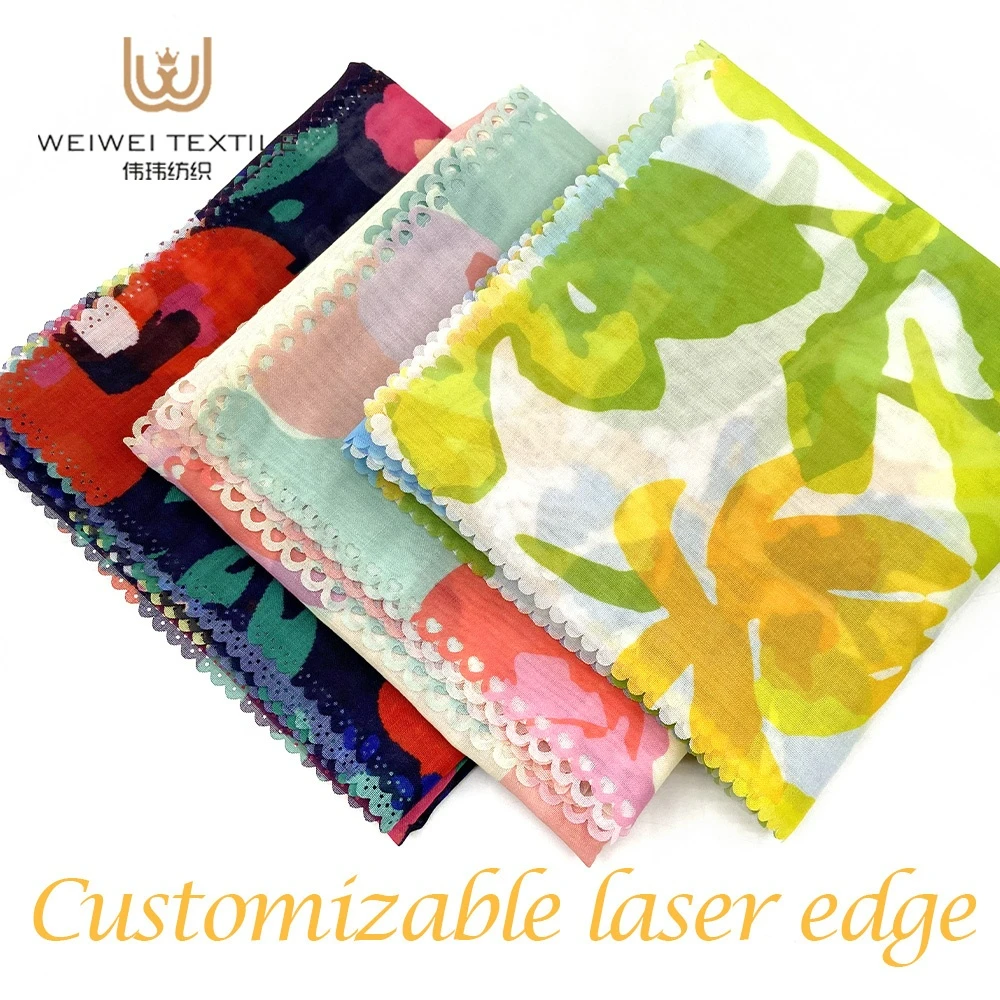
A company with a complete production line, including an advanced printing workshop and finished product processing unit, can offer a level of detail and quality that sets their garments apart. For instance, the ability to execute "any hot stamping design, as well as color stamping, silver stamping," as offered by Xinji Weiwei Textile, allows for unique and personalized abaya fashion pieces. This capability to customize—whether it's the size, the logo, or the entire stamping design—ensures that each abaya dress muslim can be tailored to the specific aesthetic desires of the wearer, moving beyond mass production to create truly personal garments.
FAQs about Your Abaya Fashion
What are the key differences between a daily wear abaya and an islamic prayer abaya?
A daily wear abaya dress muslim is designed for public life and often incorporates current fashion trends, diverse fabrics, and sometimes more decorative elements. In contrast, an islamic prayer abaya is designed specifically for the act of worship. Its focus is on simplicity, comfort, and ensuring complete coverage during the physical movements of prayer. It is typically made from lighter, more breathable fabrics and features a minimalist design to avoid distraction and facilitate spiritual focus.
How can I ensure the quality of an abaya dress muslim before purchasing?
Assessing the quality of an abaya dress muslim involves checking several elements.
- First, examine the fabric: it should feel substantial and soft, not cheap or flimsy, and the color should be even without bleeding.
- Second, inspect the stitching: seams should be straight, secure, and finished neatly without loose threads. Look for reinforced stitching at stress points like the armholes and plackets.
- Finally, consider the source.
What customization options are typically available for abaya dress muslim?
The realm of customization in abaya fashion has expanded significantly. Common options include custom sizing to ensure a perfect, modest fit for all body types. Design customization can range from selecting your own fabric and color to adding personalized elements.
Are there specific abaya dress muslims that are better for different climates?
Absolutely. In hot and humid climates, opt for an abaya dress muslim made from lightweight, breathable natural fabrics like cotton voile or chiffon, often in lighter colors that reflect sunlight. Loose, flowing silhouettes like the classic A-line or kimono styles allow for better air circulation. In cooler climates, heavier fabrics like wool blends, double-knit crepe, or jersey are more suitable. darker colors are common, and styles with long sleeves and a more closed front provide better warmth.
How is the modern abaya fashion industry addressing diverse cultural preferences?
The modern abaya fashion industry is increasingly global and inclusive, actively embracing diverse cultural influences. While the black abaya remains iconic in the Gulf region, designers and manufacturers now draw inspiration from a wide range of traditions.
In conclusion, the journey of choosing your abaya fashion is a deeply rewarding process that intertwines faith, culture, and personal identity. The modern abaya dress muslim women choose today is a testament to how modesty and fashion can coexist in beautiful harmony. From the functional purity of an islamic prayer abaya to the sophisticated elegance of a designer piece for a wedding, this versatile garment meets the needs of the contemporary Muslim woman in all her facets.As the industry continues to evolve, supported by skilled manufacturers who value quality and customization, the possibilities for individual expression within the framework of abaya fashion will only continue to grow, empowering women worldwide to dress with both modesty and confidence.
-
Xinji Weiwei Textile Factory to Exhibit at the 139th Canton Fair
NewsApr.15,2026
-
Abaya Robe: Tradition, Elegance, and Daily Cultural Expression
NewsApr.15,2026
-
Satin Scarves and Hijabs: A Reflection of Tradition, Elegance, and Daily Practice
NewsApr.15,2026
-
Chiffon Scarf Hijab: A Blend of Tradition, Style, and Everyday Practice
NewsApr.15,2026
-
Exploring Hijab Fashion in Malaysia: Tradition, Style, and Daily Cultural Practice
NewsApr.15,2026
-
The Cultural Significance and Style of Voile Scarves and Shawls in Daily Muslim Wear
NewsApr.15,2026