Sep . 18, 2025 11:38 Back to list
Abaya Muslim Dress: A Symbol of Modesty and Fashion in Muslim Culture
Abaya Muslim Dress is a core piece in the modest wardrobe of Muslim women, blending cultural tradition with contemporary style to meet both religious customs and daily dressing needs. Typically designed as a long, flowing outer garment that covers the body from shoulders to ankles, Abaya Muslim Dress emphasizes modesty while allowing for personal expression through fabric choices, colors, and subtle details. Made from materials ranging from lightweight cotton for warm climates to luxurious silk or crepe for special occasions, it ensures comfort during long hours of wear—whether for daily prayers, trips to the market, or family gatherings. Unlike rigid traditional garments of the past, modern Abaya Muslim Dress often features tailored cuts, adjustable waistbands, or discreet pockets, balancing cultural respect with practical functionality, making it a staple for Muslim women across different age groups and regions.
Abaya Muslim Dress serves as a versatile canvas for personal style, with variations that cater to diverse preferences within the Muslim community
For everyday wear, simple solid-colored Abaya Muslim Dress in neutral tones like black, navy, or beige are popular, as they easily pair with other modest pieces and adapt to various settings. For festive occasions such as Eid or weddings, Abaya Muslim Dress may be adorned with delicate embroidery, sequins, or lace details—often in floral or geometric patterns that reflect cultural heritage without compromising modesty. Some designs also incorporate sheer panels or layered fabrics, adding depth to the garment while maintaining full coverage. This flexibility allows Muslim women to honor their faith while showcasing their unique fashion sense, proving that Abaya Muslim Dress is far from a one-size-fits-all garment.
Muslim Abaya is not just a piece of clothing but a reflection of identity, connecting Muslim women to their cultural and religious roots
In many Muslim-majority countries, Muslim Abaya is a common sight in public spaces, serving as a visual marker of community and shared values. It also adapts to regional traditions: for example, in Gulf countries, Muslim Abaya is often paired with a headscarf and face veil for added modesty, while in South Asian regions, it may be styled with loose-fitting trousers underneath for ease of movement. Regardless of regional differences, Muslim Abaya remains consistent in its purpose—to provide a respectful and comfortable dressing option that aligns with Islamic teachings on modesty. Its enduring popularity speaks to its ability to bridge tradition and modernity, evolving with changing fashion trends while staying true to its cultural significance.
Abaya Fashion has emerged as a dynamic segment within the global modest fashion industry, redefining how Abaya is perceived and worn
Contemporary Abaya Fashion embraces innovation, with designers creating pieces that feature bold colors, unique prints, and modern silhouettes—such as A-line cuts, belted waists, or even asymmetrical hems. Social media and fashion influencers have played a key role in popularizing Abaya Fashion, showcasing creative ways to style the garment, from pairing it with statement jewelry to layering it over casual t-shirts and jeans for a fusion look. This evolution has made Abaya Fashion accessible to a wider audience, including Muslim women living in non-Muslim-majority countries, who can now find designs that suit both their cultural needs and local fashion norms. Abaya Fashion thus serves as a bridge between cultures, celebrating modesty as a timeless and inclusive style choice.
Hijab Abaya is a coordinated ensemble that combines the Abaya with a Hijab, creating a cohesive and modest look that is both practical and stylish
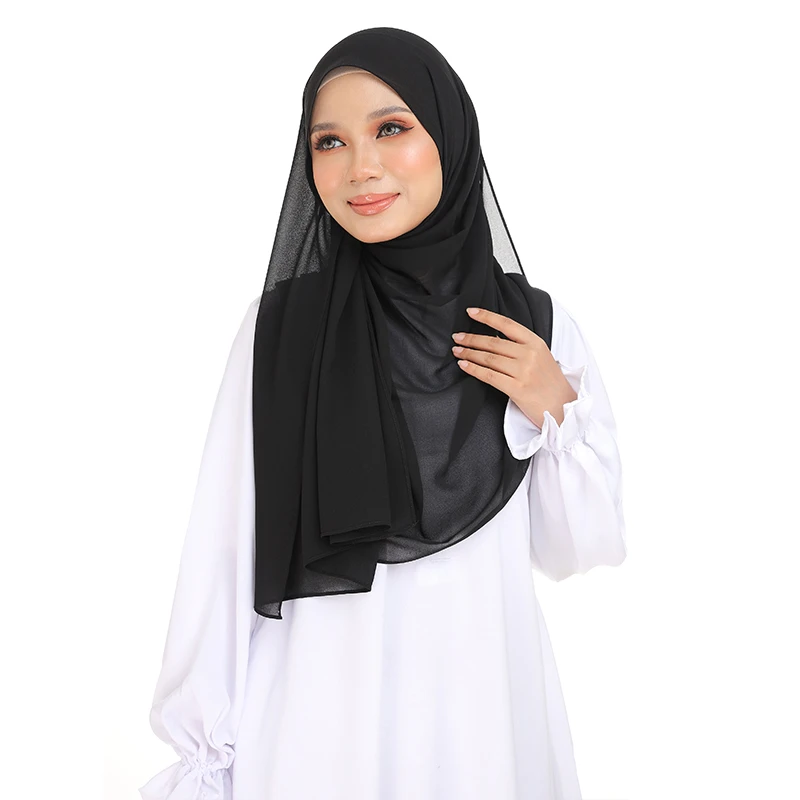
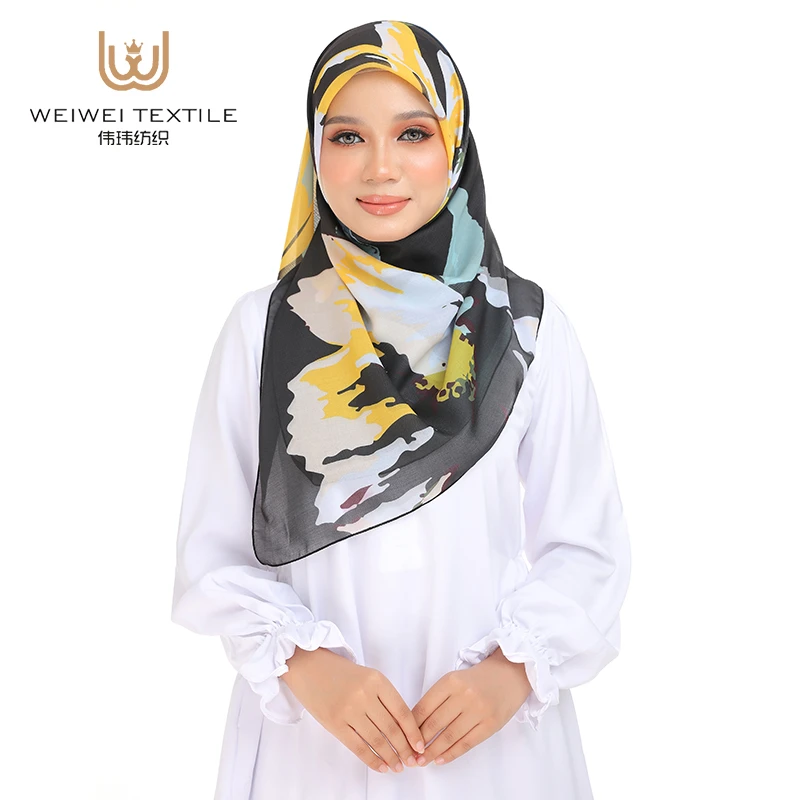
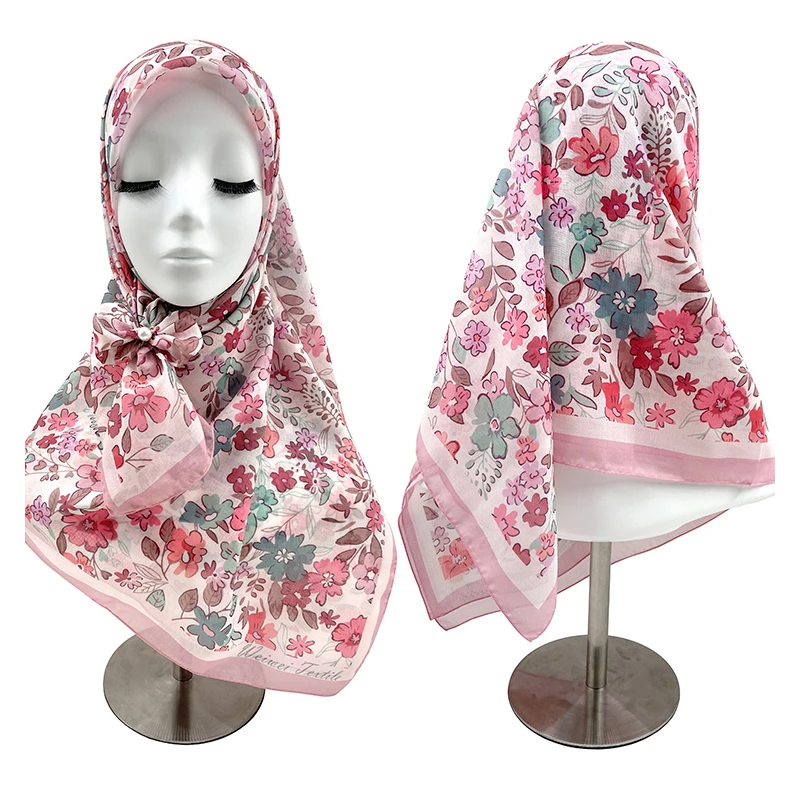
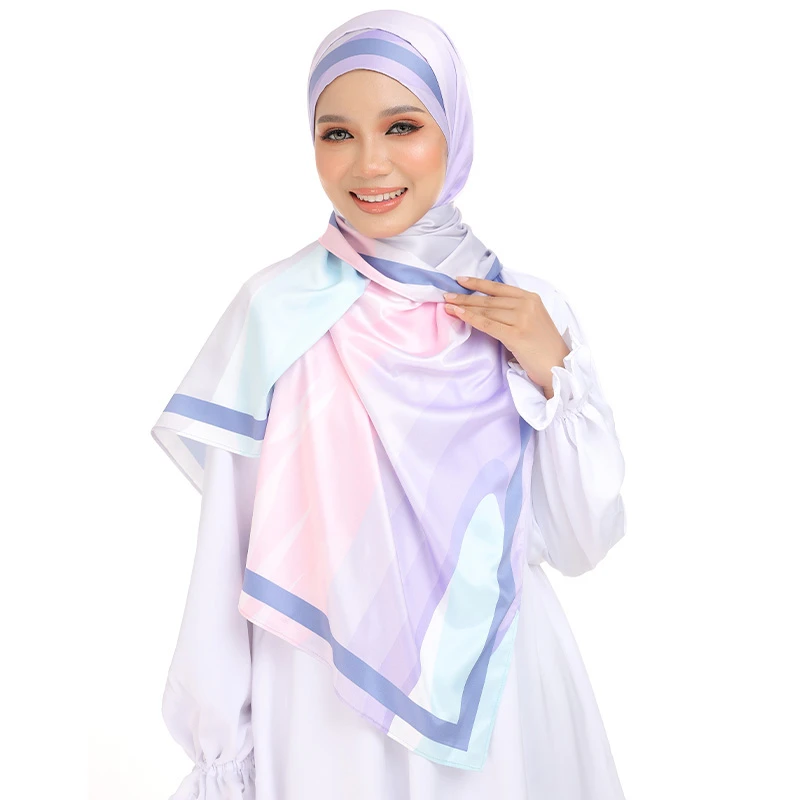
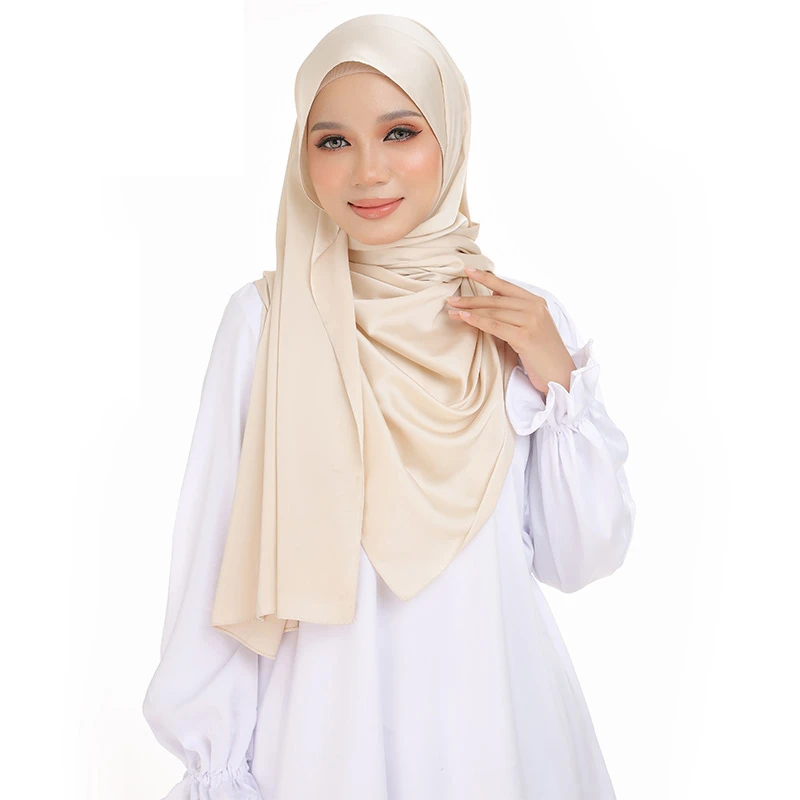
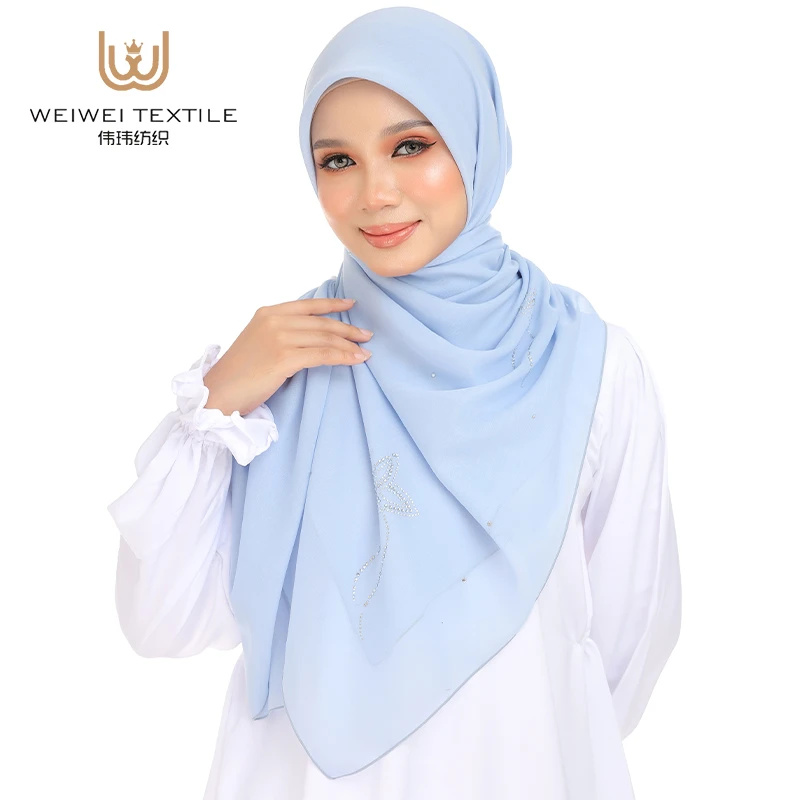
The Hijab, a headscarf that covers the hair and neck, is an essential complement to Hijab Abaya, as it ensures full modesty in line with Islamic teachings. When styled together, Hijab Abaya can be customized to match: for example, a solid black Abaya may be paired with a Hijab in a matching fabric, or a printed Abaya can be complemented by a plain Hijab in a coordinating color to balance the look. Some brands also offer Hijab Abaya sets with pre-matched fabrics and designs, making it easy for women to create a polished outfit without extra effort. The versatility of Hijab Abaya allows it to transition seamlessly from day to night—whether worn with flat sandals for a casual outing or dressed up with heels for a formal event.
Abaya Dress with Hijab takes the coordination of Abaya and Hijab a step further, offering a complete, ready-to-wear solution for Muslim women seeking both modesty and convenience
Unlike separate Abaya and Hijab pieces, Abaya Dress with Hijab is often designed with complementary details: for instance, the Hijab may feature the same embroidery or print as the Abaya, or it may be made from the same fabric to ensure a consistent texture and drape. This ensemble is particularly popular for busy mornings, as it eliminates the need to mix and match separate pieces, while still allowing for personalization—women can adjust the Hijab’s style (such as a loose drape or a neat wrap) to suit their preference. Abaya Dress with Hijab is also a great option for special occasions, with luxury designs featuring intricate beadwork or silk fabrics that elevate the entire look, making the wearer feel elegant and confident.
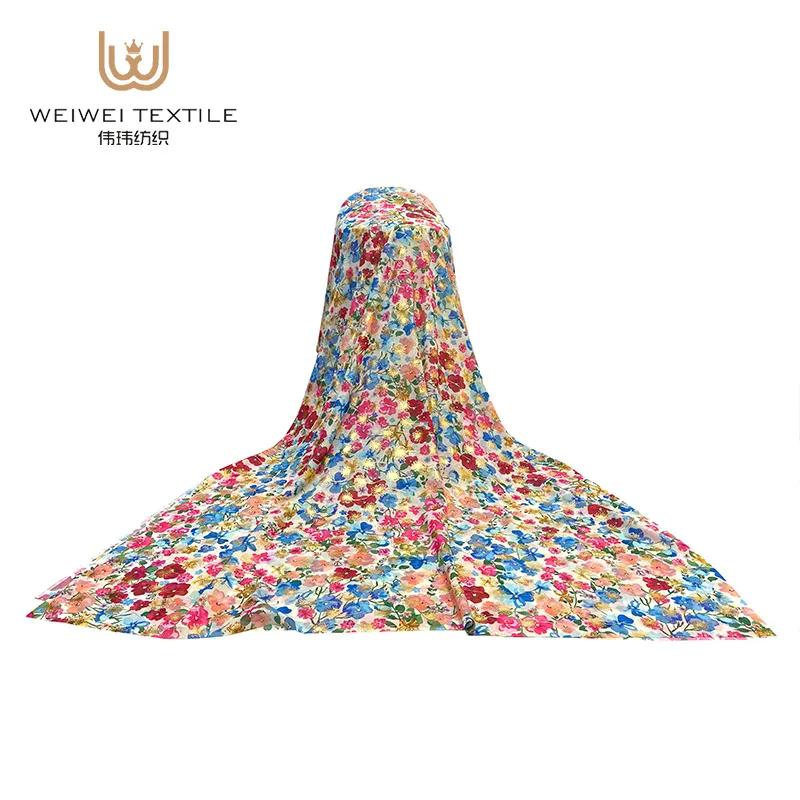
In summary, Abaya Muslim Dress, along with its related variants like Muslim Abaya, Abaya Fashion, Hijab Abaya, and Abaya Dress with Hijab, is an essential and evolving part of Muslim women’s wardrobes. More than just clothing, these pieces embody modesty, cultural identity, and personal style, adapting to both traditional values and modern fashion trends. From everyday solid-colored designs to festive embroidered pieces, and from coordinated Hijab Abaya sets to convenient Abaya Dress with Hijab ensembles, there is a style to suit every need and preference. As Abaya Fashion continues to grow, it not only honors the cultural heritage of the Muslim community but also celebrates modesty as a universal and fashionable choice. For Muslim women, Abaya Muslim Dress and its variants are a way to express their faith, their identity, and their love for style—all in one timeless garment.
Abaya Muslim Dress FAQs
1. What are the key features of the abaya muslim dress?
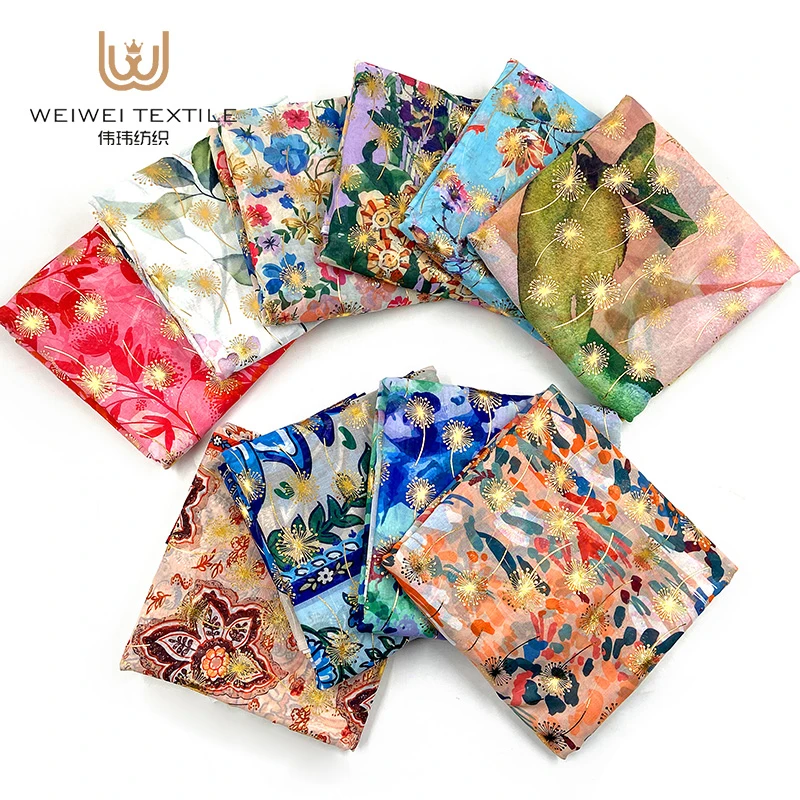
The abaya muslim dress is traditionally designed as a loose-fitting, full-length robe, often made from high-quality fabrics like polyvoile for a soft hand-feeling. It emphasizes modesty with long sleeves and a flowing silhouette, while details such as floral sequin patterns or gold stamping add elegance without compromising cultural values.
2. How is the abaya muslim dress styled for different occasions?
The abaya muslim dress can be adapted for daily wear or special events through material choice and design elements. For example, lightweight polyvoile offers comfort for everyday use, while intricate embroidery, sequins, or custom gold stamping elevate it for celebrations. The dress pairs seamlessly with complementary headscarves.
3. Can the abaya muslim dress be customized?
Yes, customization is a key aspect of the abaya muslim dress. Designs can include personalized gold stamping patterns, unique embroidery, or tailored fits. Some versions incorporate floral or geometric motifs with sequins, allowing wearers to express individuality while respecting traditional aesthetics.
4. What materials are commonly used in the abaya muslim dress?
The abaya muslim dress often uses soft, breathable materials like polyvoile, which drapes gracefully and ensures comfort. Premium variants may feature blends that enhance durability and ease of care, while decorative elements such as sequins or stamped patterns are added with attention to texture and visual appeal.
5. How does the abaya muslim dress reflect cultural heritage?
The abaya muslim dress symbolizes modesty and faith, serving as a garment deeply rooted in Islamic tradition. Its design—often minimalist yet occasionally enriched with details like floral sequins or gold patterns—balances cultural identity with contemporary fashion, making it both a religious and social expression for Muslim women worldwide.
-
Xinji Weiwei Textile Factory to Exhibit at the 139th Canton Fair
NewsApr.15,2026
-
Abaya Robe: Tradition, Elegance, and Daily Cultural Expression
NewsApr.15,2026
-
Satin Scarves and Hijabs: A Reflection of Tradition, Elegance, and Daily Practice
NewsApr.15,2026
-
Chiffon Scarf Hijab: A Blend of Tradition, Style, and Everyday Practice
NewsApr.15,2026
-
Exploring Hijab Fashion in Malaysia: Tradition, Style, and Daily Cultural Practice
NewsApr.15,2026
-
The Cultural Significance and Style of Voile Scarves and Shawls in Daily Muslim Wear
NewsApr.15,2026