The vibrant world of fashion frequently embraces bold patterns, and few are as consistently captivating as the animal print. The animal print sarong, in particular, represents a fusion of style, versatility, and cultural significance. From the runways of high fashion to the sun-drenched beaches of tropical destinations, this garment has secured its place as a timeless wardrobe staple. Its enduring appeal lies not only in its aesthetic qualities but also in its adaptability to diverse styles and occasions.
Globally, the demand for stylish and functional beachwear and accessories continues to rise, driven by increased tourism and a growing awareness of fashion trends through social media. The animal print sarong fits perfectly into this market, offering a cost-effective and easily accessible fashion statement. According to recent reports from the World Tourism Organization, international tourist arrivals reached 960 million in 2023, signaling a significant rebound and contributing to a sustained demand for products like sarongs.
The growing focus on sustainable and ethically sourced fashion also impacts this market. Consumers are increasingly seeking pieces that not only look good but also align with their values. A well-made animal print sarong, produced responsibly, can cater to this demand, providing a fashionable and conscious choice.
The Enduring Appeal of animal print sarong
The fascination with animal prints dates back centuries, symbolizing strength, power, and untamed beauty. The animal print sarong taps into this primal allure, offering a way to express confidence and individuality. Beyond its aesthetic appeal, the sarong’s inherent versatility has contributed to its lasting popularity.
Historically, sarongs have been integral to the cultural identity of many Southeast Asian communities, evolving from everyday garments to symbols of tradition and artistry. The addition of animal prints provides a modern twist, making the garment appealing to a wider global audience while honoring its rich heritage.
Defining the animal print sarong
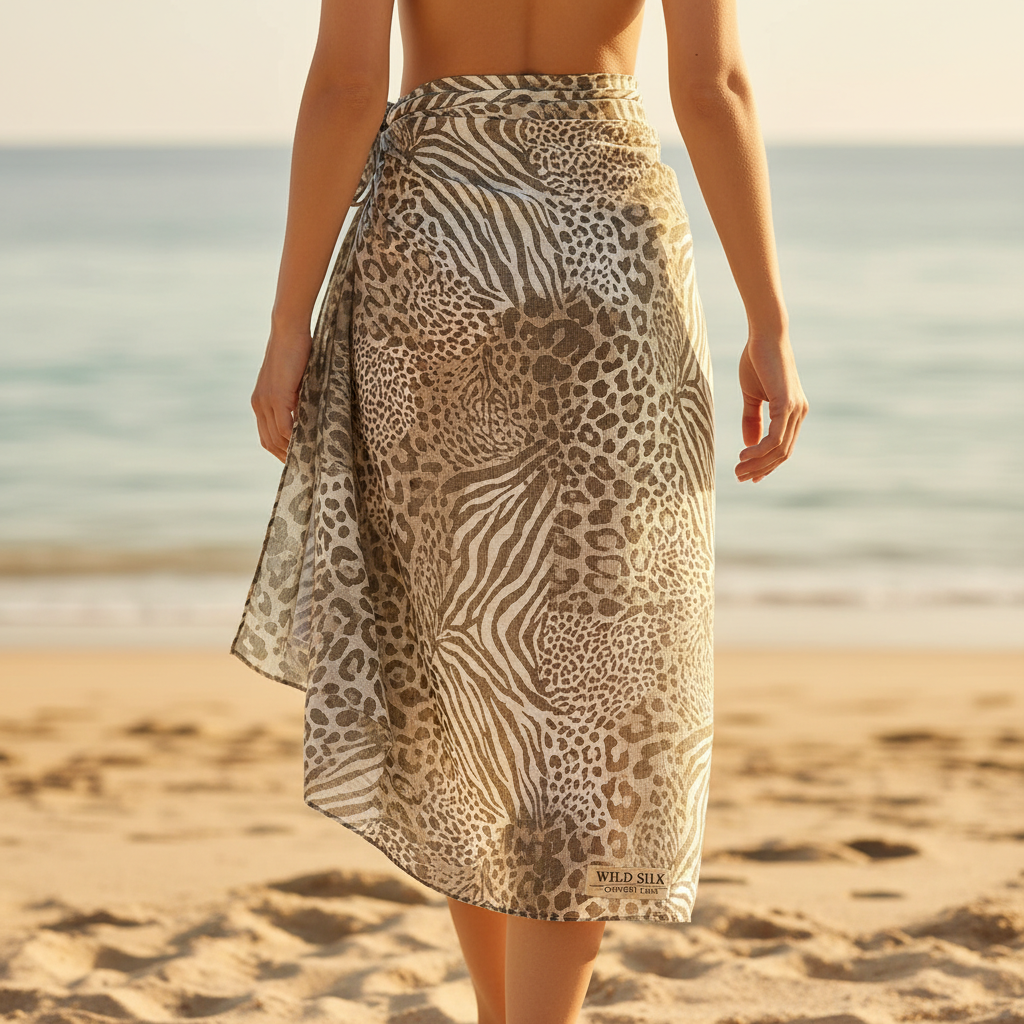
An animal print sarong is essentially a large piece of fabric, traditionally rectangular, adorned with patterns mimicking the markings of animals such as leopards, zebras, tigers, or snakes. These patterns can range from realistic depictions to stylized and abstract interpretations. They are typically made from lightweight materials like rayon, cotton, silk, or polyester, allowing for comfortable wear in warm climates.
In the context of modern industry, the animal print sarong represents a vibrant intersection of textile manufacturing, fashion design, and global retail. Its production involves sourcing materials, printing techniques, and distribution networks that contribute to economic activity across various regions. The demand for these sarongs also stimulates creativity and innovation within the fashion industry.
Furthermore, the animal print sarong's adaptability extends beyond fashion, serving practical purposes as beach cover-ups, shawls, or even makeshift blankets during travel, demonstrating its value in diverse lifestyle contexts.
Core Attributes of Quality animal print sarong
Several key factors define the quality and desirability of an animal print sarong. Firstly, the fabric composition significantly impacts its drape, comfort, and durability. High-quality rayon or silk sarongs offer a luxurious feel and excellent breathability, while polyester blends provide greater resilience to wrinkles and fading.
Secondly, the vibrancy and clarity of the animal print itself are crucial. Techniques like digital printing allow for intricate details and color accuracy, ensuring that the pattern remains sharp and visually appealing even after multiple washes. Finally, the finishing details – such as neatly hemmed edges – contribute to the overall polished look and longevity of the garment.
Beyond material and print quality, ethical production practices are becoming increasingly important. Consumers are actively seeking sarongs made with sustainable materials and fair labor standards, signaling a shift towards responsible consumption within the fashion industry.
Versatility and Application of animal print sarong
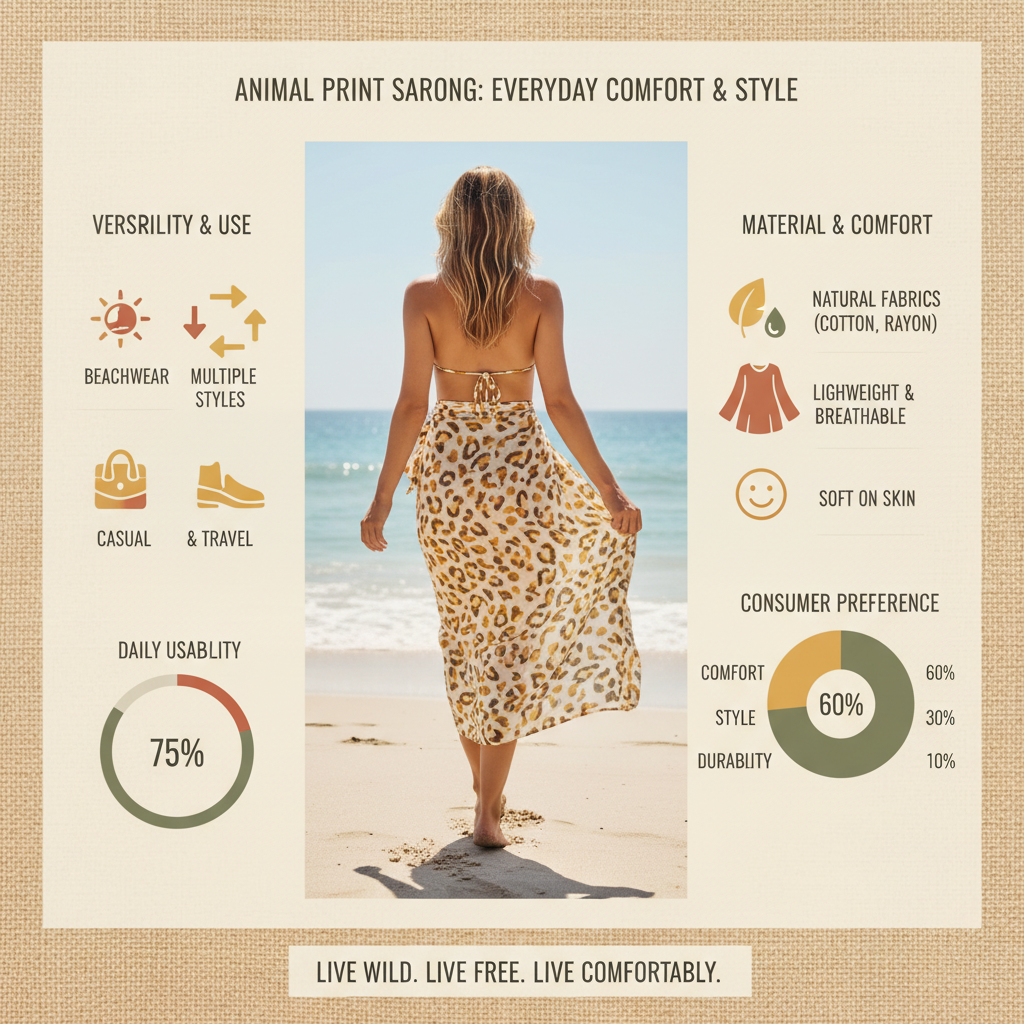
The animal print sarong’s versatility is one of its most celebrated attributes. It can be effortlessly styled in countless ways – as a beach cover-up, a skirt, a dress, a top, or even an accessory tied to a handbag. This adaptability makes it an ideal travel companion and a staple for various occasions.
Beyond personal fashion, the animal print sarong finds applications in diverse settings. In the tourism industry, they are often offered as souvenirs or incorporated into resort wear collections. They are also popular choices for dance performances, theatrical productions, and cultural events, adding a touch of exotic flair.
Animal Print Sarong Styling Methods - Customer Preference
Global Reach and Cultural Impact of animal print sarong
The animal print sarong has transcended geographical boundaries, becoming a sought-after item in diverse markets worldwide. From the beaches of Bali to the boutiques of Europe and the fashion capitals of the Americas, its presence is undeniable. The ease of shipping and accessibility through online retail platforms have further expanded its global reach.
Its cultural impact is equally significant. While rooted in Southeast Asian traditions, the sarong has been adopted and reinterpreted by various cultures, becoming a symbol of bohemian style, relaxed elegance, and effortless chic. The use of animal prints adds a layer of boldness and individuality, allowing wearers to express their personal aesthetic.
Advantages and Value Proposition of animal print sarong
The animal print sarong offers a compelling value proposition to consumers. It's an affordable luxury item that provides a high-impact fashion statement. Its lightweight and compact nature makes it ideal for travel, and its versatility minimizes the need for packing multiple garments.
From a sustainability standpoint, choosing a sarong made from eco-friendly materials like organic cotton or recycled fabrics aligns with ethical consumption practices. Furthermore, the durability of a well-made sarong ensures longevity, reducing the need for frequent replacements and minimizing textile waste.
Beyond the practical benefits, wearing an animal print sarong can evoke feelings of confidence, freedom, and connection to global cultures, enhancing the overall sense of well-being and self-expression.
Future Trends and Innovations in animal print sarong
The future of the animal print sarong is poised for innovation. Advancements in textile technology are leading to the development of sustainable and high-performance fabrics that enhance comfort, durability, and environmental responsibility. Expect to see more sarongs made from recycled materials and biodegradable fibers.
Digital printing techniques are also evolving, allowing for more intricate and customized designs. Personalized sarongs with unique animal print patterns or bespoke artwork are likely to gain popularity. Furthermore, the integration of smart textiles – fabrics with embedded sensors or functionalities – could potentially add innovative features, such as UV protection or temperature regulation.
The growing emphasis on ethical and transparent supply chains will drive demand for sarongs produced under fair labor conditions and with minimal environmental impact, reflecting a broader shift towards conscious consumerism in the fashion industry.
Factors Influencing Animal Print Sarong Market Growth
| Fabric Quality |
Print Durability |
Price Point |
Sustainability Practices |
| Excellent (Silk/Rayon) |
High (Digital Printing) |
$20-$40 |
Certified Organic Cotton |
| Good (Cotton Blend) |
Medium (Screen Printing) |
$15-$30 |
Recycled Polyester |
| Fair (Polyester) |
Low (Heat Transfer) |
$10-$20 |
Standard Manufacturing |
| Excellent (Linen Blend) |
High (Block Printing) |
$30-$50 |
Fair Trade Certified |
| Good (Bamboo Fabric) |
Medium (Sublimation Printing) |
$25-$35 |
Water-Based Inks |
| Fair (Viscose) |
Low (Direct-to-Garment) |
$10-$15 |
Minimal Environmental Disclosure |
FAQS
The best materials depend on your priorities. Rayon and silk offer a luxurious feel and excellent drape, but are more delicate. Cotton is breathable and easy to care for, while polyester blends are more durable and wrinkle-resistant. Consider organic cotton or recycled polyester for eco-friendly options. A high-quality animal print sarong will clearly state its material composition.
To prevent fading, hand wash your animal print sarong in cold water with a mild detergent. Avoid using bleach or harsh chemicals. Turn the sarong inside out before washing and drying. Air drying is recommended, but if using a dryer, select a low heat setting. Ironing on a low setting can help to maintain its shape.
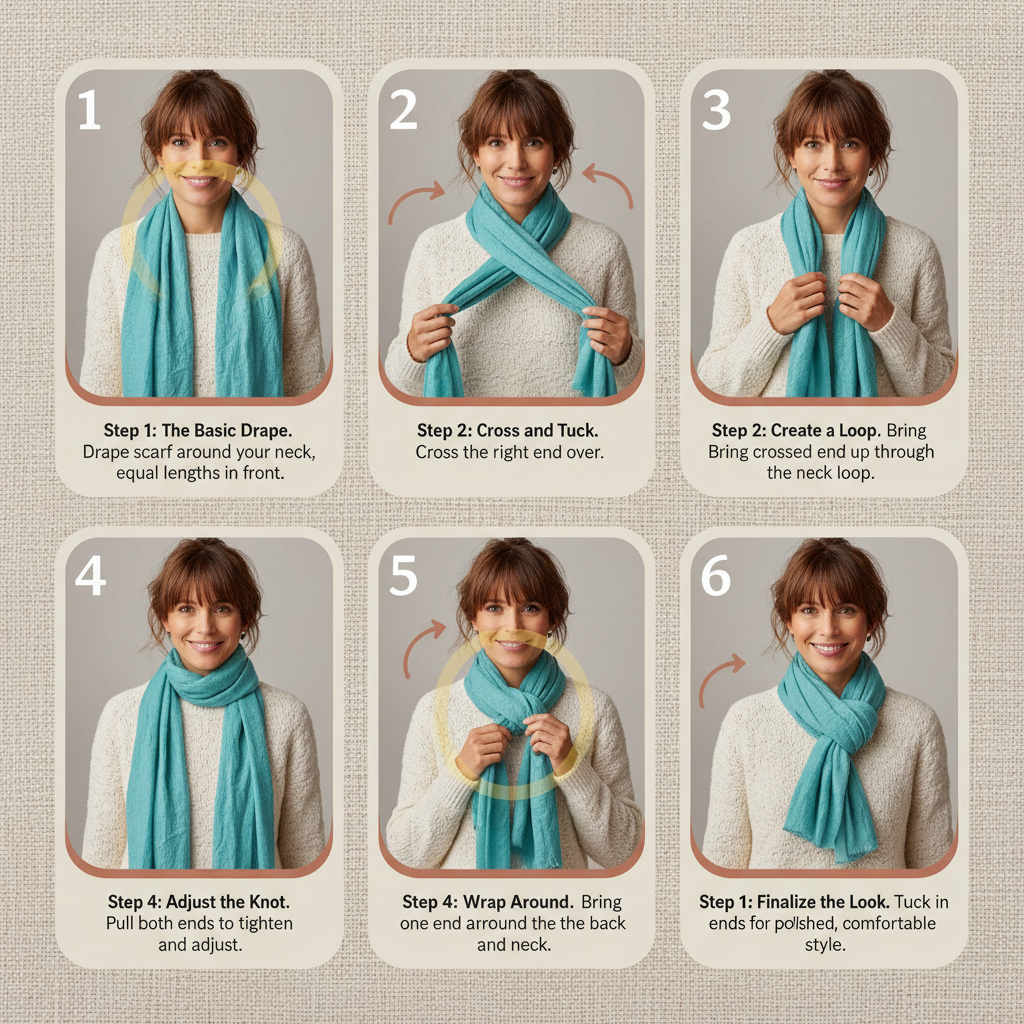
The styling possibilities are endless! You can wear it as a beach cover-up, tie it around your waist as a skirt, wrap it around your bust as a top, or even use it as a headscarf or shawl. Experiment with different knots and draping techniques to create unique looks. An animal print sarong is incredibly versatile.
Ethical production varies significantly. Look for sarongs made from sustainable materials like organic cotton or recycled fabrics and produced under fair labor conditions. Check for certifications like Fair Trade or GOTS (Global Organic Textile Standard). Brands like wwscarf are committed to responsible sourcing and production.
Standard sarongs typically measure around 65-70 inches long and 35-40 inches wide. This size generally fits most body types comfortably. Larger sarongs offer more versatility for different styling options, while smaller sarongs might be better suited for specific purposes like head wraps. Consider your height and preferred styling when choosing a size.
Assess the print's clarity and vibrancy. High-quality prints are sharp, detailed, and the colors don't appear faded or pixelated. Digital printing generally offers superior quality compared to screen printing. Also, check for colorfastness by gently rubbing a damp cloth over the print; minimal color transfer indicates a higher-quality print. A great animal print sarong will have a durable and vibrant print.
Conclusion
The animal print sarong represents more than just a fashion accessory; it's a versatile garment with a rich cultural history and a growing global appeal. Its adaptability, affordability, and the increasing availability of sustainable options make it a compelling choice for consumers worldwide. The enduring popularity of animal prints, coupled with the sarong’s inherent style, ensures its continued relevance in the fashion landscape.
As consumer awareness of ethical and environmental issues grows, the demand for responsibly produced animal print sarongs will likely increase. Embracing innovative materials and production techniques will be crucial for brands to meet this demand and maintain a competitive edge. Visit our website at www.wwscarf.com to explore our collection and discover the perfect animal print sarong for your style.