Your Trusted 24 Hours Service Provider!
0%

Table of Contents

The bandana head wrap, a seemingly simple piece of fabric, has a rich history and increasingly vital role across diverse sectors globally. From its origins as a functional accessory for cowboys and laborers, to its modern applications in healthcare, fashion, and emergency preparedness, the bandana head wrap continues to evolve in relevance. Understanding its versatile properties – affordability, adaptability, and protective qualities – is crucial in addressing challenges related to hygiene, safety, and resourcefulness in both developed and developing nations.

The global demand for practical, cost-effective solutions in areas such as personal protective equipment (PPE) and disaster relief has significantly amplified the importance of the bandana head wrap. Data from the World Health Organization highlights the ongoing need for readily available barriers against airborne contaminants, particularly in regions with limited access to advanced medical resources. The bandana's ease of production and distribution makes it an invaluable asset in mitigating health risks and promoting preventative measures.

Beyond health applications, the bandana head wrap serves a crucial role in various industries, including construction, agriculture, and manufacturing, providing a simple yet effective solution for protecting workers from dust, debris, and sun exposure. Its adaptability has fostered innovation in design and materials, leading to specialized bandanas tailored to specific occupational needs.
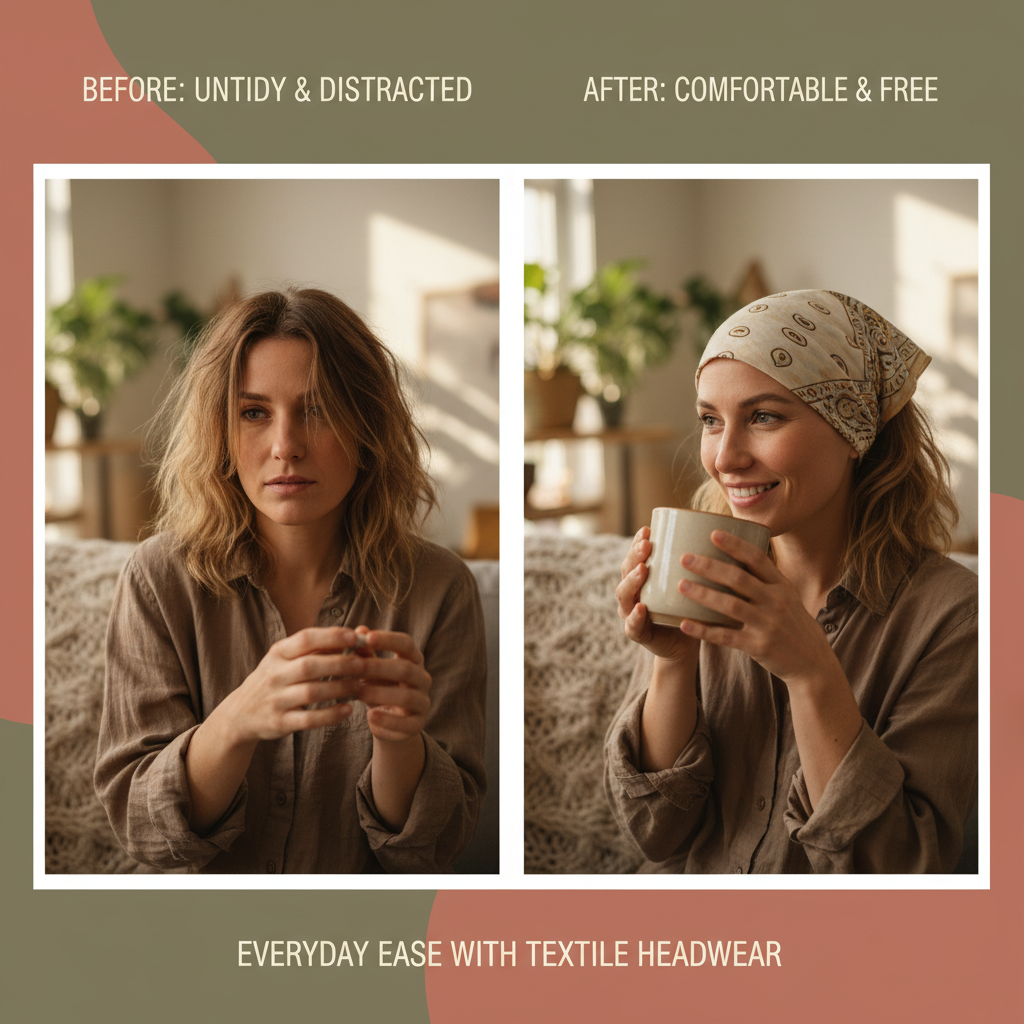
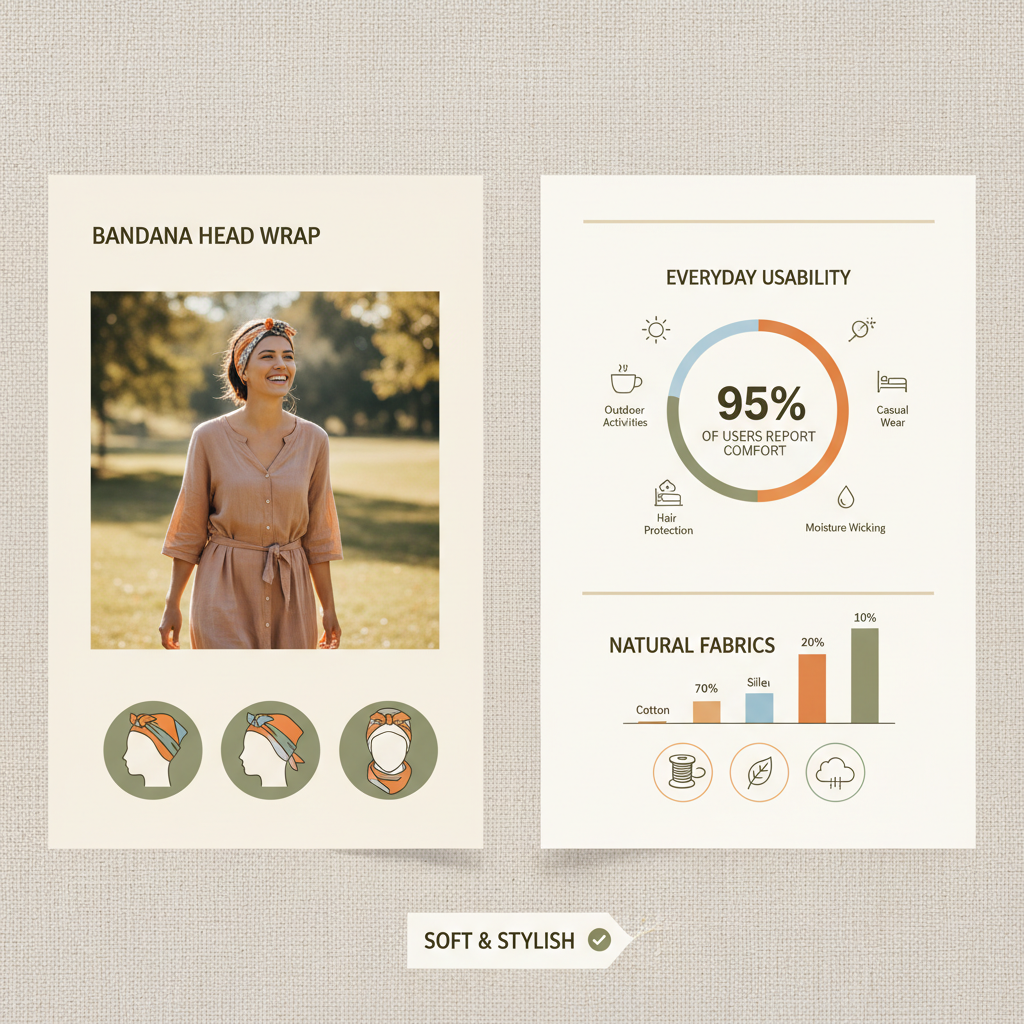
The Enduring Versatility of the Bandana Head Wrap Across Global Sectors

The Evolution and Global Reach of bandana head wrap

The Enduring Versatility of the Bandana Head Wrap Across Global Sectors

The history of the bandana head wrap is remarkably diverse, tracing back to origins in ancient civilizations where similar fabric pieces were used for practical purposes. Its modern form gained prominence in the American West, adopted by cowboys and railroad workers for sun and dust protection. This utilitarian beginning shaped its perception as a symbol of ruggedness and resilience.

Over time, the bandana head wrap transcended its functional origins, becoming a fashion statement and a cultural icon. From its association with various subcultures to its widespread use in sportswear, the bandana demonstrates an ability to adapt and remain relevant across generations and social groups. This adaptability is key to its continued global appeal.

Defining the bandana head wrap: A Multifaceted Accessory

At its core, a bandana head wrap is a square or triangular piece of fabric, traditionally cotton, worn on the head or neck. However, this simple definition belies its versatility. It can be tied in countless ways – as a headband, face covering, neckerchief, or even incorporated into clothing designs. The defining characteristic is its adaptability to various needs and styles.

In a modern context, the bandana head wrap bridges the gap between practicality and fashion. Its ease of use and low cost make it accessible to a wide range of individuals, while its stylish appeal ensures it remains a popular accessory. This duality is particularly important in humanitarian settings where a simple piece of fabric can provide both protection and a sense of dignity.

The resurgence of interest in sustainable and reusable products has also bolstered the bandana head wrap’s relevance. As consumers seek alternatives to disposable items, the bandana offers a durable and environmentally friendly option for various applications.

Key Attributes of the bandana head wrap

One of the most significant attributes of the bandana head wrap is its Durability. High-quality cotton bandanas can withstand repeated washing and wear, making them a long-lasting investment. This is particularly important in demanding environments or for frequent use.

Versatility is another key characteristic. A single bandana can serve multiple purposes, reducing the need for specialized equipment. From sun protection to first aid, its adaptability makes it a valuable asset in diverse situations.

The Affordability of the bandana head wrap makes it accessible to individuals and organizations with limited budgets. This is particularly crucial in disaster relief and humanitarian aid, where cost-effectiveness is paramount.

Diverse Applications of bandana head wrap Worldwide

The applications of a bandana head wrap are remarkably broad. In healthcare, they are used as protective barriers for hair and skin, minimizing contamination risks. In construction and agriculture, they shield workers from dust, sun, and sweat. Athletes utilize them to manage moisture and keep hair out of their faces during physical activity.

In post-disaster relief operations, bandana head wraps are vital for filtering dust and debris from the air, providing a basic level of respiratory protection when more sophisticated equipment is unavailable. They also serve as makeshift bandages and slings in emergency situations. Organizations like the Red Cross frequently include bandanas in emergency preparedness kits.

Bandana Head Wrap Application Effectiveness Ratings


Advantages and Lasting Value of bandana head wrap

The tangible benefits of using a bandana head wrap extend beyond its immediate functionality. The cost-effectiveness of the bandana significantly reduces expenditure on specialized PPE, making it an attractive option for organizations operating on tight budgets.

From a sustainability perspective, the reusability of a bandana head wrap minimizes waste compared to disposable alternatives. Choosing cotton bandanas supports sustainable agriculture, further enhancing their environmental profile. The emotional impact, providing a sense of security and protection, should not be underestimated.

Future Innovations in bandana head wrap Design and Materials

Future developments in bandana head wrap technology are focusing on incorporating advanced materials. Antimicrobial fabrics are being explored to enhance hygiene and reduce the risk of infection. The integration of UV-protective fibers is enhancing sun protection capabilities.

Digital printing technologies are also enabling greater customization and personalization, allowing for branding, safety messaging, and unique designs. Smart textiles, incorporating sensors to monitor physiological data, represent a longer-term innovation pathway.

Challenges and Solutions in bandana head wrap Implementation

One challenge is ensuring consistent quality and material sourcing, particularly in mass production scenarios. Establishing robust quality control measures and prioritizing sustainable suppliers are crucial solutions.

Another limitation is the potential for improper usage or insufficient filtration effectiveness in high-risk environments. Comprehensive training and education programs are needed to promote correct usage and highlight the bandana’s limitations.

Addressing these challenges requires a collaborative approach involving manufacturers, healthcare professionals, and aid organizations. Research and development into improved materials and designs will continue to enhance the effectiveness and versatility of the bandana head wrap.

Summary of bandana head wrap Implementation Challenges and Solutions

Challenge Impact Area Solution Implementation Cost (1-10)
Inconsistent Material Quality Product Reliability Robust Quality Control 4
Limited Filtration Efficiency Health & Safety Advanced Material Integration 7
Improper Usage Effectiveness Comprehensive Training 3
Supply Chain Disruptions Availability Diversified Sourcing 5
Lack of Awareness Adoption Rate Targeted Communication Campaigns 2
Cost Constraints Accessibility Economies of Scale 6

FAQS

What are the best materials for a bandana head wrap intended for sun protection?

For optimal sun protection, choose a bandana head wrap made from tightly woven fabrics like cotton or microfiber. Darker colors generally provide better UV absorption. Look for bandanas specifically labeled with a UPF (Ultraviolet Protection Factor) rating for guaranteed protection. Consider materials that are breathable to prevent overheating in hot weather. Regular washing is also crucial to maintain effectiveness.

Can a bandana head wrap effectively filter out airborne particles, like dust or pollen?

While a bandana head wrap can provide a physical barrier against larger particles, its filtration efficiency against microscopic particles like dust and pollen varies depending on the fabric weave and number of layers. Tightly woven cotton bandanas offer some level of protection, but for significant filtration, consider layering multiple bandanas or using a bandana with a built-in filter pocket.

How should a bandana head wrap be washed to maintain its quality and hygiene?

To maintain the quality and hygiene of your bandana head wrap, machine wash it in cold water with a mild detergent. Avoid using bleach or fabric softeners, as these can damage the fibers. Tumble dry on low heat or hang to dry. For heavily soiled bandanas, pre-soaking in cold water can help remove stains. Regular washing is essential, especially if used for health-related purposes.

What are some creative ways to style a bandana head wrap beyond wearing it on the head?

The bandana head wrap is incredibly versatile for styling! Tie it around your neck as a scarf, wristband, or even a belt. Incorporate it into your hair as a braid or ponytail accessory. Use it to add a pop of color to your bag or as a unique napkin. Its small size makes it perfect for countless fashion experiments.

Are there any specific safety considerations when using a bandana head wrap in industrial settings?

When using a bandana head wrap in industrial settings, ensure it doesn't interfere with safety equipment like goggles or respirators. Avoid bandanas with loose fringes or embellishments that could get caught in machinery. Select fabrics appropriate for the specific hazards present. Always prioritize compliance with workplace safety regulations.

How does the size of a bandana head wrap affect its versatility and comfort?

The standard size of a bandana head wrap (typically 22x22 inches) provides a balance of versatility and comfort for most applications. Larger bandanas offer more fabric for tying and wrapping, while smaller bandanas might be more suitable for delicate hair styling. Choosing the right size depends on your intended use and personal preference.

Conclusion

The bandana head wrap is more than just a simple accessory; it's a testament to adaptability, resourcefulness, and enduring value. From its humble beginnings to its multifaceted modern applications, it continues to prove its worth in diverse settings, offering a cost-effective, versatile, and sustainable solution for various needs, spanning health, safety, and personal expression. Its global reach demonstrates its universal appeal and practical benefits.

Looking ahead, continued innovation in materials and design will further enhance the capabilities of the bandana head wrap, cementing its role as a valuable asset in a rapidly changing world. By embracing sustainable practices and prioritizing quality, we can ensure its continued relevance and positive impact for generations to come. Visit our website to explore our wide range of bandana head wraps: www.wwscarf.com.


Caleb Thompson

Caleb Thompson

Caleb Thompson is a Senior Designer at Xinji Weiwei Textile. He's at the forefront of creating innovative hijab and scarf designs, drawing inspiration from global fashion trends and customer feedback. Caleb specializes in fabric selection – voile, chiffon, satin – and incorporating unique printing techniques. He collaborates closely with the
Previous Exploring the Versatility and Growth of Bandana Satin in Global Markets
Next The Enduring Appeal of the Bandana Hair Scarf A Global Fashion Staple