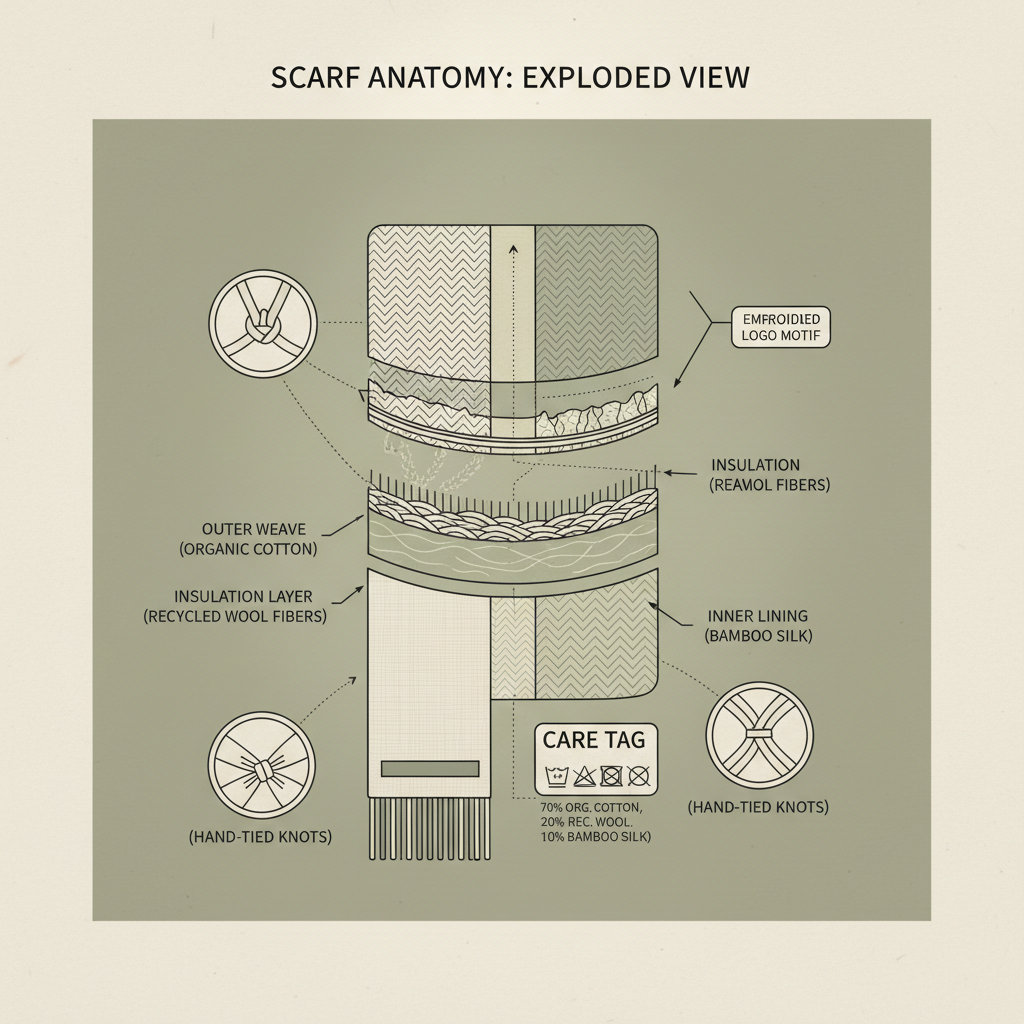
The allure of a black designer scarf transcends mere fashion; it is a statement of timeless elegance and professional versatility. In the high-stakes world of global textile manufacturing, specifically within the cotton printing and dyeing finishing sectors, the creation of a deep, consistent obsidian hue requires a sophisticated blend of chemical precision and artisanal skill.
Understanding the nuances of these accessories allows consumers and industry professionals alike to appreciate the intersection of luxury design and technical textile engineering. From the selection of high-grade chiffon to the meticulous application of reactive dyes, every step in the production process is designed to ensure that the final product maintains its luster and structural integrity over years of use.
Whether utilized as a corporate power accessory or a subtle touch of sophistication in evening wear, the black designer scarf remains a cornerstone of the modern wardrobe. By exploring the manufacturing standards and aesthetic principles behind these pieces, we can better understand why specific fabrics like satin or voile are chosen to project different images of authority and grace.
The Global Market Appeal of Black Designer Scarves
The global demand for the black designer scarf is driven by its universal applicability across diverse cultures and professional environments. According to market trends in the luxury apparel sector, neutral tones—specifically deep blacks—consistently outperform seasonal colors in long-term sales volume, as they offer a low-risk, high-reward investment for the consumer.
In an era of "quiet luxury," the emphasis has shifted from loud logos to the tactile quality and visual depth of the fabric. A black designer scarf serves as a canvas where the quality of the weave and the precision of the dye become the primary indicators of prestige, making it a critical product for manufacturers focusing on premium cotton and synthetic blends.
Material Science in Luxury Black Textiles
Selecting the right base fabric is the first critical step in creating a high-end black designer scarf. Chiffon is often preferred for its ethereal transparency and lightweight drape, while satin is chosen for its high-reflectivity, which allows the black pigment to appear luminous under artificial lighting. Each material reacts differently to the dyeing process, requiring specific temperature controls to avoid scorching the delicate fibers.
For those seeking more structural integrity, voile and premium cotton blends provide a matte finish that absorbs light, creating a "true black" effect that is highly sought after in professional attire. The interaction between the fiber's molecular structure and the dye molecules determines the color fastness, ensuring that the scarf does not fade into a dull grey after several dry-cleaning cycles.
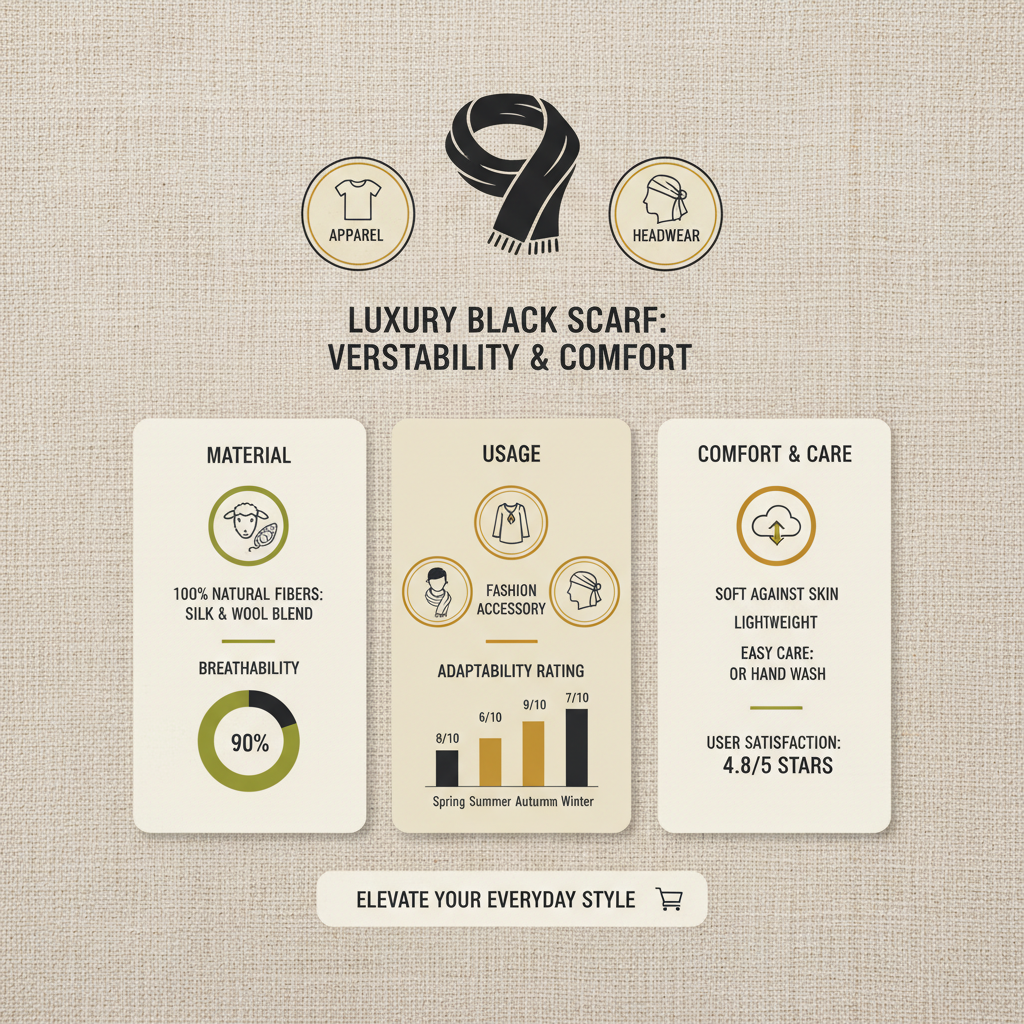
The integration of these materials into specific categories, such as the Sudan Toub or specialized Men's scarves, demonstrates the versatility of the black palette. By manipulating the thread count and the weave density, manufacturers can produce a black designer scarf that is breathable enough for tropical climates yet substantial enough to provide warmth in temperate zones.
The Technical Art of Deep Black Dyeing
Achieving the perfect shade for a black designer scarf is one of the most challenging tasks in the printing and dyeing industry. It requires a precise ratio of disperse and reactive dyes to ensure that the black is "flat" and devoid of unwanted red or blue undertones, which often plague lower-quality textiles.
The finishing process involves multiple dipping cycles and controlled oxidation. For a luxury black designer scarf, the fixation rate must be near-perfect to prevent bleeding, a technical requirement that necessitates the use of advanced auxiliaries and high-pressure steaming equipment.
Beyond the color, the "hand-feel" or softness of the fabric is achieved through enzymatic washing and softening agents. This ensures that the black designer scarf not only looks sophisticated but feels indulgent against the skin, bridging the gap between industrial production and artisanal quality.
Performance Metrics for High-End Finishing
To maintain the prestige of a black designer scarf, manufacturers rely on rigorous KPIs, including colorfastness to light, rubbing fastness (both wet and dry), and shrinkage rates. These parameters ensure that the scarf maintains its dimensions and deep hue regardless of the wearer's environment or the frequency of use.
Comparing different finishing methods allows brands to optimize for either durability or softness. For instance, a chemical-intensive finish might yield a more vibrant black but could compromise the organic feel of the cotton, whereas an eco-friendly approach might require more precise temperature management to achieve the same depth of color.
Comparative Quality Ratings for Black Designer Scarf Finishing
Global Applications and Cultural Versatility
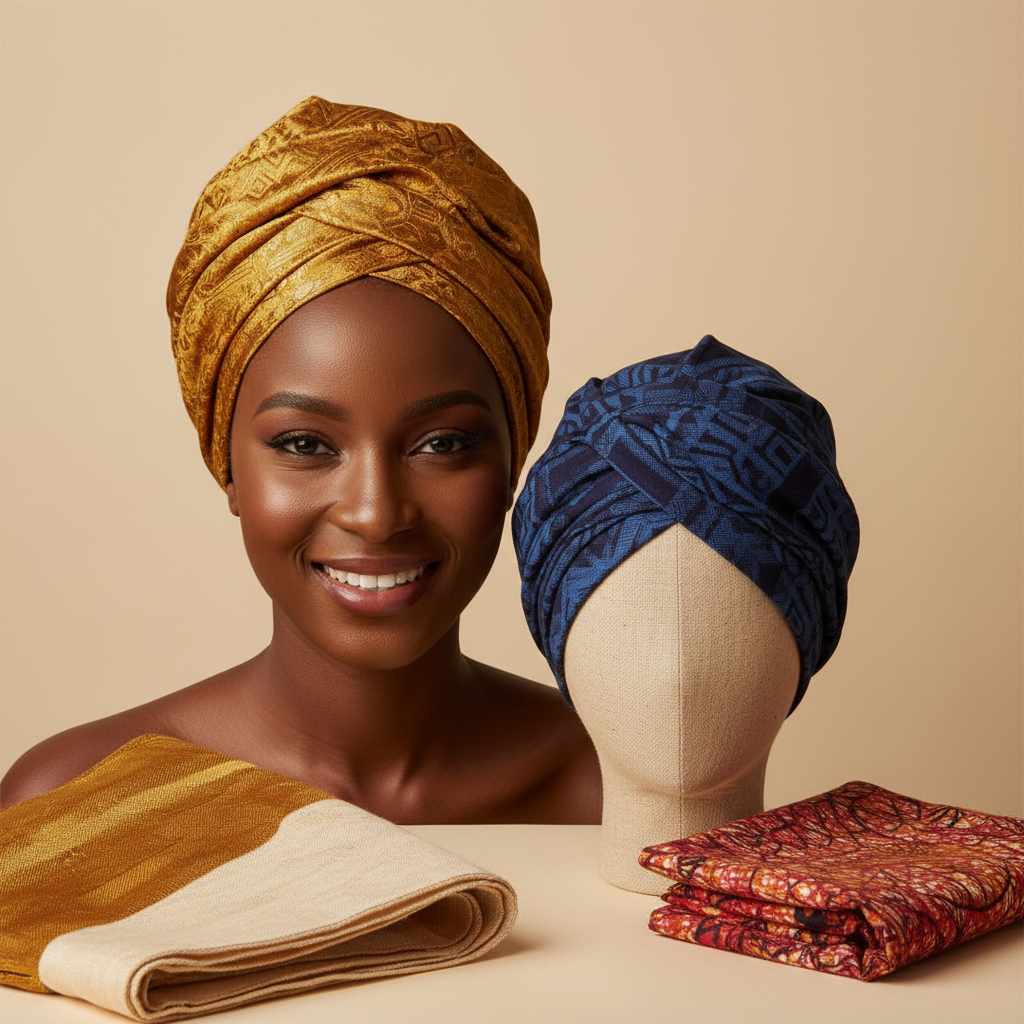
The application of the black designer scarf varies significantly across different global markets. In European fashion hubs, it is often paired with tailored blazers for a corporate look, while in Middle Eastern markets, the black designer scarf is integrated into traditional garments like the Sudan Toub, where it signifies dignity, modesty, and social status.
In the realm of high-fashion events, the black scarf serves as a versatile accessory that can be draped, tied, or wrapped to create various silhouettes. Its ability to blend seamlessly with any other color makes it an indispensable tool for stylists who aim to create a look of cohesive sophistication without overwhelming the wearer's natural features.
Long-Term Value and Sustainable Luxury
Investing in a high-quality black designer scarf is fundamentally a move toward sustainable consumption. By choosing a garment that transcends trends and is manufactured with high-grade dyes, consumers reduce the need for frequent replacements, thereby lowering the overall environmental impact associated with fast-fashion textile waste.
From a psychological perspective, the reliability of a black accessory provides a sense of security and confidence. The "black" color is logically associated with authority and precision, while the "designer" aspect ensures that the structural quality—such as the hemstitching and edge finishing—prevents fraying over time.
Moreover, the long-term value is found in the versatility of the product. A single black designer scarf can transition from a daytime office accessory to a formal evening wrap, providing a cost-per-wear ratio that far exceeds that of more colorful, trend-dependent pieces.
Future Innovations in Smart Textile Design
The future of the black designer scarf lies in the integration of nanotechnology and sustainable chemistry. We are seeing the emergence of "super-black" coatings that absorb 99% of light, creating a visual depth previously impossible in traditional weaving, and hydrophobic treatments that allow the fabric to repel stains without losing its soft hand-feel.
Digital transformation is also reshaping the production process. AI-driven color matching systems now allow manufacturers to achieve an exact shade of black across different fabric types—from silk to cotton—ensuring total consistency for global luxury brands. This automation reduces dye waste and minimizes the water footprint of the printing and dyeing process.
Furthermore, the shift toward bio-based dyes is promising. Researchers are developing pigments derived from organic waste that can achieve the deep intensity of a black designer scarf without the use of harsh heavy metals, aligning luxury fashion with the global imperative for environmental stewardship.
Technical Analysis of Black Designer Scarf Fabric Variants
| Fabric Type |
Light Absorption |
Drape Score (1-10) |
Durability Rating |
| Black Chiffon |
Medium-Low |
10 |
Medium |
| Black Satin |
High (Reflective) |
9 |
Medium-High |
| Black Voile |
High (Matte) |
7 |
High |
| Premium Cotton |
Very High |
6 |
Very High |
| Silk Blend |
High |
8 |
Medium |
| Synthetic Mix |
Medium |
7 |
High |
FAQS
Check for "color depth" and "consistency." A high-quality black designer scarf will have a uniform shade across the entire fabric without any reddish or brownish streaks. Additionally, examine the edges; luxury pieces typically feature hand-rolled hems or precise machine stitching that prevents fraying. Finally, the fabric should feel substantial yet soft, indicating a high thread count and a proper finishing process.
For hot climates, Voile or Chiffon are the best choices. These fabrics are lightweight, breathable, and allow for air circulation while still providing the sophisticated aesthetic of a black accessory. Voile, in particular, offers a matte finish that doesn't trap heat as much as heavy satins or synthetic blends, making it ideal for regional attire like the Sudan Toub.
To maintain the deep hue of your black designer scarf, always wash it in cold water using a detergent specifically formulated for dark colors. Avoid direct sunlight when drying, as UV rays can break down the dye molecules, leading to a faded appearance. For delicate fabrics like satin or silk blends, professional dry cleaning is recommended to preserve the luster and structure.
Absolutely. A black designer scarf is one of the most versatile corporate accessories. It adds a layer of professionalism and authority to any outfit. Whether worn as a simple neck-tie or draped over the shoulders, it complements neutral-colored blazers and dresses, projecting an image of competence and understated elegance that is appropriate for any boardroom setting.
Reactive dyeing creates a chemical bond between the dye and the fiber, resulting in superior colorfastness and a softer feel, which is essential for a luxury black designer scarf. Pigment printing, conversely, deposits color on the surface of the fabric using a binder. While faster and cheaper, it can feel stiffer and is more prone to cracking or fading over time.
Yes, the black designer scarf is inherently gender-neutral. The shift toward unisex fashion has seen a surge in Men's scarves utilizing the same deep blacks and high-quality materials as traditional women's luxury accessories. By varying the dimensions and the drape, the same black textile can be styled to suit any gender identity while maintaining a high standard of elegance.
Conclusion
The black designer scarf is far more than a simple clothing accessory; it is the result of complex textile engineering and a timeless aesthetic vision. From the meticulous selection of cotton and chiffon bases to the advanced reactive dyeing processes that ensure a deep, lasting obsidian hue, every element contributes to a product that embodies both luxury and utility. By prioritizing material quality and technical precision, these pieces provide lasting value, versatility, and an unmatched level of sophistication.
Looking forward, the integration of sustainable dyeing practices and smart textiles will only enhance the appeal of this iconic accessory. For those seeking to elevate their wardrobe or for businesses looking to produce world-class textiles, focusing on the intersection of durability and design is key. We invite you to explore the pinnacle of textile craftsmanship and discover the perfect addition to your collection. Visit our website: www.wwscarf.com