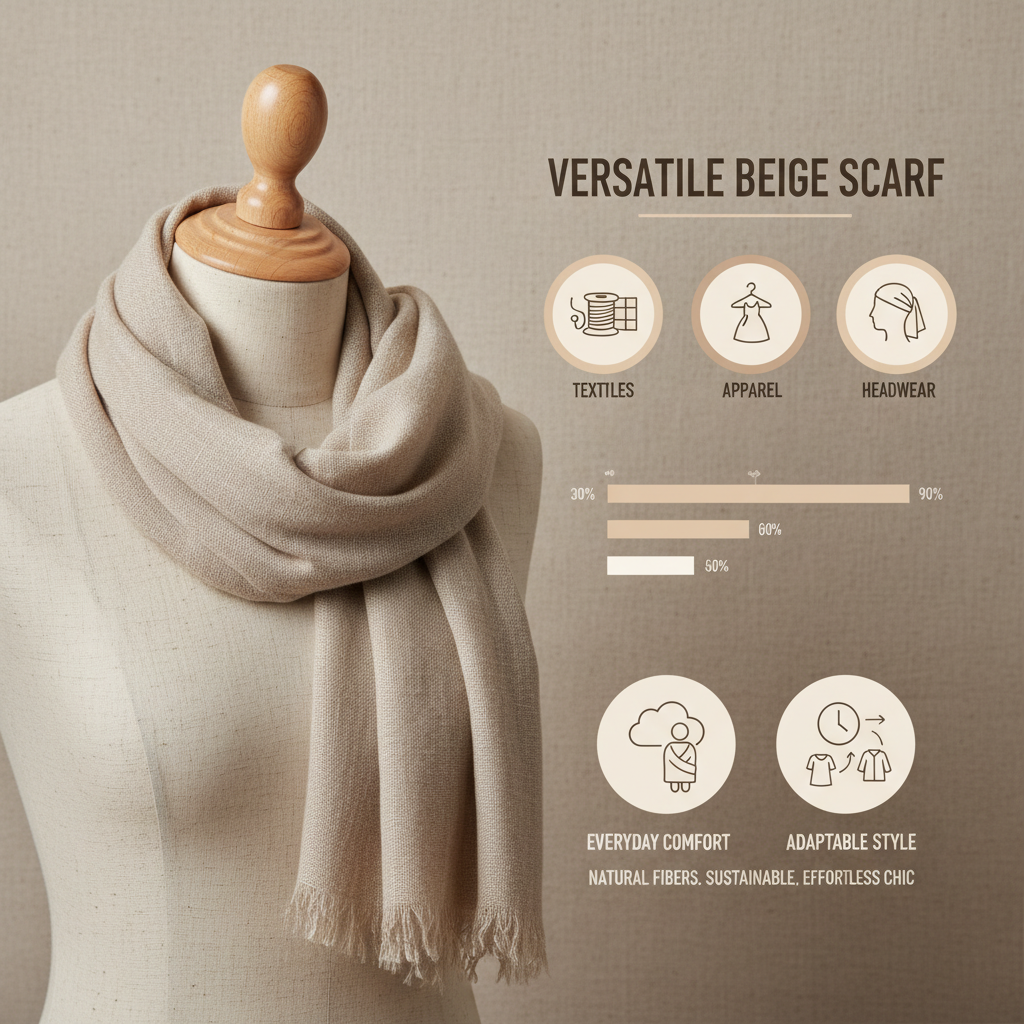
The beige scarf stands as a timeless staple in the global textile industry, blending versatility with an understated elegance that transcends seasonal trends. In the realm of cotton printing and finishing, achieving the perfect beige hue requires a precise balance of chemical dyes and temperature control to ensure a consistent, luxurious finish across various fabric weights.
From a commercial perspective, the demand for neutral tones has surged as consumers shift toward "quiet luxury" and capsule wardrobes. The beige scarf serves as a foundational accessory, bridging the gap between formal business attire and casual everyday wear, making it a high-value product for manufacturers focusing on chiffon, satin, and voile materials.
Understanding the technical nuances of producing a high-quality beige scarf—from the selection of raw cotton fibers to the final steaming and setting process—is essential for brands aiming to maintain E-E-A-T principles. By focusing on durability and colorfastness, producers can deliver a product that provides long-term value to the global consumer.
The Textile Engineering of a Beige Scarf
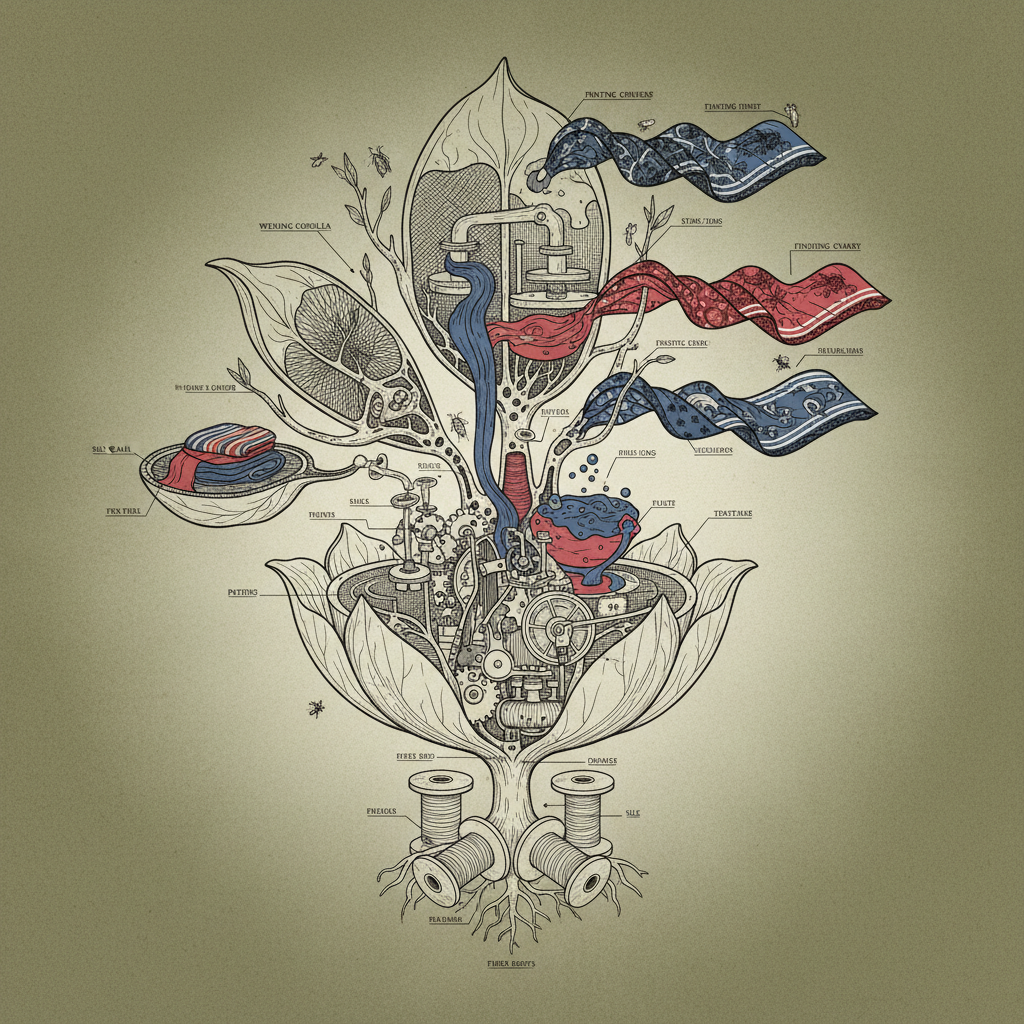
Producing a premium beige scarf begins with the meticulous selection of raw cotton and the application of advanced printing and dyeing techniques. Unlike bold primary colors, beige is a complex neutral that requires a precise blend of yellow and brown pigments, often achieved through reactive dyeing to ensure that the color penetrates deep into the fiber.
The finishing process is where the true quality is established. Through controlled calendering and steaming, the fabric gains a soft hand-feel and a subtle luster, ensuring the scarf drapes naturally. This technical precision prevents the common issue of "streaking" or uneven coloration, which is a frequent challenge in large-scale textile production.
Global Market Demand for Neutral Tones
The global appetite for the beige scarf has seen a steady increase, mirrored by trends in the wider fashion industry toward minimalism. Data from textile trade reports indicate that neutral-toned accessories have a lower turnover rate and higher long-term sales stability compared to high-fashion neon or seasonal colors, making them a safe and profitable investment for wholesalers.
In regions like Europe and North America, the beige palette is associated with sophistication and professional versatility. Meanwhile, in markets such as the Middle East, specifically for products like the Sudan Toub or specialized voiles, a light beige shade offers a practical balance between traditional modesty and heat-reflective properties essential for arid climates.
The challenge for manufacturers lies in the "perceived value" of the color. Because beige can appear plain, the industry has shifted toward enhancing the tactile experience—introducing high-twist yarns and premium finishes—to transform a simple beige scarf into a luxury item.
Fabric Selection for Beige Scarf Production
When designing a beige scarf, the base fabric dictates the final aesthetic and functional utility. For a lightweight, airy feel, chiffon and voile are the preferred choices, as their sheer nature allows the beige tone to appear soft and ethereal.
Satin fabrics, on the other hand, provide a high-gloss finish that elevates the beige scarf to a formal accessory. The tight weave of satin allows the beige dye to reflect light more intensely, creating a champagne-like shimmer that is highly sought after in the luxury market.
For men's scarves or more rugged applications, a heavier cotton blend is utilized. This ensures that the beige scarf maintains its structural integrity and provides necessary warmth while remaining breathable.
Performance Metrics of Beige Scarf Materials
To evaluate the quality of a beige scarf, we look at several key performance indicators (KPIs), including colorfastness to light, pilling resistance, and tensile strength. Because neutral tones can easily show stains or fade under UV exposure, high-grade UV-resistant dyes are often integrated into the finishing process.
Moreover, the breathability of the fabric is crucial for year-round wear. A high-quality beige scarf must allow moisture vapor to escape while providing a protective barrier against the wind, a balance achieved through precise thread counts and weave density.
Material Performance Comparison for Beige Scarves
Application Scenarios for Beige Scarves
In professional corporate environments, a beige scarf acts as a neutralizing element, softening the harshness of a black or navy suit while maintaining a polished image. It is frequently used by executives to convey approachability and elegance without the distraction of loud patterns.
Beyond the office, these scarves are indispensable in travel and leisure. Due to their neutral color, they are an ideal choice for travelers who need a versatile accessory that matches multiple outfits, providing warmth on flights and style in various urban settings.
Sustainability in Beige Dyeing Processes
The modern textile industry is moving toward "green chemistry" to reduce the environmental footprint of producing a beige scarf. Traditional dyeing often involves heavy water consumption and chemical runoff; however, new low-liquor ratio dyeing machines are significantly reducing water waste.
Furthermore, the use of organic cotton and GOTS-certified dyes ensures that the beige hue is achieved without harmful toxins. This not only protects the environment but also enhances the safety of the garment for the end-user, particularly those with sensitive skin.
Digital printing is also emerging as a viable alternative for creating subtle beige textures and patterns. This method eliminates the need for large vats of dye, allowing for on-demand production and minimizing overstock waste, aligning the beige scarf production with circular economy principles.
Quality Control Standards for Finished Scarves
Ensuring the consistency of a beige scarf across different production batches requires a rigorous quality control (QC) framework. We utilize spectrophotometers to measure the exact Delta E (color difference) to ensure that the "beige" of today matches the "beige" of six months ago.
Physical inspections focus on the edges—specifically the hemming and overlocking—to prevent fraying. A high-end beige scarf must have seamless edges that do not compromise the fluidity of the fabric.
Finally, shrinkage tests are performed after multiple wash cycles. Since cotton-based beige fabrics can shrink, pre-shrinking treatments are applied to ensure the scarf maintains its original dimensions, providing a reliable and long-lasting product for the consumer.
Analysis of Beige Scarf Quality Standards by Fabric Type
| Fabric Material |
Color Consistency (1-10) |
Drape Quality |
Durability Score |
| Beige Chiffon |
9 |
Excellent |
6 |
| Beige Satin |
10 |
High Luster |
7 |
| Beige Voile |
8 |
Lightweight |
7 |
| Beige Cotton |
7 |
Structured |
10 |
| Beige Silk-Mix |
9 |
Fluid |
8 |
| Beige Linen-Blend |
8 |
Natural |
9 |
FAQS
To maintain the pristine look of a beige scarf, avoid wearing it with dark-colored dyes that might bleed. We recommend a light fabric protector spray and immediate spot-cleaning with a mild, pH-neutral detergent if a spill occurs. Avoid harsh bleaches, as they can alter the neutral beige tone.
For summer, we highly recommend the beige voile or chiffon options. These fabrics are exceptionally breathable and lightweight, allowing for air circulation while providing a soft layer of protection against the sun. They are also quicker to dry and easier to pack for travel.
Beige is a versatile neutral, but the "undertone" matters. For cool skin tones, a beige scarf with a slight grey or pink undertone works best. For warm skin tones, a beige with golden or sandy undertones is ideal. Our collection offers various shades of beige to ensure a perfect match for everyone.
Satin is delicate. We recommend hand washing in cold water with a silk-safe detergent. Avoid wringing the fabric; instead, lay it flat on a towel and gently press out the water. Air dry in the shade to prevent the beige color from fading due to direct UV exposure.
Absolutely. A beige scarf in a high-quality satin or fine-weave cotton is a professional staple. It adds a layer of sophistication and polish to corporate attire without being overbearing, making it an excellent choice for board meetings or formal presentations.
Our durability comes from the use of high-twist yarns and reactive dyeing processes that lock the color into the fiber. We also implement a rigorous pre-shrinking and stress-testing phase, ensuring that our scarves resist pilling and maintain their shape after multiple washes.
Conclusion
The beige scarf is far more than a simple accessory; it is a culmination of precise textile engineering and a response to a global demand for sustainable, versatile fashion. By integrating high-quality fabric selection, advanced dyeing techniques, and strict quality control, manufacturers can produce a garment that offers both timeless aesthetic value and long-term functional durability.
As the industry moves toward a more sustainable future, the evolution of the beige scarf will likely be driven by eco-friendly dyes and digital production methods. For businesses and consumers alike, investing in high-quality neutrals is a step toward a more conscious and sophisticated wardrobe. Visit our website: www.wwscarf.com