Nis . 08, 2026 14:40 Listeye geri dön
The Cultural Significance of Shemagh in Muslim Men's Traditions
Across the Muslim world, clothing is far more than a practical necessity—it reflects identity, faith, heritage, and social values. Among the most recognizable elements of traditional male attire is the shemagh, a versatile headscarf worn widely across the Middle East and beyond. Whether it is associated with yemeni shemagh men, crafted as a breathable cotton shemagh, or recognized globally through palestinian shemagh, this garment holds deep cultural and symbolic meaning. Today, the shemagh also plays a growing role in global trade, especially in the shemagh scarf wholesale market, while maintaining its relevance among shemagh arab men and modern users of the shemagh arab scarf men style.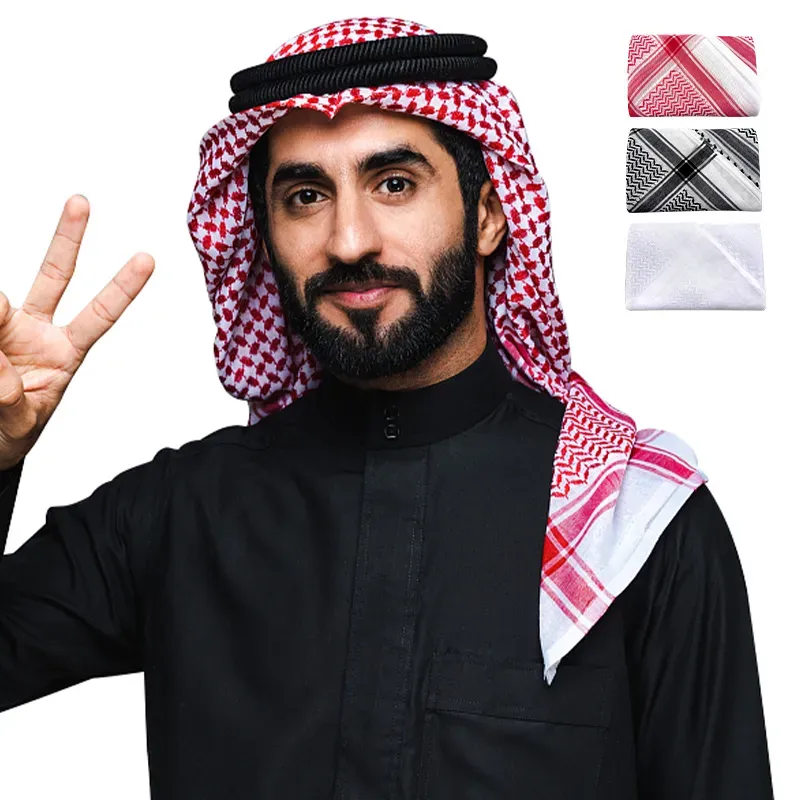
Historical Roots and Cultural Identity
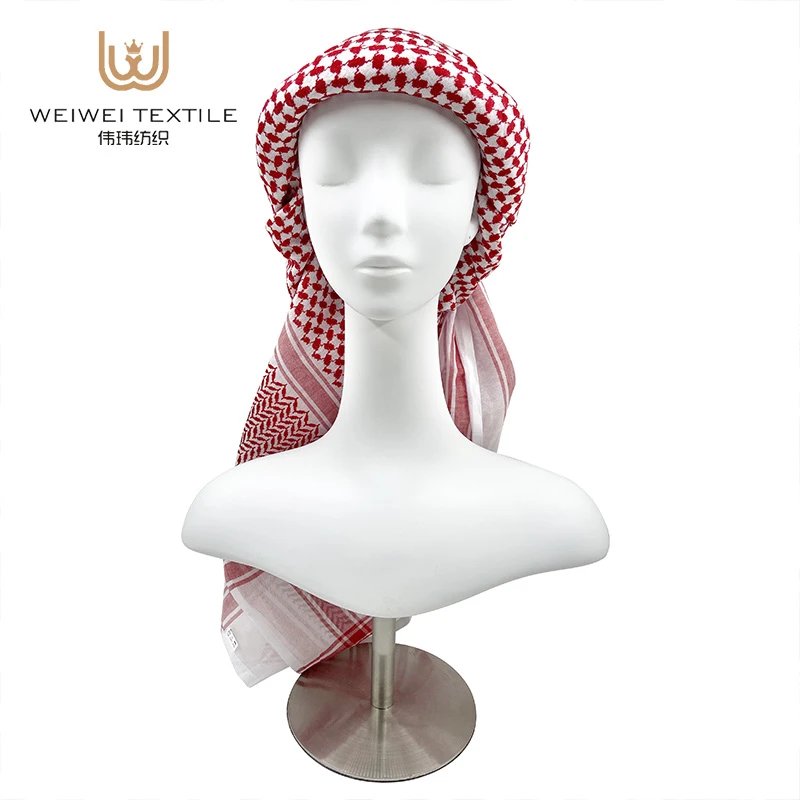
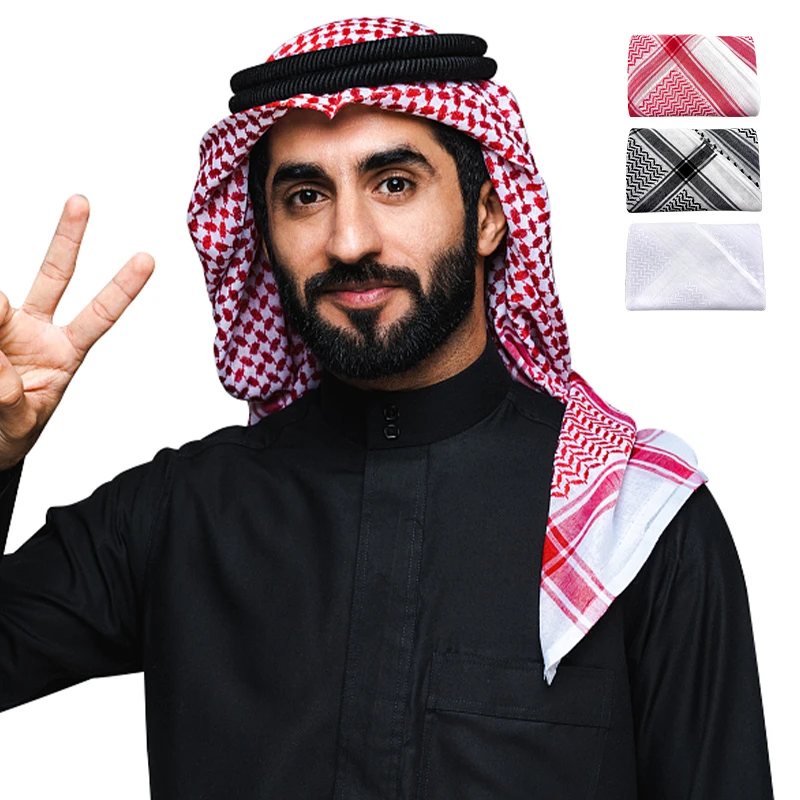
The shemagh, also known as keffiyeh, has its origins in the harsh desert climates of the Arabian Peninsula. For centuries, shemagh arab men have worn this headscarf as protection against intense sun, wind, and sand. Its design—typically a square cloth folded and wrapped around the head—provides both functionality and adaptability.
For yemeni shemagh men the shemagh is not just practical but also a marker of regional identity. Different patterns, colors, and wrapping styles can indicate tribal affiliation, geographic origin, or even social status. In Yemen, for example, the shemagh is often styled in a more relaxed and layered way, reflecting local customs and climate conditions.
The palestinian shemagh, typically recognized by its black-and-white pattern, carries even deeper symbolic meaning. It has become a powerful emblem of cultural pride, resistance, and unity among Palestinians. Over time, it has transcended regional boundaries and is now recognized globally as a symbol of identity and solidarity.
In Islamic culture, modesty and dignity in dress are highly valued. While the shemagh is not a religious requirement, it aligns with these principles by offering coverage and simplicity. For many Muslim men, wearing a shemagh is both a cultural tradition and a way to maintain a connection to their heritage.
Materials, Comfort, and Everyday Use
One of the reasons for the enduring popularity of the shemagh is its practicality. A high-quality cotton shemagh is especially valued for its comfort and breathability. Cotton allows air to circulate, helping to keep the wearer cool in hot climates, while also absorbing sweat efficiently.
The shemagh arab scarf men style is designed to be multifunctional. Beyond being worn on the head, it can also be wrapped around the neck, used as a face covering, or even repurposed as a light blanket or carrying cloth in outdoor settings. This versatility has made it an essential item for daily life, particularly in rural or desert environments.
Design elements also play an important role. Traditional shemaghs often feature:
Distinctive geometric or checkered patterns
Color variations such as red-and-white or black-and-white
Tassels or fringed edges for decorative appeal
Durable weaving suitable for repeated use
For yemeni shemagh men, lighter fabrics and neutral tones are often preferred due to the local climate. In contrast, the palestinian shemagh maintains its iconic pattern, which has become instantly recognizable worldwide.
In modern times, younger generations of shemagh arab men are blending tradition with fashion. They may pair a shemagh with contemporary clothing, using it as a statement accessory while still respecting its cultural roots. This evolution shows how tradition can adapt without losing its core meaning.
Global Demand and the Wholesale Market
As cultural exchange and globalization continue to expand, the shemagh has found new audiences beyond the Middle East. The rise of the shemagh scarf wholesale industry reflects increasing international demand, not only from Muslim communities but also from outdoor enthusiasts, fashion designers, and cultural supporters.
Wholesale suppliers now cater to diverse markets by offering a wide range of options, including premium cotton shemagh products, region-specific designs like the palestinian shemagh, and customizable styles for different cultural preferences. This has created opportunities for businesses to connect with Muslim consumers worldwide while also educating others about the cultural significance of the garment.
For retailers targeting shemagh arab men, authenticity and quality are essential. Customers often look for products that respect traditional craftsmanship and accurately represent cultural heritage. This includes attention to fabric quality, pattern accuracy, and appropriate marketing that acknowledges the shemagh’s cultural roots.
Seasonal and religious factors also influence demand. During important periods such as Ramadan or Eid, sales of traditional clothing—including the shemagh arab scarf men style—often increase significantly. These occasions emphasize community, identity, and the importance of presenting oneself with dignity and respect.
At the same time, the global fashion industry has embraced the shemagh as a versatile accessory. While this has helped popularize the garment, it also raises important questions about cultural appreciation versus appropriation. For Muslim communities, preserving the original meaning and respect associated with the shemagh remains a priority.
In conclusion, the shemagh is far more than a simple scarf. From the traditions of yemeni shemagh men to the symbolic power of the palestinian shemagh, it represents a rich tapestry of history, identity, and cultural values. The practicality of the cotton shemagh, combined with its adaptability in the shemagh arab scarf men style, ensures its continued relevance in daily life.
Even as the shemagh scarf wholesale market expands globally, the essence of the shemagh remains rooted in the lives of shemagh arab men and Muslim communities around the world. It stands as a testament to how a traditional garment can bridge the past and present, serving both functional needs and deeper cultural expression.
-
Xinji Weiwei Textile Factory to Exhibit at the 139th Canton Fair
HaberlerApr.15,2026
-
Abaya Robe: Tradition, Elegance, and Daily Cultural Expression
HaberlerApr.15,2026
-
Satin Scarves and Hijabs: A Reflection of Tradition, Elegance, and Daily Practice
HaberlerApr.15,2026
-
Chiffon Scarf Hijab: A Blend of Tradition, Style, and Everyday Practice
HaberlerApr.15,2026
-
Exploring Hijab Fashion in Malaysia: Tradition, Style, and Daily Cultural Practice
HaberlerApr.15,2026
-
The Cultural Significance and Style of Voile Scarves and Shawls in Daily Muslim Wear
HaberlerApr.15,2026