Dec . 02, 2025 16:32 Back to list
What Is a Scarf? Global Uses, Benefits, and Industry Insights
Understanding the Scarf: More Than Just a Fashion Accessory
When most of us think about a scarf, we naturally picture a thin strip of fabric neatly wrapped around the neck on a chilly day. But as it turns out, the significance of scarves—and the industry around them—extends well beyond style or warmth. Globally, scarves are woven into cultures, economies, and even humanitarian efforts. Getting a firm grasp on what scarves are, their varied uses, and the evolving industry behind them opens doors to appreciating their cultural relevance and economic impact.
Introduction: The Global Importance of Scarves
Scarves are produced and consumed worldwide, cutting across continents and cultures. According to the International Trade Centre data, the global textile and apparel market, which includes accessories like scarves, is valued at over $1.1 trillion, with scarves accounting for a significant share due to their versatility and demand. Oddly enough, scarves also play roles in protection—against dust in industrial settings, sun in hot climates, or as part of traditional medical attire. This range raises an interesting challenge: ensuring scarves meet both fashion and functional needs in increasingly diverse markets.
What Is a Scarf? Defining the Basics
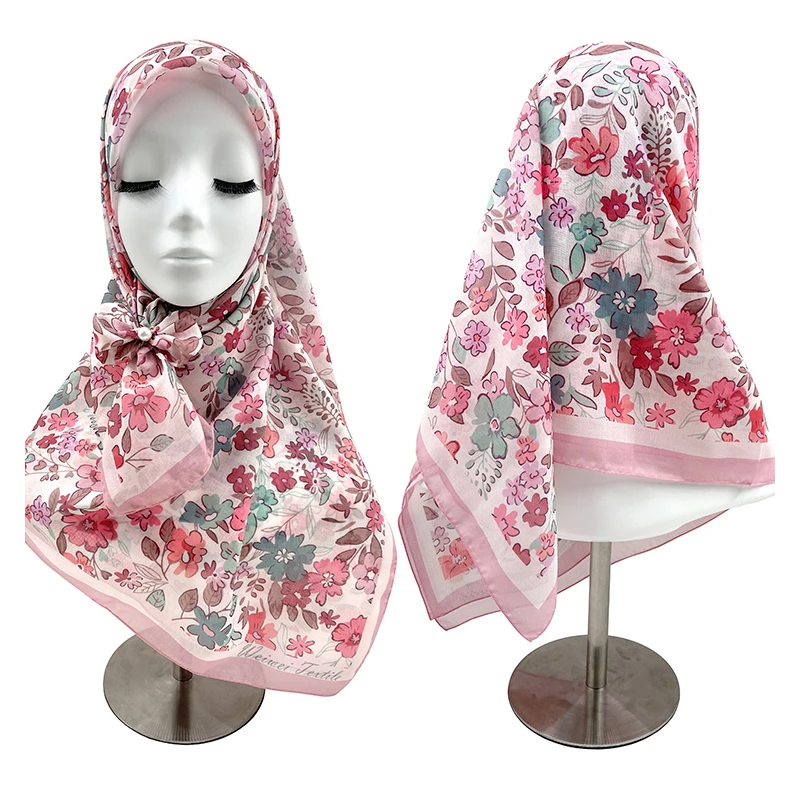
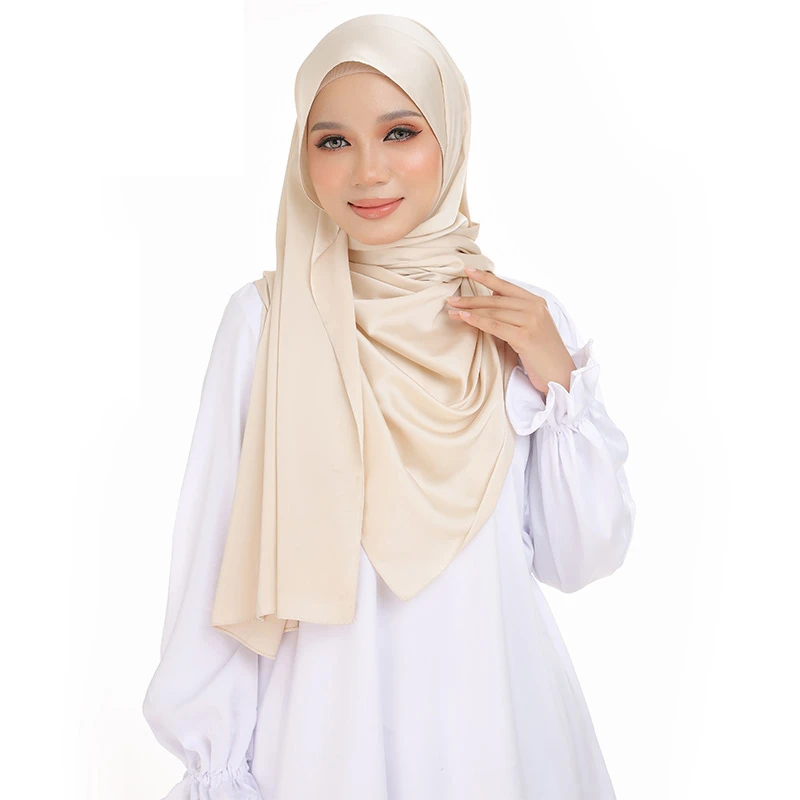
In the simplest terms, a scarf is a piece of fabric that can be worn or used for various practical or symbolic purposes. From silky squares to knitted shawls, scarves serve warmth, modesty, identity, or even technical functions like dust filtration or ceremonial dress. In modern industry, scarves sometimes incorporate advanced textile technologies such as UV protection, antimicrobial treatments, or sustainable fibers—linking heritage with innovation.
Key Components and Qualities of Scarves
1. Material Composition
The core element defining scarf quality is the fabric—wool, silk, cotton, polyester, or blends. The choice impacts softness, warmth, durability, and sustainability. For example, organic cotton scarves appeal to eco-conscious buyers versus synthetic polyester for budget and moisture-wicking performance.
2. Durability & Maintenance
Scarves vary in how they stand up to wear. A wool scarf might last years if properly cared for, whereas some delicate silk scarves need handwashing. Durability often hints at value and user preference, especially when scarves double as daily protective gear in dusty or cold work environments.
3. Design & Versatility
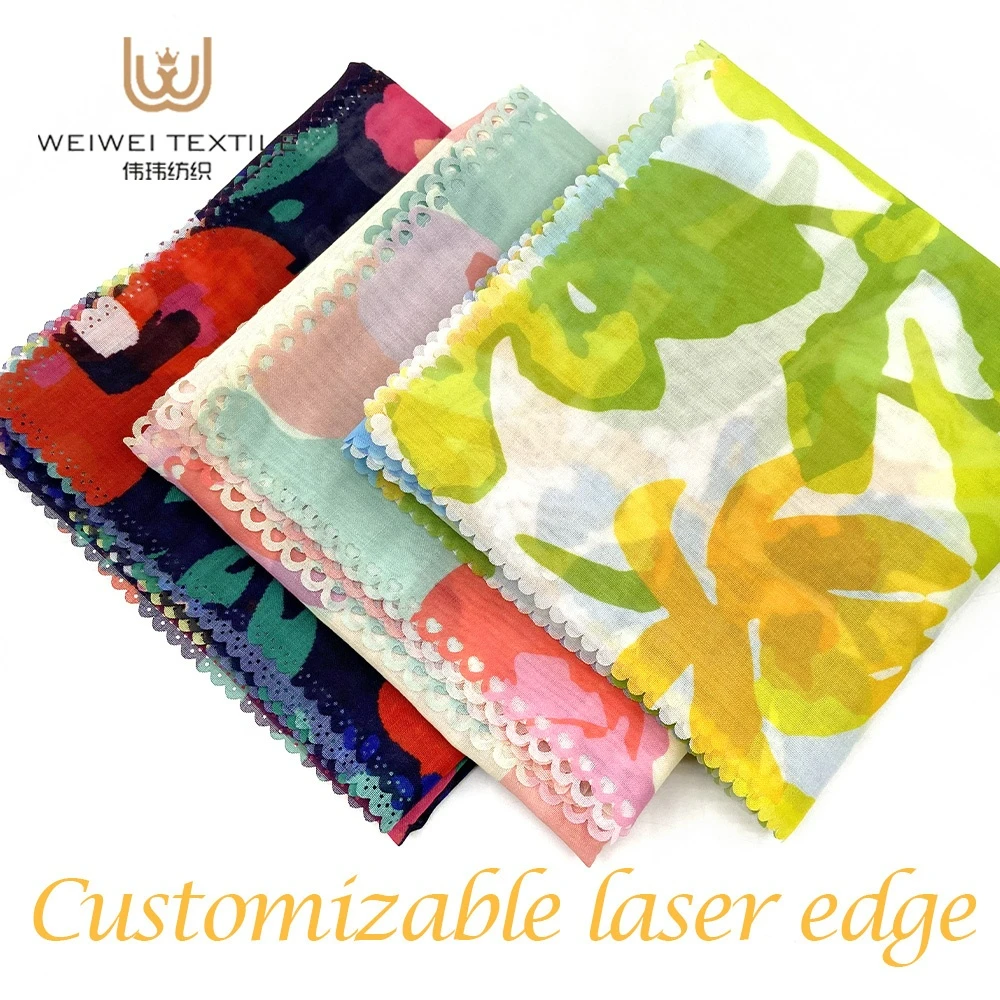
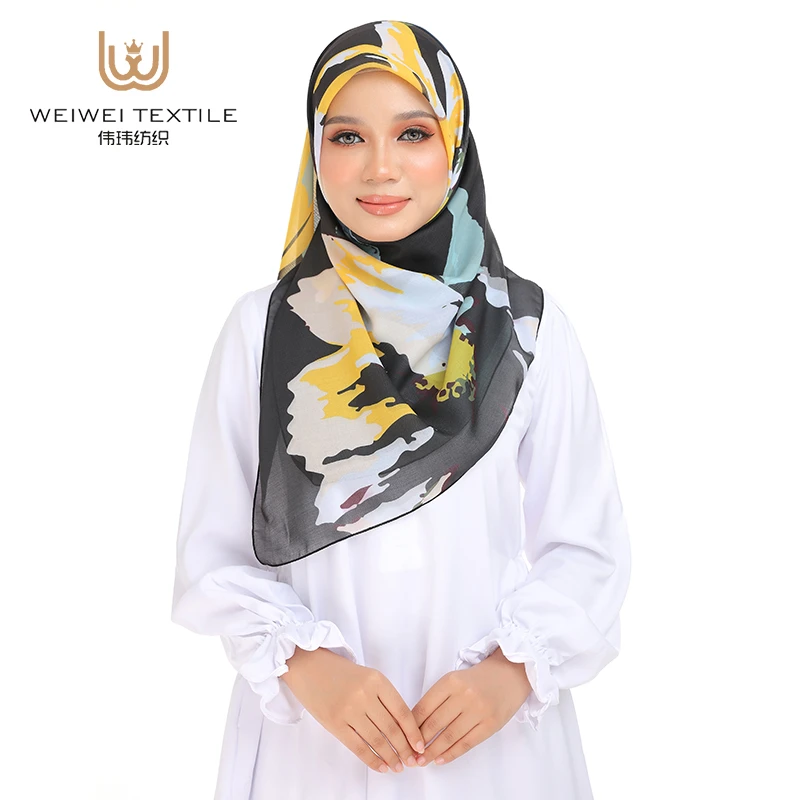
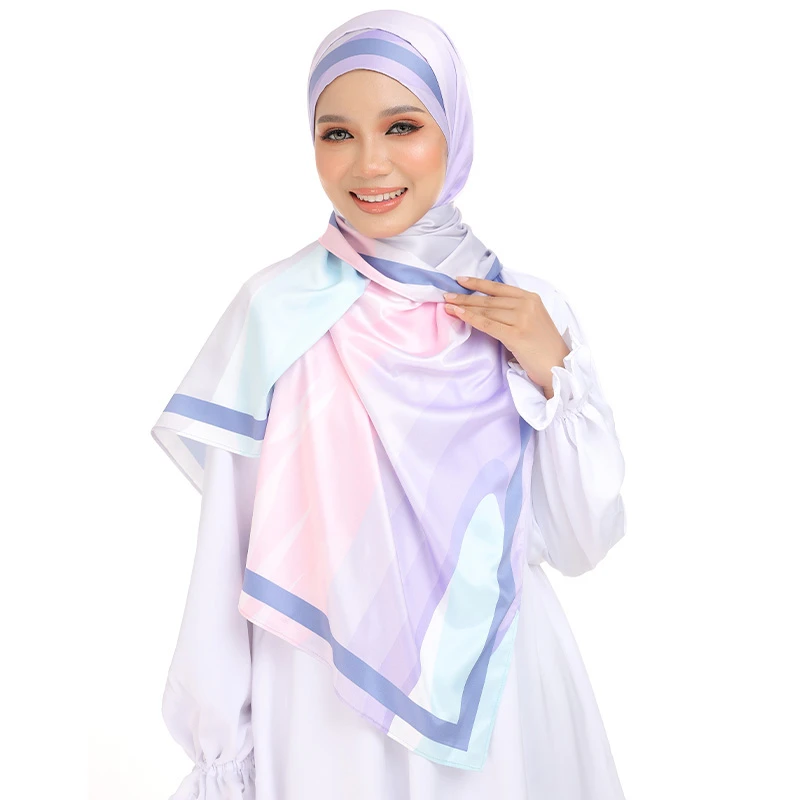
Scarves come in endless patterns, colors, and sizes. This diversity meets both aesthetic and practical needs. Versatility is key; some scarves must be easily packable for travelers, others designed for ceremonial use or branding in corporate or protest settings.
4. Sustainability and Ethical Production
With sustainability a growing concern, scarves made with organic or recycled fibers and ethical labor practices are increasingly valued. Certifications such as GOTS (Global Organic Textile Standard) add credibility, ensuring scarves contribute to greener, fairer supply chains.
| Spec Category | Typical Range | Notes |
|---|---|---|
| Material | Silk, Wool, Cotton, Polyester | Varies by use and price point |
| Size | 30x30 cm to 180x60 cm | Square, rectangular common shapes |
| Weight | 50–200 grams | Influences warmth and portability |
| Care | Machine wash to Dry Clean Only | Material dependent |
| Certification | GOTS, OEKO-TEX | Sustainability & safety standards |
Global Applications & Use Cases of Scarves
Scarves span both everyday and specialized usage worldwide:
- Fashion and Identity: In Europe and Asia, scarves reflect seasons and styles—some even symbolize political or religious affiliation.
- Industrial Protection: Workers in dusty factories or desert environments often use tightly wrapped scarves to protect breathing passages.
- Humanitarian Relief: Organizations distribute scarves for warmth in refugee camps or to protect from dust and sun, proving their multifunctional role beyond aesthetics.
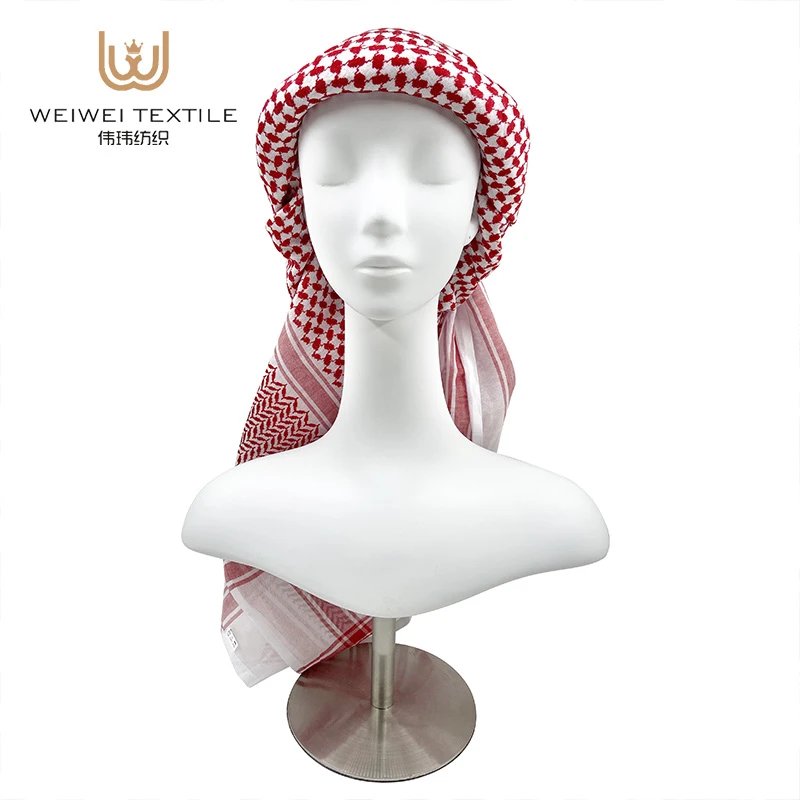
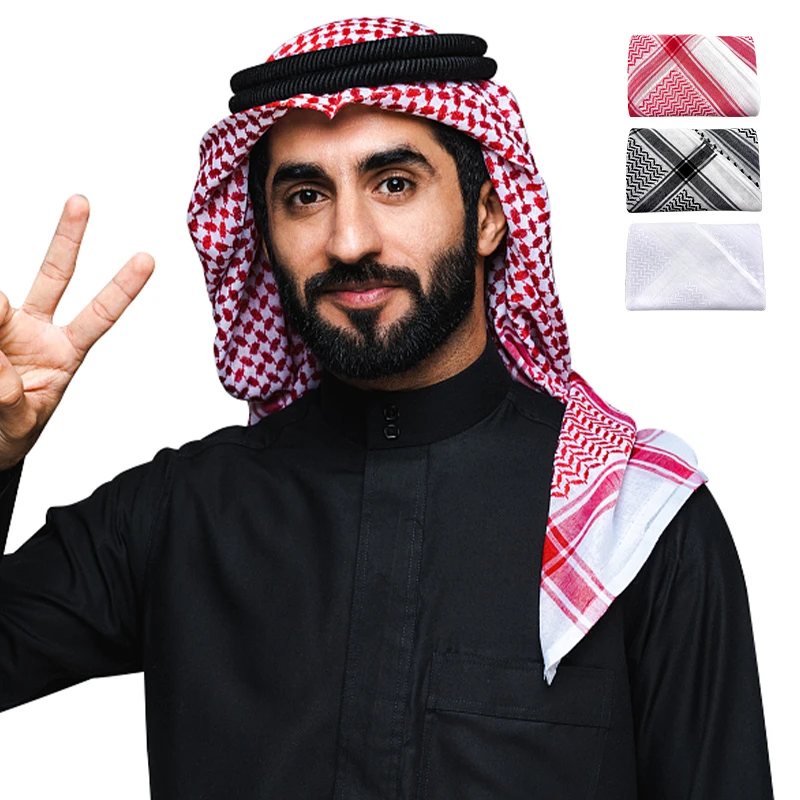
- Ceremonial and Cultural Uses: Scarves have ceremonial importance in many cultures, like the Tibetan khata offering scarf or Middle Eastern keffiyeh.
For instance, in post-disaster relief in Central Asia, scarves made from recycled fabrics are sent to provide warmth and dignity to displaced families. The blend of practicality and cultural resonance makes scarves surprisingly essential.
Advantages and Long-Term Value of Scarves
I suppose one of the most compelling benefits of scarves is their combination of affordability and impact. They can be crafted with relatively low resources yet address real needs: from providing warmth and comfort to symbolizing identity or solidarity.
Socially, scarves can communicate respect and cultural appreciation, which builds trust within communities. Environmentally, sustainable scarves reduce waste and encourage conscious consumerism. Emotionally, gifting or wearing a scarf often connects people—think of the cozy warmth from a personalized scarf gifted by a loved one.
Future Trends & Innovations in Scarves
The scarf industry, like many textile sectors, is embracing innovation at surprising speeds:
- Smart Textiles: Scarves embedded with sensors to monitor body temperature or pollution exposure.
- Eco-Friendly Materials: Increasing use of bamboo fibers, recycled plastics, and plant-dyed fabrics.
- Digital Print Customization: On-demand scarf printing allows individual expression and reduces overproduction waste.
- Automation in Production: Robotics accelerate handcraft-inspired designs at scale.
Many brands, particularly in Europe and Japan, are pioneering scarves that not only look good but serve enhanced functional purposes, blending heritage craftsmanship with high-tech materials. It feels like this is only just beginning.
Challenges & Solutions in the Scarf Industry
Of course, there are hurdles. Supply chain complexity, varying quality standards, and counterfeit products sometimes undermine consumer trust. Also, producing scarves sustainably can be tricky—organic fibers often cost more, and certification takes time.
To address these issues, some companies adopt transparent sourcing policies, trackable blockchain records for authenticity, and partnerships with local artisans to preserve cultural know-how while ensuring fair wages. Education efforts also help consumers appreciate quality over cheap fast fashion.
| Vendor | Material Options | Sustainability | Price Range | Customization |
|---|---|---|---|---|
| Silk & Co. | 100% Silk, Satin | Limited (non-organic) | $$$ | High-end digital printing |
| EcoFibers | Organic Cotton, Bamboo | Certified GOTS | $$ | Limited patterns, bulk only |
| Tradition Threads | Wool, Handwoven Cotton | Fair Trade Certified | $$$ | Custom orders, traditional motifs |
FAQ: Frequently Asked Questions About Scarves
- What fabrics are best for scarves in cold climates?
- Wool and cashmere are generally preferred due to their insulation and moisture-wicking properties. They keep you warm without getting heavy or itchy, ideal for long outdoor use.
- How can I ensure a scarf is sustainably made?
- Look for certifications like GOTS or OEKO-TEX. Also, sourcing from vendors that are transparent about their supply chains and ethical practices is key.
- Are scarves effective for protection against dust or pollution?
- Yes, tightly woven scarves can cover the nose and mouth, offering basic protection in dusty or polluted environments. Some scarves even incorporate special filter layers for enhanced defense.
- How long should I expect a quality scarf to last?
- With proper care, a high-quality scarf can last several years. Natural fibers like wool often retain their integrity better over time versus synthetic materials.
- Can scarves be customized for corporate gifting?
- Absolutely, many manufacturers offer tailored printing or embroidery options to create meaningful brand-focused scarves for giveaways or events.
Conclusion + Call to Action
In real terms, scarves are so much more than decorative extras. They are functional, cultural, and economic connectors spanning the globe. Understanding scarves sheds light on a rich industry blending tradition, innovation, and sustainable practices. For those curious about elevating your scarf experience—whether personal, professional, or humanitarian—I invite you to visit our website: scarf for detailed guides, custom orders, and more insights.
Mini takeaway: Scarves knit together warmth, identity, and innovation in one simple piece of fabric.
References:
-
Xinji Weiwei Textile Factory to Exhibit at the 139th Canton Fair
NewsApr.15,2026
-
Abaya Robe: Tradition, Elegance, and Daily Cultural Expression
NewsApr.15,2026
-
Satin Scarves and Hijabs: A Reflection of Tradition, Elegance, and Daily Practice
NewsApr.15,2026
-
Chiffon Scarf Hijab: A Blend of Tradition, Style, and Everyday Practice
NewsApr.15,2026
-
Exploring Hijab Fashion in Malaysia: Tradition, Style, and Daily Cultural Practice
NewsApr.15,2026
-
The Cultural Significance and Style of Voile Scarves and Shawls in Daily Muslim Wear
NewsApr.15,2026