Dec . 02, 2025 16:48 Back to list
Exploring the Versatility and Global Impact of Scarf Hijab Style
Discovering the Versatility of Scarf Hijab Style: More Than Just a Fashion Statement
When we talk about scarf hijab style, it’s easy to think of it simply as a modest fashion choice. But if you pause and look a little deeper, you find a fascinating intersection of culture, identity, and even innovation. This style resonates globally—not just as a beautiful garment but as a symbol of heritage and personal expression. Understanding its multiple facets and global appeal offers key benefits: it fosters cultural appreciation, supports inclusive markets, and empowers women worldwide.
Introduction: The Global Relevance of Scarf Hijab Style
The scarf hijab style isn’t just prevalent in Middle Eastern or South Asian regions anymore; it has truly gone global. According to the Pew Research Center, over 1.8 billion Muslims worldwide wear some form of hijab, making it a significant cultural and economic phenomenon. Additionally, the fashion industry reported that modest fashion, including hijabs, is growing at double-digit percentages annually, with estimates from market research firms like Euromonitor projecting it could be worth $368 billion globally by 2024.
Despite its popularity, the challenge remains: how can the scarf hijab style remain true to its cultural roots while adapting to modern functionality, sustainability, and style trends? This question frames much of today’s conversation in design studios and humanitarian organizations alike.
Defining Scarf Hijab Style: More Than Just Fabric
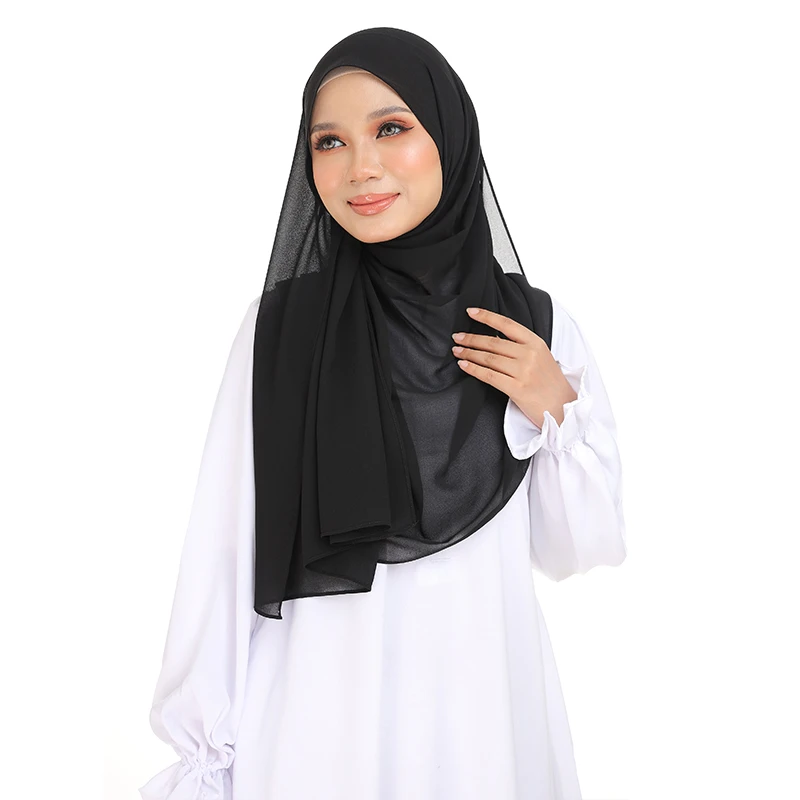
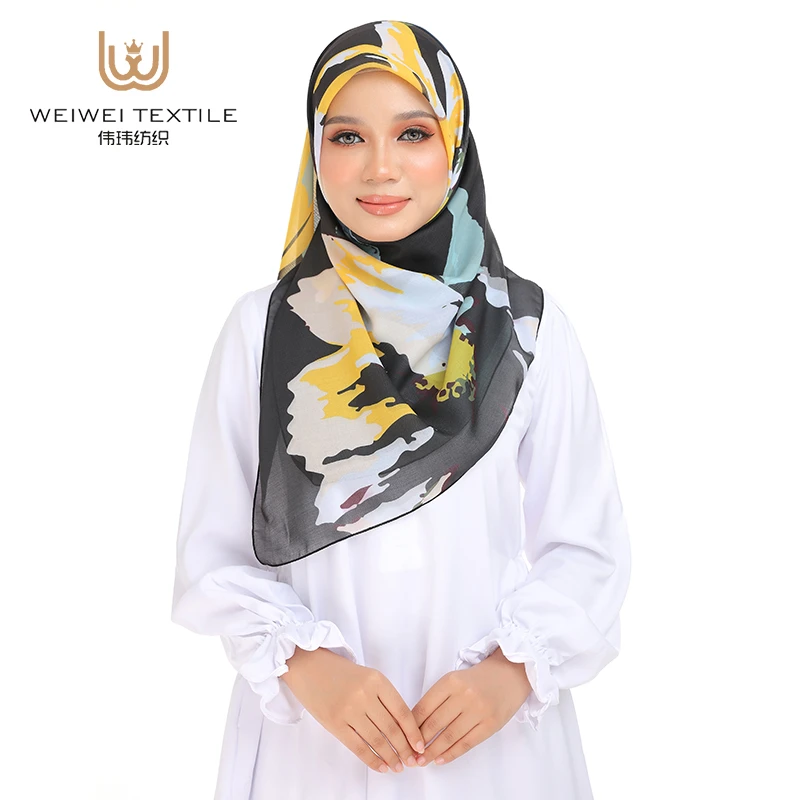
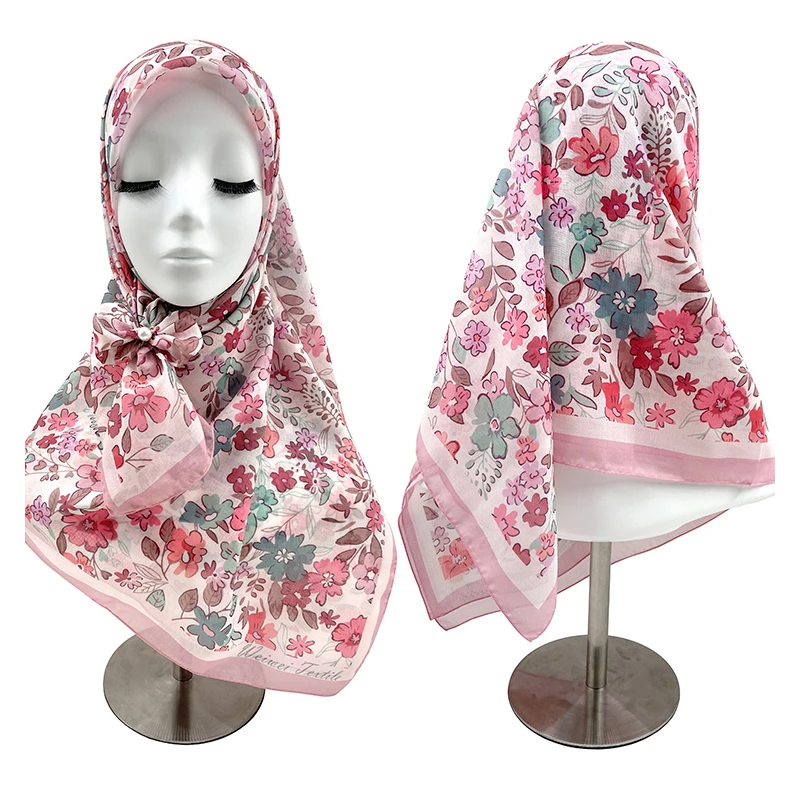
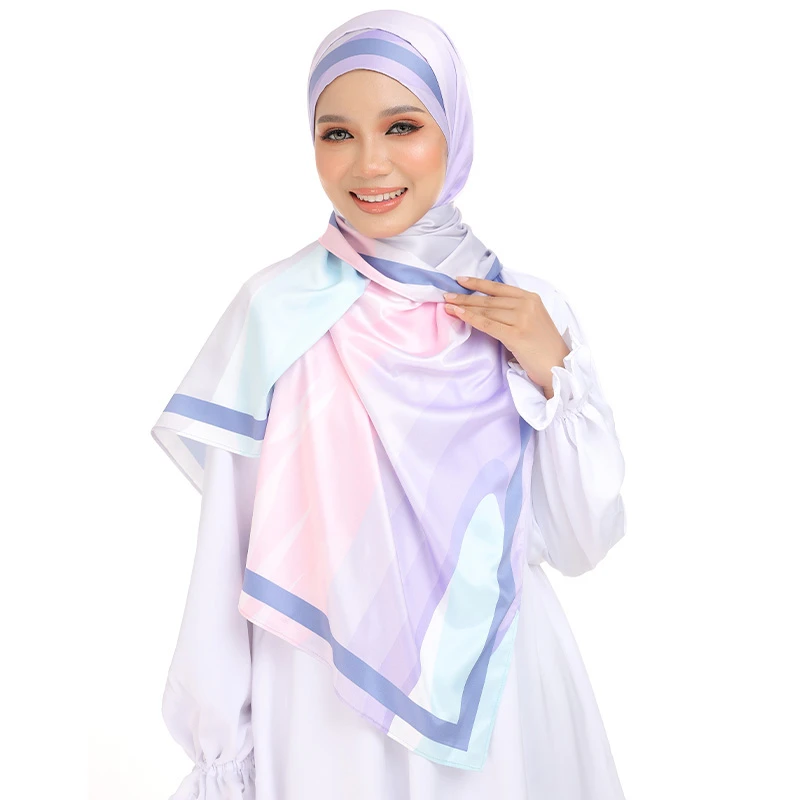
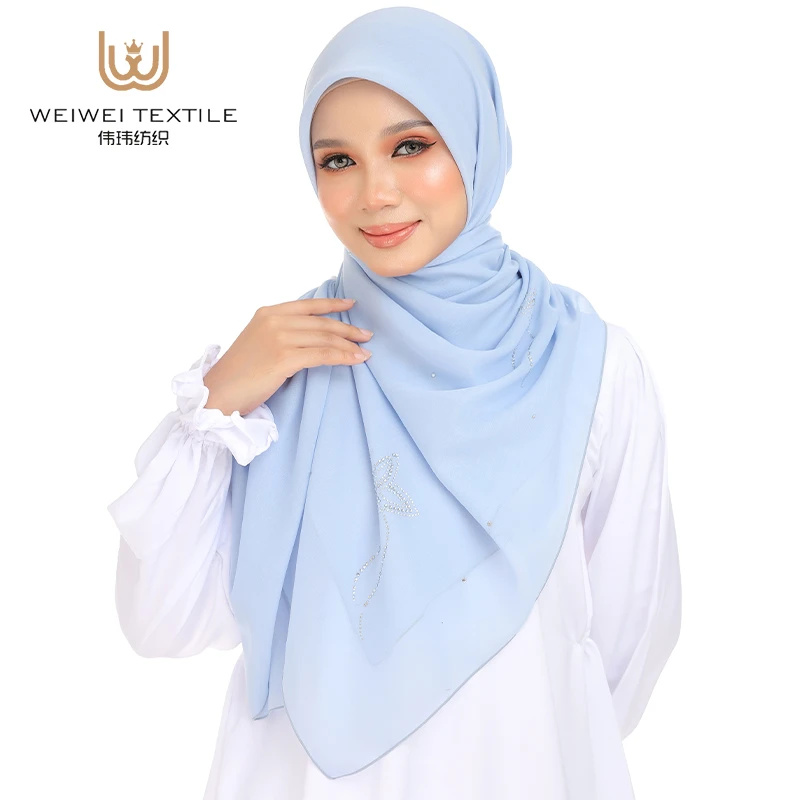
Simply put, the scarf hijab style refers to the way a scarf is used to cover the head and hair of a Muslim woman, adhering to modesty standards rooted in faith and culture. But it’s also a creative art form — a way to reflect personality through colors, fabrics, and wrapping techniques.
From an industrial perspective, this style connects to textile innovation, supply chain management, and even humanitarian aid, where head coverings may be distributed to displaced communities needing functional and respectful clothing options.
Core Components of Scarf Hijab Style
1. Fabric Choice and Comfort
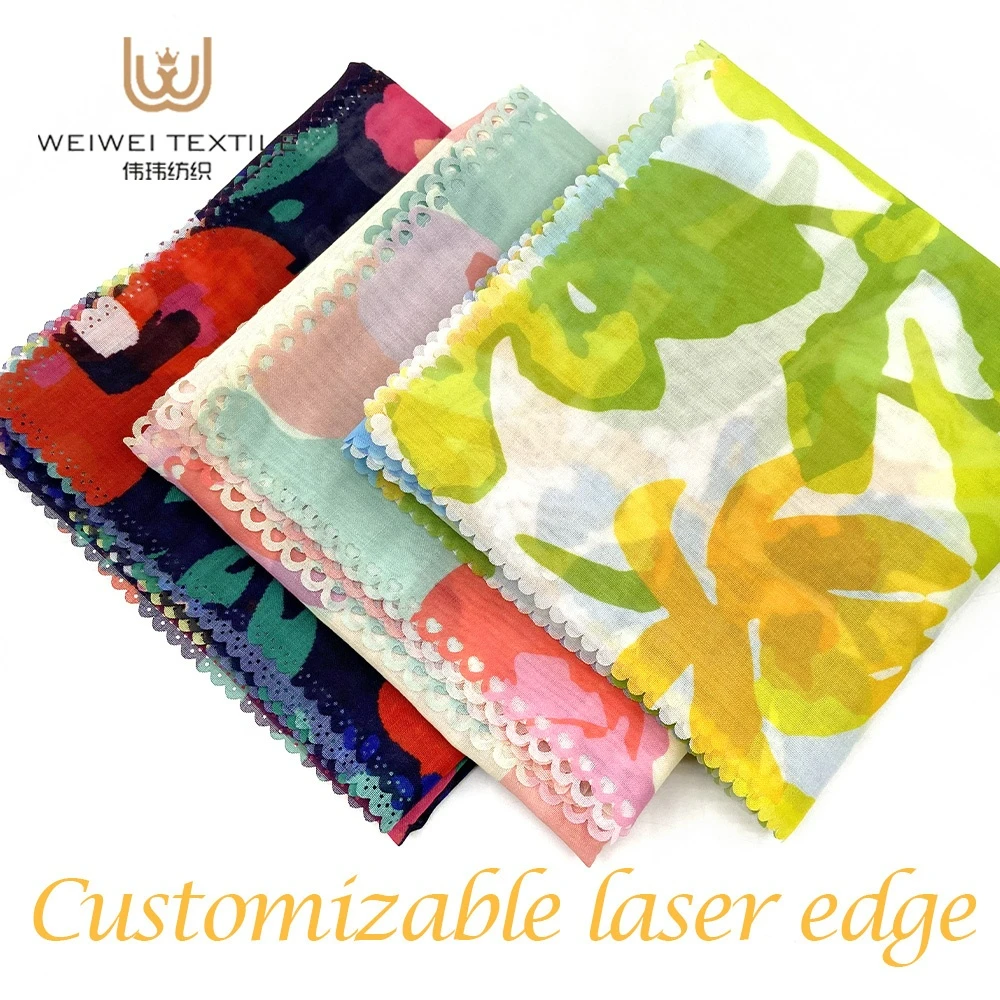
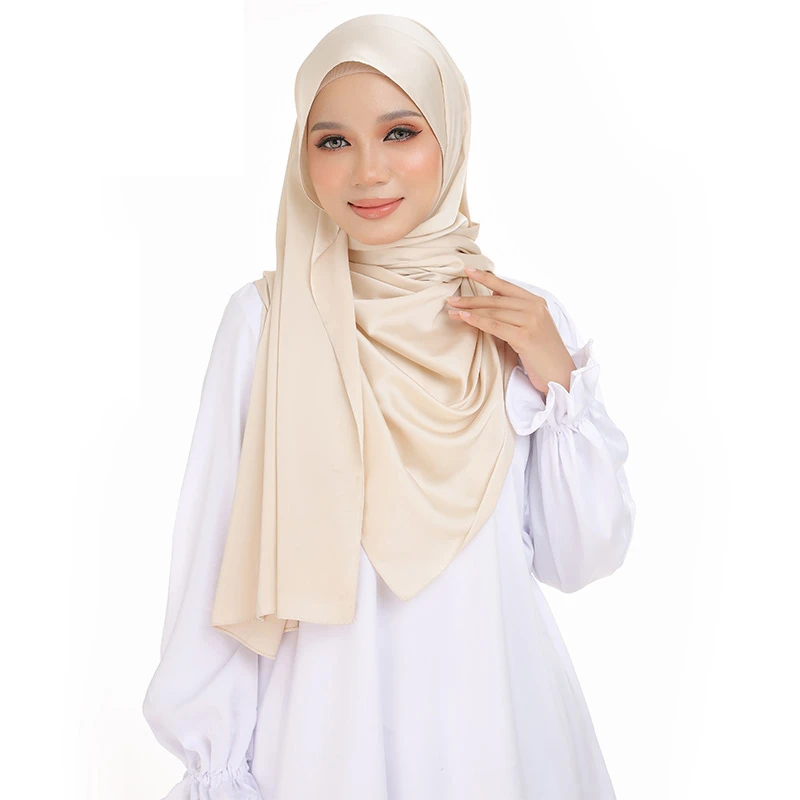
The fabric must balance breathability and opacity. Cotton, chiffon, silk blends, and jersey materials are popular for their light feel and ease of styling. Oddly enough, climatic conditions hugely influence choice—lighter fabrics in hot regions, warmer fabrics elsewhere.
2. Style Variations and Wrapping Techniques
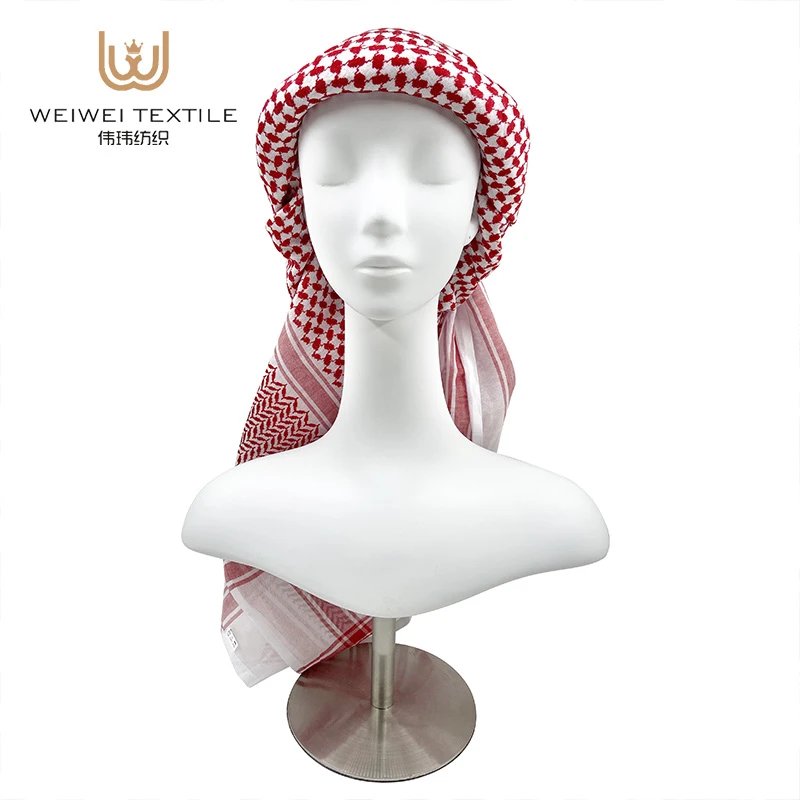
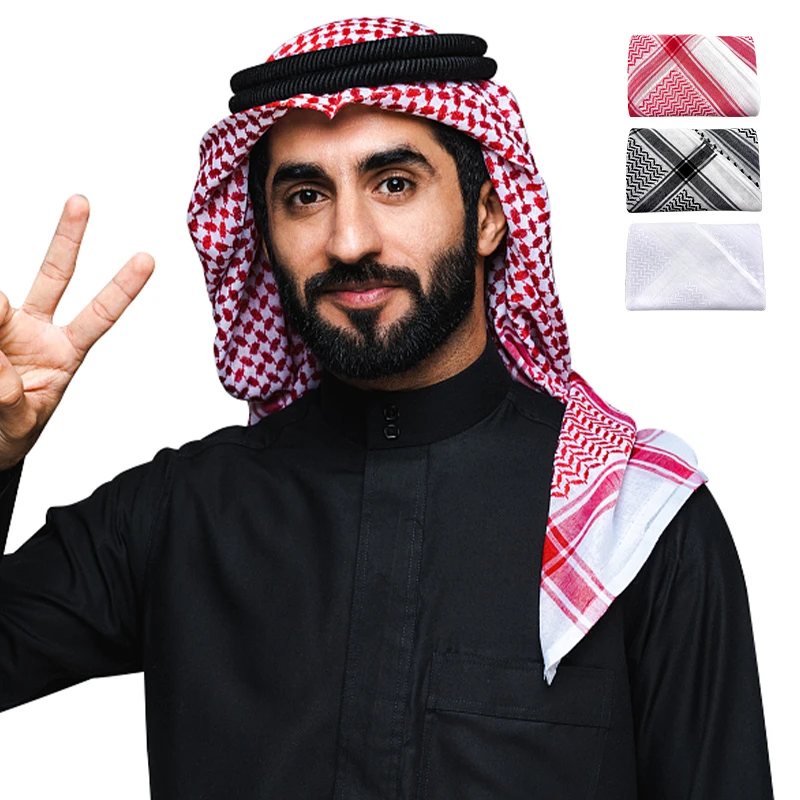
From the classic triangle fold to turban styles, versatility allows personal expression within modesty guidelines. This adaptability ensures the scarf hijab style appeals to a broad range of tastes and occasions.
3. Functionality and Durability
Practicality matters—durable scarves that withstand daily wear and tear, washing, and climate variations are essential. In some humanitarian operations, usability trumps style, as scarves become part of emergency relief kits.
4. Cultural Significance and Identity
Beyond fabric and style lies deep symbolism. The way a scarf is worn can communicate religious devotion, regional identity, and sometimes even social status.
Global Applications & Use Cases
The scarf hijab style permeates many areas—from urban fashion weeks in Milan to rural schools in Indonesia. Its significance also extends to humanitarian efforts where organizations distribute scarves as part of dignity kits for women refugees in Syria or Rohingya camps in Bangladesh. In these contexts, scarves serve both functional and emotional roles.
In workplaces like hospitals or offices globally, versatile scarves accommodate uniform policies while respecting cultural traditions, making them a go-to accessory for millions.
Product Specification Table
| Specification | Details |
|---|---|
| Common Fabrics | Cotton, Chiffon, Silk, Jersey, Viscose |
| Size Range | 70x70 cm (triangle) to 110x200 cm (rectangular) |
| Color Options | Wide spectrum including neutrals, vibrant hues, and seasonal palettes |
| Care Instructions | Hand wash or gentle machine wash recommended |
| Price Range | $10 - $60, depending on fabric and brand |
Vendor Comparison: Popular Scarf Hijab Retailers
| Vendor | Price Range | Material Quality | Style Variety | Sustainability Efforts |
|---|---|---|---|---|
| Alhannah Clothing | $15 - $50 | High-quality cotton & chiffon | Traditional & modern fusion | Limited eco-friendly lines |
| Haute Hijab | $30 - $60 | Premium silk blends | Wide range, seasonal trends | Strong commitment to sustainability |
| Inayah | $12 - $45 | Jersey and viscose blends | Simple, everyday styles | Sustainability improving |
Advantages & Long-term Value of Scarf Hijab Style
One of the largest benefits is the fusion of tradition and trend. Wearing a scarf hijab style imparts a sense of dignity and belonging, a social trust that's hard to replicate elsewhere. This style allows comfort and protection—especially against sun or wind—making it practical in various climates.
Moreover, as brands lean toward sustainable fabrics and ethical production, you end up with products that are not only beautiful but also reduce environmental impact—a win-win.
Future Trends & Innovations in Scarf Hijab Style
The future looks bright and smart. Advances in textile tech mean scarves will soon incorporate moisture-wicking, UV-protection, and even antimicrobial features without compromising softness or style. Digital printing allows personalization at scale, and AI helps designers spot trends faster. Sustainability efforts are shaping not just materials, but circular economy initiatives in scarf production.
Challenges & Solutions
There are a few bumps in the road—finding eco-friendly dyes that don’t fade fast, or balancing affordability against premium fabric costs. Cultural appropriation worries also surface when non-Muslim populations adopt styles without understanding the background. Educating consumers and supporting authentic designers helps.
FAQ: Practical Questions About Scarf Hijab Style
- Q: What type of fabric is best for daily scarf hijab wear?
A: Breathable materials like cotton or jersey are excellent for everyday use due to their comfort and ease of care, especially in varied climates. - Q: How can I maintain the scarf’s color and fabric quality?
A: Gentle hand-washing with mild detergent and air drying prolongs life and vibrancy. - Q: Are sustainable scarves more expensive?
A: Often yes, but they come with benefits such as durability and ethical crafting, making them cost-effective in the long run. - Q: Can I find scarves suitable for both formal and casual occasions?
A: Absolutely—many brands offer multi-use scarves in styles and fabrics that transition easily from day to night.
Conclusion: Embracing the Rich Tapestry of Scarf Hijab Style
In real terms, the scarf hijab style is an evolving reflection of identity, comfort, and innovation. Whether you seek function, fashion, or cultural expression, this style opens doors to a world of possibilities. For those curious to explore or deepen their journey, visit us at scarf hijab style to discover curated designs built on tradition and shaped for today’s world.
Takeaway: The scarf hijab style is not just fabric—it's a living tradition, a global movement, and an innovative future merging all at once.
References:
1. Pew Research Center — Muslim Population Data (pewforum.org)
2. Euromonitor International — Modest Fashion Market Report
3. Sustainable Apparel Coalition — Textile Innovations (apparelcoalition.org)
-
Xinji Weiwei Textile Factory to Exhibit at the 139th Canton Fair
NewsApr.15,2026
-
Abaya Robe: Tradition, Elegance, and Daily Cultural Expression
NewsApr.15,2026
-
Satin Scarves and Hijabs: A Reflection of Tradition, Elegance, and Daily Practice
NewsApr.15,2026
-
Chiffon Scarf Hijab: A Blend of Tradition, Style, and Everyday Practice
NewsApr.15,2026
-
Exploring Hijab Fashion in Malaysia: Tradition, Style, and Daily Cultural Practice
NewsApr.15,2026
-
The Cultural Significance and Style of Voile Scarves and Shawls in Daily Muslim Wear
NewsApr.15,2026