Dec . 03, 2025 11:20 Back to list
The Definitive Guide to Square Hijab Malaysia: Style, Culture & Innovation
Understanding Square Hijab Malaysia: Style, Culture & Industry
Globally, fashion often acts like a quiet language, communicating identity and culture simultaneously. The square hijab Malaysia is one such language—blending tradition with modern flair, and it matters beyond the aesthetics. It’s not just a piece of fabric; it’s a symbol of dignity, practicality, and vibrant cultural expression tailored to Southeast Asia’s climate and lifestyle. Understanding this versatile accessory reveals important insights into textile innovation, cultural identity, and even e-commerce trends across the Muslim world.
Why Square Hijab Malaysia Matters Worldwide
Malaysia’s Muslim population exceeds 60% of its 33 million people (World Bank, 2020), making hijabs a daily staple in women’s wardrobes. Square hijabs, especially popular for their shaping ease and style flexibility, have been embraced far beyond Malaysia’s borders. Oddly enough, their rising demand links to global shifts in modest fashion and an increasing appreciation for Southeast Asian textiles. Yet challenges remain, such as climate adaptability and sustainable textile sourcing —plus, how to innovate while honoring cultural roots.
Defining Square Hijab Malaysia
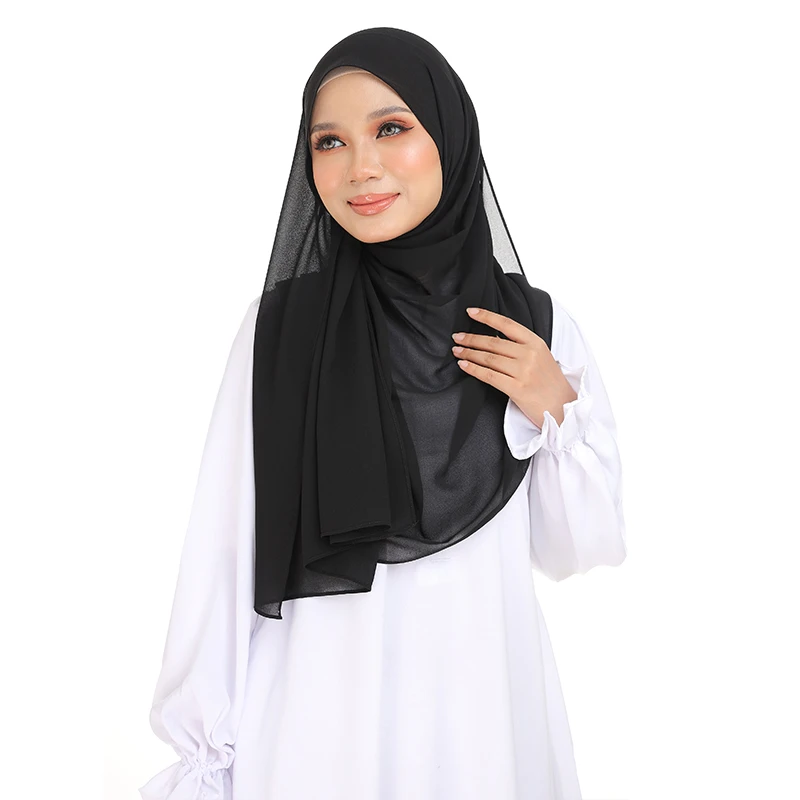
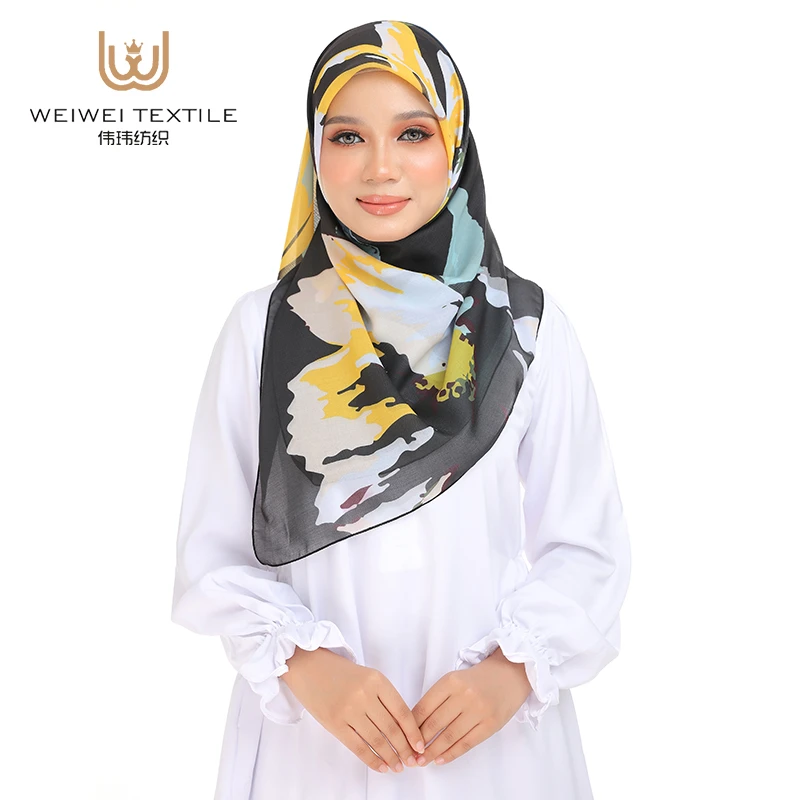
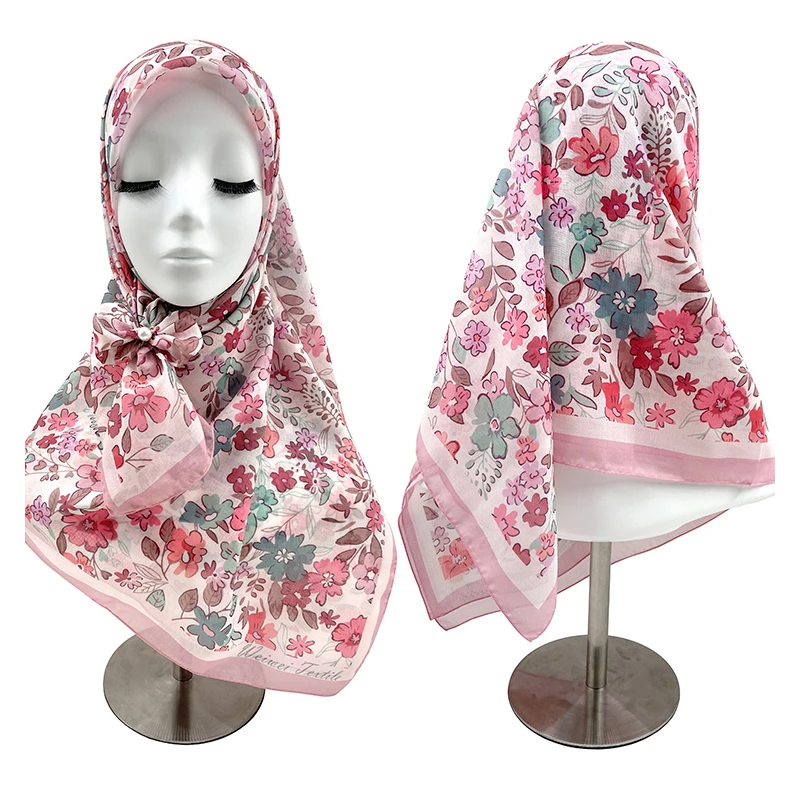
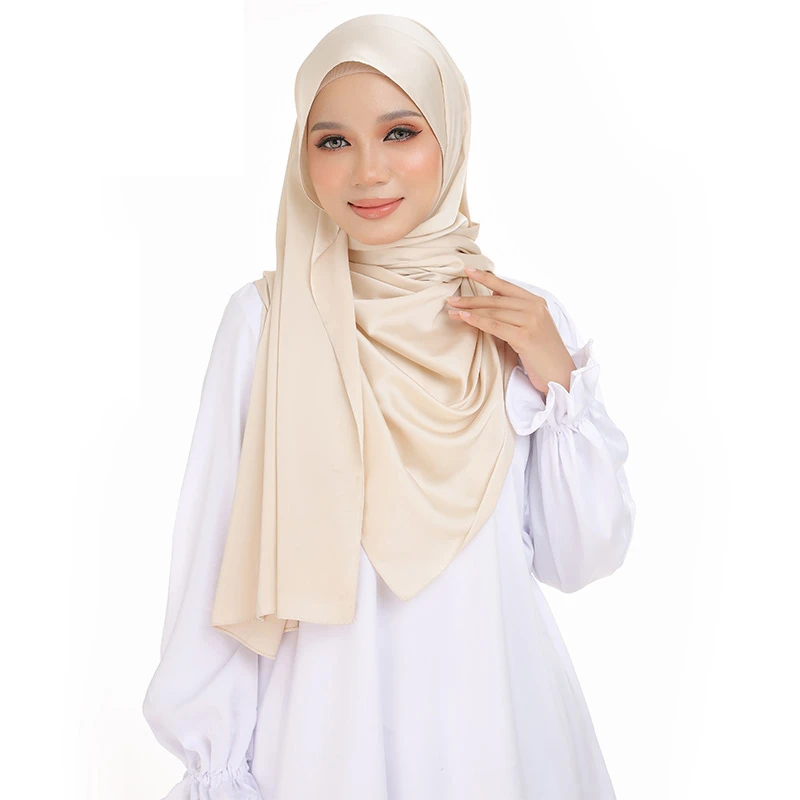
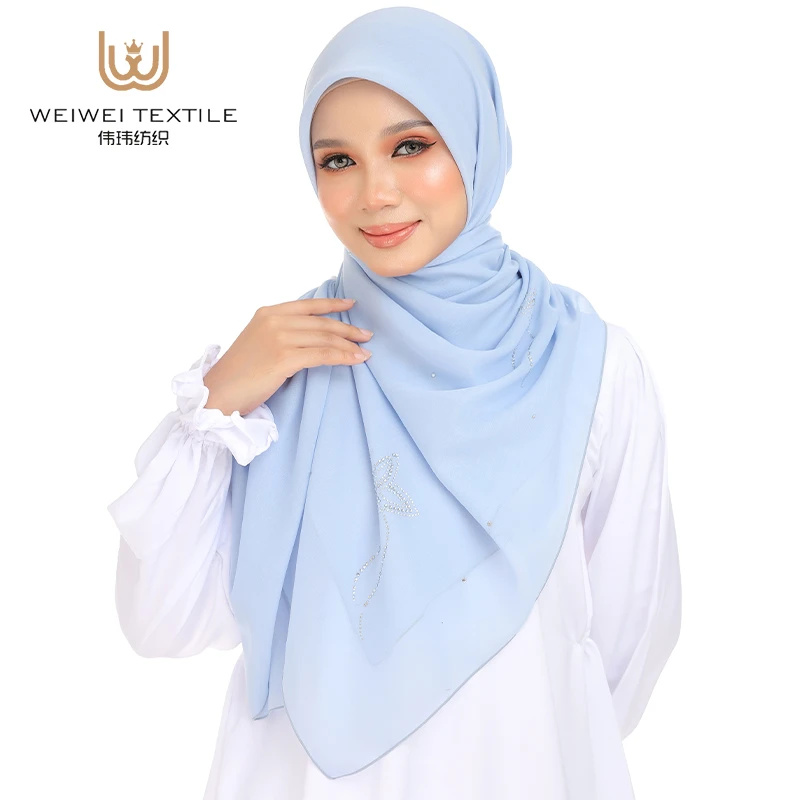
Simply put, a square hijab is a scarf cut into a perfect square, usually 90 cm by 90 cm, designed for versatile styling – neat wraps, turban styles, or loose drapes. Malaysian variants often use lightweight, breathable fabrics like chiffon or crepe, optimised for tropical humidity. Modern manufacturing blends tradition with industry practices: fabric suppliers carefully source materials, while designers cater to comfort and modesty demands. Essentially, it’s a cultural garment fused with modern textile science.
Core Components of the Square Hijab Malaysia
1. Fabric Quality and Breathability
In a hot climate like Malaysia, fabric matters. Most square hijabs use breathable fabrics such as chiffon, viscose, or jersey. These fabrics help wick moisture and prevent discomfort—a huge plus in tropical weather.
2. Durability and Color Retention
Handwashing, daily use, and sunlight exposure mean durability can’t be skipped. Many Malaysian hijabs undergo colorfastness and tensile strength tests to ensure longevity despite constant handling.
3. Size Uniformity and Cut Precision
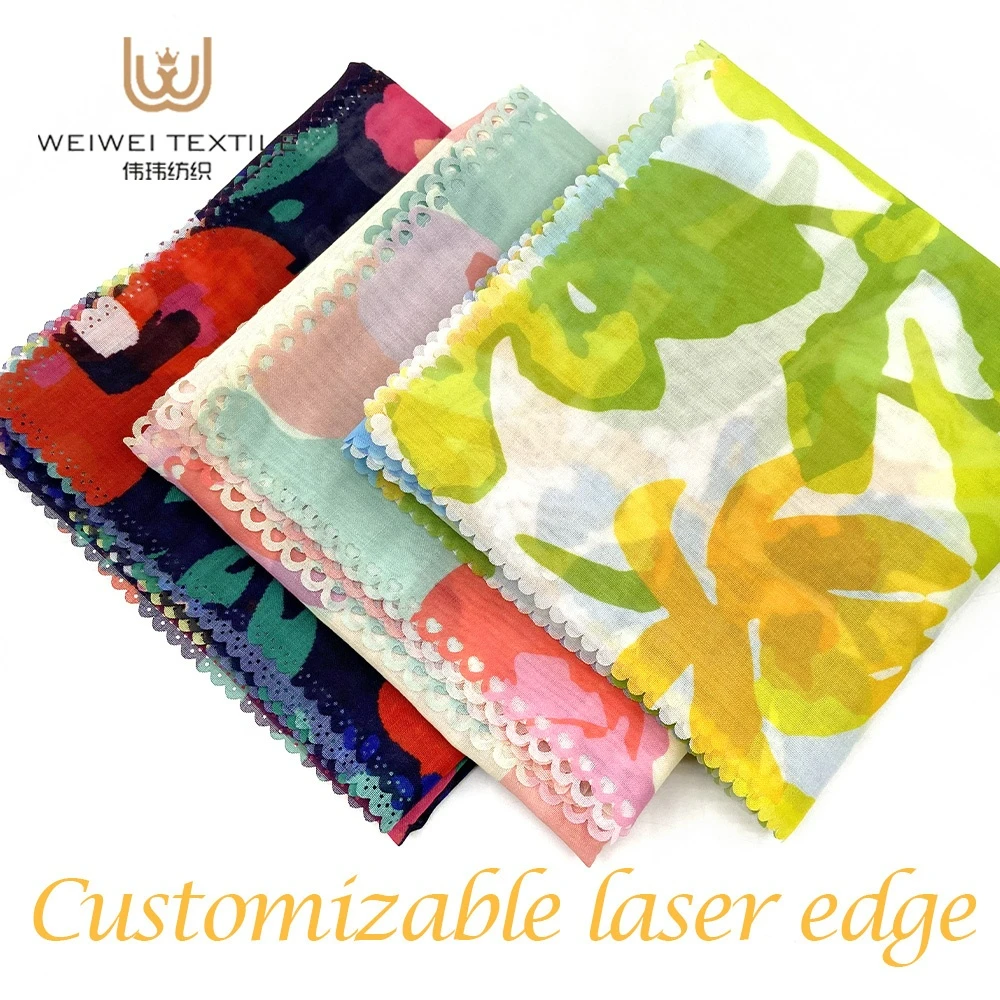
Squareness is key for styling ease. Manufacturers maintain strict size standards (typically around 90×90 cm) with laser-cut precision to avoid untidy edges or uneven layers.
4. Cultural Styling Versatility
From office attire to festive wear, the versatility of styling square hijabs makes them indispensable. Malaysian hijabs are often slightly heavier than Middle Eastern types to help with draping and layering.
5. Accessibility and Price Point
Balancing quality with affordability enables broad access without compromising fashion statements. Local brands often lead here by offering products in the 20-50 MYR range (~5-12 USD).
Mini Takeaway
Square hijab Malaysia is more than a cultural garment—it’s a product of thoughtful fabric choices, design precision, and accessibility that makes daily wear both practical and elegant.
Global Applications & Use Cases of Square Hijab Malaysia
Beyond local markets, square hijabs from Malaysia have found places in Southeast Asian diaspora communities, Middle Eastern casual fashion, and even Western modesty fashion lines. Export hubs like Kuala Lumpur tap into international demand, often supplying boutique stores or online marketplaces. Humanitarian aid groups have also turned to Malaysian fabric suppliers for cost-efficient, durable hijabs in refugee camps—valued for their lightweight, breathable nature in harsh climates.
Advantages and Long-Term Impact
- Cost-effectiveness: Local production keeps costs manageable for consumers worldwide.
- Sustainability: Many manufacturers use OEKO-TEX certified materials to ensure eco-friendliness.
- Cultural representation: Wearing the square hijab links users to Malaysia's rich heritage.
- Comfort & Practicality: Fabric choices prioritize wearer’s daily comfort, essential in humid climates.
- Innovation & Trust: Established brands maintain trust through consistent quality and design upgrades.
Future Trends in Square Hijab Malaysia
Manufacturers are exploring smart textiles with moisture-wicking coatings, antibacterial finishes, and UV protection, given the sunny equatorial conditions. Digitization of designs—3D printing border patterns and AI-driven trend forecasting—are beginning to shape product lines. Sustainability remains a big driver, with bamboo and organic cotton blends gaining traction. Plus, greater e-commerce penetration will likely expand global accessibility.
Challenges & Current Solutions
Climate consistency is tricky: too lightweight fabrics risk slipping, while thicker ones reduce breathability. Many brands mitigate this with special fabric blends or silicone edging to improve grip without discomfort. Sizing for diverse face shapes also proves challenging, sparking deluxe cut variations. Supply chain disruptions during global events have pushed some suppliers to localize raw materials to stabilize production.
Square Hijab Malaysia: Product Specifications at a Glance
| Specification | Details |
|---|---|
| Dimensions | 90 cm x 90 cm (approx.) |
| Fabric Types | Chiffon, Crepe, Viscose, Jersey |
| Weight | 50-80 grams |
| Colorfastness | Grade 4 or higher (ISO 105) |
| Care | Hand wash cold, air dry recommended |
Top Malaysian Square Hijab Vendors Compared
| Vendor | Fabric Options | Typical Price (MYR) | Sustainability | Online Availability |
|---|---|---|---|---|
| Aisyah Hijab | Chiffon, Viscose | 25 - 40 | OEKO-TEX certified | Yes |
| Nafisa Wear | Crepe, Jersey | 20 - 50 | Partial organic blends | Yes |
| Sutra Scarves | Chiffon, Bamboo blends | 35 - 60 | 100% organic | Limited |
FAQs About Square Hijab Malaysia
Q1: What makes a square hijab from Malaysia special?
A: Malaysian square hijabs are tailored for tropical climates, combining breathable fabrics with high durability. Their design often caters to easy styling, with colorfastness suitable for frequent wear.
Q2: How do I care for my square hijab to ensure longevity?
A: Hand washing in cold water and air drying is recommended to retain fabric softness and color. Avoid harsh detergents and bleaching agents to maintain fabric integrity.
Q3: Are Malaysian square hijabs suitable for formal occasions?
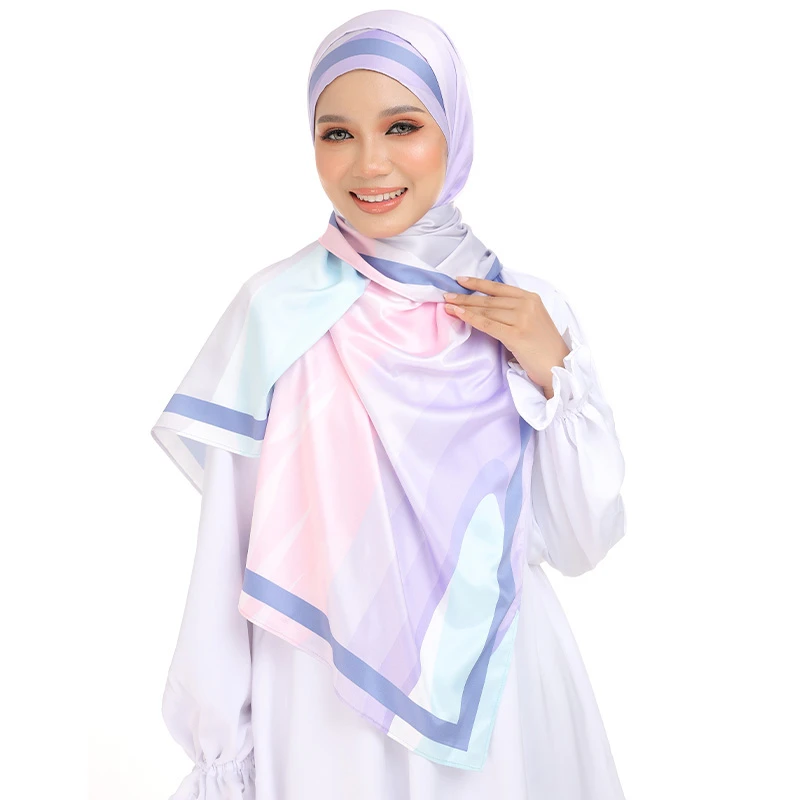
A: Definitely. Many are crafted with elegant finishes or printed patterns suited for functions and festive events, blending cultural expression with modern style.
Q4: Can I buy authentic square hijabs from Malaysia online?
A: Yes, numerous local vendors offer online stores or ship internationally. For reliable sourcing, look for certifications like OEKO-TEX and customer reviews.
Conclusion & Call to Action
In real terms, the square hijab Malaysia represents a beautiful intersection of culture, functionality, and innovation. Its global appeal continues to grow as consumers seek garments that respect tradition yet meet modern needs. If you’re curious to explore quality options or want to stay updated on the latest trends in modest fashion accessories, do check out square hijab malaysia for curated collections inspired by heritage and industry expertise.
To sum it up: Wearing a square hijab from Malaysia is both an act of cultural pride and a practical choice for many women across the world.
References
-
Xinji Weiwei Textile Factory to Exhibit at the 139th Canton Fair
NewsApr.15,2026
-
Abaya Robe: Tradition, Elegance, and Daily Cultural Expression
NewsApr.15,2026
-
Satin Scarves and Hijabs: A Reflection of Tradition, Elegance, and Daily Practice
NewsApr.15,2026
-
Chiffon Scarf Hijab: A Blend of Tradition, Style, and Everyday Practice
NewsApr.15,2026
-
Exploring Hijab Fashion in Malaysia: Tradition, Style, and Daily Cultural Practice
NewsApr.15,2026
-
The Cultural Significance and Style of Voile Scarves and Shawls in Daily Muslim Wear
NewsApr.15,2026