Dec . 03, 2025 11:40 Back to list
Swimming Hijab Malaysia - Modest and Practical Swimwear for Muslim Women
Swimming Hijab Malaysia: Embracing Modesty and Mobility in Aquatic Spaces
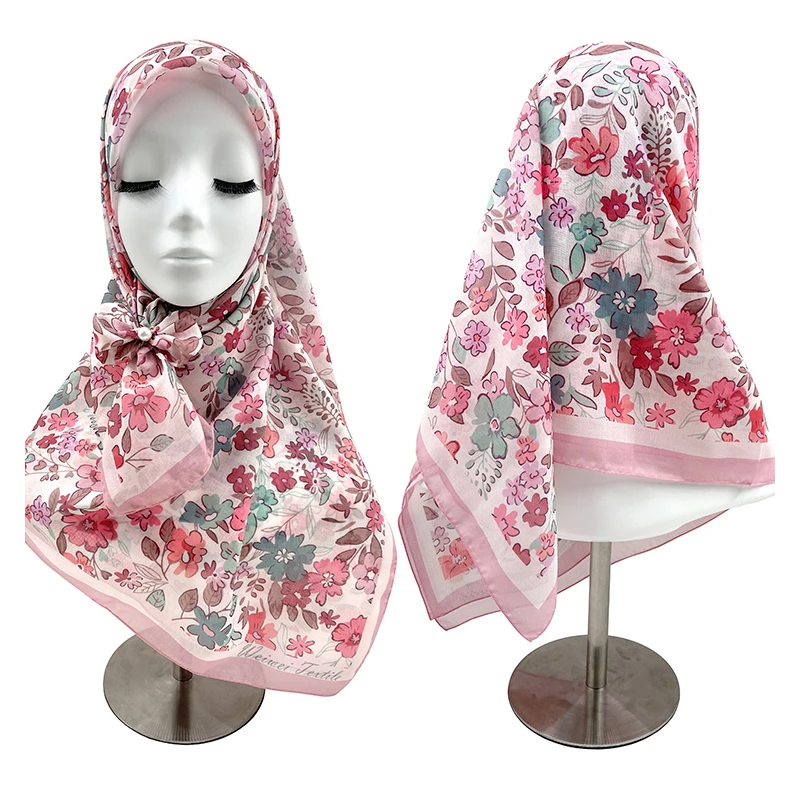
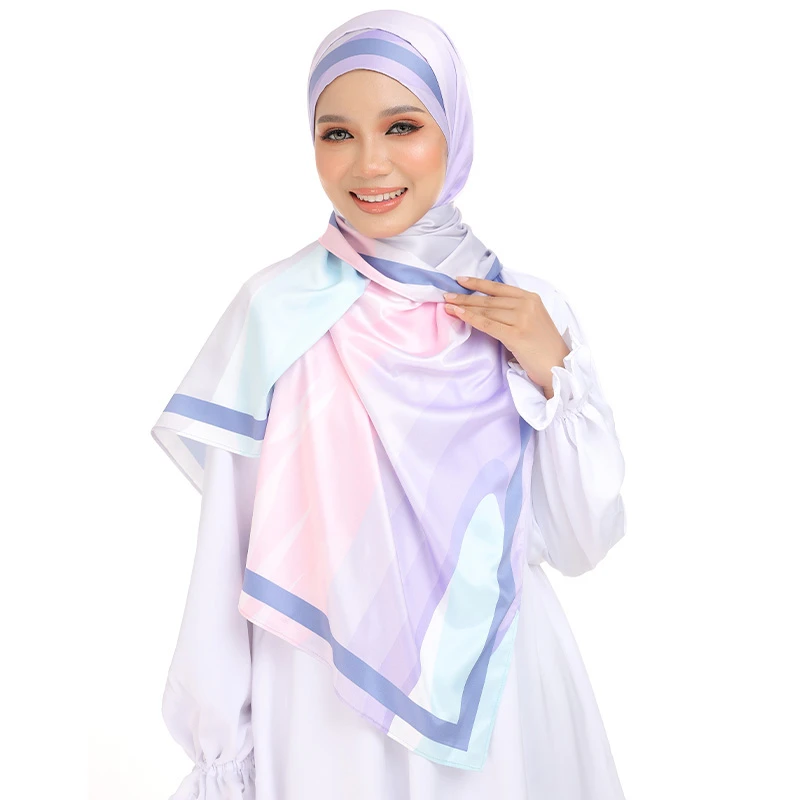
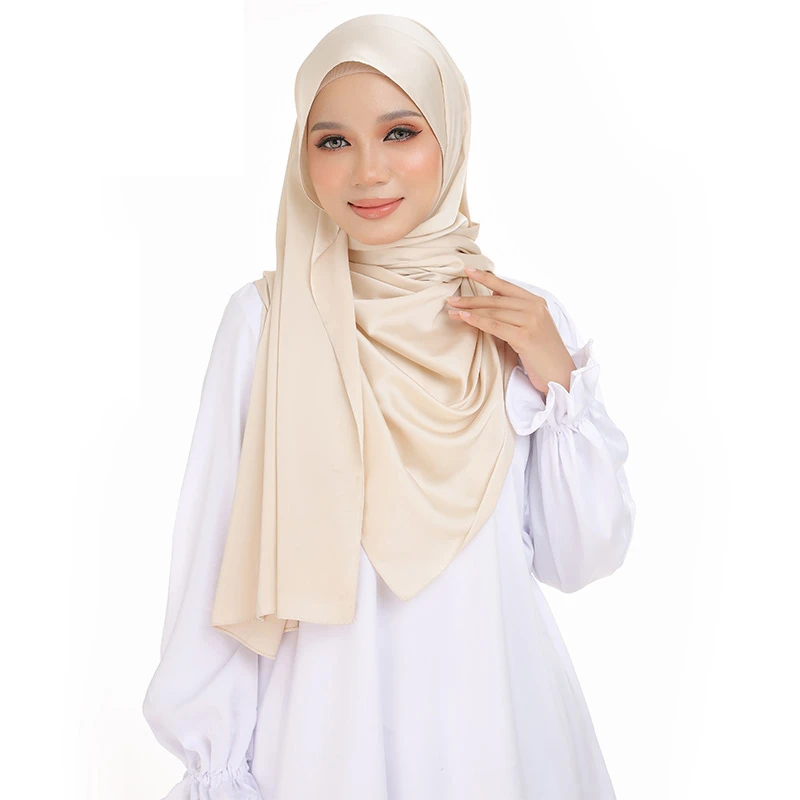
Swimming hijabs in Malaysia have emerged as a practical and culturally sensitive solution that allows Muslim women to enjoy swimming and water sports while adhering to their faith's modesty requirements. Globally, the swimwear industry is reevaluating inclusivity and innovation, with modest swimwear representing a growing niche. Understanding swimming hijab Malaysia and its significance not only uncovers the evolving industry trends but also reflects broader social values on diversity, empowerment, and access.
1. Introduction: Global and Industry Context
In a world increasingly valuing inclusivity, swimming hijabs offer an essential gateway for modesty-conscious Muslim women in Malaysia and beyond to participate in aquatic activities. According to the United Nations Water Day reports, swimming remains one of the lowest-risk ways to stay active yet access remains limited for some communities due to cultural dress norms.
Oddly enough, while Malaysia is known as a multicultural hub, many women have faced challenges finding suitable swimwear without compromising religious values — a problem the swimming hijab Malaysia movement confronts directly. With more than 60% of Malaysians identifying as Muslim (source: Wikipedia), the local demand is naturally strong. Moreover, in the era of global tourism and competitive sports, providing modest yet functional swimwear is a growing industry challenge and opportunity.
2. What is Swimming Hijab Malaysia?
Simply put, a swimming hijab in Malaysia is a head covering designed specifically for water activities. It balances religious modesty with performance features. Unlike traditional hijabs made from cotton or other absorbent materials, swimming hijabs use quick-drying, stretchable fabrics like Lycra, spandex, or nylon blends. This differentiation makes them comfortable and practical for swimming, water aerobics, and even competitive sports.
From a broader perspective, swimming hijabs are part of a larger move towards adaptive sportswear meeting humanitarian needs — enabling greater participation for women who might otherwise be excluded due to cultural dress restrictions. They reflect a blend of technical textile innovation and cultural respect.
3. Key Components & Practical Considerations
Fabric Technology
The hallmark is lightweight, chlorine and salt-water resistant fabrics that maintain color and shape. This ensures durability despite regular exposure to pool chemicals or seawater.
Design & Fit
Swimming hijabs are constructed to stay securely in place without slipping, using water-friendly elastic trims or adjustable toggles, which is crucial for active movement.
Breathability & Comfort
Moisture-wicking properties and rapid drying capabilities reduce discomfort and skin irritation — qualities especially valued within hot, humid Malaysian climates.
Safety Features
Some variants incorporate UV protection (UPF 50+) to shield sensitive skin from sun damage during outdoor swimming or beach outings.
Style & Modesty
Options range from sleek, sporty cuts to more conservative styles covering the neck and chest, accommodating different personal or religious preferences.
Product Specifications of a Typical Swimming Hijab in Malaysia
| Feature | Specification |
|---|---|
| Material | 80% Nylon, 20% Spandex (Chlorine Resistant) |
| Weight | 120 grams |
| Drying Time | Under 10 minutes (air dry) |
| Sun Protection | UPF 50+ |
| Sizes Available | S, M, L, XL |
| Colors | Black, Navy, Grey, Teal |
4. Global Applications & Use Cases of Swimming Hijabs
Swimming hijabs aren’t just localized to Malaysia. They are gaining attention in Southeast Asia, the Middle East, Europe, and North America. In Islamic countries where public swimming pools and beaches are common, such products are increasingly sanctioned in sports clubs and community pools.
In post-disaster relief situations or camps involving Muslim populations, ensuring access to modest swimwear can improve hygiene practices and foster community wellbeing. Even in remote industrial zones, female workers who want to swim during breaks or fitness times might prefer these specialized hijabs.
Malaysia’s vibrant aquatic sports scene benefits significantly, especially in schools and universities committed to inclusive education and sports policies. Swimming hijabs help Muslim female students train competitively without compromising religious obligations.
5. Advantages & Long-Term Value
- Empowerment & Inclusion: Encourages active lifestyles without cultural compromise.
- Durability & Cost-Effectiveness: Quality fabrics mean longer wear despite frequent water exposure.
- Environmental Sustainability: Many manufacturers now focus on recycled or low-impact fabrics.
- Health & Safety: Protects against UV rays and maintains hygienic standards.
- Dignity & Confidence: Women report increased confidence when they don’t have to choose between modesty and swimming.
Frankly, it feels like a small shift culturally, but swimming hijab Malaysia products open doors to bigger conversations about diversity in sportswear. And frankly, that’s something to celebrate.
6. Future Trends & Innovations
Looking ahead, there's rising interest in integrating smart textiles—fabrics embedded with sensors for UV exposure or hydration levels—into modest swimwear. Technology could further tailor these hijabs to individual swimming conditions or digital performance monitoring.
Additionally, promoting sustainability is pushing producers to adopt biodegradable materials or utilize circular economy models, something Malaysia's textile industry has begun exploring alongside the global movement. Also, with increasing digitization, customized designs that reflect personal identity and culture might become the norm.
7. Challenges & Solutions
Some challenges remain. For instance, not all swimming hijabs fit equally well for all face shapes or hair types, which can lead to discomfort or slippage during swimming. Also, availability still varies regionally, and price points may be high for some budgets.
Innovations like adjustable sizing systems, better fabric blends for stretch and support, and expanding local manufacturing are helping address these issues. Moreover, education campaigns aimed at swimming instructors and pool managers foster wider acceptance.
8. FAQ: Practical Questions About Swimming Hijab Malaysia
- Q: What fabrics are best for swimming hijabs?
A: Look for blends of nylon, spandex, or polyester that offer chlorine resistance, quick drying, and secure fit—common in Malaysian designs. - Q: Can swimming hijabs be worn for competitive swimming?
A: Yes, many competitive swimmers use swimming hijabs made with hydrodynamic fabrics that stay snug and reduce drag. - Q: How do I care for my swimming hijab?
A: Rinse with fresh water after use, hand wash gently in cold water, and air dry to conserve fabric lifespan. - Q: Are swimming hijabs widely available in Malaysia?
A: Increasingly so - both online stores and local sportswear shops stock them. For specialized designs, check trusted brands or visit swimming hijab malaysia. - Q: Do these hijabs offer sun protection?
A: Most modern swimming hijabs include UPF 50+ to help protect swimmers from harmful UV rays, especially in tropical climates like Malaysia.
9. Vendor Comparison Table for Swimming Hijabs in Malaysia
| Brand | Fabric | Price Range (MYR) | UPF Rating | Sizes Available |
|---|---|---|---|---|
| AquaModest | Nylon-Spandex blend | 80 - 120 | UPF 50+ | S-XL |
| HijabWave | Polyester-Spandex | 70 - 110 | UPF 40+ | M-XXL |
| WWScarf | Chlorine resistant Nylon-Spandex | 90 - 130 | UPF 50+ | S-XL |
10. Conclusion and Call to Action
Swimming hijabs in Malaysia embody more than just swimwear. They represent a move toward inclusive sports, empowering Muslim women to engage confidently in aquatic activities without compromising their values. The benefits run deep—from personal dignity and safety to environmental and economic sustainability.
If you’re looking to explore or purchase quality swimming hijabs tailored for Malaysian swimmers, consider visiting swimming hijab malaysia. They combine expert craftsmanship with cultural sensitivity, meeting both technical and social needs.
In the end, embracing modesty in swimwear feels like one of those rare win-win situations — good for business, great for society, and empowering for women worldwide.
Quick takeaway: The swimming hijab isn’t just clothing — it’s a step toward inclusive, respectful sport and recreation in Malaysia and beyond.
-
Xinji Weiwei Textile Factory to Exhibit at the 139th Canton Fair
NewsApr.15,2026
-
Abaya Robe: Tradition, Elegance, and Daily Cultural Expression
NewsApr.15,2026
-
Satin Scarves and Hijabs: A Reflection of Tradition, Elegance, and Daily Practice
NewsApr.15,2026
-
Chiffon Scarf Hijab: A Blend of Tradition, Style, and Everyday Practice
NewsApr.15,2026
-
Exploring Hijab Fashion in Malaysia: Tradition, Style, and Daily Cultural Practice
NewsApr.15,2026
-
The Cultural Significance and Style of Voile Scarves and Shawls in Daily Muslim Wear
NewsApr.15,2026