Feb . 11, 2026 09:36 Back to list
Shemaghs for Men: Traditional Headwear in Muslim Countries
In many Muslim countries, wearing a head covering is not only a cultural tradition but also a practical choice for protection against the sun, sand, and wind. Among the most popular forms of headwear for men is the shemagh, a square scarf with deep historical and cultural significance. From yemeni shemagh to saudi shemagh and arabic shemagh, these scarves are widely worn for both religious and traditional purposes. This article explores the types, uses, and cultural importance of shemagh for men, particularly in Muslim-majority regions.
Types and Varieties of Shemagh
Yemeni shemagh men is a traditional style commonly found in Yemen and surrounding regions. Known for its distinct patterns and fine weaving, it is both a functional and stylish piece of clothing. The yemeni shemagh is typically made from lightweight cotton, allowing it to be comfortably wrapped around the head and shoulders. Its breathable fabric makes it ideal for hot climates, while its sturdy weave provides protection from sun and dust.
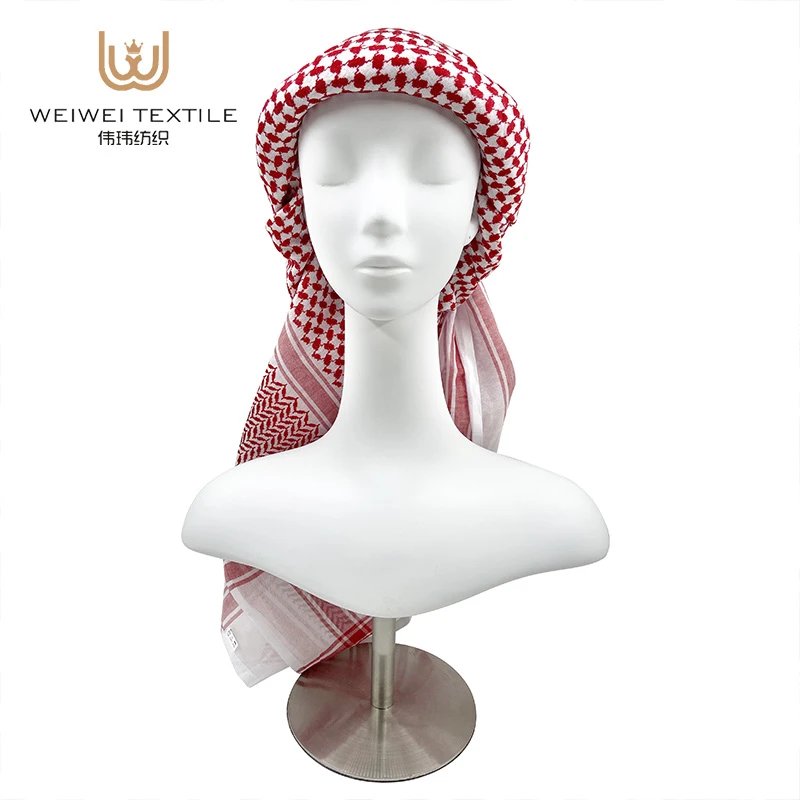
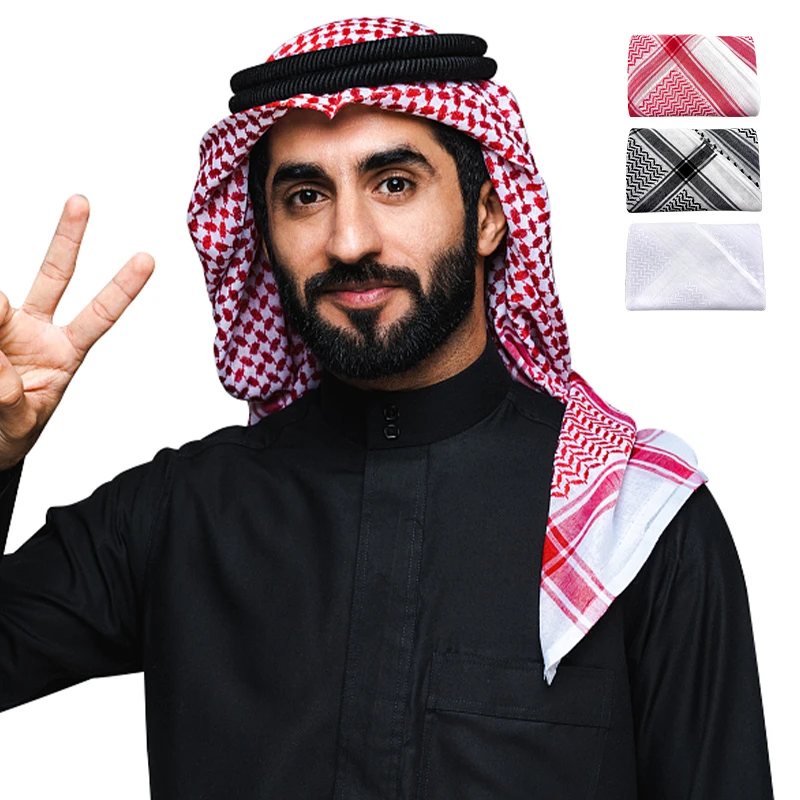
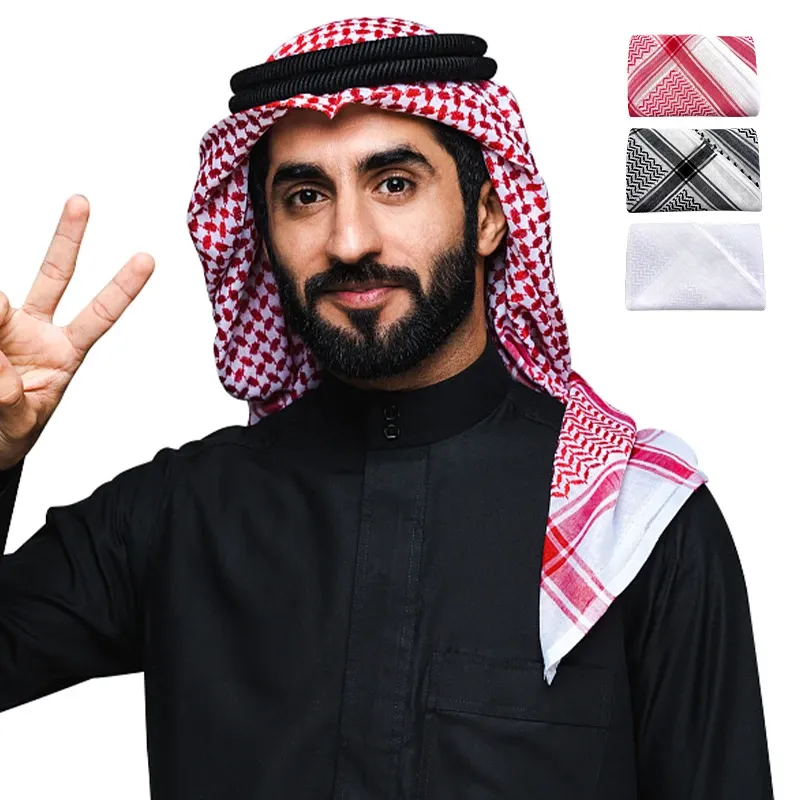
In Saudi Arabia, the saudi shemagh is an iconic element of men’s traditional attire. Often featuring red and white checkered patterns, it is worn in combination with a white thobe or dishdasha. The saudi shemagh is not only a cultural symbol but also a practical accessory for desert climates, shielding the wearer from sandstorms and intense sunlight. Its styling may vary, with different folds, drapes, and methods of tying reflecting regional and personal preferences.
The arabic shemagh encompasses a wider range of styles across the Middle East. It includes variations in color, pattern, and fabric density, tailored to both everyday wear and ceremonial occasions. Many shemagh for men are crafted to balance functionality with aesthetics, making them suitable for both casual outdoor use and formal traditional events. For example, yemen shemagh is known for its fine weave and delicate patterns, offering a softer and more breathable option compared to heavier regional variations.
Cultural Significance and Religious Aspects
Wearing a shemagh is deeply embedded in cultural and religious practices in Muslim countries. While it primarily serves as protection against harsh environmental conditions, it also signifies modesty, tradition, and identity. Men often wear the yemeni shemagh, saudi shemagh, or arabic shemagh in daily life, religious gatherings, and social events, reflecting adherence to cultural norms and respect for tradition.
The yemeni shemagh and other regional variations are often passed down through generations, symbolizing heritage and familial ties. For men in Yemen and other parts of the Arabian Peninsula, the yemeni shemagh men is not just functional attire but a mark of cultural identity and pride. Similarly, the saudi shemagh carries a strong national and regional significance, distinguishing wearers by style, pattern, and method of folding.
Religious considerations also influence how the shemagh for men is worn. In some contexts, covering the head is an expression of modesty and adherence to Islamic customs. Although not a religious requirement, head coverings like the yemen shemagh and saudi shemagh are widely respected and commonly adopted in daily life, particularly during prayer, mosque visits, and formal events. This integration of culture, religion, and practicality makes the shemagh a central accessory in men’s traditional attire.
Practical Uses and Styling Tips
Beyond its cultural and religious significance, the shemagh for men is valued for its practical benefits. In hot, arid regions, yemeni shemagh and saudi shemagh provide shade for the head and neck, protecting against sunburn and heat. In sandy or windy environments, it acts as a barrier, preventing dust and debris from entering the eyes and mouth. The versatility of these scarves makes them suitable for outdoor work, travel, and daily activities.
Styling a shemagh can vary depending on occasion and personal preference. The classic wrap involves folding the square scarf into a triangle and draping it over the head, securing it with an agal or knot. For casual wear, men often leave the ends loose, while for formal or religious occasions, the arabic shemagh can be neatly folded and tucked for a more polished look. The yemen shemagh men is often softer and lighter, allowing for more intricate wraps and folds.
Color and pattern also play an important role. Traditional saudi shemagh features red and white checks, while the yemeni shemagh may include black, white, or muted patterns. These variations not only enhance aesthetics but also help distinguish regions, families, or social status. Men may choose a particular style based on climate, event, or cultural preference, ensuring the scarf serves both functional and symbolic purposes.
Shemagh for men, including yemeni shemagh men, saudi shemagh, and arabic shemagh, is a vital part of traditional and religious attire in Muslim countries. Beyond its practical uses—protecting against sun, dust, and wind—it carries deep cultural and religious significance, symbolizing modesty, heritage, and identity. Styles like the yemeni shemagh and yemen shemagh offer lightweight comfort, while the saudi shemagh reflects regional pride and tradition.
By choosing the right shemagh, men can maintain both comfort and cultural integrity in daily life, formal occasions, and religious practices. The versatility, practicality, and elegance of these scarves make them an essential accessory in the wardrobe of Muslim men, blending tradition with everyday functionality.
-
Xinji Weiwei Textile Factory to Exhibit at the 139th Canton Fair
NewsApr.15,2026
-
Abaya Robe: Tradition, Elegance, and Daily Cultural Expression
NewsApr.15,2026
-
Satin Scarves and Hijabs: A Reflection of Tradition, Elegance, and Daily Practice
NewsApr.15,2026
-
Chiffon Scarf Hijab: A Blend of Tradition, Style, and Everyday Practice
NewsApr.15,2026
-
Exploring Hijab Fashion in Malaysia: Tradition, Style, and Daily Cultural Practice
NewsApr.15,2026
-
The Cultural Significance and Style of Voile Scarves and Shawls in Daily Muslim Wear
NewsApr.15,2026