Dec . 02, 2025 07:20 Back to list
Red Keffiyeh: Cultural Icon and Practical Textile for Global Use
Understanding the Red Keffiyeh: More Than Just a Symbol
The red keffiyeh is a striking, visually iconic piece of clothing that is recognized worldwide, but it’s far more than just a fashion statement. Rooted deeply in history and culture, it also plays significant roles in modern humanitarian and industry contexts. Lately, as global awareness of cultural identity grows, so does interest in understanding what makes the red keffiyeh unique—both materially and symbolically.
Why does this matter globally? Well, for starters, the red keffiyeh is often linked to regional identity, political movements, and practical uses in the harsh climates of the Middle East and beyond. As supply chains and industries look for ethically sourced, durable textiles, understanding the red keffiyeh’s fabric, production, and application sheds light on broader issues of sustainability, cultural heritage, and global trade.
Mini takeaway: The red keffiyeh is not just about tradition—its influence extends into modern industry, trade, and humanitarian efforts worldwide.
Red Keffiyeh in the Global Context
From dusty marketplaces of Jordan to urban centers in Europe, the red keffiyeh carries an unmistakable symbolism that transcends borders. According to the Food and Agriculture Organization (FAO), textile production in Middle Eastern countries contributes notably to local economies but also faces challenges such as resource limitations and geopolitical tensions. The red keffiyeh embodies these exchanges, reflecting both cultural pride and economic realities.
On a humanitarian front, organizations use keffiyehs—particularly red ones—as practical gear for aid workers in arid environments. Their breathable cotton fabric, combined with traditional weaving patterns, provides sun protection and dust shielding. Oddly enough, such an ancient textile continues to meet modern needs for utility and identity.
Mini takeaway: The red keffiyeh bridges cultural identity and pragmatic global applications, especially in industries tied to textiles and humanitarian aid.
What Exactly Is a Red Keffiyeh?
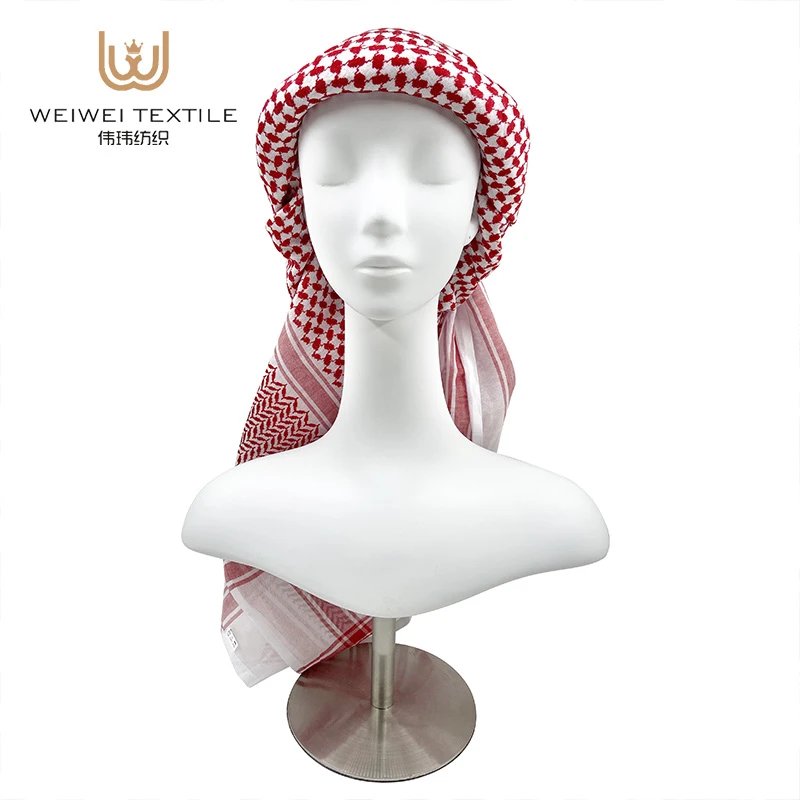
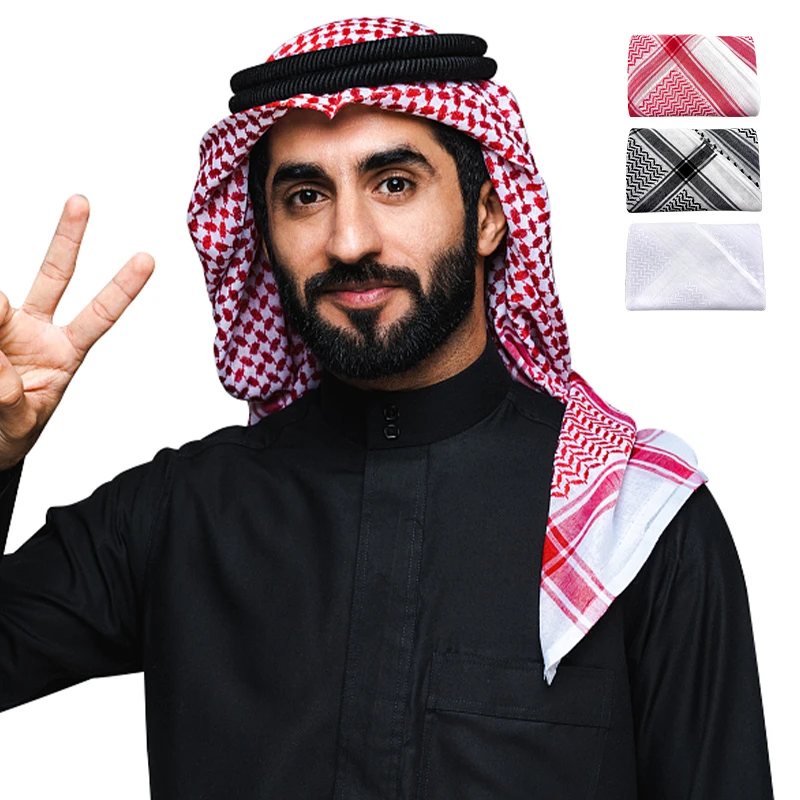
Simply put, a red keffiyeh is a traditional Middle Eastern scarf characterized by its distinctive red and white block patterns, usually made of cotton or cotton blends. Historically, it served as protection against sun exposure and sandstorms. Today, beyond being an emblem of regional heritage, it’s a textile product with controlled manufacturing standards increasingly relevant for fair trade and sustainable fashion.
In industry terms, it’s a woven textile defined by specific thread counts, yarn quality, and dye processes. Many manufacturers now adhere to ISO standards for textile production to ensure consistency and environmental safety—a big shift from purely artisanal roots.
Mini takeaway: The red keffiyeh blends traditional weaving with modern textile standards, making it relevant for both cultural and industrial landscapes.
Key Characteristics of the Red Keffiyeh
1. Durability
Despite its light, airy feel, the red keffiyeh is surprisingly resilient. Made primarily with cotton that often features tight weave structures, it resists tearing and maintains shape under stress—perfect for rugged outdoor use.
2. Breathability
This is crucial for anyone wearing it in hot climates. The cotton fibers allow air circulation, reducing sweat accumulation—something engineers in the field appreciate.
3. Cultural Significance
The red pattern frequently denotes Bedouin tradition or political affiliation in various regions. Manufacturers and sellers often label patterns and colors carefully—it’s not just fabric; it’s identity.
4. Cost Efficiency
In markets ranging from street vendors to international wholesalers, red keffiyehs offer a balance between affordability and quality. Mass production has lowered costs while maintaining cultural authenticity.
5. Sustainability
More suppliers are adopting eco-friendly dyes and organic cotton, aligning with the global push toward greener textiles—a trend that’s only expected to grow.
| Feature | Specification | Remarks |
|---|---|---|
| Material | 100% Cotton or Cotton Blend | Breathable & durable |
| Weave Density | 140-170 GSM (grams per square meter) | Light yet strong |
| Size | Approx. 47" x 47" (120 cm x 120 cm) | Standard sizing for versatility |
| Color Fastness | ISO 105-B02 (Wash & Light fastness) | Ensures long-lasting colors |
Where and How Is the Red Keffiyeh Used Globally?
Practically speaking, the red keffiyeh finds itself in numerous scenarios:
- Post-disaster relief: NGOs supply red keffiyehs as lightweight, protective gear for aid workers in sandy or sun-drenched regions.
- Industrial zones: Workers in construction or oil fields often use them to guard against dust and sun exposure.
- Cultural events: Many Middle Eastern diasporas adopt the red keffiyeh during festivals, symbolizing regional pride.
- Fashion and identity: Designers incorporate its traditional patterns into contemporary apparel, blending heritage with modernity.
For instance, in Jordan and Palestine, local tailors produce keffiyehs using both traditional methods and mechanized looms, supplying markets ranging from street corners to export hubs. This dual role increases employment while preserving culture.
Mini takeaway: The red keffiyeh is simultaneously a cultural artifact, functional garment, and economic driver across multiple regions and sectors.
Advantages and The Long-Term Value of Red Keffiyehs
Frankly, it’s not just about the look, but the feel and purpose. Here’s why the red keffiyeh continues to command loyalty:
- Cost-effective protection: It shields wearers from sun, dust, and wind without fancy gear or batteries.
- Emotional resonance: Wearing one often instills a sense of belonging and dignity—especially important in regions rife with hardship.
- Sustainability: Growing production of organic variants means declining environmental footprints over time.
- Reliable quality: Standardized production ensures a consistent product that users and industries can trust.
In real terms, this blend of benefits makes it a survivor amid shifting fashion and industrial trends.
Future Trends & Innovations in Red Keffiyeh Production
Looking forward, several exciting shifts are happening:
- Eco-friendly materials: Innovative dyes and organic cotton cultivation methods reduce water and chemical use.
- Digital textile printing: New techniques allow for faster, environmentally friendly production while keeping intricate traditional patterns.
- Smart textiles: Though still emerging, there’s potential for integrating UV-protective or antibacterial treatments into the fabric.
- Policy backing: Increased trade agreements supporting fair labor in producing countries promises more ethical supply chains.
Many industry experts suggest that red keffiyeh's role will only grow, balancing heritage and innovation.
Overcoming Challenges in Red Keffiyeh Production and Distribution
The obvious hurdles? Supply chain disruption, variability in craftsmanship, and sometimes political sensitivities around its symbolism. To cope, manufacturers are moving toward certified sourcing, technologically enhanced quality control, and partnering with NGOs to ensure respectful use.
You know, it’s a delicate balance between mass manufacturing and preserving artisanal authenticity—not easy, but doable.
| Vendor | Pricing (per unit) | Origin | Certifications | Sustainability |
|---|---|---|---|---|
| DesertWeave Co. | $5.50 | Jordan | ISO 9001, Fair Trade | Organic Cotton |
| Heritage Threads | $6.25 | Palestine | GOTS Certified | Natural Dyes |
| GlobalScarf Ltd. | $4.80 | Turkey | ISO 14001 | Recycled Fibers Blend |
Frequently Asked Questions About the Red Keffiyeh
- What makes the red keffiyeh more than just a fashion accessory?
- Its cultural symbolism combined with practical features—like sun protection and breathable fabric—makes it both meaningful and functional, especially in harsh environments.
- How long does a typical red keffiyeh last in daily use?
- With proper care, a high-quality red keffiyeh can last several years, resisting wear from sun, dust, and washing, depending on material and weave density.
- Are red keffiyehs sustainably produced?
- Increasingly yes. Many producers now use organic cotton and eco-friendly dyes certified by organizations like GOTS (Global Organic Textile Standard).
- How can a retailer source authentic red keffiyehs?
- Working with certified vendors that provide transparency on origin, material quality, and fair labor practices is the best approach. See comparison above.
- Can the red keffiyeh be customized for corporate or humanitarian branding?
- Absolutely—many manufacturers offer custom weaving and printing services to incorporate logos or specific patterns, which is popular among NGOs and companies alike.
Conclusion and Call to Action
In sum, the red keffiyeh is an enduring textile icon that marries tradition with modern demands. It offers not just practicality and identity but also a pathway toward sustainable and ethical production. For anyone interested in cultural heritage, industrial textiles, or humanitarian gear, it’s a product worth knowing about and respecting.
If you want to learn more or source authentic red keffiyehs responsibly, I suggest visiting our website. It’s a reliable gateway to quality, heritage, and innovation all wrapped into one iconic scarf.
Just a little reflection: It’s fascinating how an item so humble can intertwine stories of culture, economy, and innovation. I suppose that’s the beauty of things that endure.
-
Xinji Weiwei Textile Factory to Exhibit at the 139th Canton Fair
NewsApr.15,2026
-
Abaya Robe: Tradition, Elegance, and Daily Cultural Expression
NewsApr.15,2026
-
Satin Scarves and Hijabs: A Reflection of Tradition, Elegance, and Daily Practice
NewsApr.15,2026
-
Chiffon Scarf Hijab: A Blend of Tradition, Style, and Everyday Practice
NewsApr.15,2026
-
Exploring Hijab Fashion in Malaysia: Tradition, Style, and Daily Cultural Practice
NewsApr.15,2026
-
The Cultural Significance and Style of Voile Scarves and Shawls in Daily Muslim Wear
NewsApr.15,2026