Dec . 02, 2025 06:45 Back to list
Comprehensive Guide to Red Head Scarves: Cultural Significance, Uses, and Innovations
Understanding the Red Head Scarf: A Global Perspective
The red head scarf isn’t just a simple piece of fabric—its significance stretches across cultures, industries, and humanitarian efforts worldwide. Whether worn for fashion, religious practice, or as a practical garment, the red head scarf holds a unique position, reflecting identity and tradition while offering undeniable utility. This discussion will unravel why understanding the red head scarf matters globally and how its applications continue to evolve in the modern world.
Introduction: The Global Relevance of the Red Head Scarf
Around 2 billion people worldwide wear some form of head covering daily, which underlines the cultural and practical value of these garments (Wikipedia). The red head scarf, in particular, symbolizes various traditions, from political revolutions to cultural identity. Besides stylistic significance, it plays a pivotal role in occupational safety, religious expression, and even humanitarian relief efforts. For instance, relief agencies often include scarves in aid packages because of their multifunctional nature—used as sun protection, filters, or modesty wear.
Despite this widespread usage, challenges persist—misunderstanding, underappreciation of its cultural roots, and access issues in regions where resources are strained. With global movements pushing for cultural inclusivity and sustainability, the red head scarf offers an interesting case study bridging tradition and contemporary needs.
What Exactly Is a Red Head Scarf?
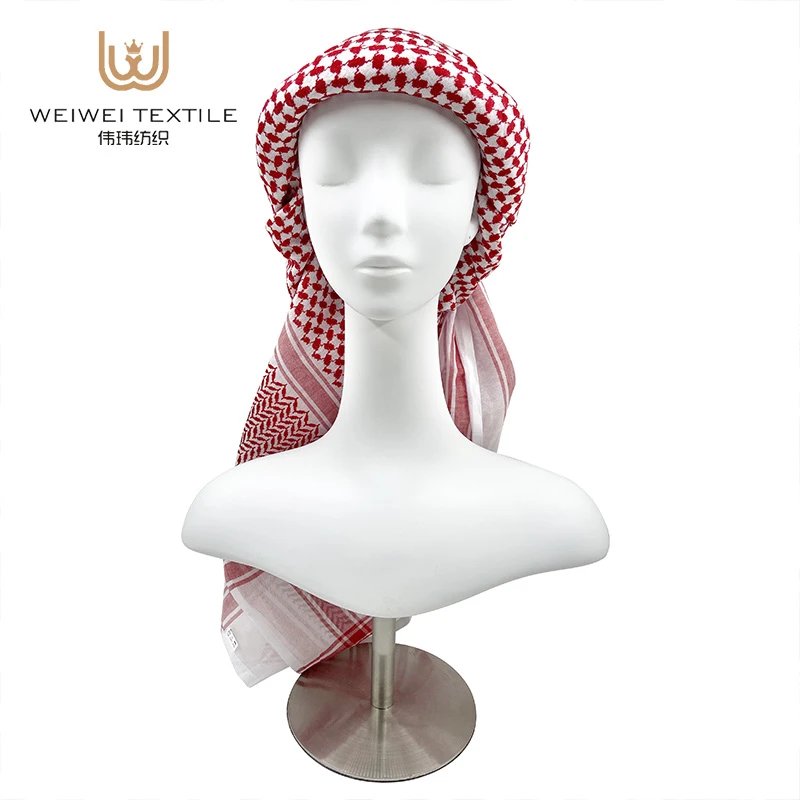
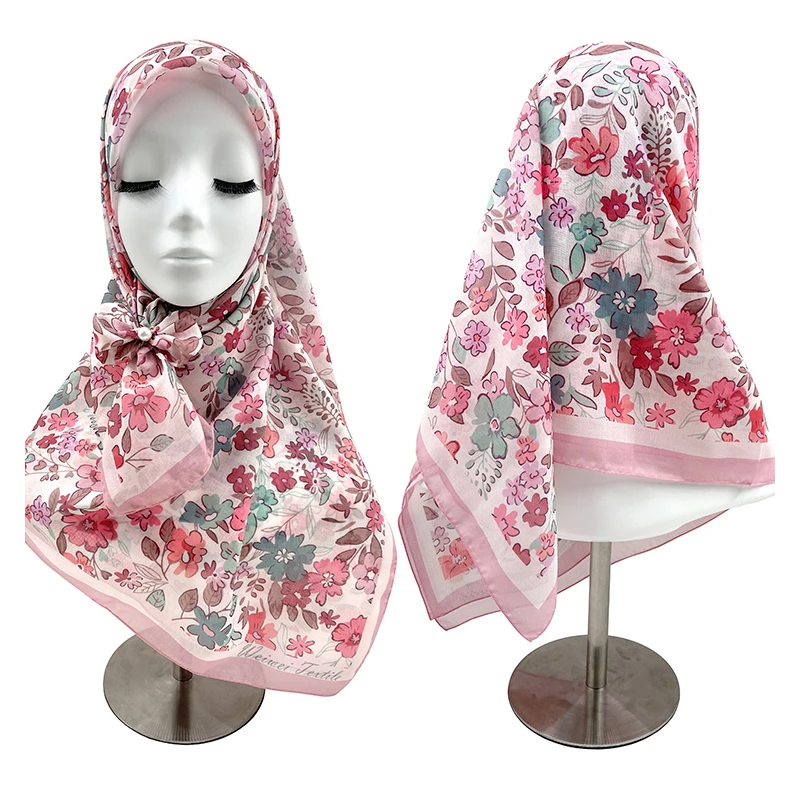
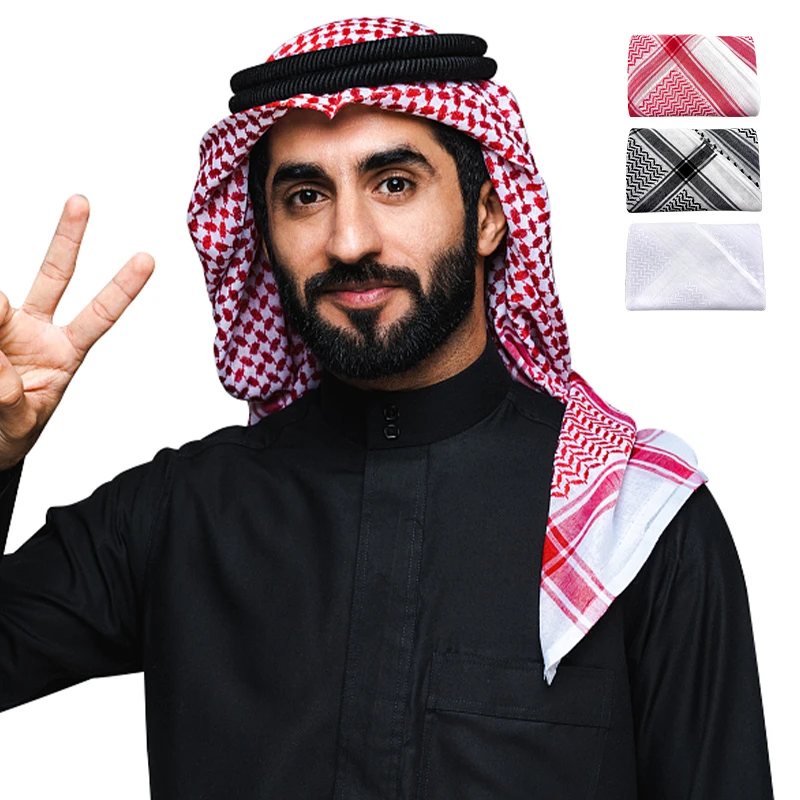
Simply put, a red head scarf is a versatile square or rectangular piece of fabric, typically made from cotton, silk, or polyester blends, dyed in shades of red. It can be tied or draped over the head or around the neck. Historically, red head scarves have denoted affiliation, from farmers in Eastern Europe to activists worldwide. In industry and humanitarian sectors, the scarf’s material and construction adapt to meet safety, climate, and cultural requirements.
Modern manufacturing techniques ensure some scarves are flame retardant, UV protective, or durable enough to survive rigorous use—linking this humble garment to modern industrial and relief applications.
Key Features of the Red Head Scarf
Durability
A red head scarf must withstand daily wear and environmental factors—UV exposure, sweat, and dust. The durability largely depends on the choice of fabric and stitching techniques. Cotton blends, for example, strike a balance between breathability and longevity, making them favorites for outdoor workers.
Comfort & Breathability
Since scarves often cover sensitive areas like the head and neck, comfort is paramount. Using natural fibers or specially woven synthetics improves airflow and prevents overheating—particularly important in hot climates or strenuous settings.
Colorfastness
The vibrant red dye needs to resist fading from sun exposure and repeated washing. Manufacturers use specialized dyes that adhere well to fabric fibers to maintain the scarf’s bold appearance over time.
Cultural & Symbolic Appropriateness
Not to be overlooked, the red head scarf carries deep meanings in many communities. Whether symbolizing revolution, marital status, or religious faith, it’s essential that the scarf design respects and honors those values.
Safety Features
In specific industries, red head scarves may be integrated with reflective threads or treated for flame resistance. This makes them suitable for sectors like construction or emergency relief operations where visibility and protection are critical.
Red Head Scarf Applications Around the World
The applications are surprisingly broad. For example:
- Humanitarian Relief: In disaster zones of South Asia or the Middle East, aid workers distribute red head scarves to protect from dust storms or sun exposure during outdoor activities.
- Industrial Workwear: In factories or mining operations, red scarves can denote team membership or offer safety benefits when integrated with high-visibility elements.
- Religious & Cultural Events: From rural communities in Africa to urban centers in Europe, the red head scarf remains a powerful marker of identity.
- Fashion Industry: Designers often revive traditional scarves into trendy accessories, fostering cultural appreciation and sustainability.
Oddly enough, these scarves also pop up in remote industrial zones where local workers appreciate them as affordable, multipurpose gear.
Advantages & Long-term Value
Beyond aesthetics, red head scarves offer cost-effective protection against environmental factors. They support cultural identity, which fosters dignity and social cohesion, especially pertinent in refugee or migrant communities. Logically, their lightweight nature makes them easy to store and transport, reducing logistical costs in public health or relief campaigns.
Emotionally, the red head scarf can inspire trust—like a community emblem or a reassuring token in times of crisis. Their continued relevance in a digital age, where fast fashion often discards tradition, speaks to their intrinsic social value.
Looking Ahead: Future Trends & Innovations
Material science is transforming scarves with eco-friendly fibers, like bamboo or recycled polyester, aimed at sustainability. Nanotech enhancements for antimicrobial or UV-blocking features are emerging, addressing both health and environmental concerns. Red head scarf producers are also exploring digital customization so consumers can personalize scarves while preserving cultural motifs.
Moreover, as global supply chains emphasize transparency, certifications ensuring ethical sourcing of materials bolster consumer trust.
Common Challenges and How They're Addressed
One persistent challenge is balancing tradition with modern demand—too often, mass-produced scarves lose cultural authenticity. Manufacturers and NGOs work with local artisans to preserve craftsmanship. Another issue is accessibility—some regions lack affordable, quality scarf options. Innovative social enterprises supply low-cost, high-quality scarves while reinvesting in community development.
Colorfastness under harsh conditions remains tricky but advances in dye chemistry are improving longevity.
Red Head Scarf Product Specifications
| Feature | Specification | Benefit |
|---|---|---|
| Material | 100% Cotton / Polyester Blend | Comfort & durability |
| Dimensions | 70cm x 70cm / 90cm x 90cm | Versatility in tying styles |
| Colorfastness | ISO 105-B02 Standard | Long-lasting vibrant color |
| Safety | Optional reflective trim and flame resistance | Enhanced worker safety |
Vendor Comparison: Red Head Scarf Suppliers
| Vendor | Material Options | Pricing (per unit) | Ethical Certification | Customization |
|---|---|---|---|---|
| ScarfCo | Cotton, Silk | $5.50 - $7.00 | Fair Trade Certified | Logo print available |
| EcoWraps | Recycled Polyester | $4.00 - $6.50 | GOTS Organic Certified | Custom patterns |
| Heritage Threads | Cotton Blend | $6.00 - $8.00 | No certification | Limited custom colors |
Frequently Asked Questions About Red Head Scarves
Q1: What makes red head scarves popular in humanitarian aid?
Red head scarves are multifunctional—they offer sun protection, modesty, easy transport, and cultural acceptance. Their bright color helps visibility during relief efforts. Plus, lightweight, durable textiles make them practical for harsh conditions.
Q2: How do I care for my red head scarf to preserve color and texture?
Hand washing with cold water and mild detergents is best. Avoid bleach and intense sunlight drying to prevent fading. Iron on low heat if necessary, and store away from direct sunlight.
Q3: Are red head scarves suitable for industrial safety gear?
Yes, many industrial scarves include flame-retardant treatments or reflective elements, enhancing worker safety while maintaining cultural respect and comfort.
Q4: Can I customize scarves for my organization’s branding?
Absolutely. Many vendors offer options to print logos or create unique patterns that align with your brand or cultural identity.
Conclusion
The red head scarf, far from a mere accessory, carries layers of meaning, utility, and cultural weight. Its presence in fashion, industry, and humanitarian contexts underscores a unique blend of tradition and innovation. Investing in quality, ethically sourced scarves fosters social dignity, safety, and environmental responsibility—important values for today and tomorrow. Interested in discovering more about the red head scarf? Visit our website: https://www.wwscarf.com.
Oddly enough, a simple red piece of cloth manages to say so much about the world we live in – tradition, safety, hope.
References
-
Xinji Weiwei Textile Factory to Exhibit at the 139th Canton Fair
NewsApr.15,2026
-
Abaya Robe: Tradition, Elegance, and Daily Cultural Expression
NewsApr.15,2026
-
Satin Scarves and Hijabs: A Reflection of Tradition, Elegance, and Daily Practice
NewsApr.15,2026
-
Chiffon Scarf Hijab: A Blend of Tradition, Style, and Everyday Practice
NewsApr.15,2026
-
Exploring Hijab Fashion in Malaysia: Tradition, Style, and Daily Cultural Practice
NewsApr.15,2026
-
The Cultural Significance and Style of Voile Scarves and Shawls in Daily Muslim Wear
NewsApr.15,2026