Sep . 24, 2026 15:11 Back to list
How to Choose Satin and Silk Scarves for Everyday Muslim Head Covering
For many Muslim women, wearing a headscarf is an important part of everyday life and can be connected with religious practice, cultural tradition, modesty, and personal preference. A scarf is not only a practical piece of clothing but can also complement different outfits through its color, fabric, size, and styling method.
Among the many fabrics available for headscarves, satin and silk are valued for their smooth texture, elegant appearance, and flowing drape. These materials can create a polished look while allowing women to arrange a scarf according to their preferred level of coverage and wrapping style. Square scarves, longer shawls, and headscarves can all provide different styling possibilities.
For manufacturers and suppliers serving Muslim consumers, understanding the characteristics of satin and silk products is important. Women may select different scarves for work, daily activities, family gatherings, religious occasions, celebrations, or formal events. Product dimensions, fabric construction, color, softness, and ease of styling can therefore all influence purchasing decisions.

Why Are Satin and Silk Scarves Suitable for Everyday Head Covering?
The texture of a scarf can have a significant influence on the wearing experience. A scarf worn for several hours should ideally feel comfortable and allow the wearer to arrange it without unnecessary difficulty. Satin and silk fabrics are known for their smooth surfaces, which can provide a soft and elegant feel.
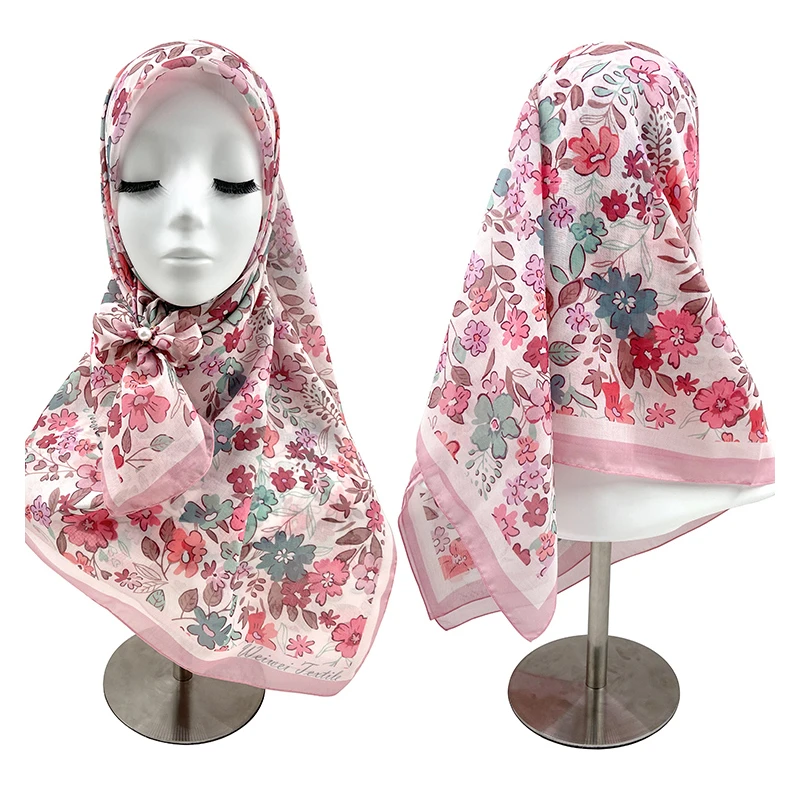
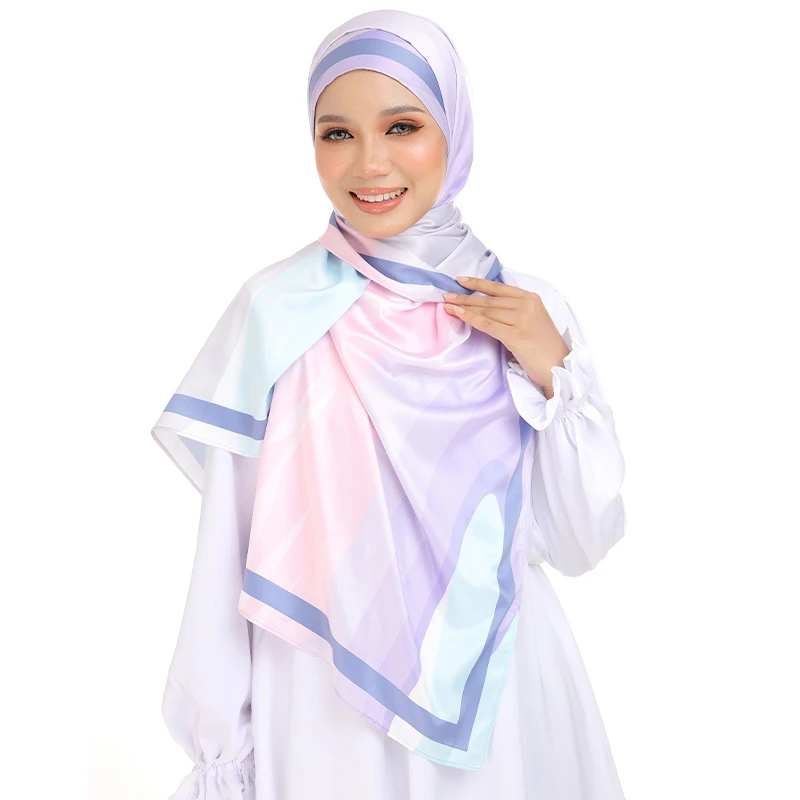
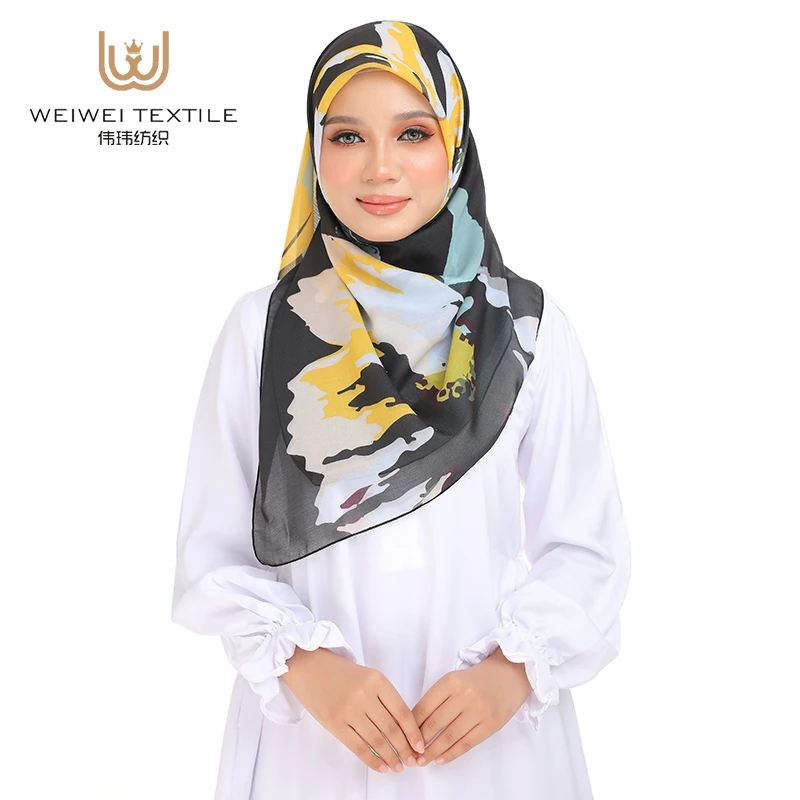
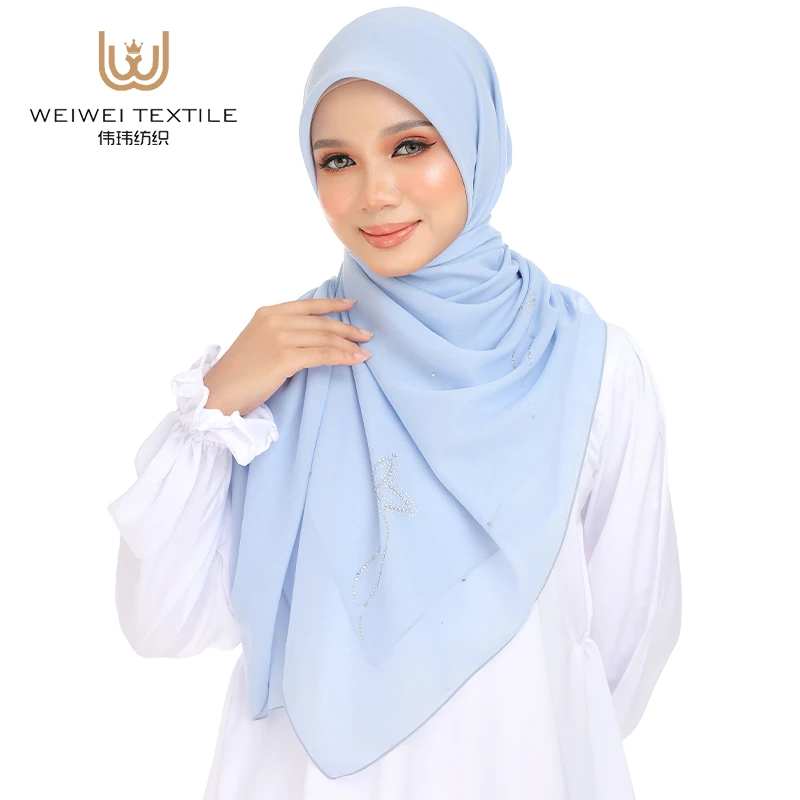
A satin silk square scarf is a versatile option because its square shape allows it to be folded and arranged in several ways. A square scarf can be folded diagonally, placed over the head, and secured according to the wearer's preferred style. The remaining fabric can then be arranged around the neck and shoulders.
This format is particularly useful for women who appreciate flexibility. The same scarf can be styled differently depending on the outfit and occasion. A simple arrangement may be appropriate for everyday activities, while a more carefully layered style can be used for formal gatherings.
Another consideration is hair care. Some women use smooth scarves as part of their hair-care routine. A silk satin scarf for hair can be worn around the hair to reduce direct friction between the hair and rougher materials. Depending on the individual's hair type and routine, a smooth covering may help maintain a neat appearance.
A silk satin scarf black hair can also be selected by women with dark or black hair who want a smooth scarf that complements their appearance. However, the choice of color and fabric ultimately depends on individual preference rather than hair color alone.
For Muslim women, the scarf may serve multiple purposes. It can provide head coverage as part of personal religious or cultural practice while also allowing the wearer to choose fabrics that feel comfortable and coordinate with everyday clothing.
Fabric weight is another factor to consider. Lightweight materials can be useful for daily wear, particularly in warm environments. However, the ideal weight depends on the construction of the scarf and the amount of coverage the wearer prefers.
How Can Different Silk and Satin Scarf Styles Be Used?
Different scarf shapes provide different possibilities for Muslim women. A square scarf is often easy to fold and arrange, while a longer scarf or shawl can provide more fabric for draping.
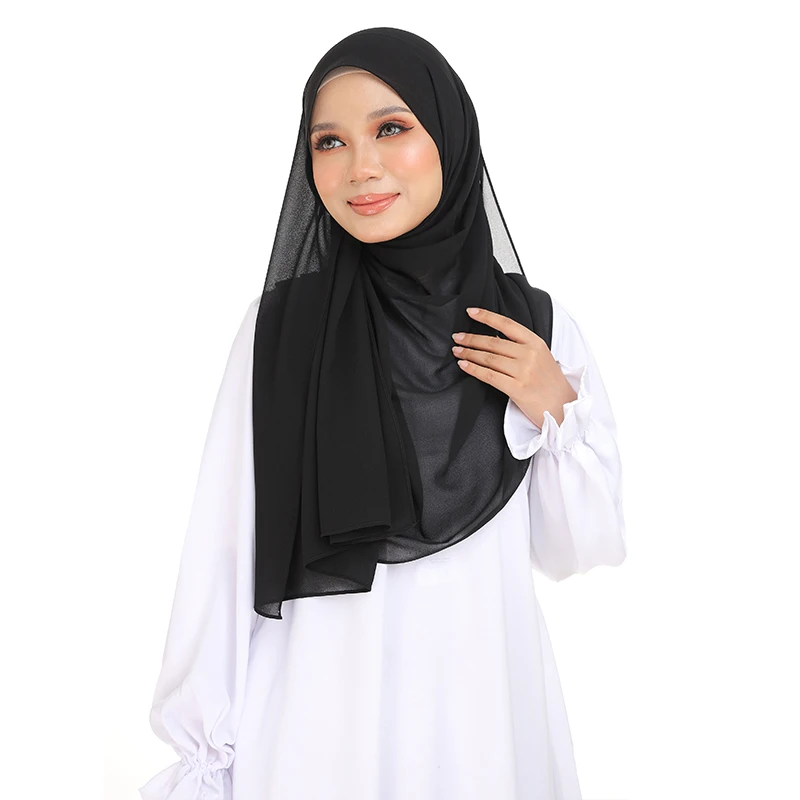
A silk head scarf can be styled in a variety of ways depending on its dimensions. It can be wrapped around the head and neck or arranged with additional fabric over the shoulders. For women who prefer a clean and structured appearance, the scarf can be carefully folded before being secured. For a softer appearance, the fabric can be allowed to fall naturally around the shoulders.
The choice of wrapping method is highly personal. Some women prefer to keep the scarf close to the face, while others like additional layers and longer drapes. Pins, magnets, clips, or other suitable accessories can be used to secure a scarf according to personal preference and the specific fabric.
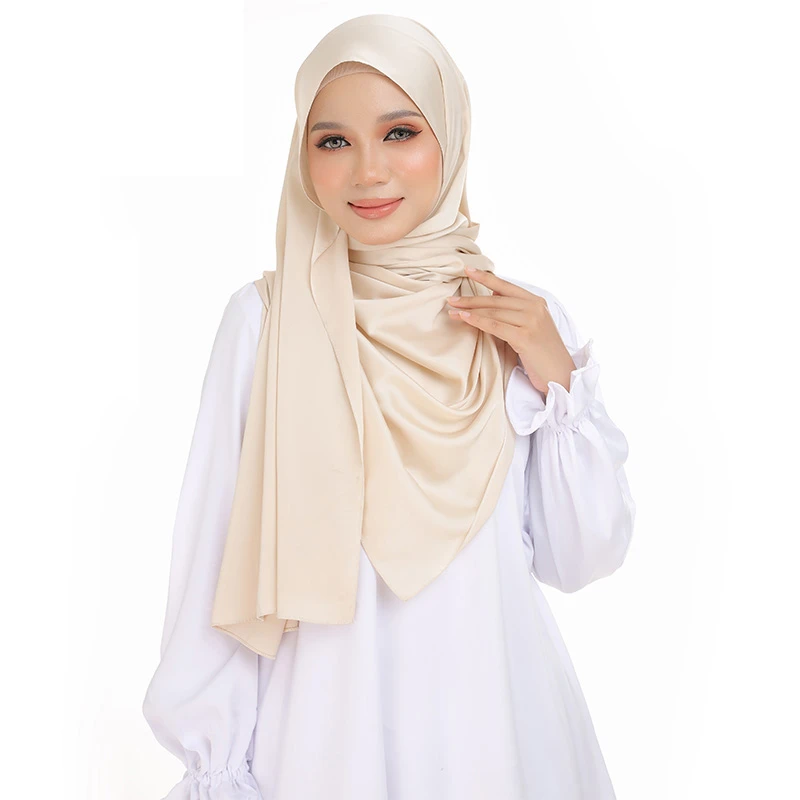
A silk satin shawl provides additional length and can be particularly suitable for women who prefer a flowing style. The longer shape allows the fabric to extend over the shoulders and can create a graceful silhouette. A shawl can also be used as an additional layer over an outfit during formal occasions.
Color is another important part of scarf selection. Neutral shades such as black, beige, cream, gray, and brown can easily coordinate with everyday clothing. More distinctive colors can be used to create contrast or complement a specific outfit.
For example, a royal blue satin scarf can provide a rich and noticeable color while maintaining the smooth appearance associated with satin. Royal blue can be paired with neutral clothing or coordinated with other blue accessories. It may be suitable for everyday wear as well as dinners, family gatherings, celebrations, and other occasions.
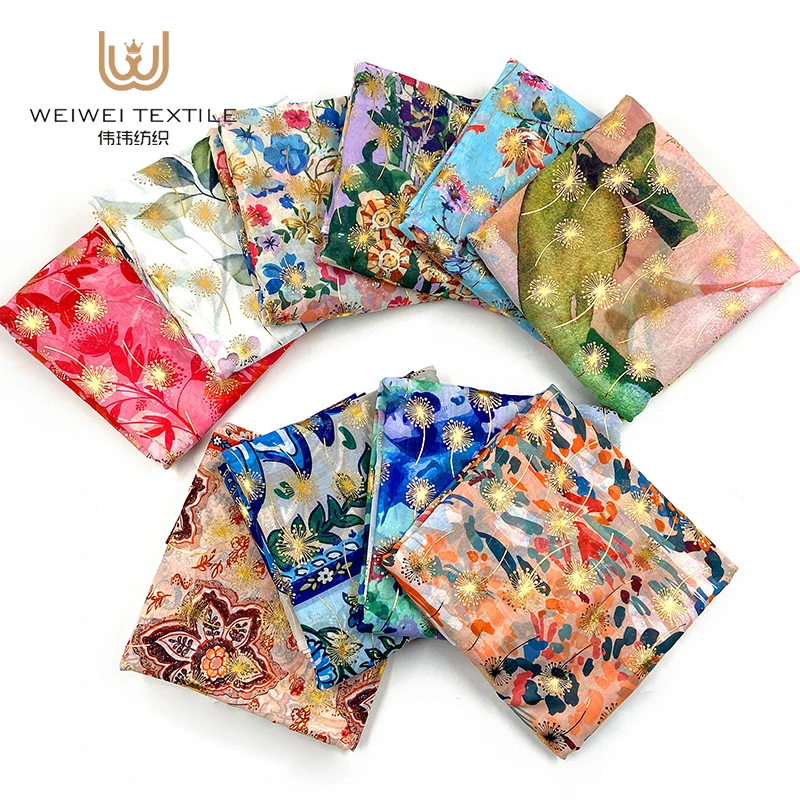
Pattern and finishing details can also change the overall appearance of a scarf. Some consumers prefer plain colors because they are easier to coordinate with different outfits, while others may prefer prints, borders, embroidery, or decorative details.
For manufacturers, providing different color options can therefore help address a broader range of consumer preferences. A collection might include basic neutral colors for everyday use together with brighter shades for special occasions.
What Should You Consider When Choosing a Satin or Silk Muslim Scarf?
When choosing a scarf for daily Muslim head covering, consumers should consider the fabric, size, color, construction, and intended use. There is no universal scarf that is suitable for every wearer, so product selection should be based on individual needs and preferences.
First, consider the shape. A square scarf can be practical for traditional folding and wrapping methods, while a rectangular scarf or shawl can offer greater flexibility for longer draping. The appropriate size depends on the desired coverage and styling method.
The fabric's surface is also important. Satin and silk are generally associated with smooth textures and a subtle sheen. Consumers who prioritize a soft feel may appreciate these characteristics. At the same time, very smooth fabrics may move differently from textured materials, so users may choose securing methods that work well with their preferred wrapping style.
For daily wear, breathability and comfort are important considerations. Muslim women may wear a headscarf throughout the working day, while commuting, shopping, studying, or participating in social activities. A scarf should therefore be comfortable enough for extended use.
Hair care can be another consideration. A silk satin scarf for hair can be incorporated into a personal nighttime or hair-protection routine, depending on the user's needs. Some women may use a separate scarf for hair care and another for outdoor head covering, while others may choose a versatile product that serves multiple purposes.
Color selection should also reflect the user's wardrobe. A royal blue satin scarf can provide a bold accent, while a classic neutral color may be easier to combine with multiple outfits. A satin silk square scarf in several colors can give consumers more styling possibilities without changing the basic design.
Care instructions should not be overlooked. Silk and satin products may have specific washing, drying, and storage requirements depending on their fiber composition. Consumers should follow the manufacturer's instructions to help preserve the fabric's appearance and performance.
For businesses supplying Muslim clothing and accessories, clear product information is particularly useful. Product descriptions should accurately explain the material, dimensions, color, construction, and recommended uses. Images can demonstrate how the scarf looks when folded or worn, while care instructions can help customers maintain the product.
Ultimately, wearing a hijab or other form of head covering is a personal choice and can have religious, cultural, and individual significance. Muslim women have diverse preferences regarding coverage, styling, fabric, and color. Therefore, scarf products should provide options rather than suggesting that one style is appropriate for everyone.
Satin and silk scarves can offer a combination of smooth texture, elegant appearance, and styling flexibility. From a silk head scarf for everyday head covering to a silk satin shawl for longer draping, different designs can meet different needs. A satin silk square scarf provides flexible folding options, while a royal blue satin scarf can introduce a distinctive color to a modest outfit.
By selecting suitable dimensions, comfortable materials, practical designs, and colors that complement individual wardrobes, Muslim women can incorporate satin and silk scarves naturally into their daily clothing and special-occasion styles while maintaining their personal traditions and preferences.
-
Weiwei Textile Factory's 25th Anniversary!🔥
NewsAug.05,2027
-
Xinji Weiwei Textile Factory to Exhibit at the 139th Canton Fair
NewsApr.15,2026
-
How to Choose Satin and Silk Scarves for Muslim Women's Everyday Wear
NewsSep.24,2026
-
A Guide to Abaya Muslim Clothing and Modest Everyday Dressing
NewsSep.24,2026
-
How to Choose the Right Chiffon Hijab for Everyday and Special Occasions
NewsSep.24,2026