Sep . 24, 2026 15:13 Back to list
A Guide to Abaya Muslim Clothing and Modest Everyday Dressing
Modest clothing has an important place in the daily lives of many Muslim women. Depending on personal beliefs, local customs, family traditions, and individual preferences, Muslim women may choose different forms of modest clothing for everyday activities, religious occasions, work, family gatherings, and special events. Among these garments, the abaya is widely recognized as a long, loose-fitting outer garment that can be worn with different types of headscarves and modest clothing.
The abaya has developed into many different styles over time. Traditional designs are often simple and flowing, while contemporary versions may include different fabrics, colors, cuts, embroidery, cuffs, and decorative details. Despite these variations, comfort, coverage, and ease of movement remain important considerations for many wearers.
For businesses producing Muslim clothing, understanding the different applications of abayas can help create products that meet diverse customer needs. Some consumers may be looking for an everyday abaya, while others may want a dedicated garment for prayer or a more elegant style for formal occasions.

What Is an Abaya and Why Is It Popular Among Muslim Women?
An abaya is generally a loose, full-length garment designed to provide modest coverage. It is commonly worn over other clothing and can be paired with a hijab, scarf, or other head covering. The exact way an abaya is worn can vary according to local culture, personal preference, and occasion.
The term abaya muslim is commonly used to describe abayas associated with Muslim women's modest clothing. While the garment has strong cultural and religious associations in many communities, individual approaches to wearing an abaya can differ considerably.
One reason the abaya remains popular is its practical design. A loose silhouette allows the wearer to move comfortably while providing coverage over the body. Depending on the fabric and construction, an abaya can be suitable for everyday activities such as shopping, commuting, visiting family, attending social events, or participating in religious activities.
An abaya dress muslim style can combine the flowing structure of an abaya with a dress-like appearance. These designs may be made from lightweight materials for everyday use or from more refined fabrics for formal occasions. The choice of material can affect the garment's drape, comfort, breathability, and overall appearance.
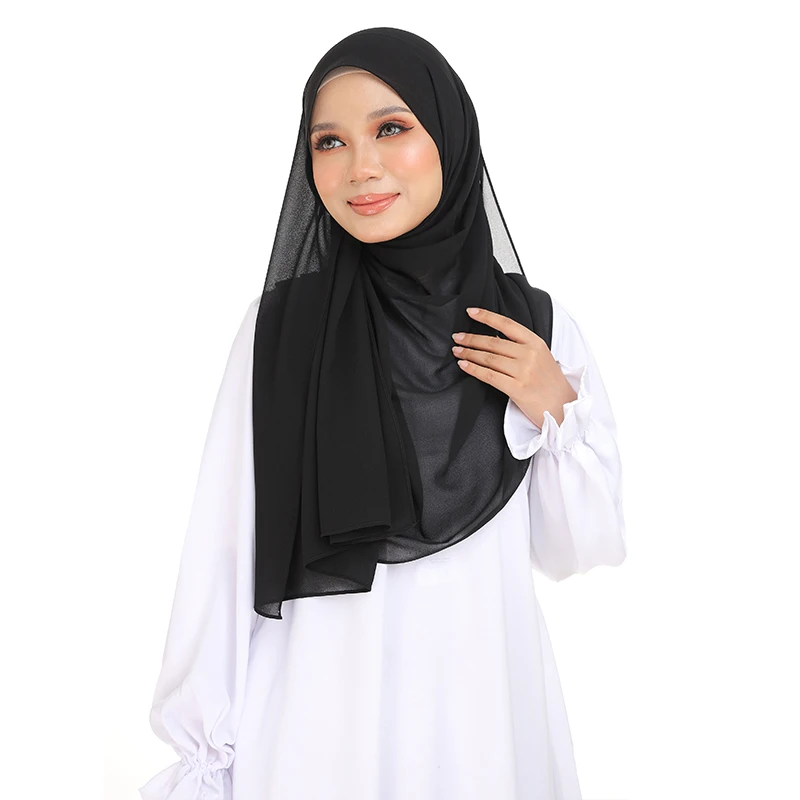
Color is another important part of abaya design. Black is traditionally associated with many classic abaya styles, although modern collections can include a broad range of colors. An abaya muslim dress black design can provide a timeless and versatile appearance. Black can be paired easily with different hijab colors, shoes, handbags, and accessories.
For everyday wear, consumers may prefer simple black abayas without extensive decoration. Such designs can be practical because they can be coordinated with many different outfits and accessories. Other consumers may prefer embroidery, contrasting trims, textured fabrics, or decorative sleeves to create a more distinctive appearance.
The abaya can also be adapted to different climates. Lightweight and breathable fabrics may be more comfortable in warm environments, while thicker materials can be suitable for cooler seasons. For manufacturers and suppliers, offering several fabric choices can help address different regional requirements.
How Are Abaya Hijab Dresses and Prayer Abayas Used?
An abaya can be worn with a variety of head coverings. The combination of a long, loose garment and a hijab creates a coordinated modest outfit that can be adapted for everyday activities and religious occasions.
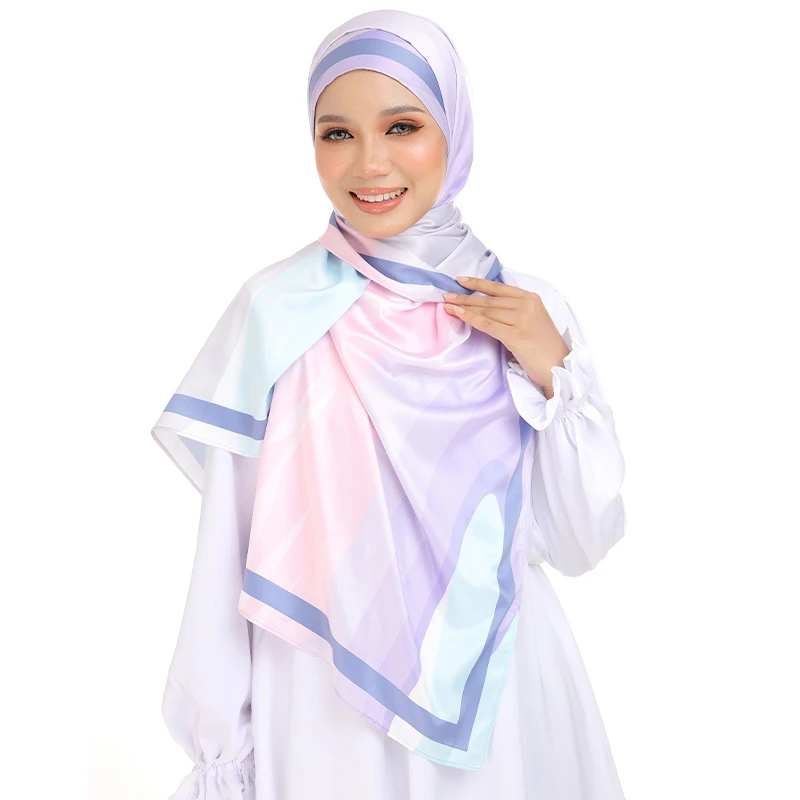
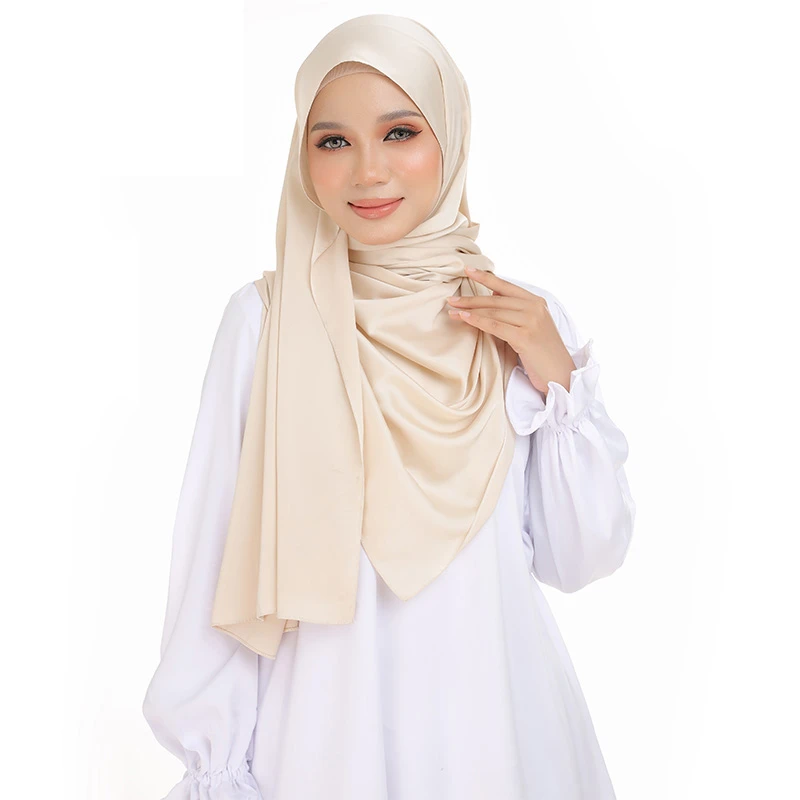
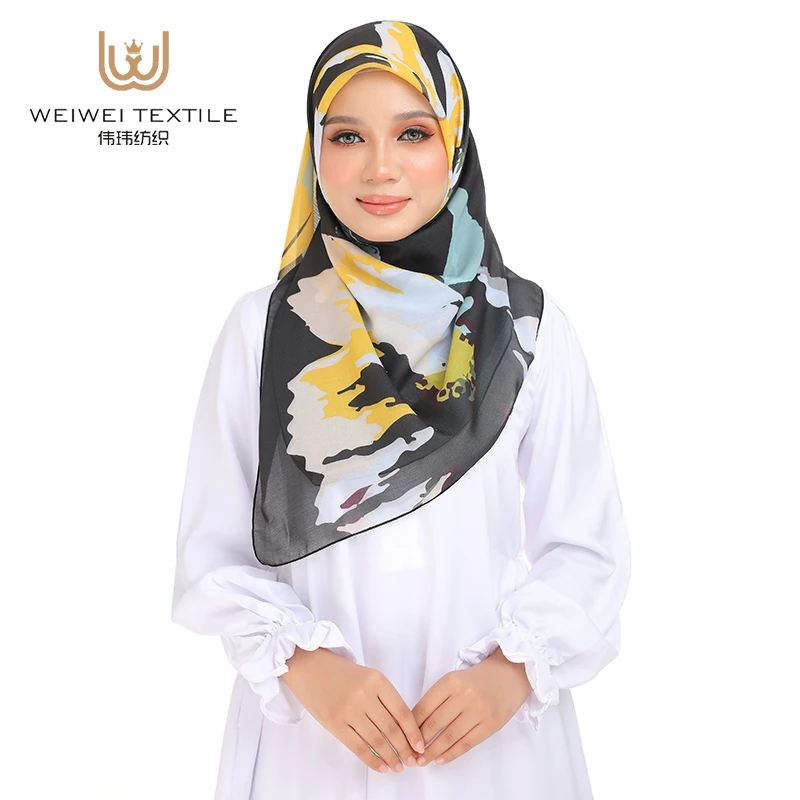
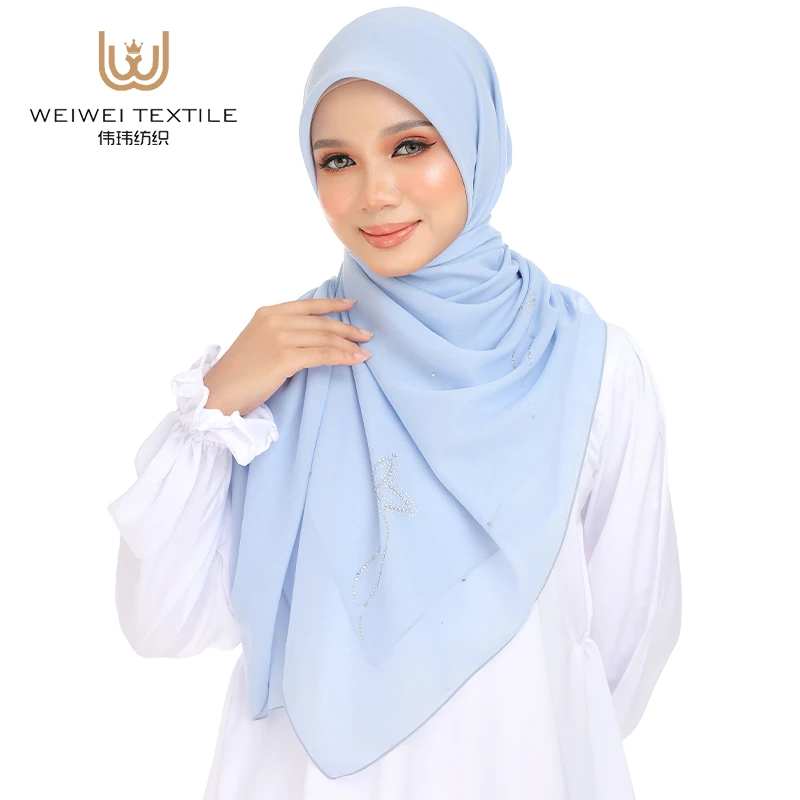
An abaya hijab dress is designed to combine an abaya-style garment with the overall appearance of a coordinated hijab outfit. Depending on the product, the hijab may be included as a matching piece or selected separately. Coordinated colors can create a simple and unified appearance, while contrasting colors can add visual interest.
For many women, ease of styling is an important consideration. An abaya that can be put on quickly and paired with a simple hijab may be particularly convenient for busy daily routines. Adjustable cuffs, front openings, loose sleeves, pockets, and lightweight fabrics can further improve practicality.
Religious activities may require different clothing considerations. An abaya prayer dress is generally designed with modest coverage and comfortable construction in mind. A prayer abaya may be loose enough to allow natural movement during prayer and may be designed to make covering the body more convenient.
The design of prayer clothing can vary depending on the wearer and cultural environment. Some women may use a dedicated prayer abaya that is stored separately and put on specifically for prayer, while others may wear an everyday abaya that is also suitable for religious activities.
A well-designed prayer garment should prioritize comfort and ease of movement. Soft fabrics, appropriate length, and loose construction can help create a practical wearing experience. Some designs may also include an integrated head covering, reducing the need to arrange a separate hijab.
The broader category of abaya islamic dress includes styles designed around modest clothing principles and Muslim cultural preferences. These products can range from simple everyday garments to more formal designs.
When developing Islamic clothing collections, manufacturers should recognize that Muslim consumers have different preferences. Some may favor traditional silhouettes, while others prefer contemporary designs. Some may prioritize complete coverage, while others may focus on lightweight fabrics and everyday convenience.
Product sizing is also important. Because abayas are designed with a loose silhouette, accurate information about length, sleeve dimensions, chest measurements, and overall fit can help consumers select an appropriate garment.
How to Choose Abaya Muslim Clothing for Different Occasions?
Choosing the right abaya often depends on where and when it will be worn. An everyday garment may require different characteristics from a prayer garment or formal occasion abaya.
Abaya muslim clothing can include a broad range of products, from basic daily abayas to embellished formal styles. For everyday use, consumers may prioritize lightweight construction, easy maintenance, comfortable sleeves, practical pockets, and versatile colors.
A simple black abaya is particularly easy to coordinate with different accessories. An abaya muslim dress black can be worn with hijabs in neutral, pastel, or stronger colors depending on personal preference. The same basic garment can therefore create different appearances simply by changing the headscarf and accessories.
For warm climates, fabric selection is especially important. Breathable materials can help improve comfort during extended wear. Lightweight fabrics can also create a more natural drape and reduce the feeling of heaviness. For cooler climates, slightly heavier fabrics may provide additional warmth.
For prayer, women may look for a garment that provides comfortable coverage and does not restrict movement. An abaya prayer dress with a loose construction and suitable length can be convenient for this purpose. If the design includes a matching head covering, it may also simplify preparation for prayer.
For formal occasions, consumers may choose an abaya with decorative elements. Embroidery, lace, pleats, beadwork, textured materials, or subtle patterns can create a more elegant appearance while maintaining the overall modest silhouette.
An abaya islamic dress can therefore be designed in many different ways. Modern designs may use minimal decoration and clean lines, while traditional-inspired styles may feature more elaborate details. Neither approach is universally preferred; individual consumers can select according to their own tastes and cultural backgrounds.
For suppliers serving Muslim clothing markets, product descriptions should clearly explain the intended use of each garment. Information about fabric composition, size, length, color, closure method, sleeve design, pockets, and washing instructions can help customers make informed choices.
It is also useful to provide photographs showing the garment from different angles. Customers can better understand the silhouette, sleeve length, fabric drape, and overall coverage when product images are clear and detailed.
Ultimately, the abaya is more than a single clothing style. It represents a diverse category of modest garments that can be interpreted differently across communities and individuals. For many Muslim women, it can be part of everyday clothing, cultural tradition, or religious practice, while others may choose to wear it mainly for specific occasions.
From abaya muslim styles for everyday use to an abaya hijab dress for coordinated modest clothing, there are many options available. An abaya dress muslim design can offer a dress-like appearance, while an abaya prayer dress can provide convenient clothing for religious activities. Traditional and contemporary abaya islamic dress designs can accommodate different preferences, and versatile abaya muslim clothing collections can include garments for various occasions.
A well-designed abaya should ultimately provide the wearer with choices in comfort, coverage, appearance, and styling. By offering different fabrics, sizes, colors, and designs, manufacturers and suppliers can better serve the diverse needs of Muslim women while respecting the cultural and personal significance associated with modest clothing.
-
Weiwei Textile Factory's 25th Anniversary!🔥
NewsAug.05,2027
-
Xinji Weiwei Textile Factory to Exhibit at the 139th Canton Fair
NewsApr.15,2026
-
How to Choose Satin and Silk Scarves for Muslim Women's Everyday Wear
NewsSep.24,2026
-
How to Choose Satin and Silk Scarves for Everyday Muslim Head Covering
NewsSep.24,2026
-
How to Choose the Right Chiffon Hijab for Everyday and Special Occasions
NewsSep.24,2026