Nov . 20, 2025 11:30 Back to list
Elegant and Sustainable Ladies Fashion Scarves | Style Meets Function
Why Ladies Fashion Scarves Matter More Than Ever
Fashion scarves for women have long been admired as a simple accessory, but their influence stretches far beyond style alone. Globally, ladies fashion scarves function as cultural symbols, practical wearables, and even expressions of identity. From bustling metropolitan centers to remote villages, scarves adapt to the needs and aspirations of diverse communities. Understanding this accessory uncovers a tapestry of utility, tradition, and innovation.
In a fast-changing world where climate, technology, and cultural awareness intersect, scarves aren’t just about looking good—they’re critical in addressing everything from sun protection to heritage preservation. Let’s unravel the layers and see why this humble piece of fabric commands a special place in wardrobes worldwide.
Mini takeaway: Ladies fashion scarves are more than accessories; they merge culture, practicality, and evolving trends worldwide.
Global Scope: The Industry and Its Surprising Reach
According to UN textile reports, the fashion accessories segment, including scarves, represents a significant share of global apparel revenue—estimated to be tens of billions annually. Moreover, the ISO highlights sustainability certifications increasingly shaping fabric production, which directly impacts scarves’ environmental footprint.
Yet, challenges remain. Supply chain disruptions, volatile raw material prices (think silk or cotton), and fast fashion pressures pose threats to responsibly made scarves. The crux? How do brands cater to the ever-changing tastes of women worldwide while maintaining ethical sourcing and sustainability?
In some regions, scarves fulfill socio-religious or protective roles, highlighting their complex global narrative. The delicate balance between fashion, function, and culture remains at the heart of ongoing industry debates.
Mini takeaway: Ladies fashion scarves are a global commodity intertwined with cultural, economic, and environmental challenges.
What Exactly Are Ladies Fashion Scarves?
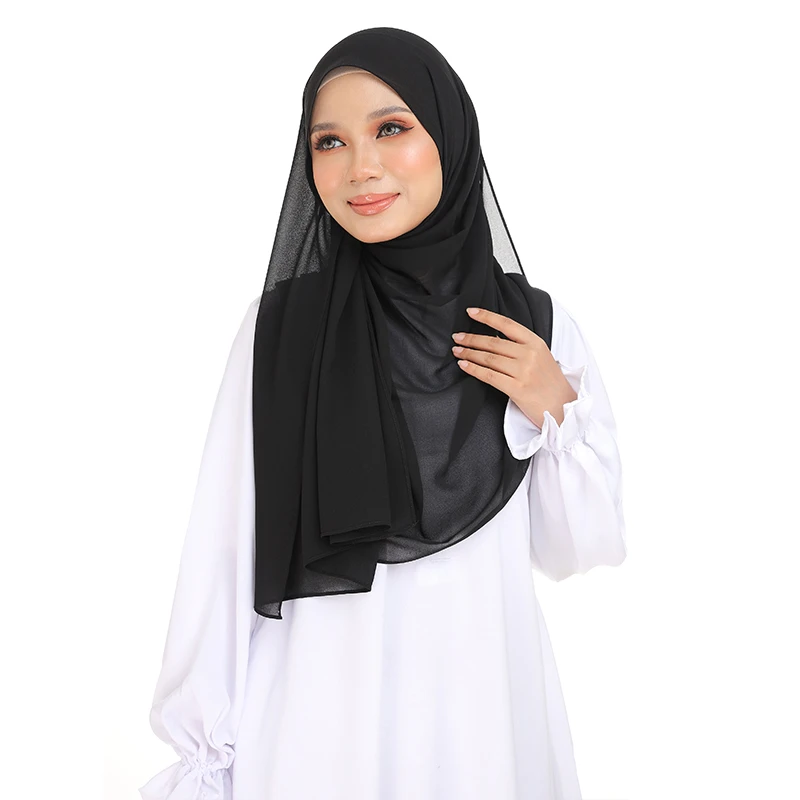
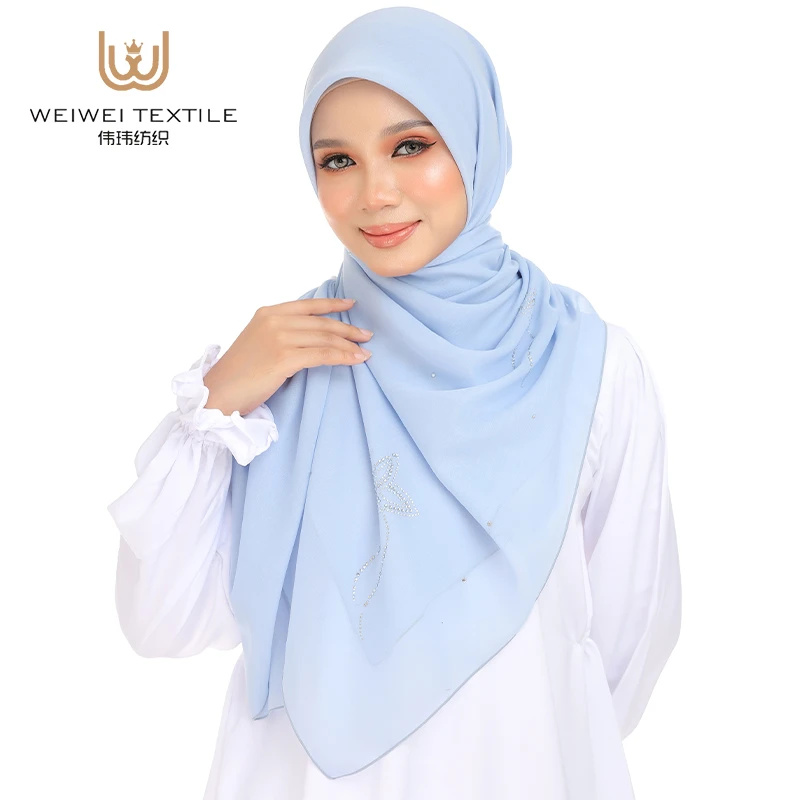
At its core, a ladies fashion scarf is a versatile piece of fabric, typically lightweight—like silk, cotton, wool, or synthetic blends—used to adorn the neck, head, or shoulders. They range from simple neck wraps to intricate designs that signify status or heritage. More than just decorative, scarves serve practical purposes such as warmth, sun protection, and even modesty in some cultures.
In the fashion industry, scarves are a key item, often marking seasonal trends or brand signatures. Meanwhile, humanitarian organizations sometimes distribute scarves or similar wraps as part of aid packages in vulnerable areas, emphasizing warmth and comfort.
Mini takeaway: Scarves blend beauty and function, spanning from high-fashion runways to fundamental everyday uses.
Key Aspects of Ladies Fashion Scarves
Material and Texture
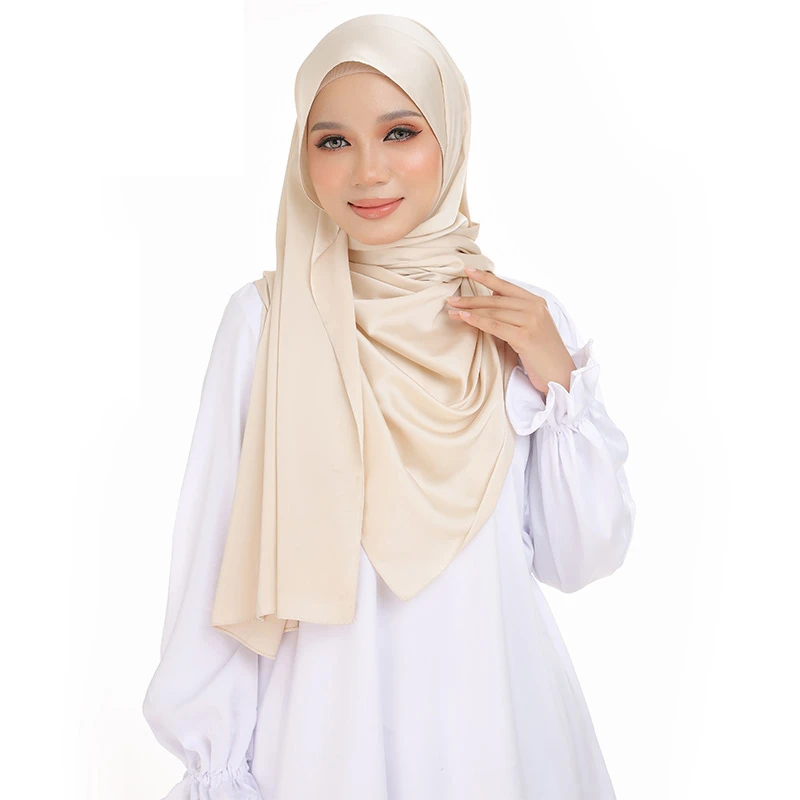
From opulent silk to breathable cotton, material choice drives user experience and price point. Smooth silk scarves often denote luxury, while versatile cotton blends fit casual wardrobes. And yes, I’ve noticed the rise of sustainable fibers plays a growing role here.
Design and Patterns
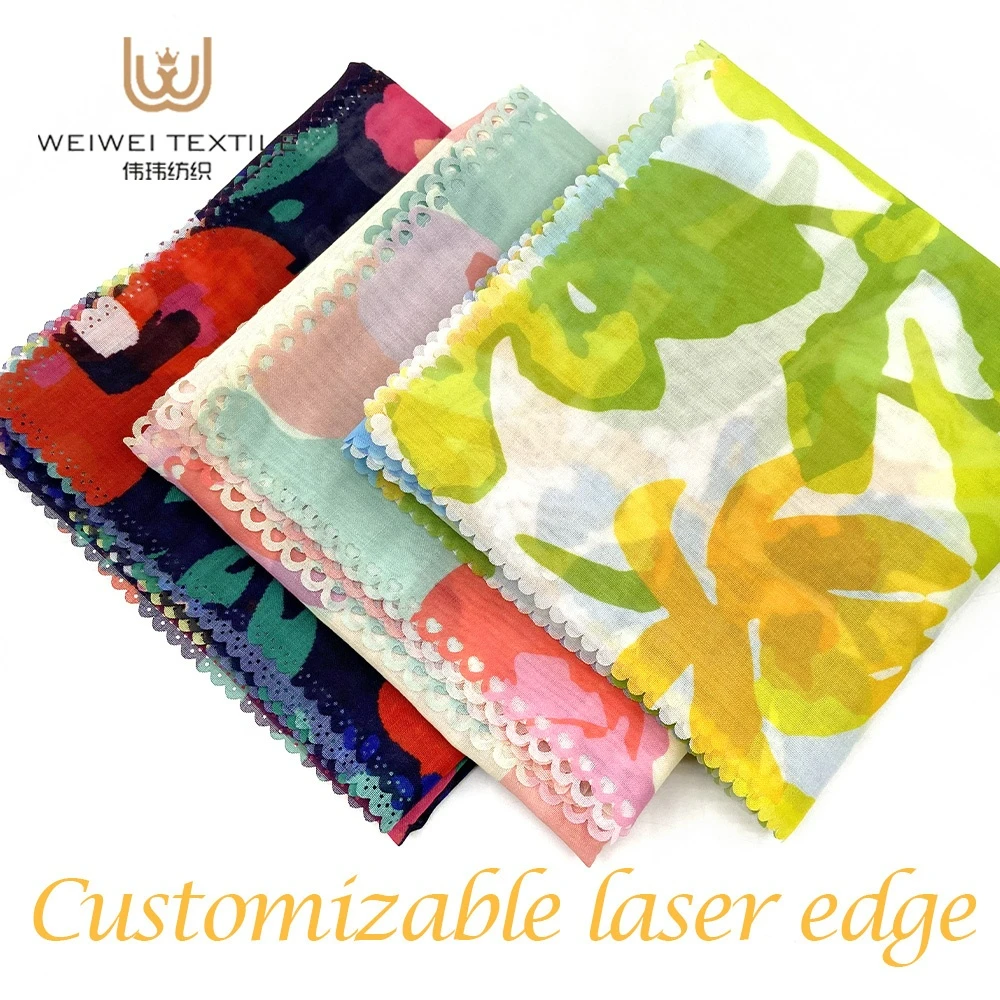
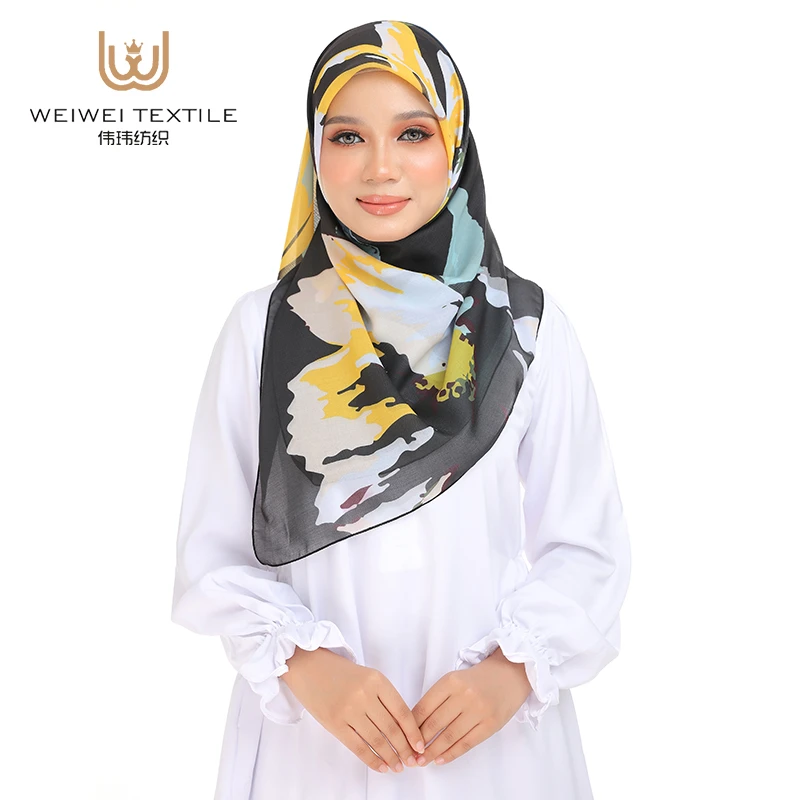
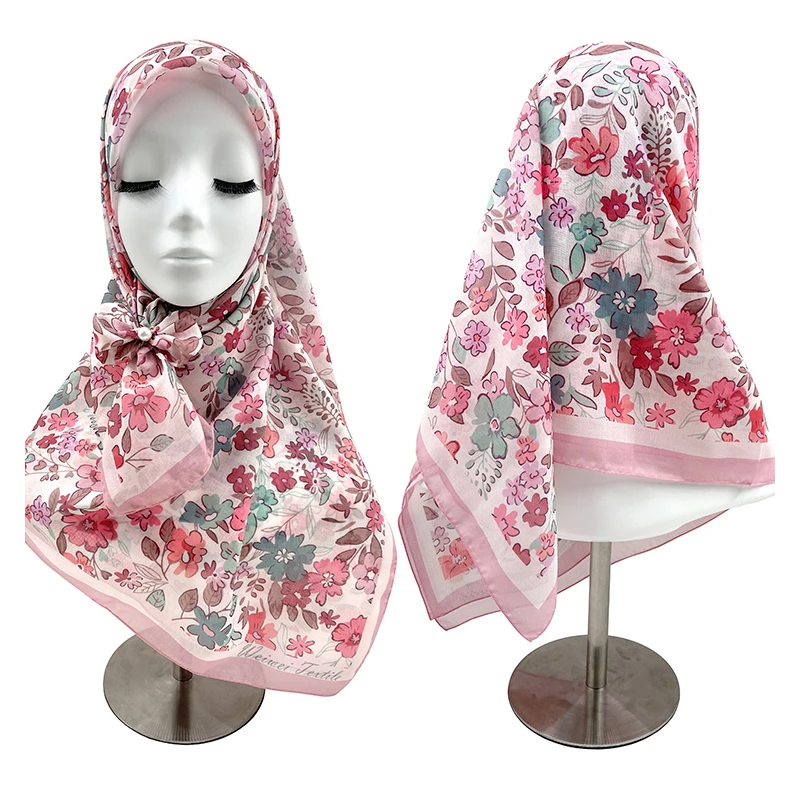
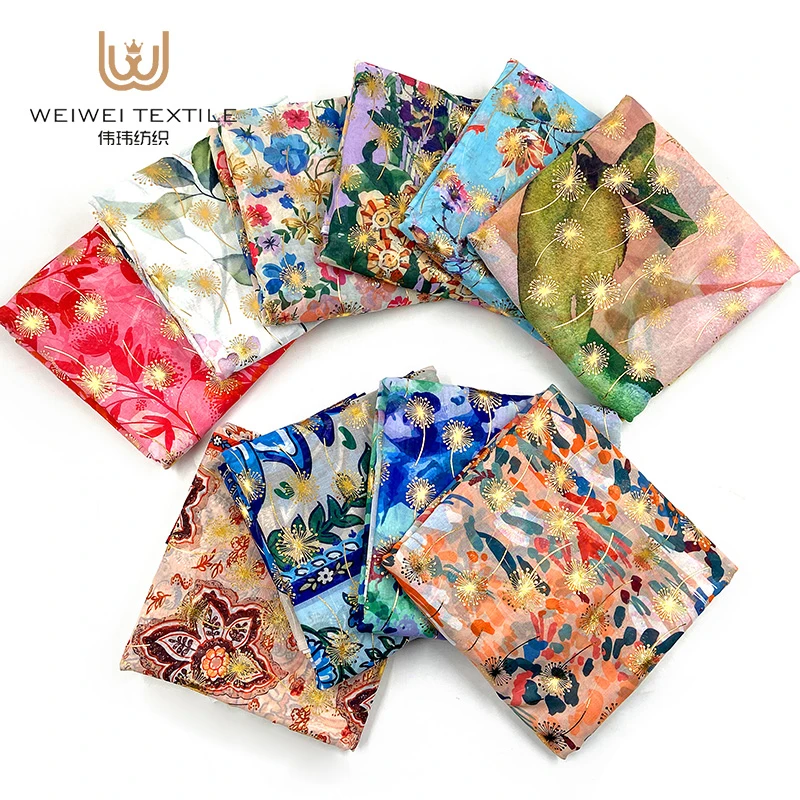
Prints, embroidery, and fabric treatments define aesthetic appeal. Floral, geometric, or abstract forms reflect both global inspirations and local traditions. Brands often collaborate with artists or cultural institutions to create limited editions.
Durability and Care
Since scarves are handled frequently, how they endure washing and wear is key. Some fabrics require delicate handwashing; others can take routine machine cycles. Durability ensures long-term ownership and reduces waste.
Size and Versatility
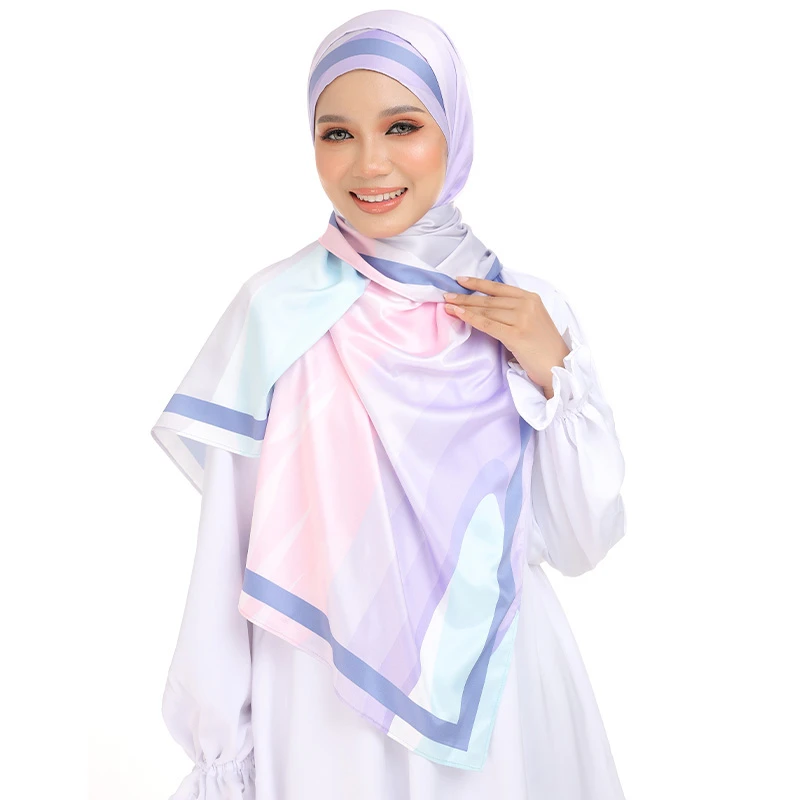
Scarves come in myriad shapes—from squares to rectangles, even triangles. Larger shawls double as wraps, while smaller pieces focus on neck accessories. Versatility enhances user options and satisfaction.
Ethical and Environmental Considerations
More shoppers demand transparency regarding sourcing and production methods. Eco-friendly dyes, organic fibers, and fair labor practices have become selling points rather than extras.
| Feature | Details |
|---|---|
| Material | 100% Mulberry Silk |
| Dimensions | 90 cm x 90 cm (Square) |
| Print Type | Hand-painted floral design |
| Care Instructions | Dry clean recommended |
| Price Range | $120 - $180 |
Mini takeaway: Knowing the features and quality factors helps you choose scarves with lasting value and style.
Worldwide Use Cases for Ladies Fashion Scarves
Interestingly, scarves enjoy extreme diversity in real-world contexts. In Mediterranean climates, light scarves protect skin from the sun without overheating. In colder northern Europe, wool or cashmere scarves mean warmth and coziness. Let’s not forget cultural celebrations: in South Asia, scarves (or dupattas) serve as essential traditional garb that also denote social identity.
Humanitarian aid workers often include scarves in relief kits due to their multipurpose benefits—warmth, modesty, or even as makeshift masks when necessary. In corporate gifting or luxury branding, scarves function as status symbols, often customized or signed.
Regions like West Africa have witnessed local artisans blending traditional patterns with modern fashion scarves, empowering local economies and preserving crafts. Oddly enough, the scarf industry threads together such disparate uses creating a surprisingly global mosaic of application.
Mini takeaway: Ladies fashion scarves are everywhere—from enhancing daily style to supporting cultural heritage and practical needs.
Advantages and Lasting Impact
- Cost effectiveness: Scarves can elevate an outfit affordably, offering high style return for modest investment.
- Environmental sustainability: When responsibly sourced, scarves can be eco-friendly, supporting slow fashion movements.
- Social storytelling: They tell cultural, personal, or political stories, enriching wearer identity.
- Versatility: Scarves work year-round and adapt to climates and occasions.
Beyond tangible benefits, scarves evoke comfort, safety, and personal connection. Many women say a favorite scarf can carry memories or provide confidence in uncertain moments. In a world hungry for meaning amidst mass production, scarves feel intimate.
Mini takeaway: Ladies fashion scarves combine value, sustainability, and emotional resonance in unique ways.
Emerging Trends in the World of Scarves
Looking ahead, the scarves industry is embracing innovation. Bioengineered fibers derived from fungi and algae are trending for eco-conscious collections. Smart textiles—imagine scarves woven with temperature regulation or built-in UV protection—are no longer sci-fi but plausible near-future realities.
Digitally native brands customize scarves via augmented reality, letting users experiment with styles virtually before purchase. Meanwhile, automated weaving technologies promise intricate patterns faster and with less waste.
These advances not only cut environmental costs but widen creative possibilities, making scarves more inclusive and adaptive than ever.
Mini takeaway: The intersection of tech, sustainability, and design is ushering a new scarf renaissance.
| Vendor | Product Range | Sustainability | Price Point | Customization Options |
|---|---|---|---|---|
| Silk Essence Co. | Luxury silk scarves, limited editions | Organic silk, eco dyes | $$$ | Yes, bespoke prints |
| Urban Weaves | Cotton blend scarves, casual wear | Fair-trade certified | $ | Limited customization |
| Ethnic Threads | Artisan handmade scarves | Hand-spun, natural fibers | $$ | Collaborative design |
Common Questions About Ladies Fashion Scarves
What types of materials are best for scarves in hot climates?
In warmer regions, lightweight, breathable fabrics like cotton, linen, or silk are preferred. They offer sun protection without trapping heat or moisture. Natural fibers also tend to be more comfortable for extended wear and reduce skin irritation.
How do I care for a delicate silk scarf?
Most silk scarves require gentle hand washing with mild detergent or professional dry cleaning. Avoid twisting or wringing. Hang dry in shade to prevent color fading. Proper care extends their lifespan and maintains softness.
Can scarves be used to express cultural identity?
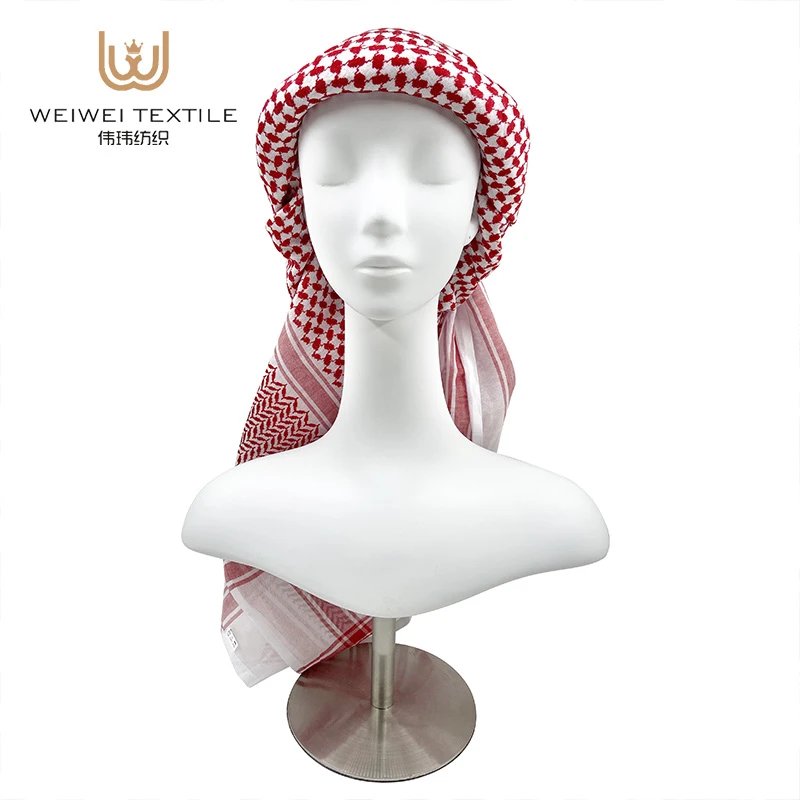
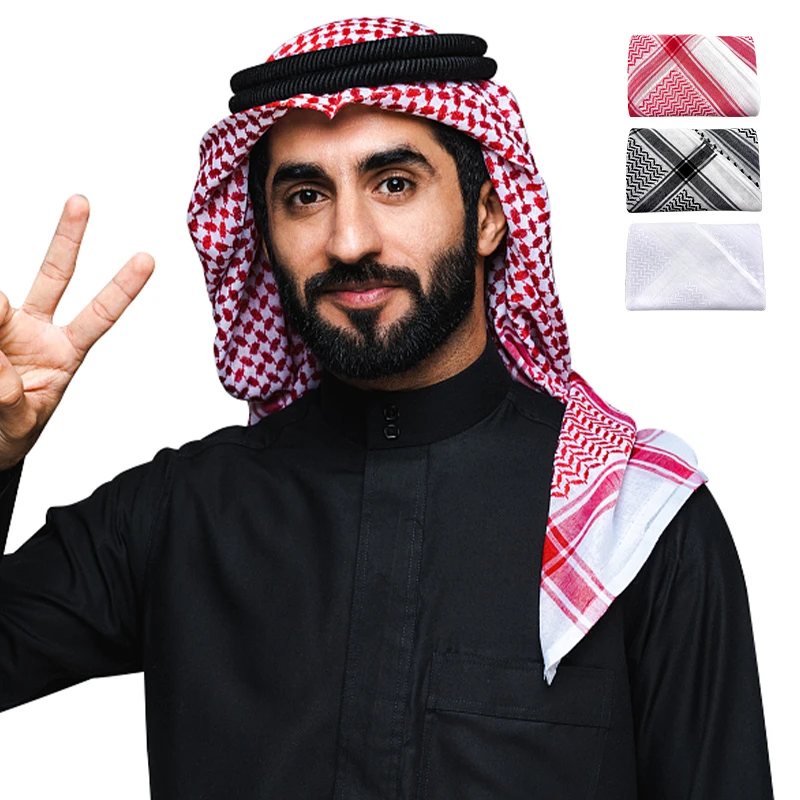
Absolutely. Many scarves feature traditional patterns, colors, or embroidery linked to specific regions or groups. Wearing or gifting such scarves honors heritage while keeping cultural arts alive.
Are sustainable scarves more expensive?
They can be, largely due to ethical sourcing and environmentally-friendly production. However, investing in quality sustainable scarves often means better durability and less frequent replacement, balancing cost over time.
Where can I find unique scarves online?
You might want to check ladies fashion scarves collections. They curate a diverse range blending fashion-forward and classic styles with a focus on craftsmanship.
Wrapping Up: Scarves as Timeless Statements
So, ladies fashion scarves are far more than a fleeting trend or a simple accessory. Their rich history, cultural significance, and evolving industry trends highlight just how complex and impactful this fabric square—or rectangle—can be. Whether you’re layering for warmth, adding flair, or honoring heritage, scarves provide a meaningful touch to everyday life.
Curious to explore your perfect scarf? Delve into the fascinating world of styles, materials, and stories by visiting ladies fashion scarves. Trust me—there’s always something new to discover tucked inside each fold.
References
- United Nations - Textile Industry Reports
- International Organization for Standardization (ISO) - Sustainability Standards
- Wikipedia - Scarf
-
Xinji Weiwei Textile Factory to Exhibit at the 139th Canton Fair
NewsApr.15,2026
-
Abaya Robe: Tradition, Elegance, and Daily Cultural Expression
NewsApr.15,2026
-
Satin Scarves and Hijabs: A Reflection of Tradition, Elegance, and Daily Practice
NewsApr.15,2026
-
Chiffon Scarf Hijab: A Blend of Tradition, Style, and Everyday Practice
NewsApr.15,2026
-
Exploring Hijab Fashion in Malaysia: Tradition, Style, and Daily Cultural Practice
NewsApr.15,2026
-
The Cultural Significance and Style of Voile Scarves and Shawls in Daily Muslim Wear
NewsApr.15,2026