Nov . 20, 2025 21:30 Back to list
Discover Versatile Ladies Scarves - Fashion Meets Function Worldwide
What Makes Ladies Scarves a Global Fashion and Functional Staple?
Ladies scarves have long transcended being mere fashion accessories. From a swathe of color on a chilly day to cultural symbols and even protective wear, their significance globally is hard to overlook. Whether for style, comfort, religious observance, or practical warmth, scarves bridge gaps between continents, cultures, and climates. Understanding ladies scarves offers insights into textile history, sustainable production, and even humanitarian aid—all wrapped up in fabric.
Why Ladies Scarves Matter in the Global Context
Scarves, particularly those designed for women, are ubiquitous in wardrobes across Asia, Europe, Africa, and the Americas. According to World Bank trade data, textile and apparel exports (in which scarves are a prominent subcategory) rank among the leading income generators for developing countries. For example, countries like India, Turkey, and Bangladesh depend heavily on scarf production, blending traditional textile crafts with modern manufacturing to meet global demand.
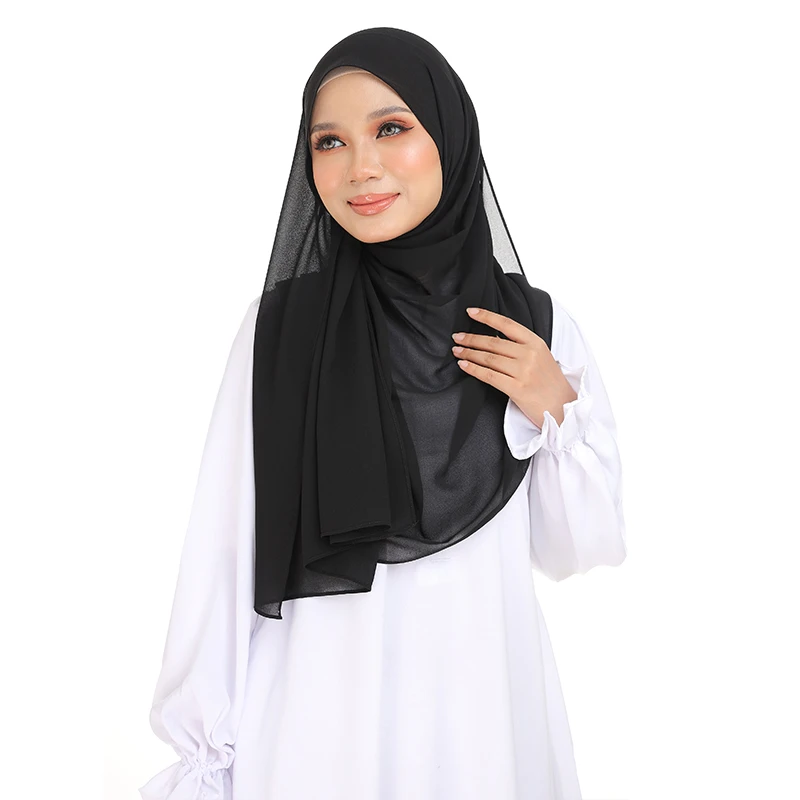
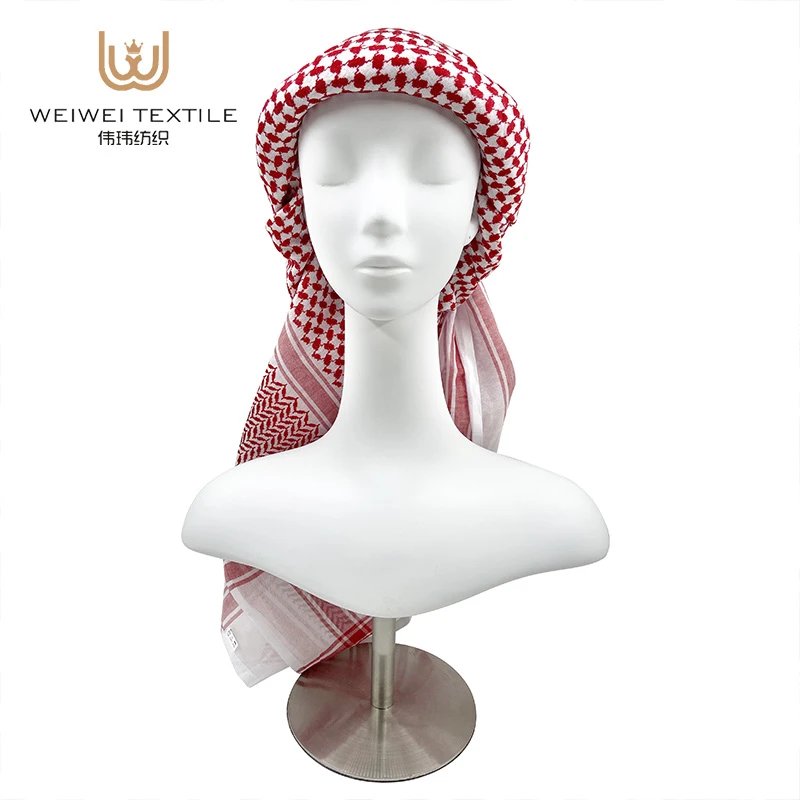
But beyond economics, ladies scarves address challenges like protection from harsh weather, dust, and sun exposure, especially for women in agricultural or outdoor work. Moreover, in some regions, scarves hold cultural weight, representing identity and modesty.
Interestingly, the scarf industry is also responding to sustainability concerns. Did you know ISO standards are increasingly applied to textile quality and eco-friendly dyes? As consumers become more aware, scarves serve as canvases for ethical fashion.
Mini Takeaway:
Beyond fashion, ladies scarves play a vital role in culture, economy, and environmental efforts worldwide.
What Exactly Are Ladies Scarves?
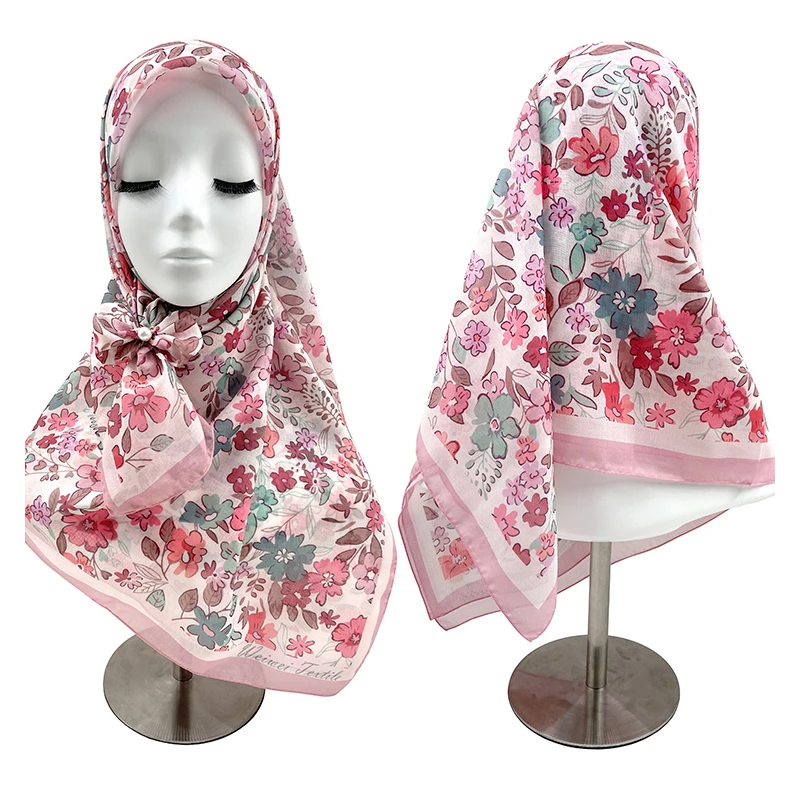
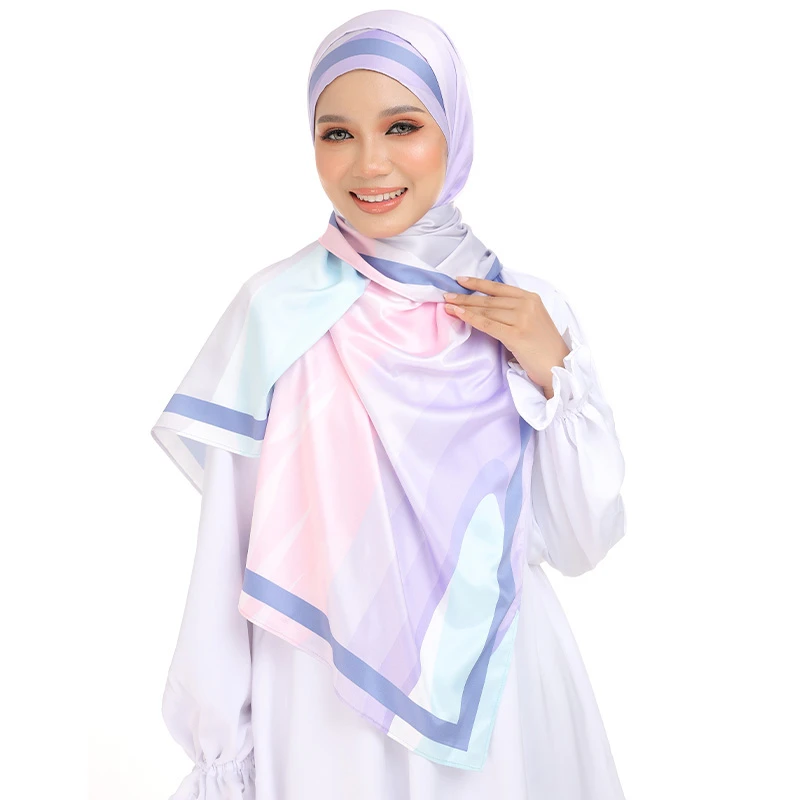
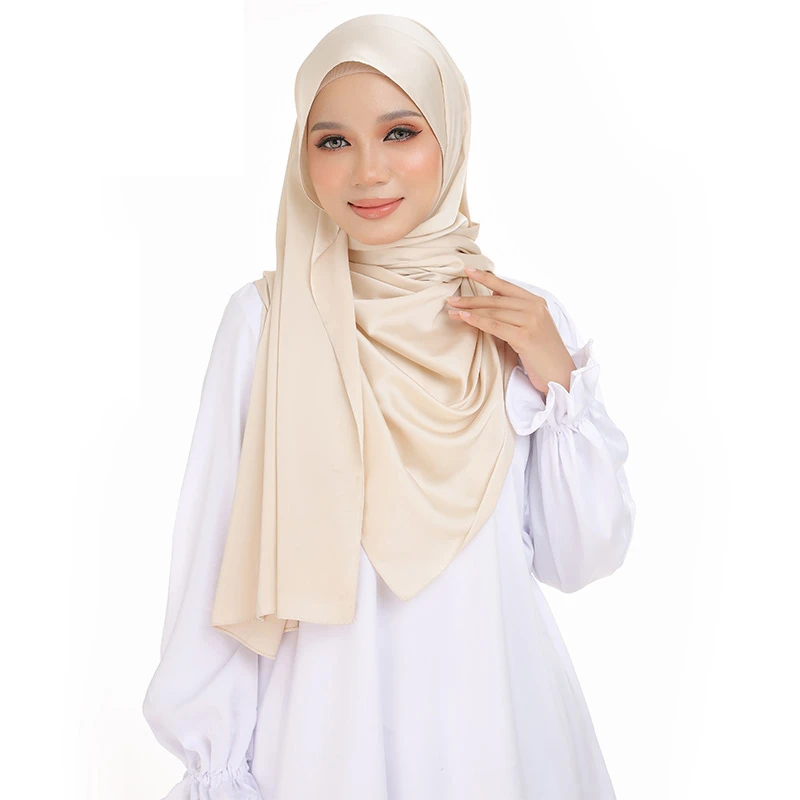
Simply put, ladies scarves are rectangular or square pieces of fabric designed mainly for women, used around the neck, head, or shoulders. They vary tremendously—from delicate silk chiffons to heavy wool knits—each suited for different occasions and climates.
Their versatility ties directly to various industries like fashion retail, traditional handloom crafts, and utility wear. In humanitarian contexts, scarves sometimes double as makeshift coverings or sun shields for displaced women. This blend of style and function is what keeps them relevant across ages and geographies.
Mini Takeaway:
At its core, a ladies scarf is more than fabric; it’s a multifunctional piece linking fashion with practicality.
Four Key Features Driving Ladies Scarves' Appeal
1. Material & Texture
Fabric choice defines the scarf’s feel and function. Silks speak luxury, cottons offer breathability, wool provides warmth, and synthetics often boost durability. Many artisans experiment with blends to strike a balance between softness, longevity, and eco-friendliness.
2. Design & Color Variations
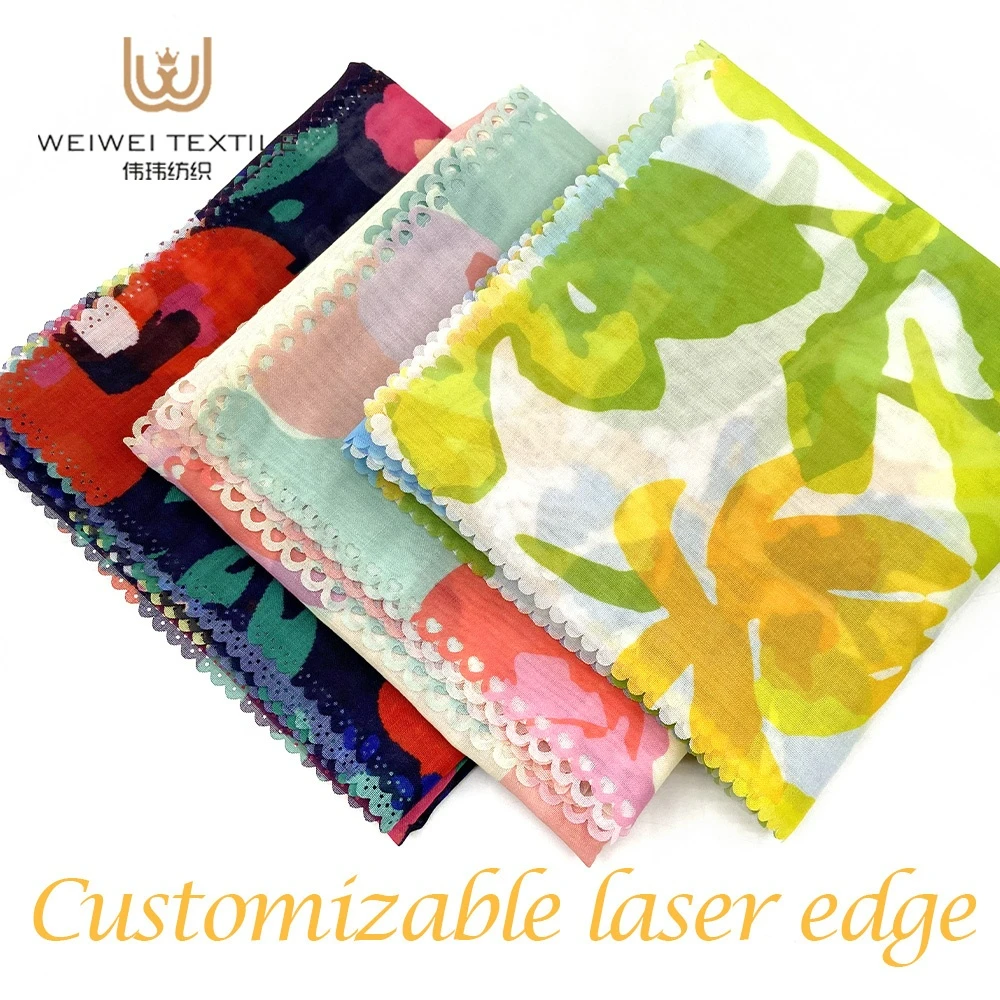
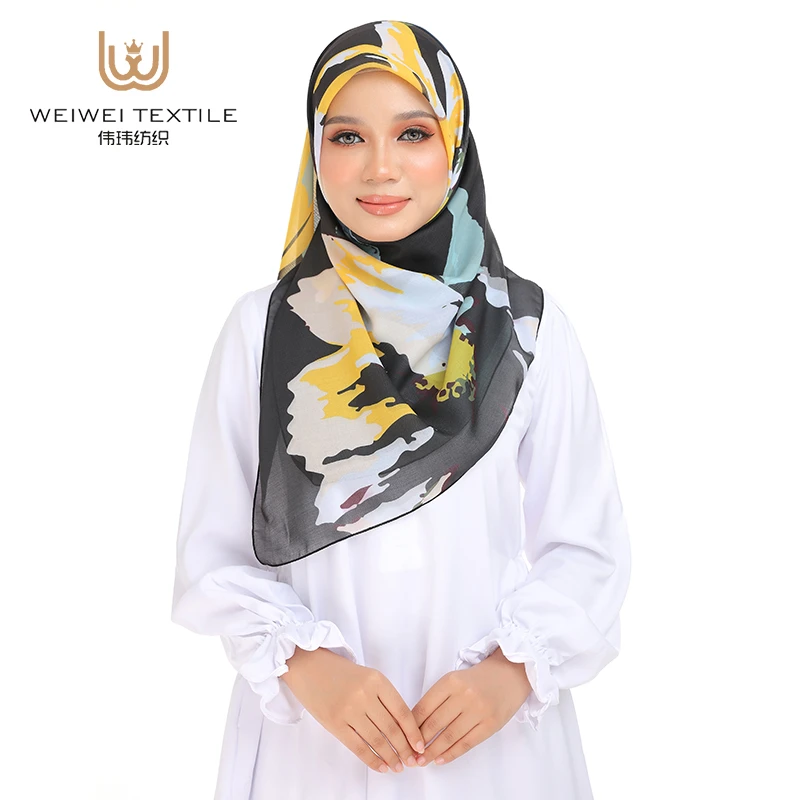
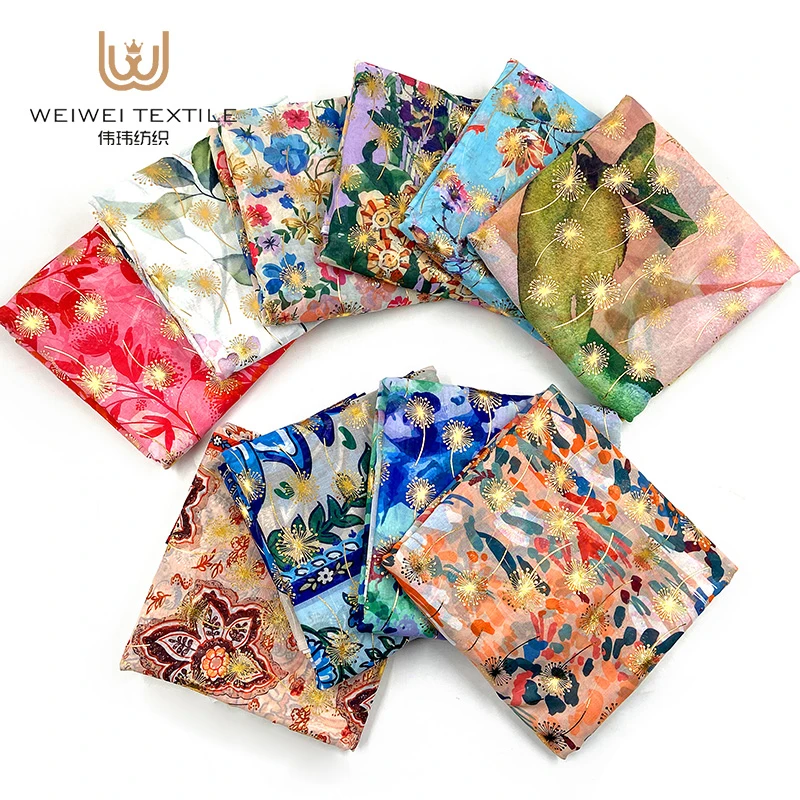
Patterns—from florals to geometrics—often connect to cultural storytelling or seasonal trends. Colorfastness and print quality are important, especially in fast-fashion versus handcrafted scarves.
3. Size & Shape
While rectangular scarves suit wrapping or layering, square scarves offer versatility in folding styles. Length and width vary significantly, influencing how a scarf complements different outfits.
4. Durability & Care
Practical considerations drive many purchases. Scarves must hold up to repeated washing, resist fading, and maintain shape. Easy-care fabrics often edge out delicate ones for everyday use.
Mini Takeaway:
The magic lies in materials, design, size, and resilience—all combining to meet diverse wearer needs.
Product Specifications Comparison
| Feature | Silk Ladies Scarf | Wool Knit Ladies Scarf | Cotton Printed Scarf |
|---|---|---|---|
| Material | 100% Mulberry Silk | Merino Wool | Organic Cotton |
| Dimensions | 70 cm x 70 cm | 180 cm x 25 cm | 100 cm x 100 cm |
| Weight | 30g | 120g | 80g |
| Care Instructions | Hand wash cold | Machine wash gentle cycle | Machine wash warm |
| Use Cases | Formal wear, events | Cold weather, casual | Everyday, travel |
Where Ladies Scarves Find Their Place in the World
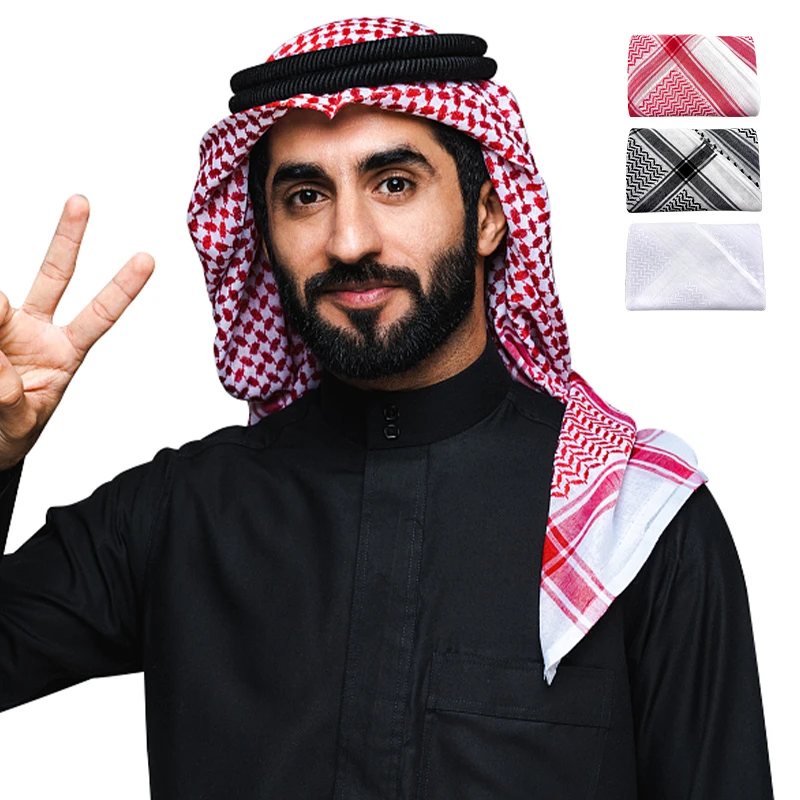
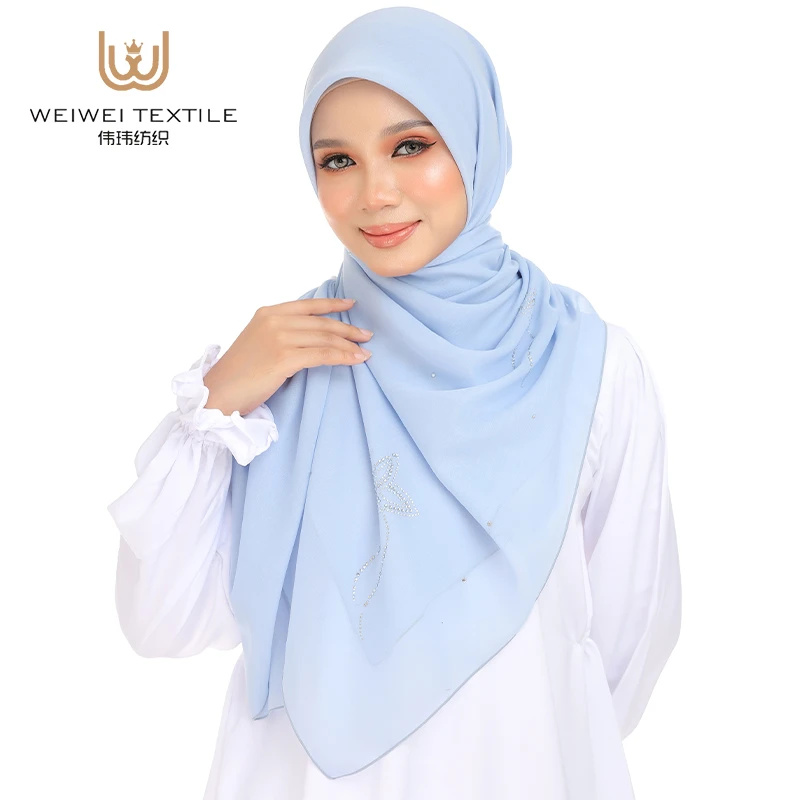
It’s fascinating how ladies scarves adapt to vastly different uses around the globe. In South Asia, scarves often serve modesty and cultural identity roles; in Scandinavia or Canada, wool scarves are essential winter gear. Fashion brands in European capitals sell designer silk scarves as luxury items, while humanitarian NGOs use lightweight scarves to shield women and children from sunburn and dust in refugee camps.
Industries such as tourism, tech (think promotional scarves), and artisan crafts also thrive around this product, supporting thousands of livelihoods.
Mini Takeaway:
From mountain slopes to metropolitan streets, ladies scarves meet myriad cultural and functional demands.
Benefits & Lasting Appeal of Ladies Scarves
- Cost Efficiency: Affordable scarves offer a versatile wardrobe boost without breaking the bank.
- Sustainability: Natural fibers and slow fashion processes support eco-friendly choices.
- Social Impact: Crafting scarves sustains artisan communities worldwide.
- Reliability: Durable scarves promise warmth and comfort through seasons.
On an emotional level, scarves often provide a sense of security or identity—like a security blanket or a statement. They can make someone feel “put-together” or even empowered, and the tactile softness frequently brings simple joy.
Comparing Top Ladies Scarf Vendors
| Vendor | Material Sourcing | Price Range | Customization | Global Shipping |
|---|---|---|---|---|
| Silka Scarves | 100% Certified Mulberry Silk | $50 - $150 | Yes, limited edition prints | Worldwide |
| EcoWrap | Organic Cotton & Bamboo | $25 - $70 | Custom logos available | North America & Europe |
| Woolly Wonders | Merino & Alpaca Strong | $40 - $90 | Limited seasonal designs | Global |
Emerging Trends and Innovations in Ladies Scarves
Technology is weaving its way into the scarf industry, oddly enough. We see digital printing unlocking custom, on-demand patterns. Sustainable textile innovations include recycled fibers and low-impact dyes—plugging into the global push for green fashion.
Even “smart scarves” equipped with temperature regulation or embedded sensors for health monitoring aren’t far off. Automation in production is reducing costs but also raising questions about artisan job preservation. It’s a fascinating tension.
Challenges That Scarves Face (And How They’re Solved)
Keeping quality consistent across mass production while preserving artisanal character remains tricky. Plus, some fabrics—like silk—require special care that modern buyers skip, causing returns or disappointments.
The solution involves better consumer education (you might see labels with QR codes linking to care tutorials) and blending traditional craftsmanship with modern tech to create durable, beautiful scarves. Supply chain transparency is also a growing demand.
FAQs About Ladies Scarves
Q1: What fabrics are best for ladies scarves in hot climates?
A1: Natural fibers like cotton, linen, and silk breathe well and feel light on the skin, ideal for hot weather. Synthetic scarves may trap heat and cause discomfort.
Q2: How can I care for a delicate silk scarf?
A2: Hand wash your silk scarf gently in cold water with mild detergent. Avoid wringing and hot dryers; air dry flat to maintain shape and sheen.
Q3: Are ladies scarves an eco-friendly fashion choice?
A3: They can be, especially if made from organic or recycled materials and sourced from ethical producers. Look for certifications when purchasing.
Q4: Can scarves be customized for corporate gifting?
A4: Absolutely. Many vendors offer printing or embroidery services to add logos or personalized designs, making scarves great corporate gifts.
Q5: How long does a high-quality wool scarf typically last?
A5: With proper care, good wool scarves can last many years—sometimes decades—gaining character with gentle wear.
In Conclusion: The Lasting Value of Ladies Scarves
There’s something timeless about ladies scarves — they marry artistry and function, culture and commerce, simplicity and sophistication. They help women express identity, protect themselves, and even support sustainable economies worldwide. If you haven’t updated your scarf collection lately, well... it might just be time.
Discover a curated spectrum of scarves tailored for every occasion and ethos at ladies scarves. Embrace the tradition, innovation, and sheer joy wrapped in fabric.
Mini Takeaway:
Scarves are more than accessories — they’re a tale of global culture, ethics, and elegance waiting to be worn.
-
Xinji Weiwei Textile Factory to Exhibit at the 139th Canton Fair
NewsApr.15,2026
-
Abaya Robe: Tradition, Elegance, and Daily Cultural Expression
NewsApr.15,2026
-
Satin Scarves and Hijabs: A Reflection of Tradition, Elegance, and Daily Practice
NewsApr.15,2026
-
Chiffon Scarf Hijab: A Blend of Tradition, Style, and Everyday Practice
NewsApr.15,2026
-
Exploring Hijab Fashion in Malaysia: Tradition, Style, and Daily Cultural Practice
NewsApr.15,2026
-
The Cultural Significance and Style of Voile Scarves and Shawls in Daily Muslim Wear
NewsApr.15,2026