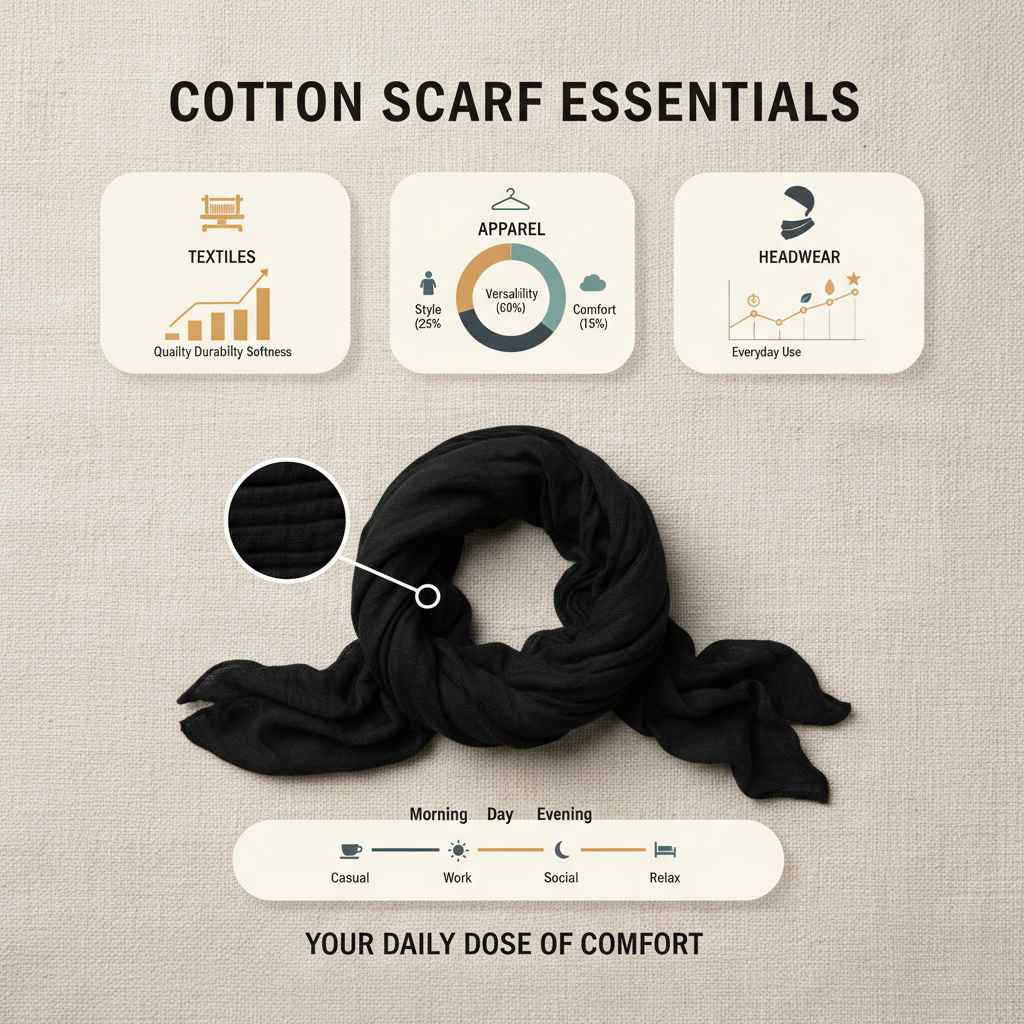
The black cotton scarf, a seemingly simple accessory, holds a significant place in global textile traditions and modern fashion. Its versatility, affordability, and comfort have made it a staple across cultures and climates. Understanding the nuances of black cotton scarf production, quality, and application is crucial for both consumers seeking the best value and businesses striving for sustainable and ethical practices.
Globally, cotton remains one of the most important natural fibers, and the demand for cotton scarves, especially those in classic black, continues to grow. From providing protection against the elements to serving as a fashion statement, the black cotton scarf transcends geographical boundaries. The economic impact of its production supports countless livelihoods, particularly in developing nations.
The significance of the black cotton scarf extends beyond mere aesthetics. It represents practicality, cultural identity, and, increasingly, a commitment to sustainable textile choices. Its widespread adoption speaks to a fundamental human need for comfort, protection, and self-expression, all embodied in this single, versatile garment.
The Global Significance of Black Cotton Scarves
The black cotton scarf is a globally recognized and utilized textile product, deeply embedded in diverse cultures. Its prevalence is driven by its practicality, affordability, and aesthetic appeal. According to the World Bank, cotton production significantly contributes to the economies of developing nations, many of which are key exporters of cotton scarves. The versatility of a black cotton scarf has made it an enduring fashion item.
From the bustling markets of Marrakech to the chic boutiques of Paris, the black cotton scarf transcends geographical boundaries. It serves as both a functional accessory—providing warmth, sun protection, or modesty—and a fashion statement. The rising global population and increasing disposable incomes contribute to a sustained demand for affordable and versatile fashion accessories like the black cotton scarf.
Defining the Black Cotton Scarf
A black cotton scarf is a piece of fabric, typically rectangular or square, made from 100% cotton or a cotton blend, dyed black. It’s a versatile accessory worn for various purposes, including protection from the sun, wind, or cold, as a fashion statement, or for religious or cultural reasons. The weave of the cotton can vary, resulting in different textures and weights, from lightweight voile to more substantial twill.
Its connection to modern industry is rooted in the large-scale production of cotton textiles. The global textile industry relies heavily on cotton, and the black cotton scarf represents a significant segment of this market. Ethical sourcing and sustainable production practices are becoming increasingly important considerations in the industry, driving demand for responsibly produced black cotton scarves.
The significance extends to humanitarian needs as well. Durable and affordable black cotton scarf can be readily distributed as aid in emergency situations, providing warmth, protection, and a degree of dignity to those affected by disaster.
Key Characteristics of Premium Black Cotton Scarves
Several key characteristics define a high-quality black cotton scarf. These include the fiber length, weave density, dye quality, and overall construction. Longer cotton fibers (like Egyptian or Pima cotton) result in a softer, more durable fabric. A tighter weave contributes to a richer color saturation and increased resistance to wear and tear.
Dye quality is paramount for a true, lasting black color. Reactive dyes are preferred as they bond chemically with the cotton fibers, resulting in excellent colorfastness. Poorly dyed scarves can fade quickly or bleed color with washing. The finishing processes, such as softening treatments, also contribute to the overall feel and drape of the scarf.
A well-constructed black cotton scarf will have neatly finished edges, whether hemmed, fringed, or serged, ensuring it doesn’t unravel with use. The weight of the fabric is also an important factor, depending on the intended use; lighter weights are ideal for warm weather, while heavier weights provide greater warmth.
Factors Affecting Black Cotton Scarf Quality
The quality of a black cotton scarf is influenced by a number of interconnected factors, starting with the raw material itself. The grade of cotton, whether it’s upland, Egyptian, Pima or another variety, significantly impacts the softness, strength, and longevity of the finished product. The origin of the cotton also plays a role, with certain regions known for producing superior quality fibers.
The manufacturing process is equally crucial. The spinning, weaving, dyeing, and finishing stages all contribute to the final quality. Inefficient or substandard processes can result in weaker fabrics, uneven dyeing, and a rough texture. The use of sustainable and eco-friendly practices during manufacturing also impacts the overall quality and ethical standing of the product.
Black Cotton Scarf Quality Factors
Global Applications and Cultural Relevance
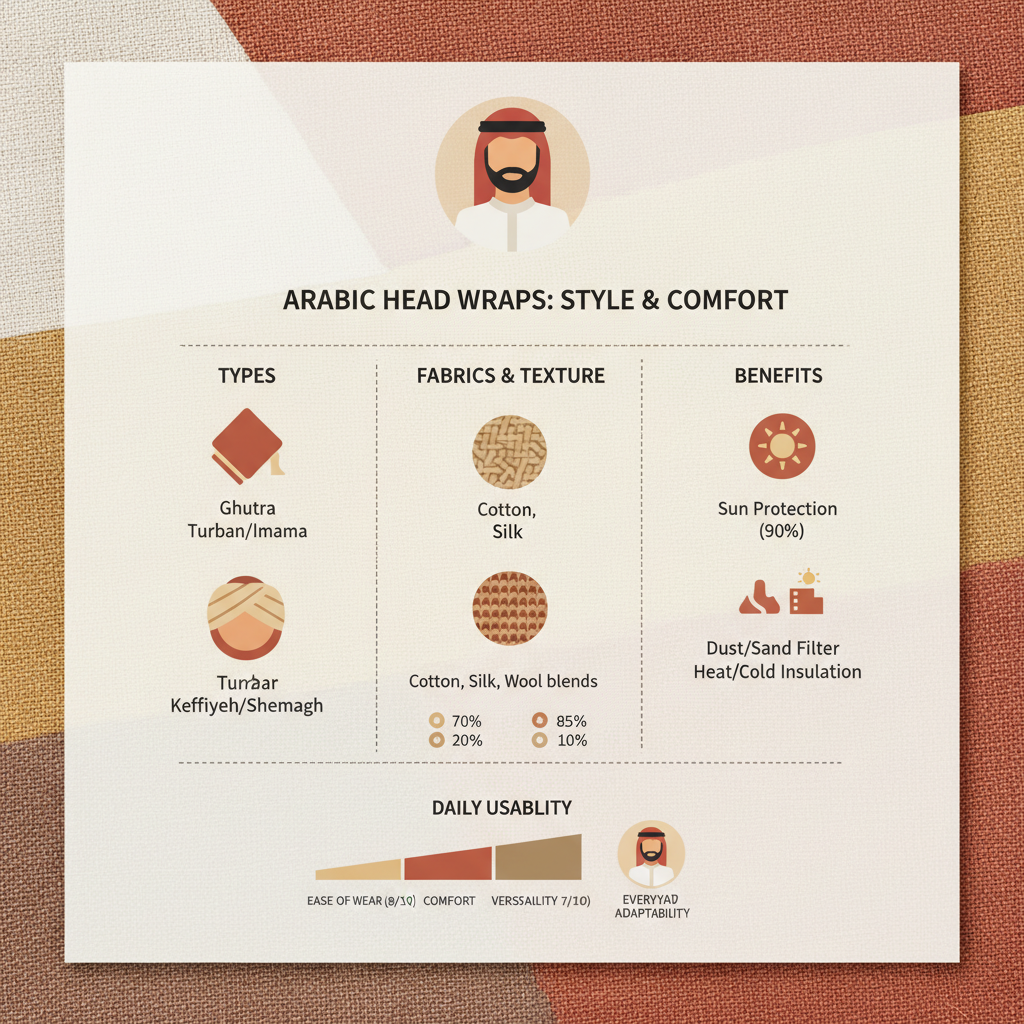
The applications of a black cotton scarf are remarkably diverse. In many Muslim cultures, it's used as a hijab, a headscarf worn for religious reasons. In Western fashion, it’s a versatile accessory worn around the neck, head, or even tied to handbags. Its practicality extends to industrial settings, where it can serve as a protective head covering or dust mask.
In some African cultures, black cotton scarves are integral parts of traditional attire, often featuring intricate patterns and symbolic meanings. In post-disaster relief operations, black cotton scarf are often distributed to provide warmth and comfort to those affected. The color black itself carries different cultural connotations, often representing elegance, sophistication, and mourning.
Advantages and Sustainable Value of Black Cotton Scarves
The advantages of choosing a black cotton scarf are numerous. Firstly, cotton is a natural, breathable fiber, making it comfortable to wear in a variety of climates. Black is a classic color that complements a wide range of outfits, making it a versatile addition to any wardrobe. Furthermore, cotton is relatively affordable, making black cotton scarves accessible to a broad consumer base.
From a sustainability perspective, choosing organic cotton scarves supports environmentally friendly farming practices, reducing the use of pesticides and herbicides. Investing in high-quality, durable black cotton scarves reduces the need for frequent replacements, minimizing textile waste. The longevity and versatility of the scarf contribute to its long-term value, both economically and environmentally.
Future Trends and Innovations in Black Cotton Scarf Production
The future of black cotton scarf production is likely to be shaped by several key trends. Increased demand for sustainable and ethically sourced materials will drive the adoption of organic cotton and innovative dyeing techniques that minimize water consumption and pollution. Digital printing technologies will enable greater design flexibility and customization options.
The integration of smart textiles—incorporating conductive fibers or sensors into the fabric—could lead to the development of black cotton scarves with added functionality, such as UV protection monitoring or temperature regulation. Furthermore, advances in circular economy models will promote textile recycling and the reuse of cotton fibers, reducing waste and minimizing environmental impact.
We can also anticipate a greater focus on traceability and transparency in the supply chain, allowing consumers to track the origin of their black cotton scarf and ensure it was produced under fair labor conditions.
Challenges and Solutions in Black Cotton Scarf Production
One of the significant challenges in black cotton scarf production is the environmental impact of conventional cotton farming, including high water consumption and the use of pesticides. Another challenge is ensuring fair labor practices throughout the supply chain, preventing exploitation of workers. Achieving consistent, deep black coloration without relying on harmful dyes also poses a technical hurdle.
Solutions involve transitioning to organic cotton farming, implementing water-efficient irrigation techniques, and promoting the use of reactive dyes and natural dyeing processes. Third-party certifications, such as Fair Trade and GOTS (Global Organic Textile Standard), can help verify ethical and sustainable production practices. Investment in research and development of innovative dyeing technologies is also crucial.
Summary of Key Challenges and Solutions
| Challenge |
Environmental Impact |
Social Impact |
Potential Solution |
| Water Usage |
High water consumption in cotton farming |
Water scarcity in cotton-growing regions |
Drip irrigation, rainwater harvesting |
| Pesticide Use |
Environmental pollution, soil degradation |
Health risks for farmers and communities |
Organic cotton farming, integrated pest management |
| Dyeing Process |
Water pollution from dye discharge |
Health risks for dye workers |
Reactive dyes, water treatment technologies |
| Labor Conditions |
N/A |
Low wages, unsafe working environments |
Fair Trade certification, ethical sourcing |
| Supply Chain Transparency |
N/A |
Difficulty in verifying ethical practices |
Blockchain technology, traceability systems |
| Colorfastness |
Resource waste in re-dyeing |
Customer dissatisfaction |
High-quality reactive dyes, proper fixing processes |
FAQS
To maintain the vibrant black color of your cotton scarf, wash it inside out in cold water with a mild detergent specifically designed for dark fabrics. Avoid bleach and harsh chemicals. Tumble dry on low heat or, preferably, hang it to dry. Ironing on a low setting can help restore its shape, but avoid excessive heat. Proper care will significantly extend the life and color of your black cotton scarf.
Black cotton scarves are surprisingly versatile and can be worn year-round. Lighter-weight cotton voile scarves are perfect for warmer weather, providing sun protection without overheating. Heavier-weight cotton scarves can offer warmth and comfort during colder months. The color black also absorbs heat, making it ideal for layering in cooler temperatures.
Organic cotton is grown without the use of harmful pesticides and synthetic fertilizers, making it a more environmentally friendly and sustainable choice. It’s also gentler on the skin, reducing the risk of irritation. Choosing organic cotton supports ethical farming practices and protects the health of both farmers and the environment.
Inspect the fabric closely. Higher-quality scarves will have a tighter weave, a softer feel, and a richer, more saturated black color. Check the seams for neatness and durability. Also, look for certifications like GOTS or Fair Trade, which indicate adherence to ethical and environmental standards. A low-quality scarf may feel rough, have a loose weave, and fade easily.
Absolutely! Black cotton scarves are incredibly versatile. They can be used as a head covering for sun protection or religious reasons, as a makeshift bandage in emergencies, as a cleaning cloth, or even as a reusable gift wrap. Their practicality extends far beyond purely aesthetic applications.
Reactive dyes are generally considered the safest and most environmentally friendly option for dyeing cotton. They form a chemical bond with the fabric, resulting in excellent colorfastness and minimal water pollution. Avoid scarves dyed with azo dyes, which can contain harmful chemicals. Look for certifications that guarantee the use of safe dyes.
Conclusion
In conclusion, the black cotton scarf is far more than a simple accessory. It's a testament to the enduring power of natural fibers, the importance of sustainable practices, and the versatility of classic design. Its global relevance, affordability, and adaptability ensure its continued popularity for generations to come. Understanding the nuances of its production and care empowers consumers to make informed choices that benefit both themselves and the planet.
Looking ahead, the future of the black cotton scarf hinges on innovation and a commitment to ethical sourcing. By embracing sustainable materials, eco-friendly dyeing techniques, and fair labor practices, the industry can ensure that this beloved garment continues to be a symbol of style, comfort, and responsible consumption. Visit our website at www.wwscarf.com to explore our collection of high-quality black cotton scarves and discover the difference.