Okt . 15, 2025 14:02 Kembali ke daftar
The Color Code: Cultivating Culturally Attuned Satin Head Wraps
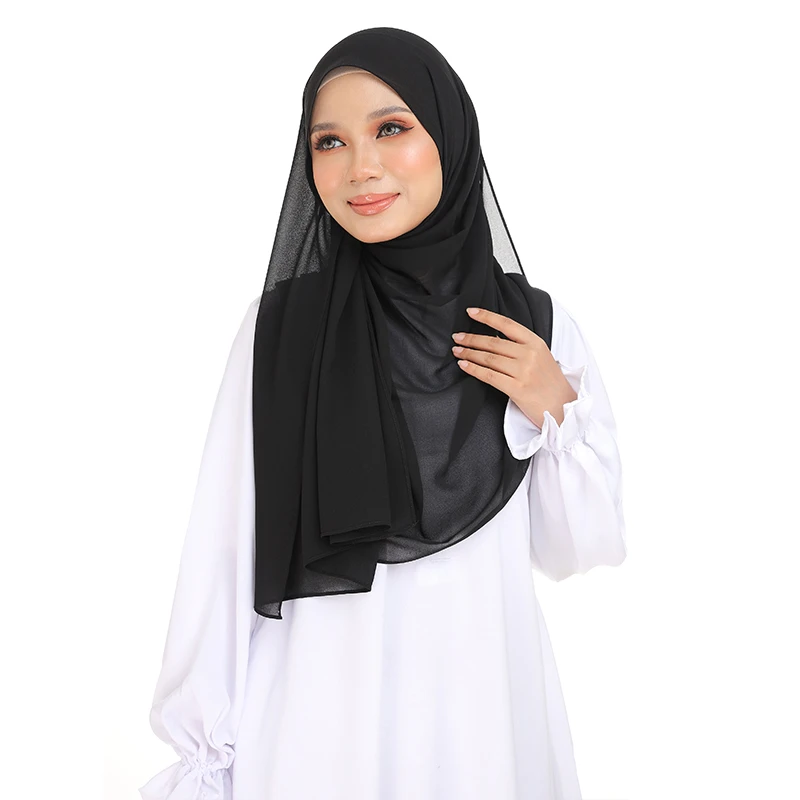
In the global wholesale market for Islamic modest wear, the satin head wrap represents far more than a simple covering; it’s an expression of faith, identity, and aesthetic sensibility. While black remains a cornerstone for its unmatched versatility and formality, a profound shift is underway. Discerning wearers and bulk buyers increasingly seek satin scarf options in palettes that resonate deeply with cultural heritage, seasonal moods, and personal expression—all while upholding the sacred principles of modesty. For wholesalers, mastering these culturally resonant color palettes for syal sutra satin and synthetic satin options is key to unlocking diverse markets and building lasting B2B partnerships. Moving beyond black requires understanding the symbolic weight, regional preferences, and practical considerations of color in the Islamic world.
Decoding Satin Head Wrap Color Symbolism in Islamic Modest Fashion
Color choices for a satin head wrap carry significant cultural and spiritual meaning. Wholesalers must navigate this symbolism with respect:
Green: Universally revered, often symbolizing paradise, life, and renewal. A syal sutra satin in deep emerald or olive is highly sought after, especially during Ramadan and Eid.
Deep Jewel Tones: Burgundy, navy, forest green, and plum signify dignity, sophistication, and are favored for formal occasions and colder months. Ideal for heavier satin scarf weaves.
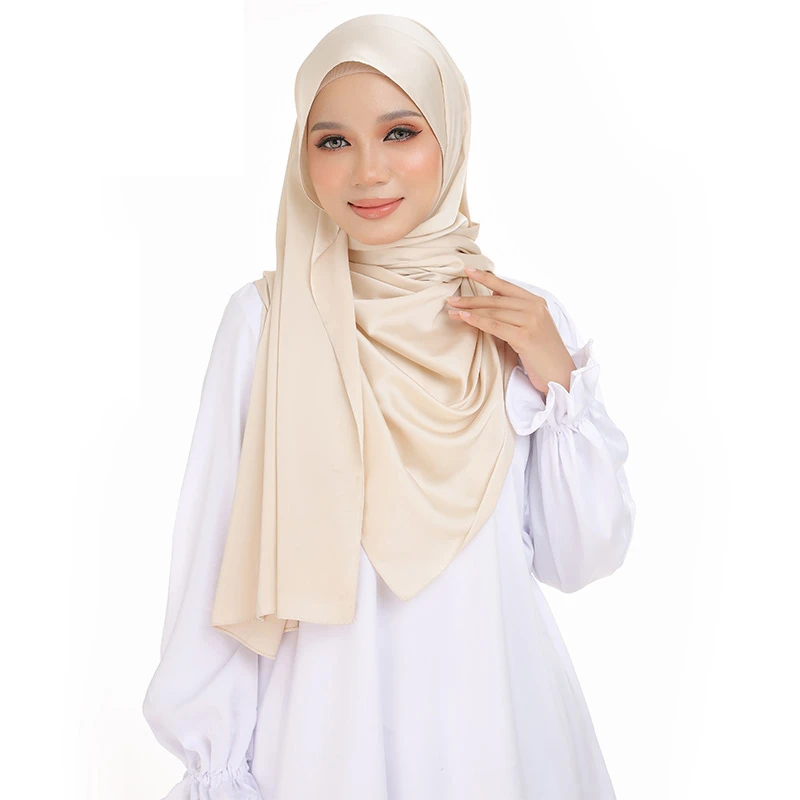
Muted Earth Tones: Sand, taupe, rose clay, and soft moss green offer understated elegance suitable for daily wear across many regions, providing a sophisticated alternative to black.
Crucially, wholesalers must avoid colors or combinations culturally perceived as overly flashy (neon), mournful (specific purples in some cultures), or carrying negative Western connotations.
Regional Palette Preferences for Satin Head Wraps
Understanding geographic nuances is vital for successful satin scarf wholesale:
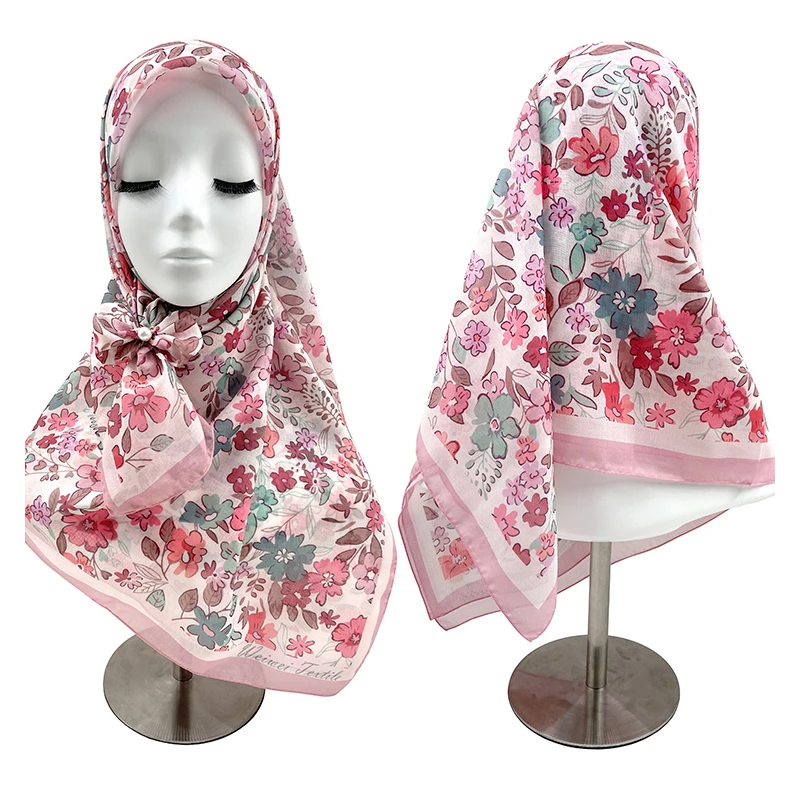
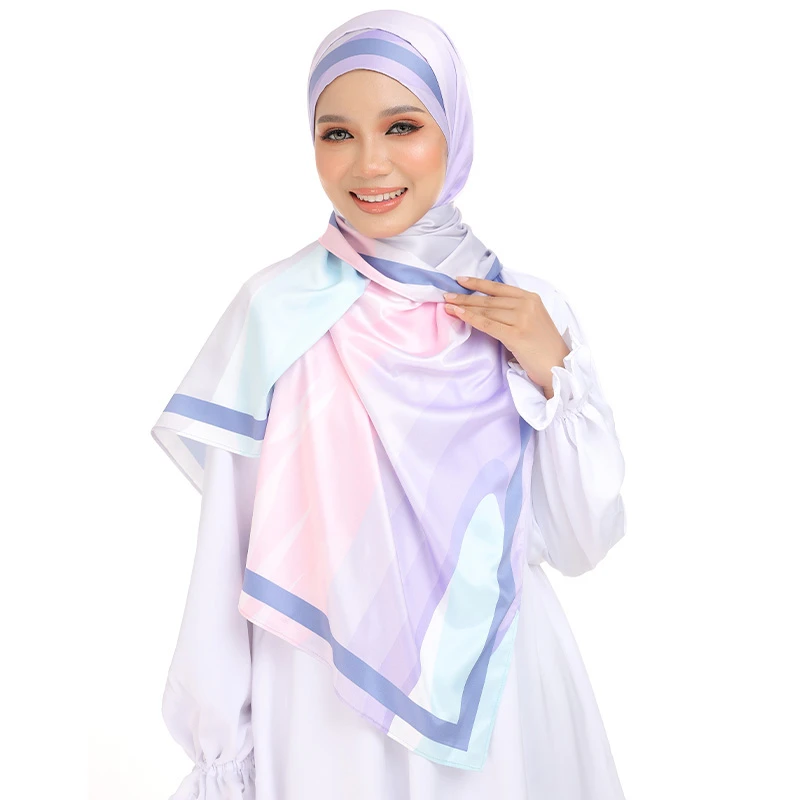
Southeast Asia (Indonesia, Malaysia): Favor softer, warmer palettes – dusky pinks, lavender, turquoise, and botanical greens. Floral-inspired hues in satin head wrap designs are prevalent.
North Africa (Egypt, Morocco): Vibrant colors like saffron, cobalt blue, and deep coral are traditional, often paired with intricate patterns. Earthy terracotta and indigo are also staples.
Turkey & Levant: Sophisticated blends dominate – think dusty roses, sage greens, camel, and deep teal. Muted elegance is key for satin scarf collections targeting this market.
Wholesalers should offer curated regional color capsules within their main satin scarf wholesale lines.
Seasonal Color Strategies in Satin Scarf Wholesale
Aligning palettes with seasons and religious calendars boosts relevance:
Spring: Introduce soft pastels (powder blue, blush pink, mint) and fresh greens. Perfect for lightweight satin head wrap options.
Autumn/Winter: Focus on warm, deep hues: burgundy, burnt orange, forest green, plum, and sophisticated neutrals like charcoal and camel.
Summer: Offer lighter jewel tones (turquoise, periwinkle) and breathable, light-reflective shades like ivory, sky blue, and soft lavender in satin scarf collections.
Specifying Culturally Resonant Silk Satin Scarf Warna
Ensuring color integrity is non-negotiable:
Dye Technology: Invest in high-quality, colorfast dyes. Silk satin scarf requires specialized dyeing to preserve sheen and handle. Reactive dyes for synthetics ensure vibrancy.
Opacity Standards: Verify that all colors, especially lighter or mid-tones, provide sufficient coverage when worn as a satin head wrap. Higher momme weight often ensures better opacity.
Consistency is King: Maintain strict color-matching across bulk satin scarf wholesale orders. Provide physical color standards or Pantone references to suppliers.
Ethical & Cultural Alignment: Source dyes and fabrics compliant with Standard 100, ensuring skin safety during prolonged wear and wudu. Partner with manufacturers respectful of Islamic principles.
Frequently Asked Questions for Satin Head Wrap Wholesale Buyers
Why move beyond black in satin scarf wholesale offerings?
While black remains essential, diversifying palettes caters to growing demand for personal expression, seasonal versatility, and regional preferences. Offering culturally resonant colors strengthens market position and meets the full spectrum of modest fashion needs.
How important is satin scarf color symbolism when selecting palettes?
Extremely important. Colors like green and white hold deep religious significance. Wholesalers must avoid culturally insensitive hues and prioritize colors associated with dignity, peace, and nature within Islamic contexts for satin head wrap collections.
What are the biggest challenges in sourcing colored satin head wraps?
Achieving consistent, colorfast dyes across large batches, ensuring sufficient opacity in lighter shades, and maintaining the luxurious drape and sheen of the satin scarf, especially for syal sutra satin variants, are primary challenges. Rigorous factory vetting and testing are crucial.
How should wholesalers test colorfastness for satin scarves?
Conduct accelerated tests simulating sunlight exposure, repeated washing, and friction. Test for dye bleed onto under-hijabs. Quality satin scarf wholesale suppliers provide independent test reports.
What’s a recommended ratio for syal sutra satin core colors vs. seasonal colors in inventory?
Adjust seasonally: increase core neutrals slightly during peak periods , increase trend colors pre-season. Reserve for premium syal sutra satin colors.
Mastering the art of color beyond black transforms the satin head wrap from a basic covering into a canvas of cultural identity and refined modesty. For wholesalers, success in satin scarf wholesale hinges on this nuanced understanding. By sourcing ethically, respecting profound symbolism, tailoring palettes to regional hearts and seasonal rhythms, and guaranteeing impeccable quality, wholesalers do more than supply fabric—they honor a tradition, empower expression, and weave themselves into the vibrant tapestry of global Islamic modest fashion, one thoughtfully curated hue at a time.
-
Xinji Weiwei Textile Factory to Exhibit at the 139th Canton Fair
BeritaApr.15,2026
-
Abaya Robe: Tradition, Elegance, and Daily Cultural Expression
BeritaApr.15,2026
-
Satin Scarves and Hijabs: A Reflection of Tradition, Elegance, and Daily Practice
BeritaApr.15,2026
-
Chiffon Scarf Hijab: A Blend of Tradition, Style, and Everyday Practice
BeritaApr.15,2026
-
Exploring Hijab Fashion in Malaysia: Tradition, Style, and Daily Cultural Practice
BeritaApr.15,2026
-
The Cultural Significance and Style of Voile Scarves and Shawls in Daily Muslim Wear
BeritaApr.15,2026