Apr . 08, 2026 14:43 Komawa zuwa lissafi
The Role of Satin and Silk Scarves in Muslim Women’s Modesty and Cultural Expression
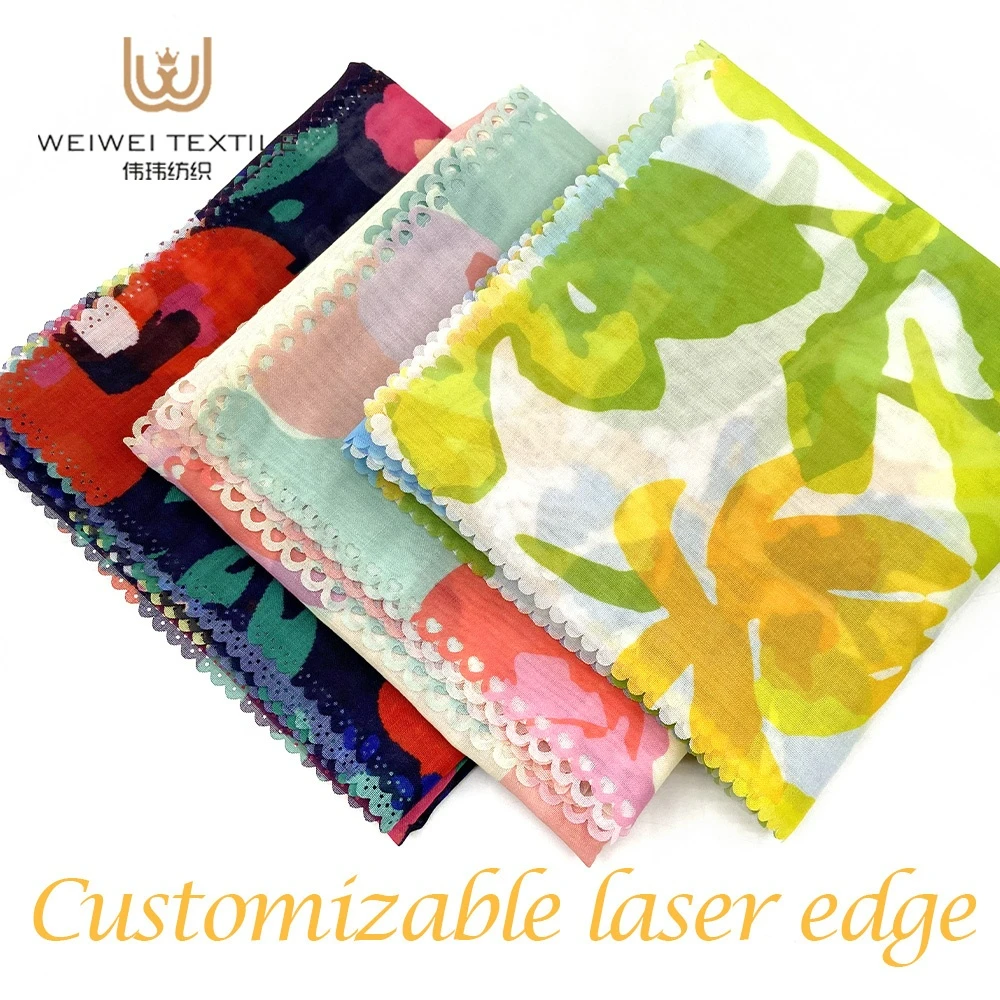
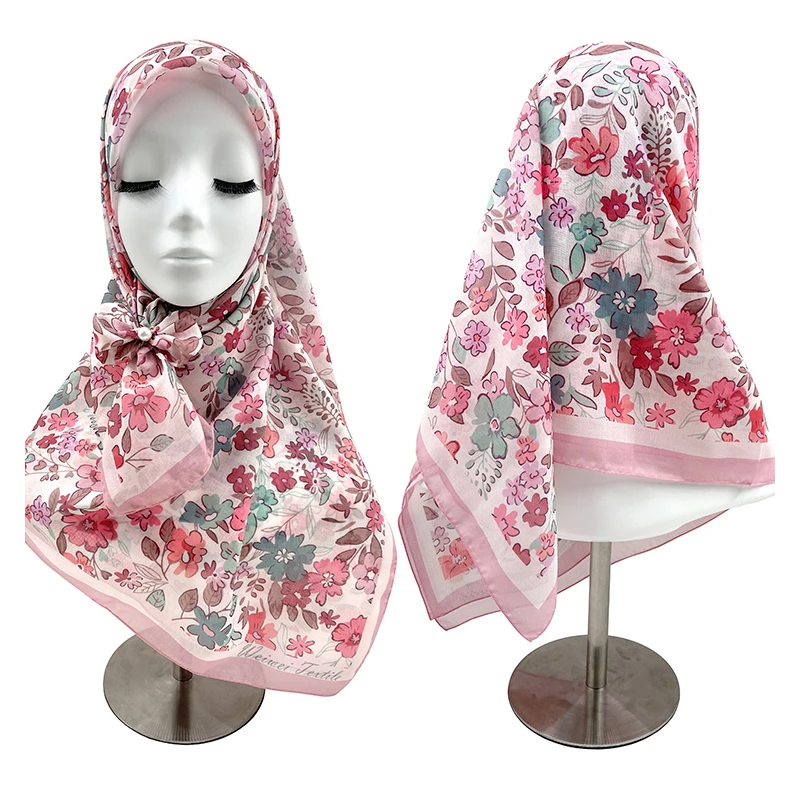
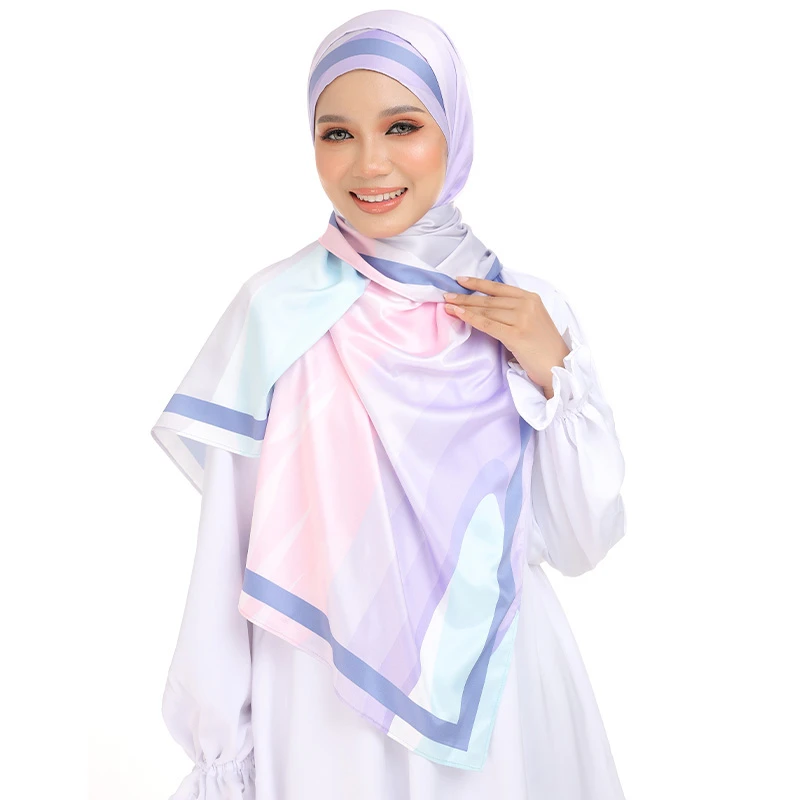
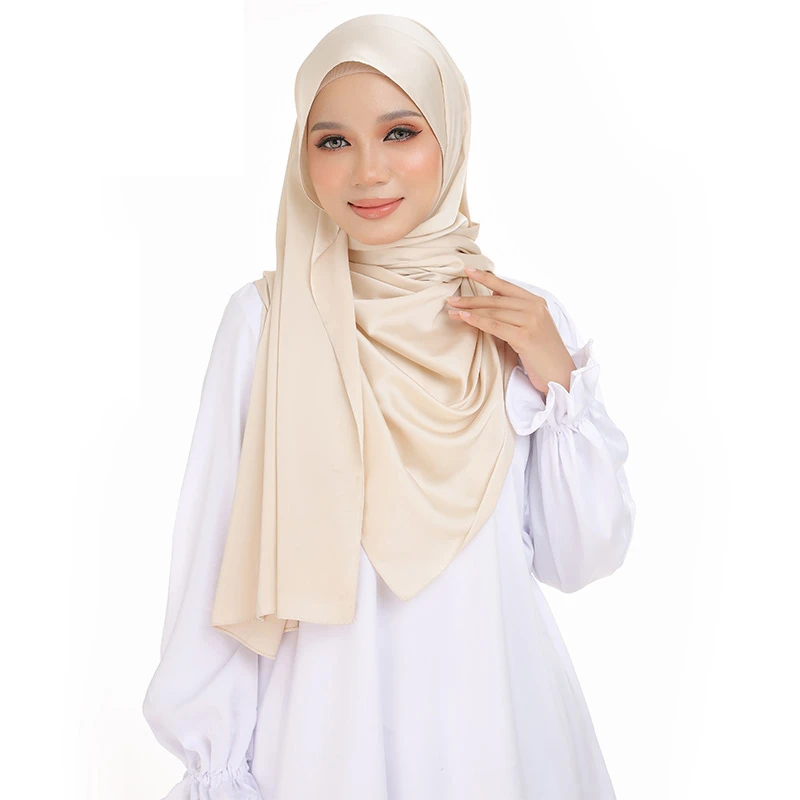
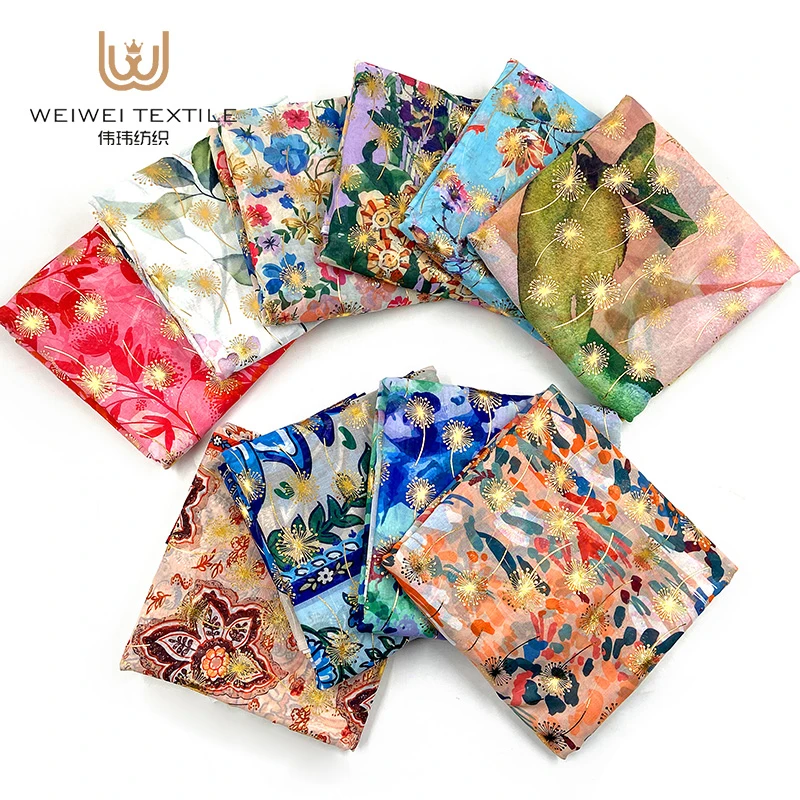
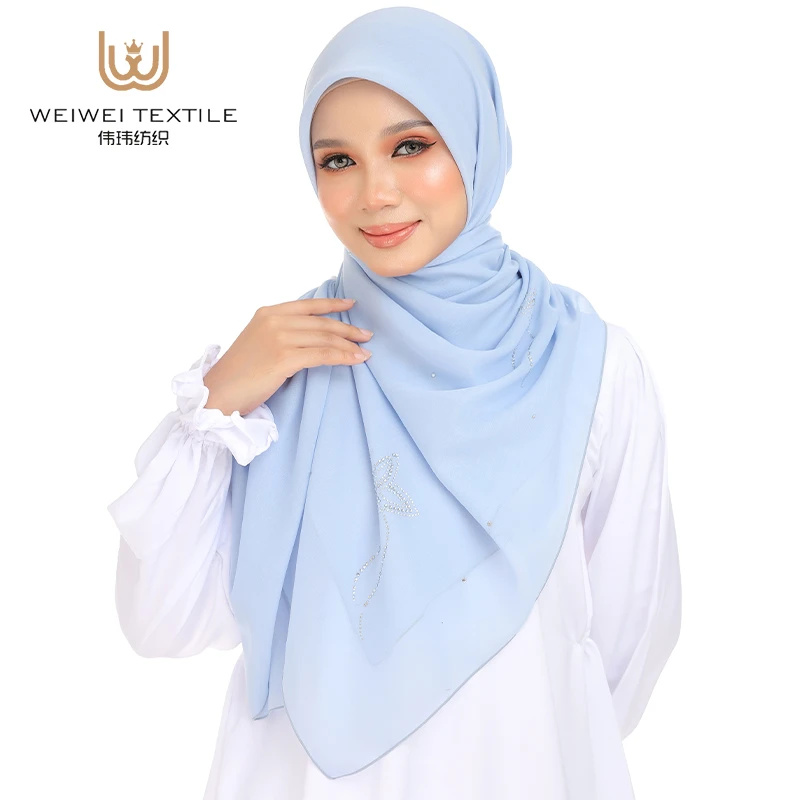
In Muslim communities around the world, modest dressing is not only a religious guideline but also a deeply rooted cultural practice. Among the many garments and accessories worn by Muslim women, scarves play a central role in expressing identity, faith, and personal style. In recent years, materials such as satin and silk have gained increasing popularity, especially in the form of suturar siliki na satin designs and elegant chinese silk scarf collections. Alongside this growing demand, markets like satin gyale wholesale and personalized options such as custom satin scarf have become essential in meeting the diverse needs of Muslim women who seek both modesty and beauty in their attire.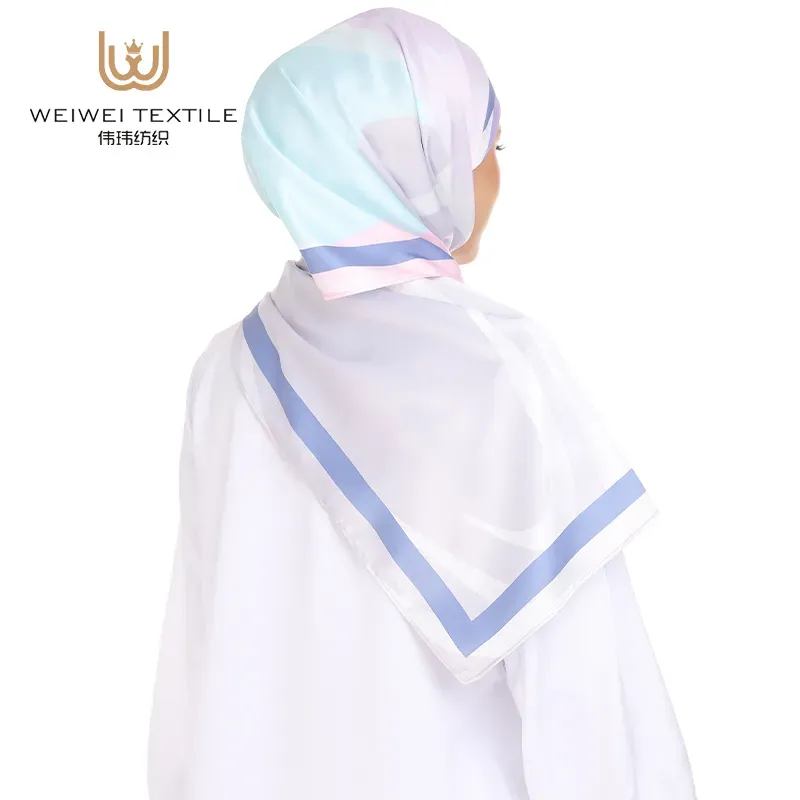
The Religious and Cultural Importance of Scarves in Muslim Life
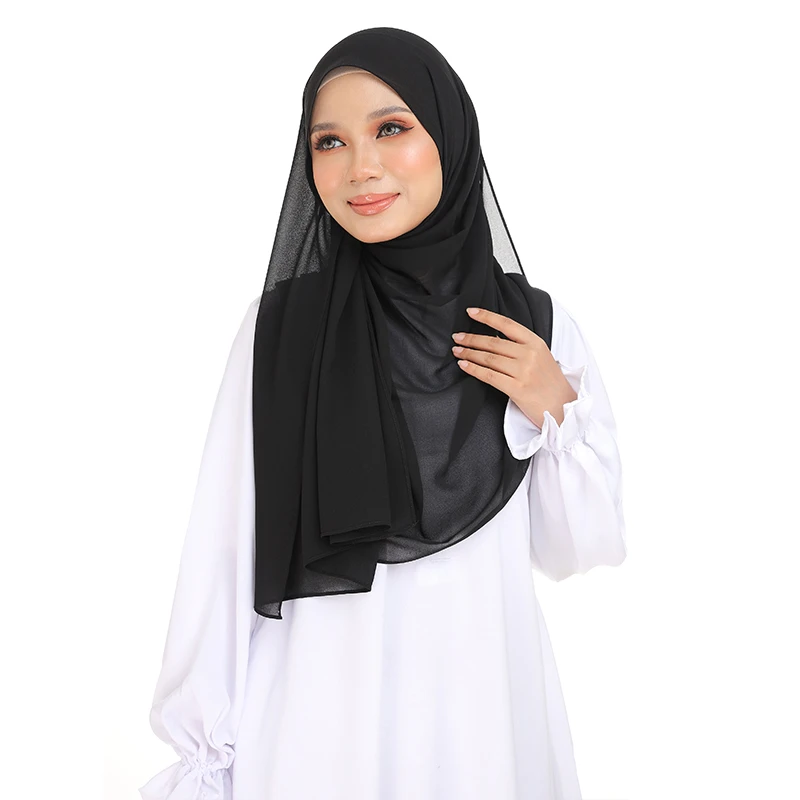
For Muslim women, covering the hair is commonly associated with the concept of hijab, which represents modesty, privacy, and devotion to faith. While interpretations and practices vary across cultures, the use of scarves remains a significant part of daily life for many women. In this context, scarves are not simply fashion items—they are meaningful expressions of religious identity.
The introduction of materials like the suturar siliki na satin has added a new dimension to this tradition. Unlike heavier or rougher fabrics, satin and silk offer a smooth texture that is gentle on the hair and comfortable for extended wear. This makes them particularly appealing for women who wear headscarves throughout the day.
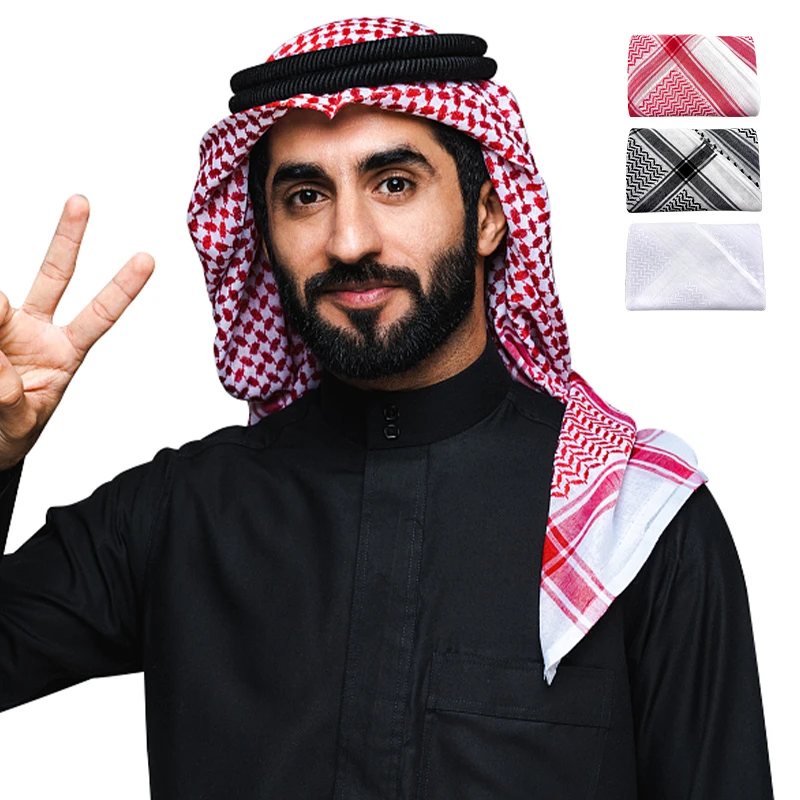
At the same time, scarves such as the chinese silk scarf highlight the global nature of Muslim fashion. Silk production has a long history in China, and these scarves are valued for their craftsmanship, softness, and luxurious feel. When incorporated into Muslim attire, they demonstrate how cultural exchange can enrich traditional practices without compromising their core values.
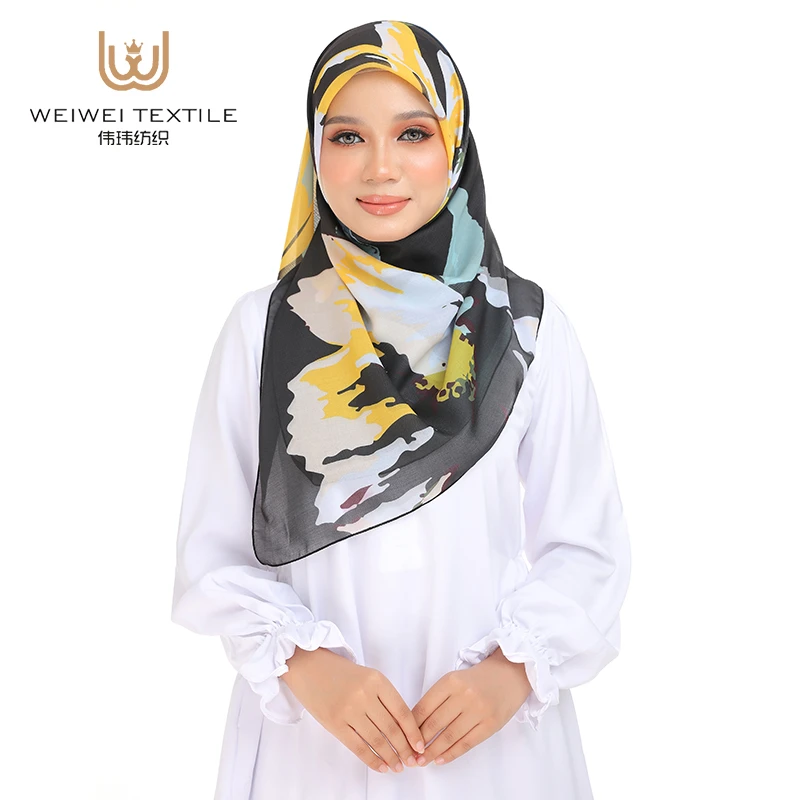
The availability of custom satin scarf options further allows women to choose colors, patterns, and sizes that align with their personal preferences while still adhering to modesty guidelines. This balance between individuality and tradition is a key aspect of modern Muslim identity.
Materials, Comfort, and Everyday Practicality
The choice of fabric plays a crucial role in how a scarf functions in daily life. A high-quality suturar siliki na satin is known for its lightweight feel and elegant appearance. It drapes smoothly, creating a polished look that is suitable for both casual and formal settings.
Similarly, the chinese silk scarf stands out for its durability and natural sheen. Silk fibers help regulate temperature, keeping the wearer cool in warm weather and comfortable in cooler conditions. This makes silk scarves a practical option for women living in diverse climates.
From a practical standpoint, scarves must also be easy to style and secure. Many Muslim women prefer fabrics that do not slip easily, and modern satin blends are often designed with this in mind. The rise of custom satin scarf production has made it possible to address these needs by offering tailored solutions, such as non-slip textures or specific dimensions.
In addition to functionality, aesthetics remain important. Scarves are often coordinated with outfits, especially during social gatherings, family events, or religious celebrations. A well-designed scarf can enhance an overall look while still maintaining modesty.
The growth of the satin gyale wholesale market has made these products more accessible to retailers and consumers alike. By offering a wide range of styles and price points, wholesalers help ensure that Muslim women from different backgrounds can find scarves that meet their needs.
Global Trends and the Expansion of the Wholesale Market
As Muslim fashion continues to gain global recognition, the demand for high-quality scarves has expanded significantly. The satin gyale wholesale industry plays a key role in this growth by supplying retailers, online stores, and fashion brands with diverse products.
Wholesale markets now offer a variety of options, including premium suturar siliki na satin collections, traditional chinese silk scarf designs, and fully custom satin scarf services. This diversity allows businesses to cater to different regions, preferences, and cultural expectations.
For example, in Southeast Asia, bright colors and floral patterns are often preferred, while in the Middle East, neutral tones and minimalist designs may be more popular. By understanding these regional differences, wholesalers can better serve Muslim communities around the world.
The ability to customize scarves has also opened new opportunities for branding and personalization. Businesses can create unique designs that reflect cultural motifs or modern trends, making the custom satin scarf an important tool for both fashion and identity.
At the same time, the increasing popularity of scarves in global fashion has brought attention to their cultural significance. While non-Muslim consumers may adopt these accessories for style, it is important to recognize and respect their origins within Muslim traditions.
For Muslim women, wearing a scarf—whether it is a suturar siliki na satin or a chinese silk scarf—remains a meaningful practice that goes beyond aesthetics. It reflects a commitment to modesty, a connection to community, and a sense of personal dignity.
In conclusion, scarves made from satin and silk have become an integral part of modern Muslim fashion while preserving the essence of traditional values. The elegance of the suturar siliki na satin, the heritage of the chinese silk scarf, and the versatility of the custom satin scarf all contribute to the evolving landscape of modest wear.
With the continued growth of the satin gyale wholesale market, these products are more accessible than ever, supporting both cultural expression and everyday practicality. For Muslim women, scarves are not just accessories—they are symbols of faith, identity, and the harmonious blend of tradition and modernity.
-
Xinji Weiwei Textile Factory to Exhibit at the 139th Canton Fair
LabaraiApr.15,2026
-
Abaya Robe: Tradition, Elegance, and Daily Cultural Expression
LabaraiApr.15,2026
-
Satin Scarves and Hijabs: A Reflection of Tradition, Elegance, and Daily Practice
LabaraiApr.15,2026
-
Chiffon Scarf Hijab: A Blend of Tradition, Style, and Everyday Practice
LabaraiApr.15,2026
-
Exploring Hijab Fashion in Malaysia: Tradition, Style, and Daily Cultural Practice
LabaraiApr.15,2026
-
The Cultural Significance and Style of Voile Scarves and Shawls in Daily Muslim Wear
LabaraiApr.15,2026