Avr . 08, 2026 14:46 Retour à la liste
The Role of Cotton Voile Fabric in Muslim Modest Clothing Traditions
In Muslim communities around the world, modest clothing is an essential part of daily life, reflecting both religious values and cultural identity. Fabric choice plays a crucial role in ensuring comfort, elegance, and practicality, especially in regions with warm climates. Among the most محبوب materials used in modest fashion today are cotton voile, tissu en voile de coton, and its variations such as cotton paris voile, cotton silk voile fabric, et cotton swiss voile fabric. These lightweight textiles are widely used for hijabs, abayas, and other garments, making them highly relevant in discussions of modest dressing and lifestyle practices within Muslim societies.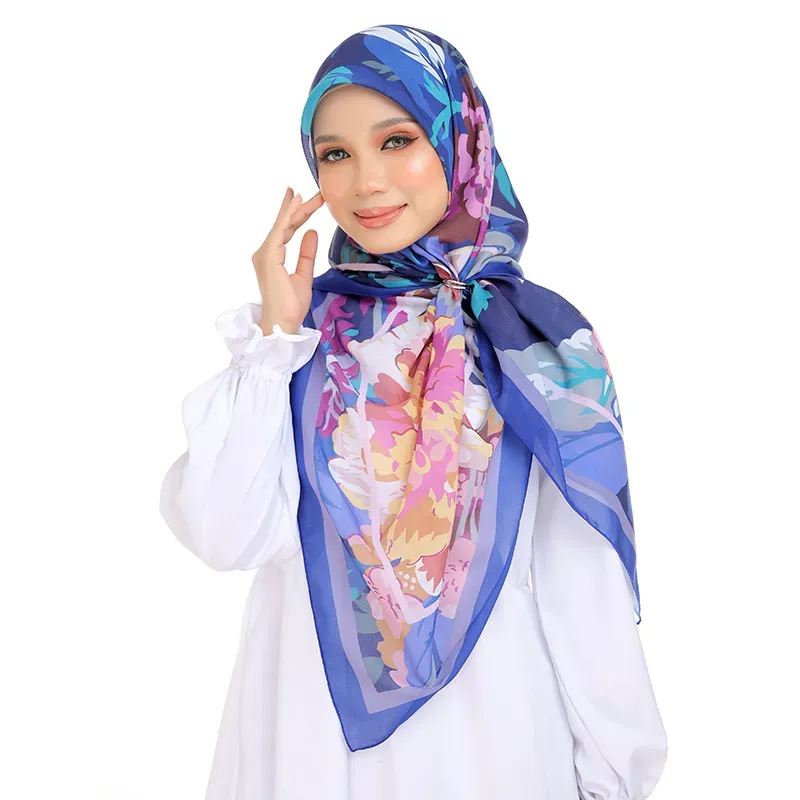
The Importance of Fabric in Islamic Modesty
In Islam, modesty is not only about covering the body but also about choosing clothing that is comfortable, dignified, and appropriate for daily life. The fabric used in garments such as hijabs and abayas must meet practical needs while aligning with cultural expectations. This is where tissu en voile de coton becomes especially significant.
Cotton voile is known for its soft, lightweight, and breathable qualities. These characteristics make it ideal for Muslim women who wear headscarves or layered clothing throughout the day. In hot and humid regions such as Southeast Asia, the Middle East, and parts of Africa, breathable fabrics are essential for maintaining comfort while observing modest dress codes.
Different variations of voile fabric cater to diverse preferences. For instance, cotton paris voile is often associated with a smoother finish and refined texture, making it suitable for elegant occasions. Meanwhile, cotton swiss voile fabric is valued for its durability and slightly crisper feel, offering structure while remaining light.
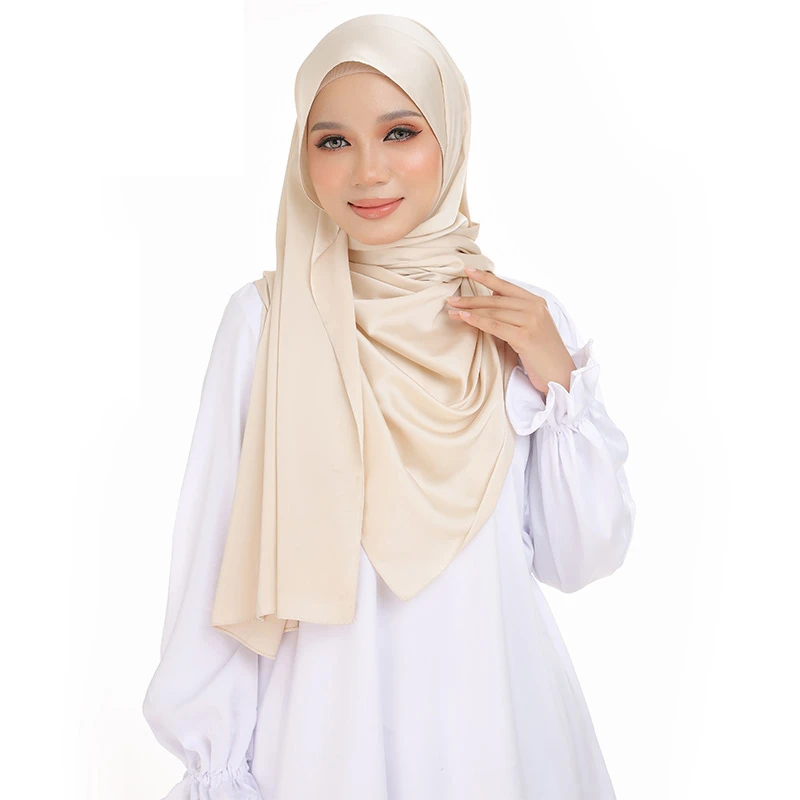
The blending of fibers in cotton silk voile fabric introduces an added level of luxury. By combining the breathability of cotton with the smoothness of silk, this fabric provides both comfort and sophistication. For many Muslim women, such fabrics allow them to fulfill modesty requirements while also expressing personal style.
Everyday Use in Hijabs and Modest Fashion
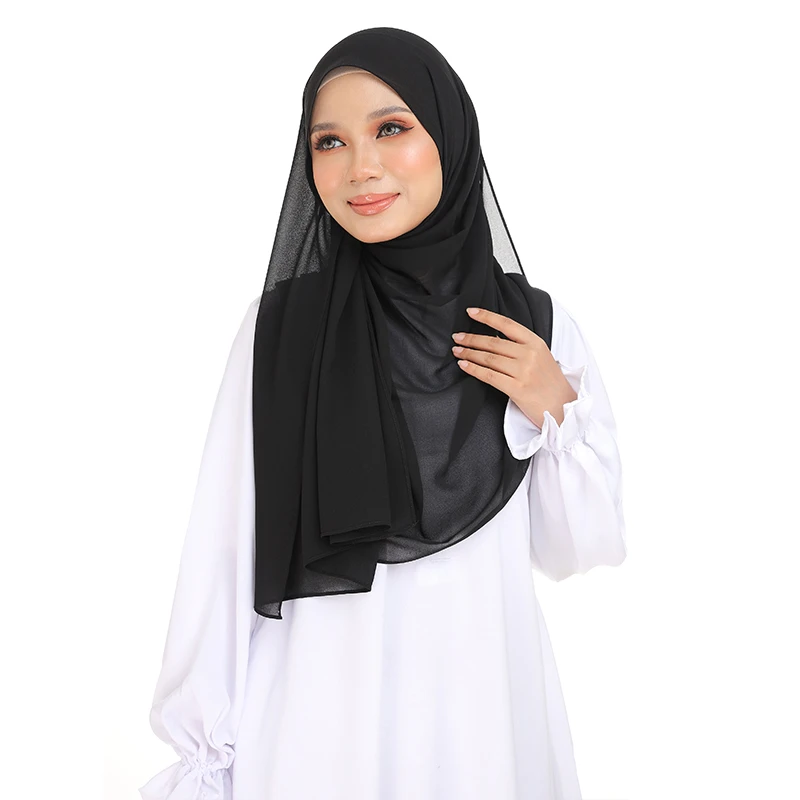
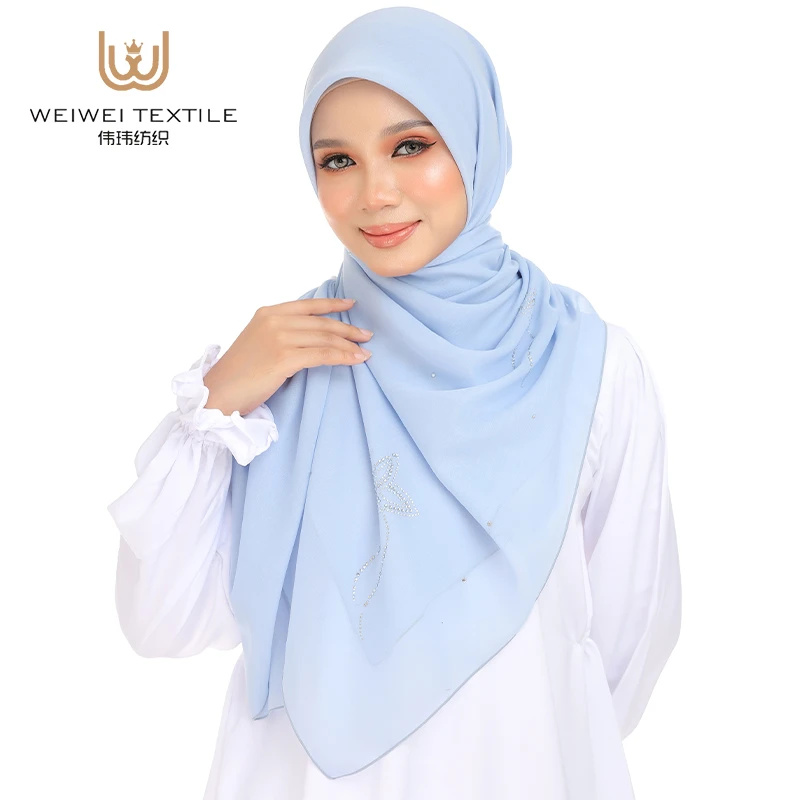
In daily life, Muslim women rely on versatile and practical fabrics for their clothing. The popularity of cotton voile in hijabs is largely due to its ease of use. It is lightweight enough to drape naturally, yet strong enough to hold its shape when styled.
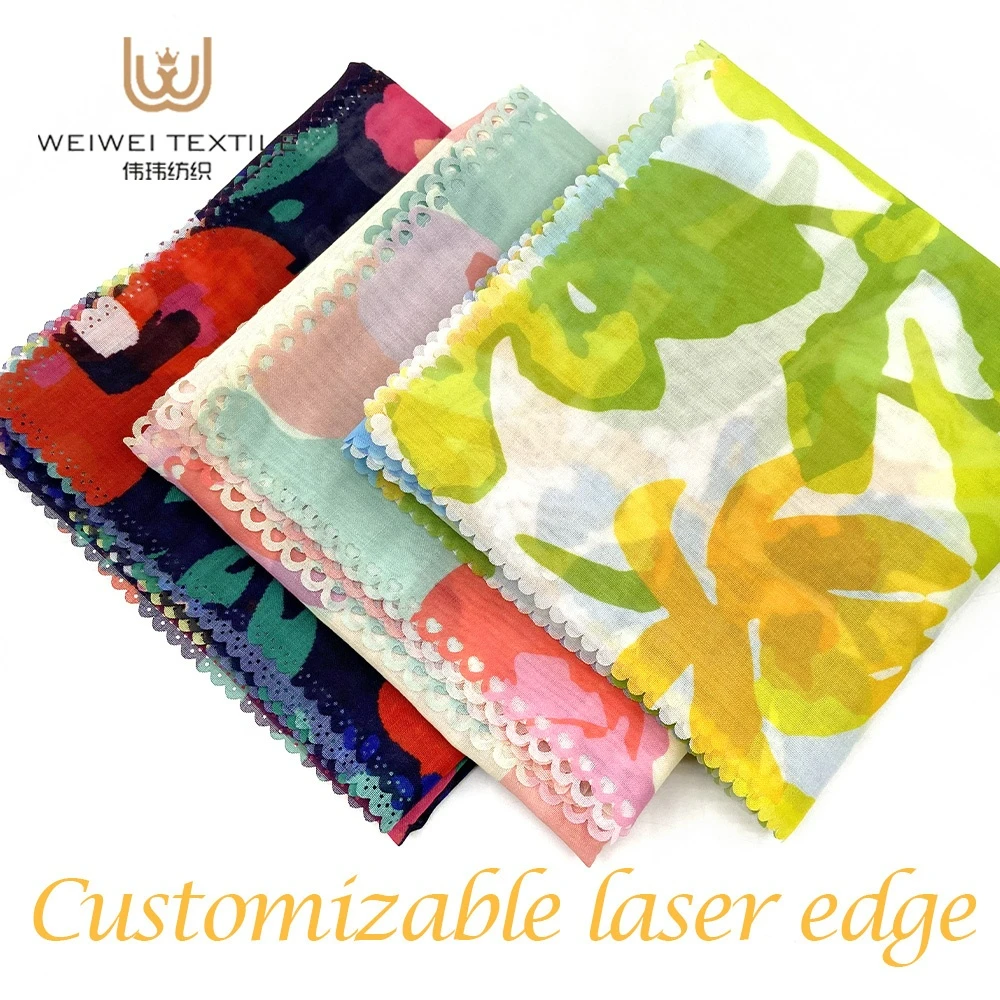
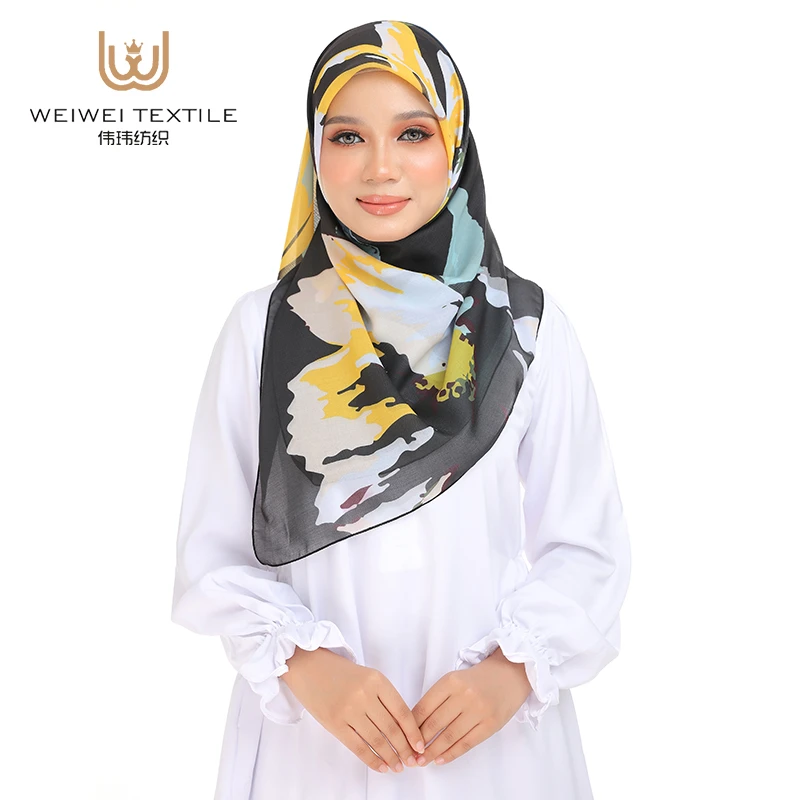
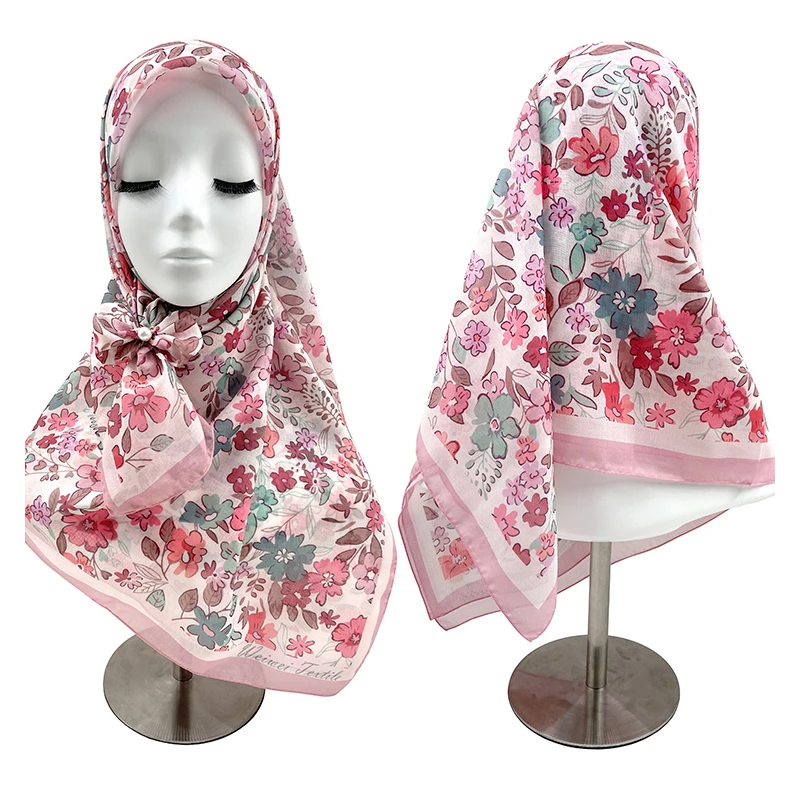
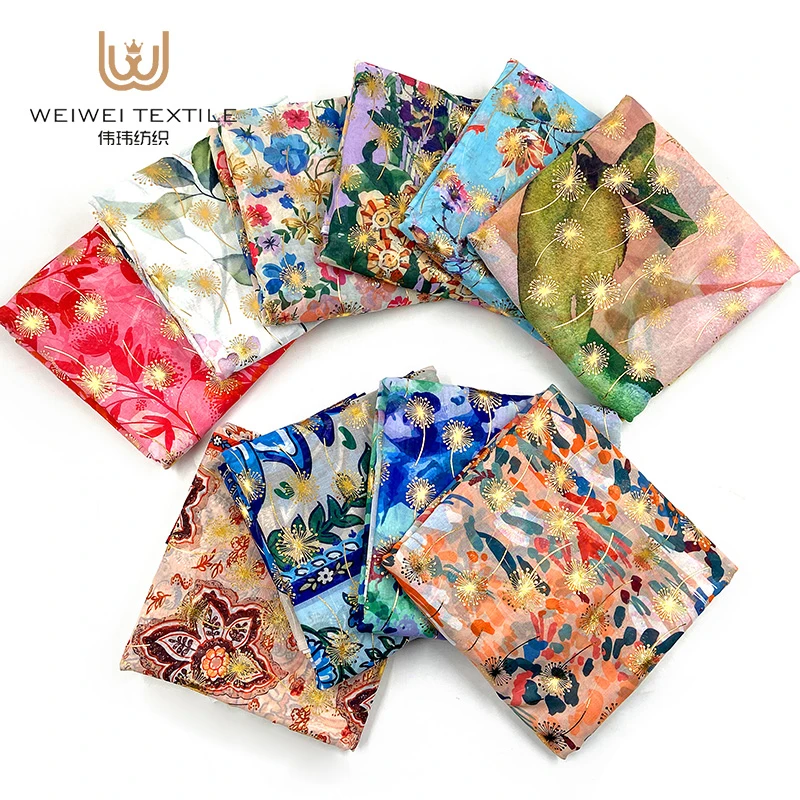
One of the key advantages of cotton voile printed designs is their ability to add personality to modest outfits. Printed patterns—such as florals, geometric shapes, or abstract motifs—allow women to coordinate their hijabs with different outfits while maintaining a modest appearance. This reflects a broader trend in Muslim fashion, where creativity and individuality are increasingly embraced.
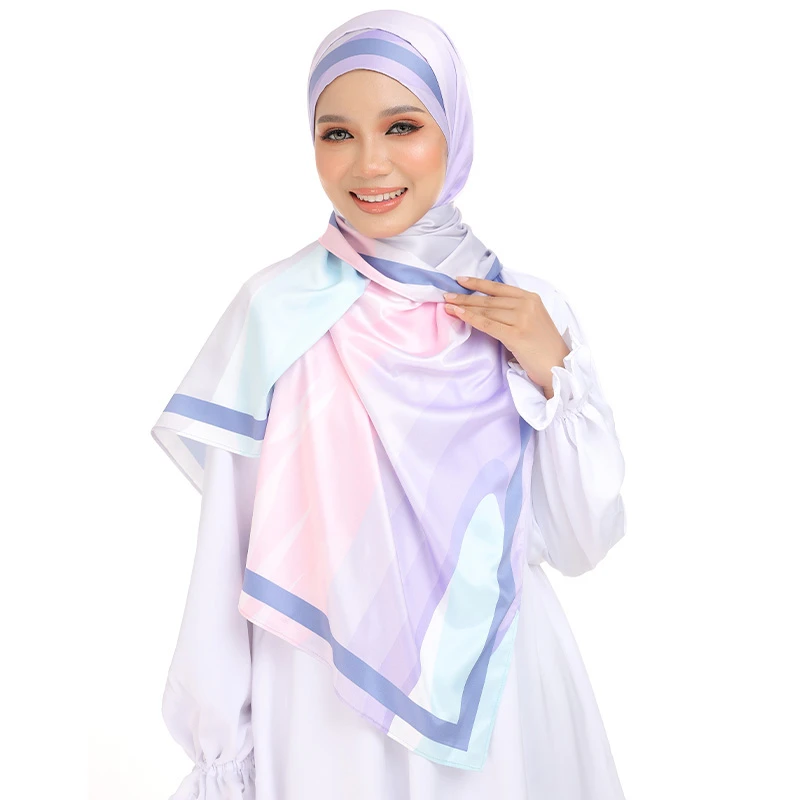
The use of cotton silk voile fabric is particularly common for special occasions such as weddings, religious celebrations, and family gatherings. Its slightly glossy finish gives a more polished look, making it suitable for formal settings.
At the same time, cotton swiss voile fabric is often chosen for everyday wear due to its balance between softness and structure. It is less slippery than silk-based fabrics, making it easier to manage throughout the day.
For many women, selecting the right tissu en voile de coton is part of their daily routine. Factors such as weather, occasion, and outfit coordination all influence their choice. This highlights how fabric is not just a functional element but also an integral part of personal expression within the framework of modesty.
Market Trends and Accessibility
As modest fashion continues to grow globally, the demand for high-quality voile fabrics has increased significantly. Consumers are becoming more aware of fabric types, leading to a rise in interest in specific categories such as cotton paris voile, cotton silk voile fabric, et cotton swiss voile fabric.
The affordability and accessibility of these materials are often influenced by cotton voile price, which can vary depending on quality, origin, and production methods. For example, premium cotton silk voile fabric tends to be more expensive due to the inclusion of silk fibers, while standard cotton voile remains a cost-effective option for everyday use.
Retailers and wholesalers have responded to this demand by offering a wide range of products, including cotton voile printed collections that cater to different tastes and cultural preferences. Online platforms have further expanded access, allowing customers from various regions to purchase fabrics that were once limited to specific markets.
In addition, sustainability and ethical production are becoming increasingly important considerations. Many consumers now seek fabrics that are not only comfortable and beautiful but also responsibly produced. This shift is influencing how manufacturers approach the production of tissu en voile de coton, encouraging more environmentally friendly practices.
The versatility of voile fabrics also contributes to their popularity. Beyond hijabs, they are used in dresses, tunics, and layering pieces, making them a staple in modest wardrobes. This adaptability ensures that cotton voile remains relevant in both traditional and modern contexts.
In conclusion, voile fabrics—particularly cotton voile, cotton paris voile, cotton silk voile fabric, et cotton swiss voile fabric—play a vital role in the modest clothing traditions of Muslim communities. Their lightweight, breathable nature makes them ideal for daily wear, while their versatility allows for both simplicity and elegance.
From the practical benefits of tissu en voile de coton to the aesthetic appeal of cotton voile printed designs, these fabrics support the balance between faith and fashion. As awareness of cotton voile price and quality continues to grow, consumers are better equipped to make informed choices that reflect their values and lifestyle.
Ultimately, the use of voile fabric demonstrates how material selection can enhance the experience of modest dressing, allowing Muslim women to express their identity with comfort, dignity, and style.
-
Xinji Weiwei Textile Factory to Exhibit at the 139th Canton Fair
NewsApr.15,2026
-
Abaya Robe: Tradition, Elegance, and Daily Cultural Expression
NewsApr.15,2026
-
Satin Scarves and Hijabs: A Reflection of Tradition, Elegance, and Daily Practice
NewsApr.15,2026
-
Chiffon Scarf Hijab: A Blend of Tradition, Style, and Everyday Practice
NewsApr.15,2026
-
Exploring Hijab Fashion in Malaysia: Tradition, Style, and Daily Cultural Practice
NewsApr.15,2026
-
The Cultural Significance and Style of Voile Scarves and Shawls in Daily Muslim Wear
NewsApr.15,2026