Oct . 15, 2025 13:57 Retour à la liste
Enduring Faith: The Crucial Test of Silky Wrap Scarf Durability
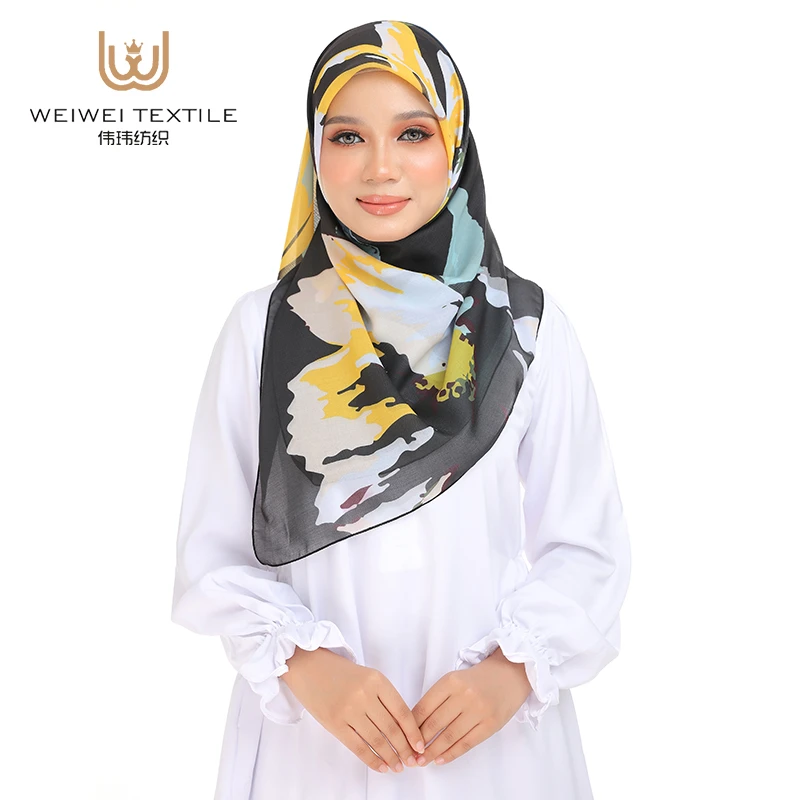
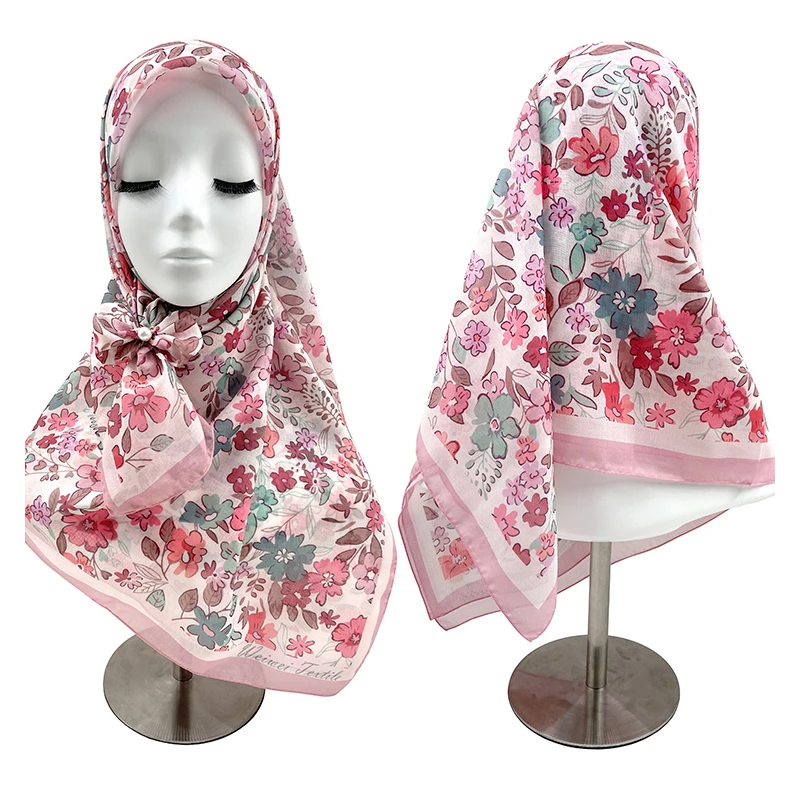
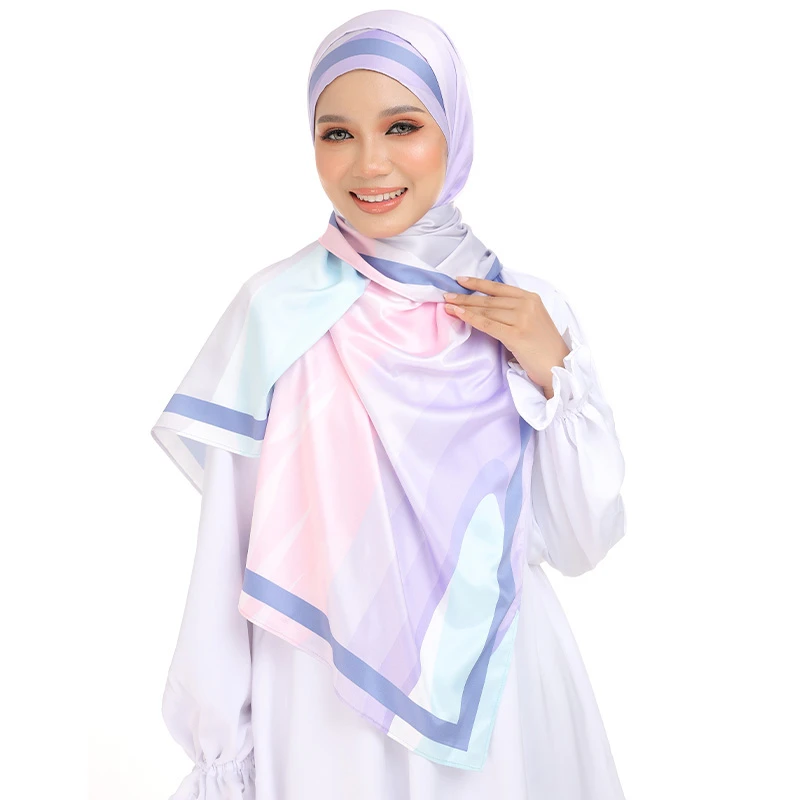
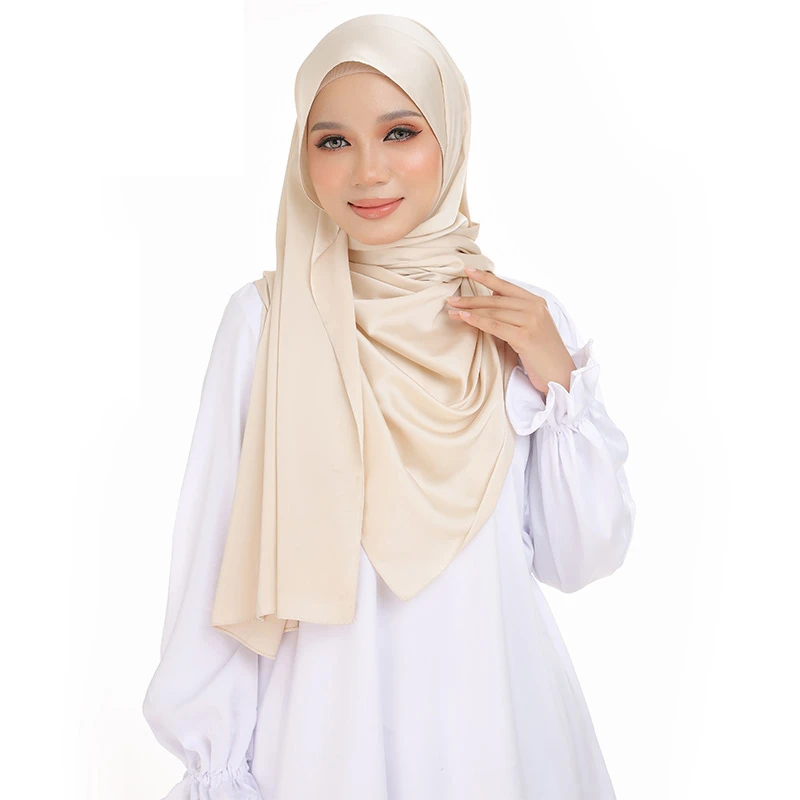
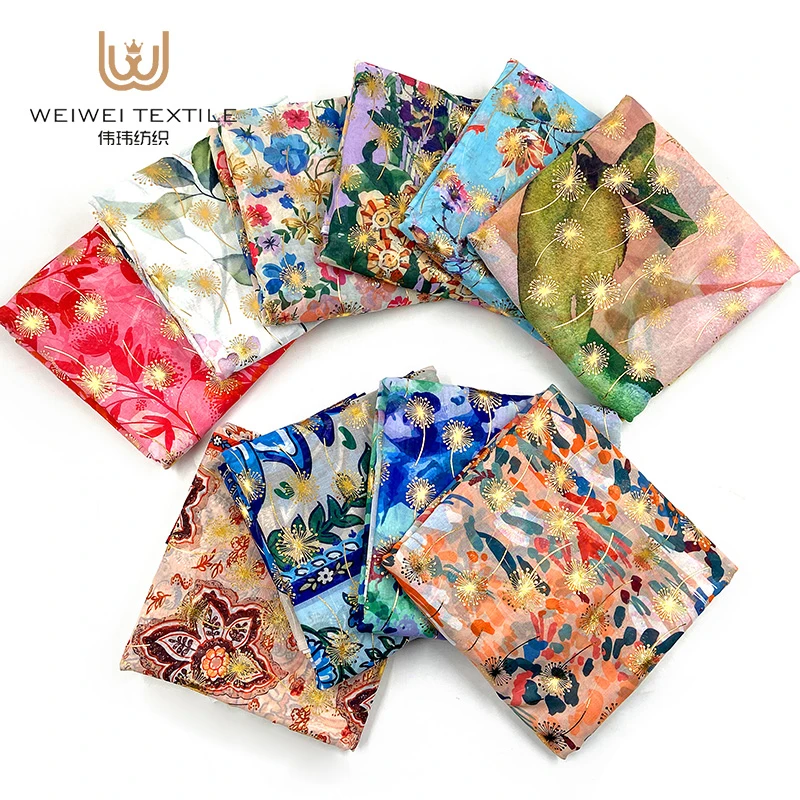
In the wholesale market for Islamic modest wear, a foulard en satin imprimé represents far more than aesthetic appeal—it embodies the daily intersection of faith, function, and cultural identity. Worn primarily as a head covering fulfilling religious obligations, these garments face extraordinary demands: frequent washing after ablutions, sun exposure during prayers, and the friction of daily activities. For wholesalers, ensuring the print durability of silk satin head scarf and synthetic écharpe enveloppante soyeuse options isn't just a quality control measure; it's a profound commitment to respecting the sacred, continuous use these garments serve. Failure means faded symbols of devotion, bleeding colors during prayer, and ultimately, broken trust within the communities that rely on them.
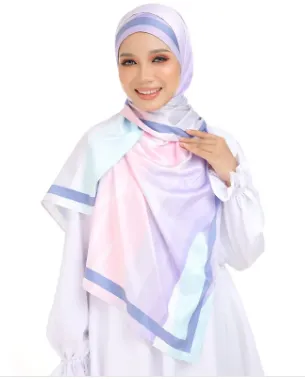
Why Print Durability is Non-Negotiable in Printed Satin Scarf Wear
Le foulard en satin imprimé functions as an essential element of Islamic practice, not a seasonal accessory. Its prints must withstand:
Sun Exposure: Prolonged wear outdoors, especially during prayer times, subjects prints to UV degradation.
Frequent Washing: Garments worn near the skin require regular laundering, demanding colorfastness through dozens of cycles.
For the wearer, print degradation isn't merely inconvenient; it compromises the dignified appearance integral to modest dress. Wholesalers must prioritize durability as a core tenet of ethical supply.
Rigorous Testing Protocols for Printed Satin Scarves
Effective satin scarf wholesale requires implementing factory-level and third-party testing:
Wudu Simulation Test: Submerge foulard en satin imprimé samples in water mimicking typical ablution pH for set intervals, then rub against white cotton fabric. Measure dye transfer. Premium suppliers guarantee negligible bleed.
Martindale Abrasion Test: Subject the écharpe enveloppante soyeuse to controlled friction cycles. Assess print integrity and fabric pilling after 10,000+ rotations, simulating months of wear.
Perspiration Resistance Test: Check print stability against alkaline sweat solutions, crucial for comfort in warm climates.
Sourcing & Specifying for Sd'abord Satin Head Scarf Longevity: Silk vs. Synthetic
Material choice fundamentally impacts print endurance:
Silk Satin Head Scarf: Silk fibers absorb dyes deeply, yielding vibrant, long-lasting prints. However, silk requires gentle care. Wholesalers should source silk satin head scarf items using reactive dyes specifically formulated for protein fibers, ensuring wash/wudu resistance. Higher momme weights (16+) enhance durability.
Synthetic Silky Wrap Scarf (Polyester Satin): Polyester offers inherent colorfastness and wrinkle resistance. Disperse dyes bond exceptionally well under high heat (thermosol process). Prioritize digitally printed options with post-treatment fixation for superior abrasion and wash resistance.
Post-Treatment: Steam fixation and chemical wash-offs are essential for removing excess dye and enhancing fastness.
Oeko-Tex Certification: Mandatory for ensuring dyes are skin-safe and free from harmful substances.
Building Wholesale Trust Through Printed Satin Scarf Transparency
Credibility in satin scarf wholesale hinges on demonstrable quality:
Demand Test Reports: Require suppliers to provide independent lab reports for lightfastness, wash fastness, rub fastness, and pH stability on every foulard en satin imprimé batch.
Batch Sampling: Implement pre-shipment AQL inspections specifically checking print integrity and color consistency across the bulk order.
Clear Care Labeling: Provide bulk buyers with accurate, culturally sensitive care instructions in Arabic/English/Urdu for distribution.
Ethical Dyehouse Audits: Partner with factories using advanced wastewater treatment, ensuring environmental responsibility aligns with Islamic stewardship principles.
MOQ Flexibility for Quality: Allow smaller MOQs for new print techniques or dye systems, enabling buyers to test durability before large commitments.
Frequently Asked Questions for Printed Satin Scarf Wholesale Buyers
How critical is wudu simulation testing for printed satin scarves?
It is essential. A foulard en satin imprimé faces water exposure multiple times daily. Testing ensures dyes won't bleed onto skin, undergarments, or clothing during ablution, preventing ritual impurity concerns and maintaining the garment's dignified appearance.
Does a silk satin head scarf require different durability testing than polyester?
Yes. Silk satin head scarf testing must focus on protein-fiber compatible dyes (reactive/acid) and gentler wash protocols. Prioritize tests for dye migration in water and pH sensitivity. Polyester écharpe enveloppante soyeuse testing emphasizes thermosol fixation integrity and abrasion resistance.
What lightfastness rating should wholesalers demand for printed satin scarves?
Minimum Grey Scale Rating 4 for standard items. Aim for Rating 4-5 (Very Good to Excellent) for silk satin head scarf and premium foulard en satin imprimé lines, especially in lighter colors or regions with intense sun exposure.
Can intricate printed satin scarf achieve the same durability as solid colors?
With modern digital printing and proper dye fixation, yes. However, very fine details or light colors on dark grounds require meticulous process control. Request sample testing for complex designs before bulk satin scarf wholesale orders.
How do wholesalers balance printed satin scarf vibrancy with longevity?
Source from mills using high-quality, concentrated dyes and advanced fixation techniques. Deep, saturated colors often bond better. Avoid vendors prioritizing initial "pop" over fastness. Transparency via test reports is key for the écharpe enveloppante soyeuse market.
For the Muslim woman, the foulard en satin imprimé adorning her head is a constant companion in devotion—a symbol that should endure as steadfastly as her faith. In satin scarf wholesale, prioritizing print durability transcends commerce; it becomes an act of profound respect. By enforcing rigorous testing protocols, demanding transparency, and sourcing ethically, wholesalers ensure that every vibrant bloom on a silk satin head scarf, every intricate pattern on a écharpe enveloppante soyeuse, remains a testament to enduring beauty and unwavering dignity, wash after wash, prayer after prayer, season after season. This commitment cedes not just market share, but sacred trust within the global Ummah.
-
Xinji Weiwei Textile Factory to Exhibit at the 139th Canton Fair
NewsApr.15,2026
-
Abaya Robe: Tradition, Elegance, and Daily Cultural Expression
NewsApr.15,2026
-
Satin Scarves and Hijabs: A Reflection of Tradition, Elegance, and Daily Practice
NewsApr.15,2026
-
Chiffon Scarf Hijab: A Blend of Tradition, Style, and Everyday Practice
NewsApr.15,2026
-
Exploring Hijab Fashion in Malaysia: Tradition, Style, and Daily Cultural Practice
NewsApr.15,2026
-
The Cultural Significance and Style of Voile Scarves and Shawls in Daily Muslim Wear
NewsApr.15,2026