ሚያዝ . 15, 2026 17:44 ወደ ዝርዝር ተመለስ
Abaya Robe: Tradition, Elegance, and Daily Cultural Expression
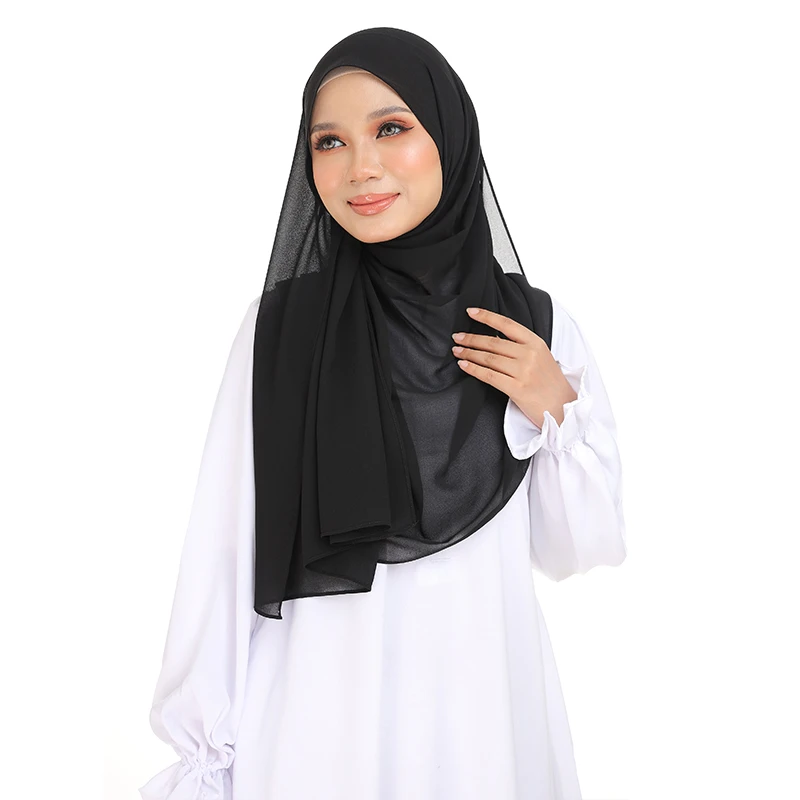
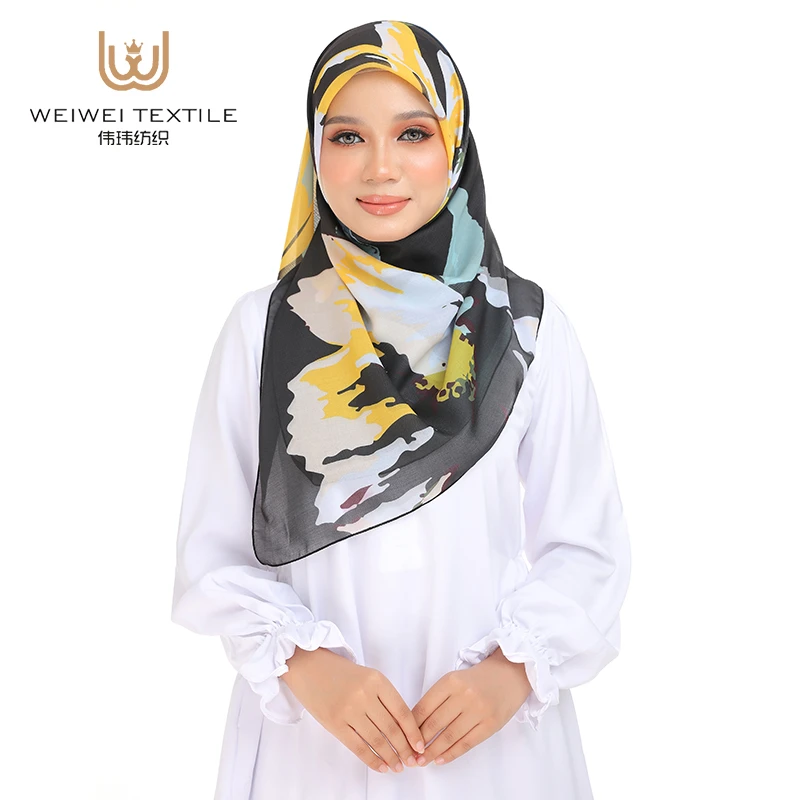
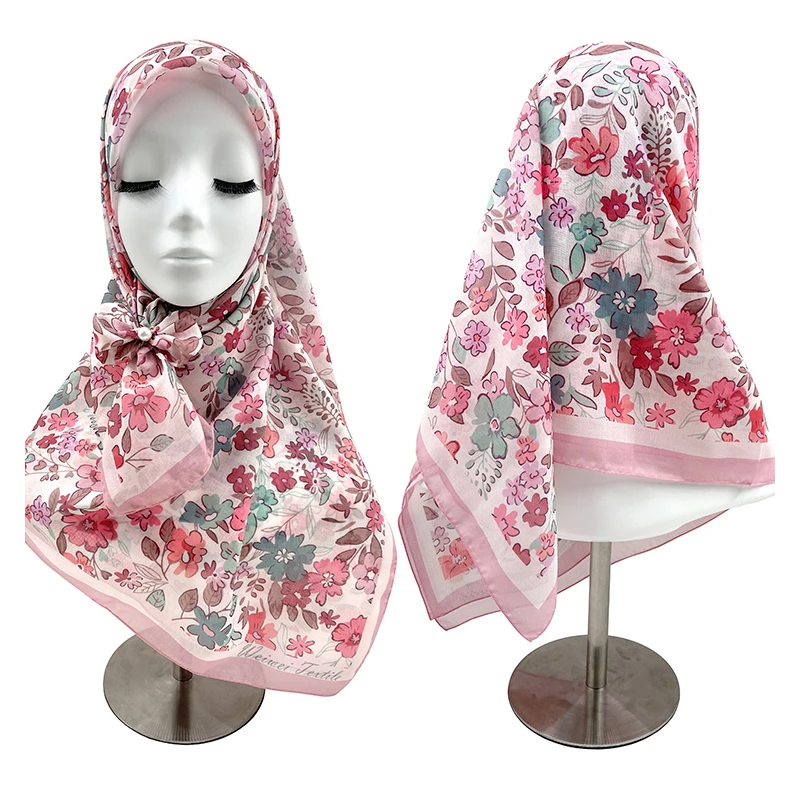
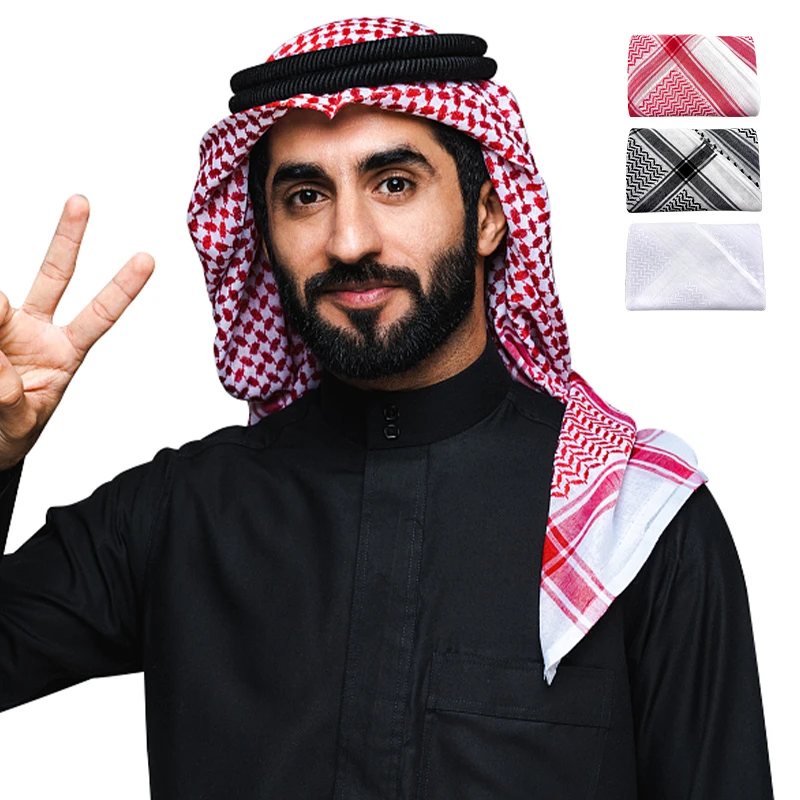
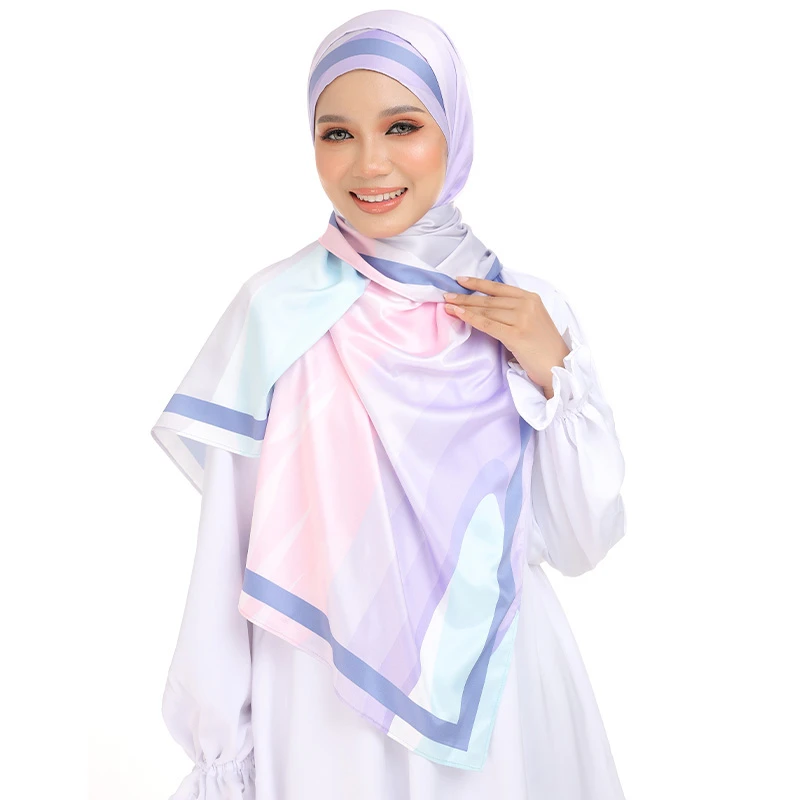
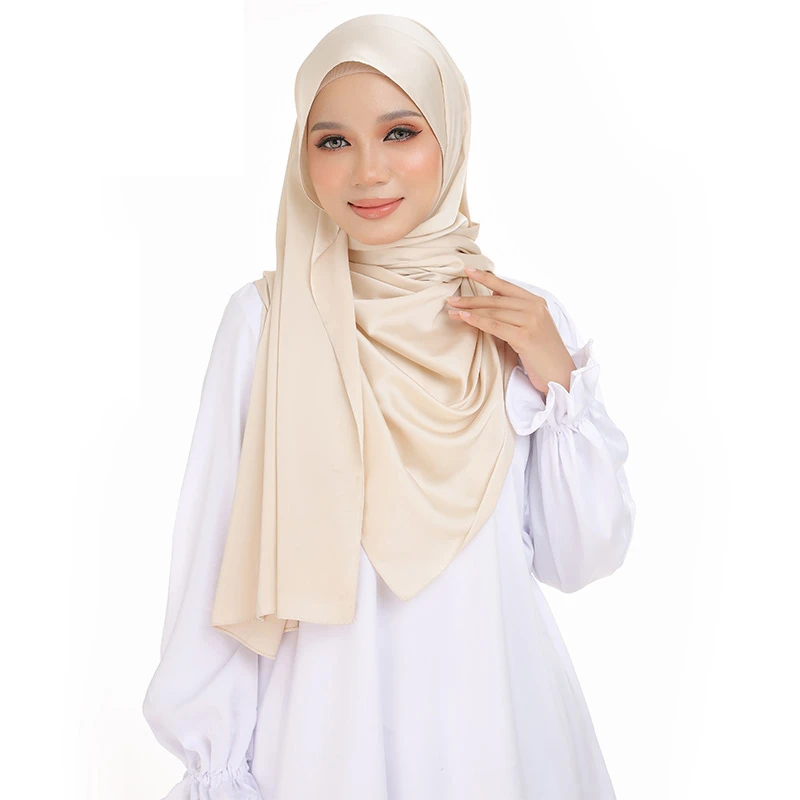
Clothing plays a vital role in expressing cultural identity, and in many Muslim communities, modest fashion is deeply connected to daily life and tradition. Among the most recognizable garments is the abaya robe, a flowing piece of clothing that reflects modesty, elegance, and cultural heritage. Alongside the practice of wearing an abaya, many Muslim women also cover their heads with scarves or hijabs as part of a long-standing custom practiced every day.
From simple daily wear to high-end fashion, styles such as robes abaya, luxury abaya, and black abaya have evolved to meet both traditional values and modern tastes. This article explores the cultural significance of abayas, the materials used in their creation, and how they are worn in everyday life.
The Cultural Meaning of the Abaya and Daily Head Covering
The abaya is more than just a garment—it is a symbol of modesty and identity in many Muslim societies. When combined with the daily practice of covering the head, it forms a complete expression of cultural and religious values.
A Daily Custom Rooted in Modesty
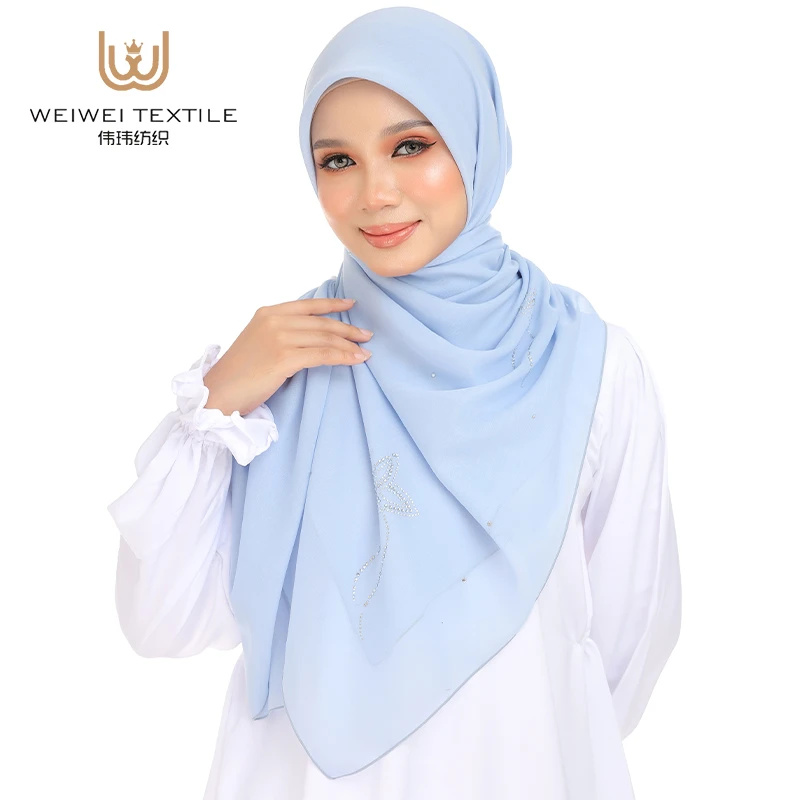
In many Muslim communities, women wear an abaya robe as part of their daily attire. This loose-fitting garment provides full-body coverage, aligning with the principles of modest dressing. At the same time, covering the head with a scarf or hijab is a common daily practice that complements the abaya.
This act of wrapping a scarf around the head is not merely a fashion choice—it is a deeply rooted custom that reflects respect, identity, and tradition. Whether at home, in public spaces, or at work, many women incorporate both the abaya and head covering into their everyday routine.
The simplicity of robes abaya makes them practical for daily use. They are easy to wear, comfortable, and suitable for various settings, from casual outings to formal gatherings.
Expression of Identity and Style
While the tradition of wearing an abaya remains consistent, modern fashion has introduced a wide range of styles and designs. Today, women can express their individuality through different types of abayas, including the elegant luxury abaya and the timeless black abaya.
A black abaya is the most classic and widely recognized style. Its simplicity and elegance make it a staple in many wardrobes. At the same time, designers have introduced variations with embroidery, embellishments, and unique cuts to create more personalized looks.
The evolution of abaya fashion allows women to balance tradition with modern aesthetics, creating outfits that reflect both cultural values and personal taste.
Types of Abayas and Fabric Choices
The design and material of an abaya play a crucial role in its comfort, appearance, and functionality. Understanding different styles and abaya fabrics helps in selecting the right garment.
Classic and Modern Abaya Styles
Traditional robes abaya are known for their loose and flowing design, providing maximum comfort and coverage. These styles are ideal for daily wear, especially in warm climates where breathable clothing is essential.
In contrast, luxury abaya designs often feature high-quality materials, intricate detailing, and tailored cuts. These abayas are typically worn for special occasions, such as weddings, celebrations, or formal events.
The black abaya remains the most popular choice due to its versatility. It can be styled in both simple and elaborate ways, making it suitable for a wide range of occasions.
Modern abayas may also include elements such as open fronts, layered fabrics, and decorative accents, offering more for styling.
Importance of Abaya Fabrics
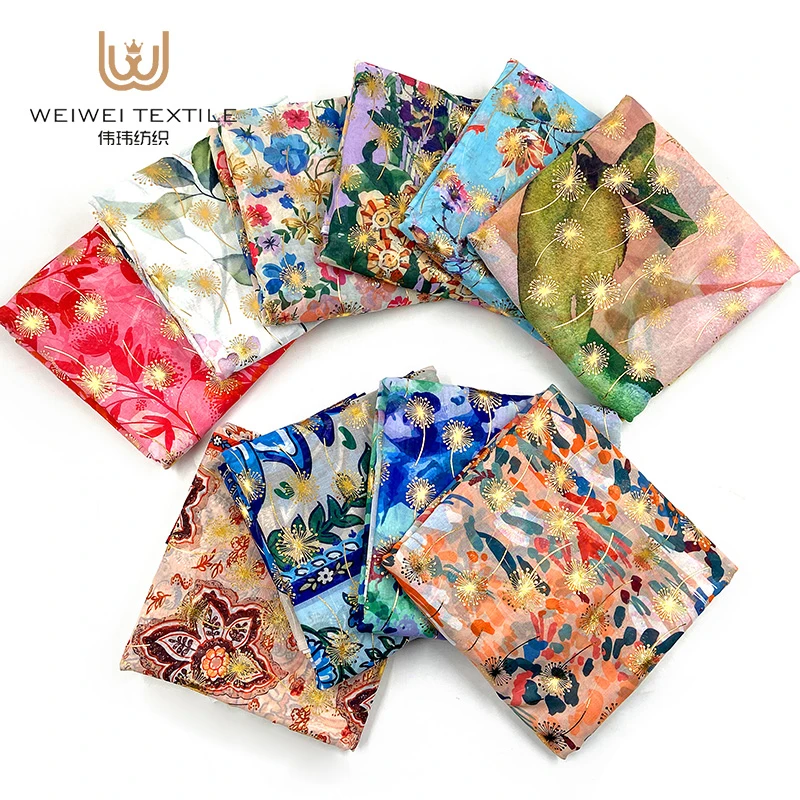
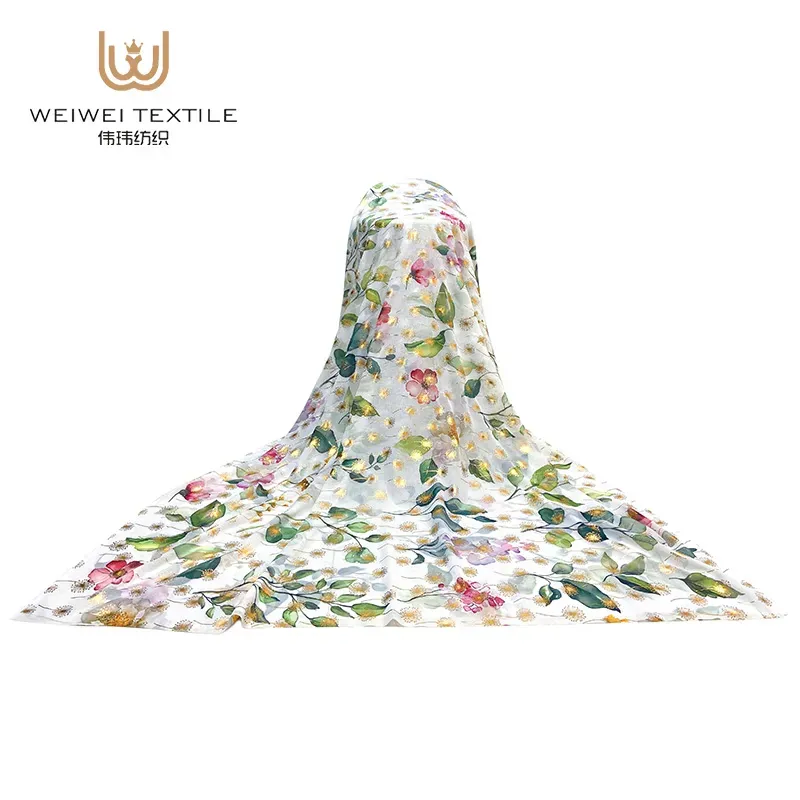
The choice of abaya fabrics significantly affects the overall experience of wearing the garment. Lightweight materials such as crepe, chiffon, and cotton blends are commonly used for everyday abayas, as they provide comfort and breathability.
For more formal designs, fabrics like silk and satin are often used to create a luxurious appearance. These materials add elegance and sophistication, making them ideal for luxury abaya styles.
Durability is another important factor. High-quality fabrics ensure that the abaya maintains its shape and appearance over time, even with regular use.
Selecting the right fabric depends on factors such as climate, occasion, and personal preference, allowing women to choose options that best suit their needs.
Practical Benefits and Styling of Abayas
Beyond their cultural significance, abayas offer practical advantages that make them an essential part of daily life.
Comfort and Ease of Wear
One of the main benefits of an abaya robe is its comfort. The loose-fitting design allows for ease of movement, making it suitable for long hours of wear.
Paired with the daily practice of head covering, the abaya provides a complete and practical outfit that requires minimal effort to put together. This simplicity is especially valuable for busy lifestyles.
The breathable nature of many abaya fabrics ensures that the garment remains comfortable even in warm weather conditions.
Versatility for Different Occasions
Abayas are highly versatile and can be styled for various occasions. A simple black abaya is perfect for everyday wear, while a luxury abaya can be chosen for more formal events.
Accessories such as belts, handbags, and scarves can be added to enhance the overall look. The head covering, which is a daily custom, can also be styled in different ways to complement the abaya.
This adaptability allows women to create multiple outfits using a single garment, making the abaya a practical and economical choice.
Balancing Tradition and Modern Fashion
The modern fashion industry has embraced the abaya, introducing new designs that appeal to younger generations while respecting traditional values. Contemporary robes abaya combine classic elements with innovative features, creating a fusion of old and new.
Despite these changes, the core purpose of the abaya remains the same—to provide modest coverage and reflect cultural identity. The daily practice of covering the head continues to complement the abaya, maintaining its cultural significance.
The abaya robe is a timeless garment that represents modesty, elegance, and cultural heritage in Muslim communities. Alongside the daily custom of covering the head, it forms an essential part of everyday life.
From traditional robes abaya to modern luxury abaya designs, and the enduring appeal of the black abaya, this garment continues to evolve while preserving its cultural roots. The use of different abaya fabrics further enhances its comfort and versatility.
Ultimately, the abaya is more than just clothing—it is a reflection of identity and tradition. Combined with the daily practice of wrapping a scarf around the head, it remains a meaningful and enduring expression of cultural values in both traditional and modern contexts.
-
Xinji Weiwei Textile Factory to Exhibit at the 139th Canton Fair
ዜናApr.15,2026
-
Satin Scarves and Hijabs: A Reflection of Tradition, Elegance, and Daily Practice
ዜናApr.15,2026
-
Chiffon Scarf Hijab: A Blend of Tradition, Style, and Everyday Practice
ዜናApr.15,2026
-
Exploring Hijab Fashion in Malaysia: Tradition, Style, and Daily Cultural Practice
ዜናApr.15,2026
-
The Cultural Significance and Style of Voile Scarves and Shawls in Daily Muslim Wear
ዜናApr.15,2026