Oct . 10, 2025 13:35 Back to list
Why 115115cm Tudung Bawal For Malaysian Women—Ironless?
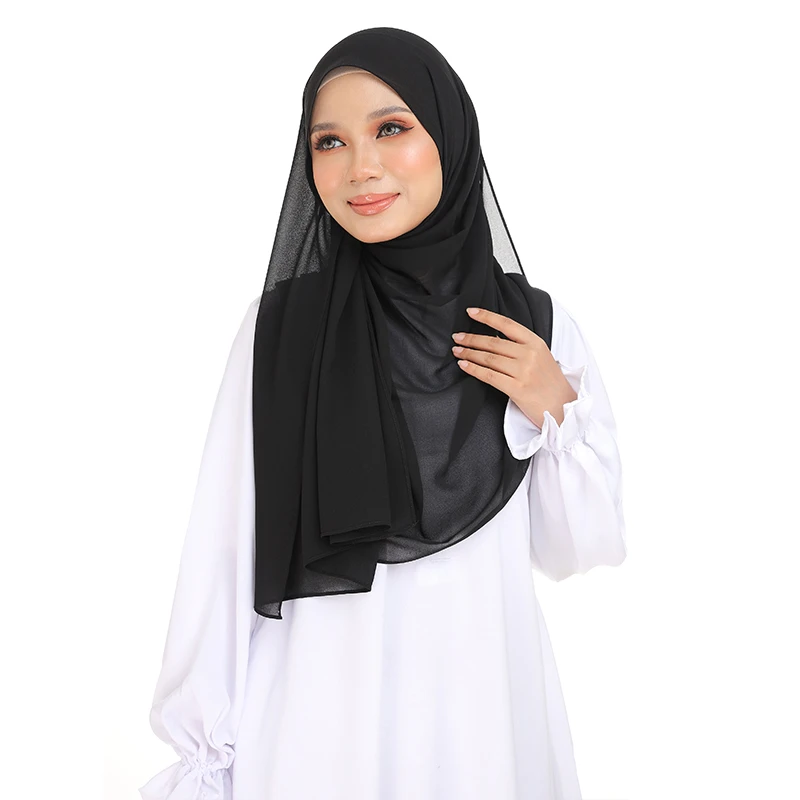
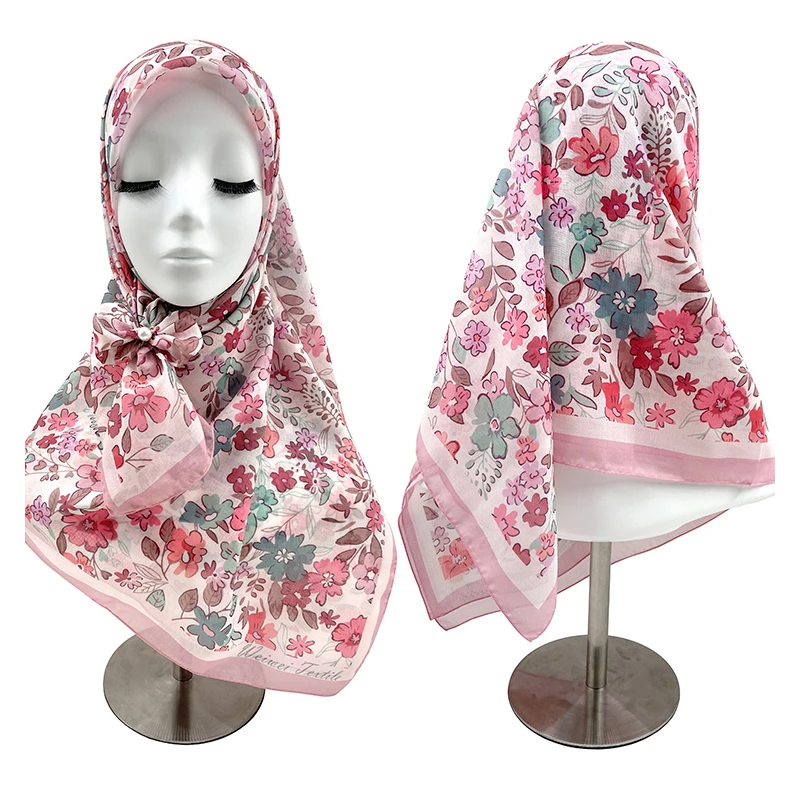
Malaysia’s go-to bawal, now smarter: a field note on the 115115cm Tudung Bawal For Malaysian Women
I’ve been covering modest-fashion sourcing for a while, and—no exaggeration—the conversation in Kuala Lumpur pop-ups and Johor boutiques keeps circling back to bigger, breathable scarves with cleaner prints. This one ships from 12th Floor Xinyuanlijing Building, Jiaoyu Road, Xinji city, Hebei, China, and, to be honest, the finishing has gotten noticeably better season over season.
What’s trending and why 115 cm matters
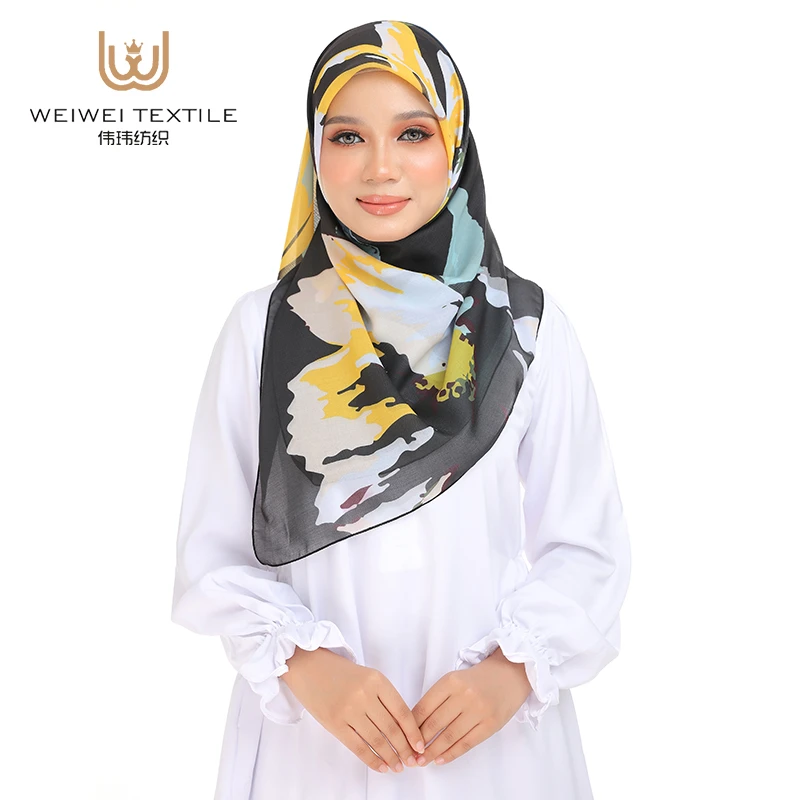
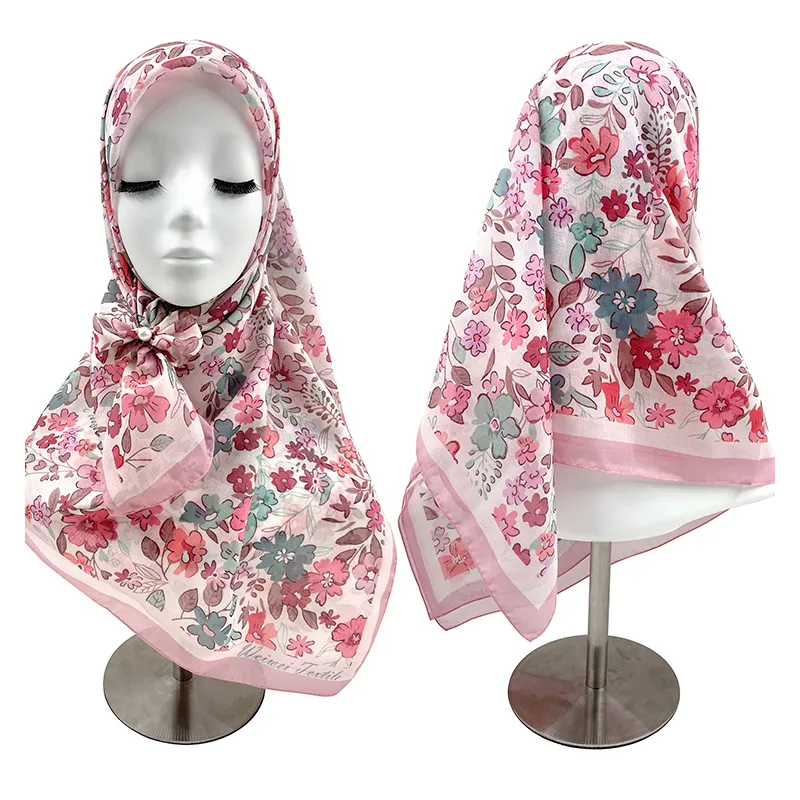
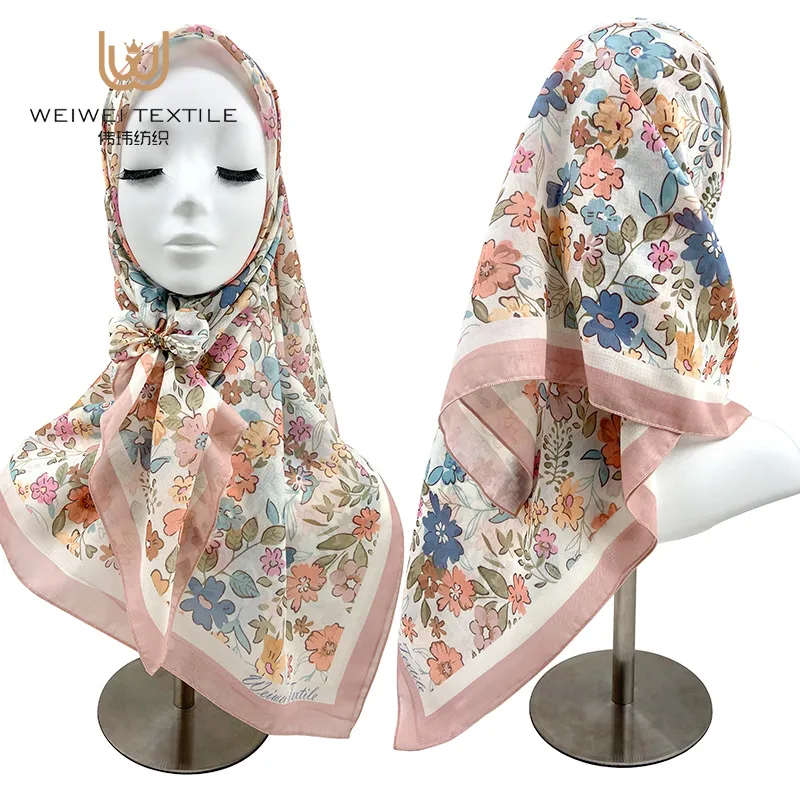
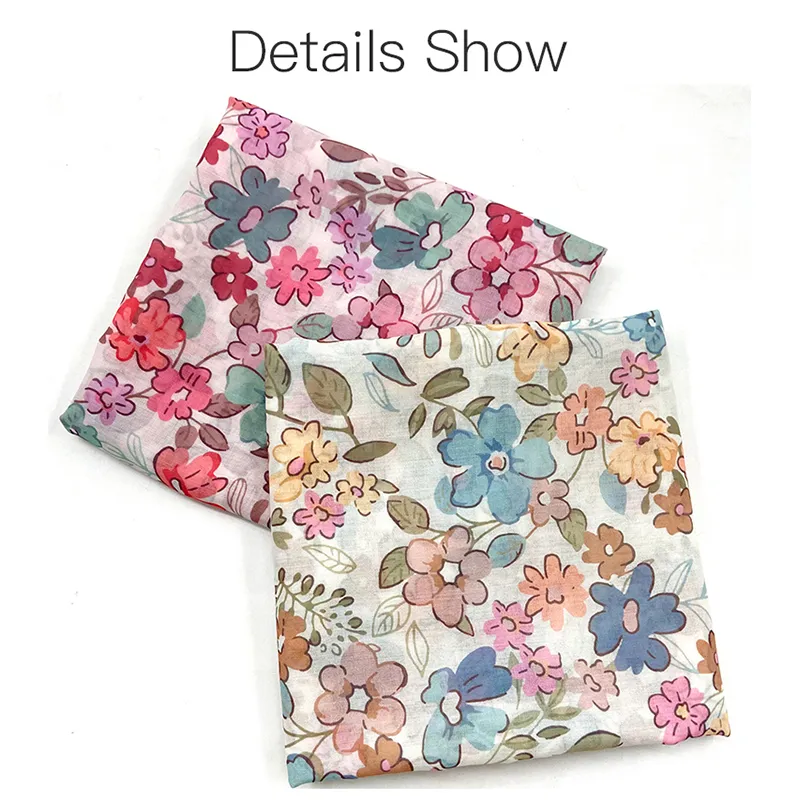
In Malaysia’s humidity, cotton voile still rules because it breathes, drapes, and doesn’t cling. The 115×115 cm cut adds coverage without fuss—pin once, done. Retail buyers tell me customers want prints that pop on camera yet read elegant in daylight. Digital reactive printing is basically the secret sauce here—edges stay crisp, colors don’t wash out after laundry day (I’ll get to test data).
Quick spec sheet
| Fabric | Premium cotton voile, ≈70–80 gsm |
| Size | 115 × 115 cm (hand-measured; ≈±1 cm) |
| Printing | Digital reactive; Pantone near-match (ΔE ≈ ≤2.0) |
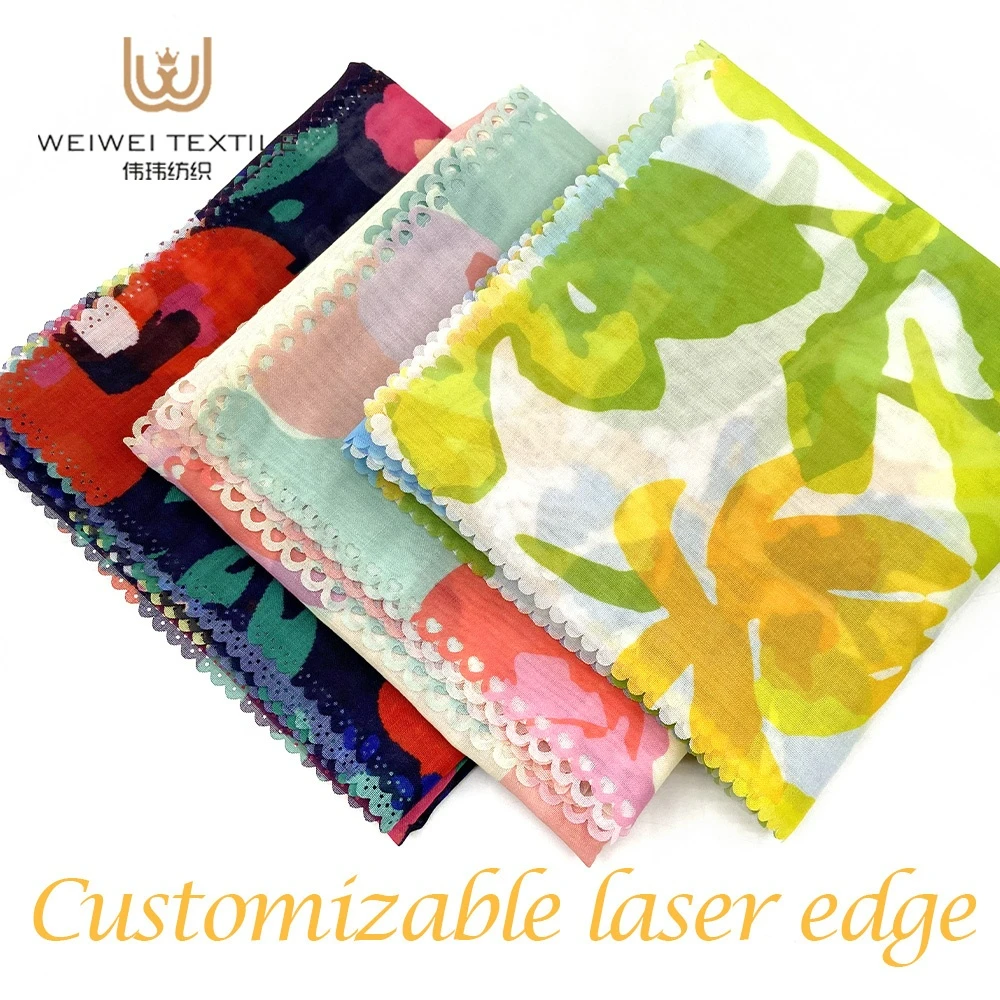
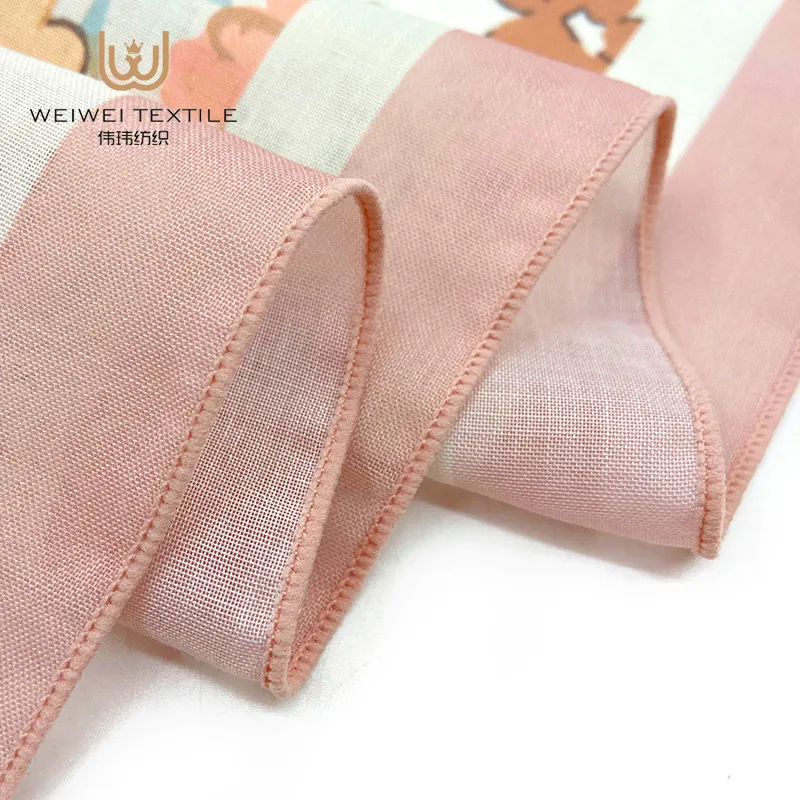
| Hemming | Rolled/baby hem ≈3 mm |
| Colorfastness | Wash 4–5, Rubbing 4 (ISO 105) |
| Shrinkage | ≤2% after 3 cycles (ISO 6330) |
| Service life | ≈18–24 months in weekly rotation (real-world may vary) |
From yarn to shawl: process and testing
Materials: long-staple cotton, combed; the voile weave keeps it airy. Methods: pre-treatment, reactive digital print, steam fixation, thorough wash-off, softener, then roll-hem. Tests I’ve seen: ISO 105-C06 (domestic wash), ISO 105-X12 (rubbing), ISO 6330 (dimensional stability). AATCC 8 for color transfer pops up in some lab sheets too. Results? Many batches hit Wash 4–5, Dry/Wet rub 4/3–4. Pilling is typically Grade 4 after Martindale—respectable.
Certifications and compliance: OEKO-TEX Standard 100 on fabric lots is commonly cited; AZO-free dyes and REACH-conscious chemistries are part of the pitch. If you’re supplying uniforms or corporate gifts, ask for current reports—don’t be shy.
Use cases and feedback from the ground
- Daily office wear: breathable, stays neat through meetings.
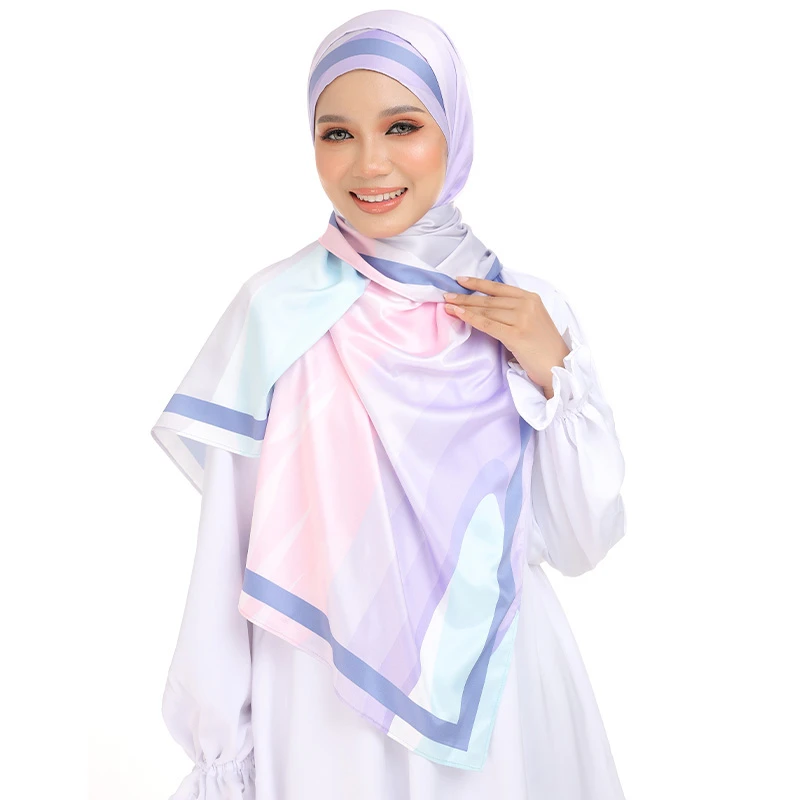
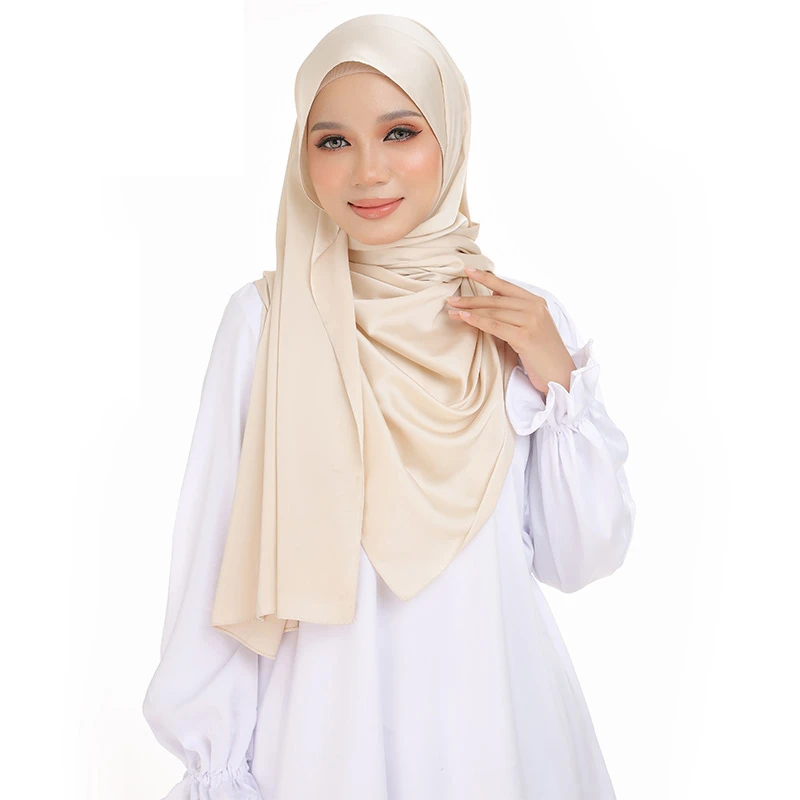
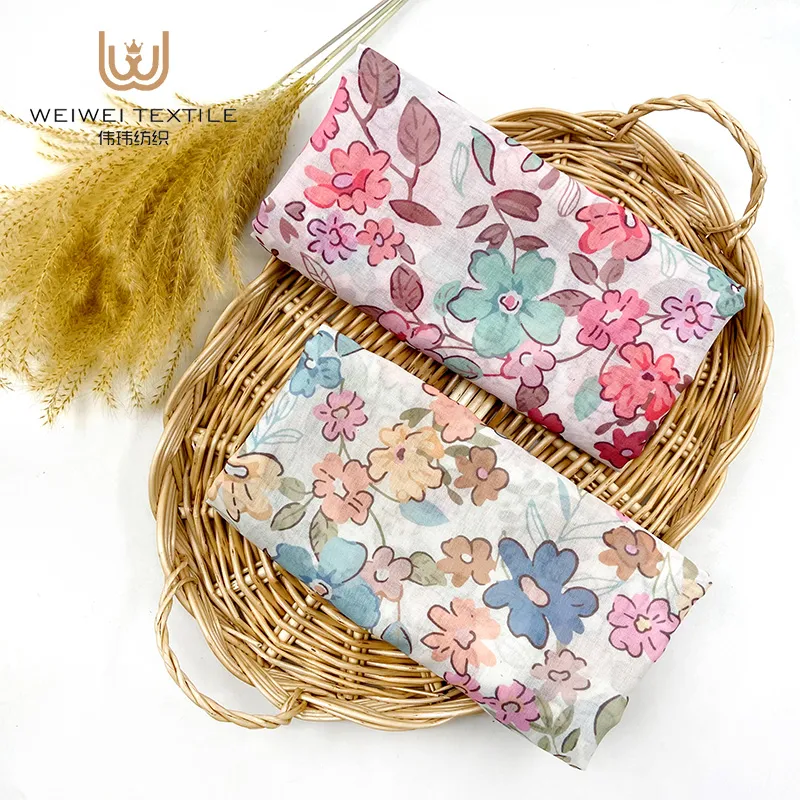
- Weddings/Raya: prints read premium in photos; minimal slipping with one magnet.
- Retail bundles: event merch, corporate gifts, subscription boxes.
A Shah Alam reseller told me her customers liked the drape and the “not-too-sheer” balance. Another boutique in JB said the larger size reduced returns from first-time hijabers—less fiddling, more confidence.
Customization playbook
Typical MOQ starts around 100–300 pcs per color. Lead time: ≈12–18 days after artwork, faster for repeats. Options: Pantone matching, branded woven labels, satin boxes, hangtags, even QR care cards. For prints with micro text or fine batik motifs, reactive is your friend—pigment can look duller, though it’s okay for budget runs.
Vendor snapshot (what buyers compare)
| Vendor | MOQ | Lead Time | Customization | Certs/QA | Price Band |
|---|---|---|---|---|---|
| WWScarf (factory-direct) | 100–300 | 12–18 days | Print, size, label, box | OEKO-TEX fabric; lab tests on request | Low–Mid |
| Local boutique wholesaler | 50–100 | Ready stock / 3–7 days | Limited colors/prints | Basic QC | Mid–High |
| Marketplace aggregator | Varies | 7–20 days | Artwork only | Mixed | Low–Mid |
Care, longevity, and real-world notes
Cold wash, mild detergent, no bleach. Line dry. Light steam for wrinkles. With weekly wear, 115115cm Tudung Bawal For Malaysian Women typically lasts 18–24 months before edge fuzz appears. For retail, rotate colorways quarterly; prints keep sell-through fresh.
References
- OEKO-TEX Standard 100 – https://www.oeko-tex.com
- ISO 105 Color fastness series – https://www.iso.org/standard/iso-105.html
- AATCC TM61/8 Colorfastness tests – https://www.aatcc.org/
- ECHA REACH guidance – https://echa.europa.eu/regulations/reach
-
Xinji Weiwei Textile Factory to Exhibit at the 139th Canton Fair
NewsApr.15,2026
-
Abaya Robe: Tradition, Elegance, and Daily Cultural Expression
NewsApr.15,2026
-
Satin Scarves and Hijabs: A Reflection of Tradition, Elegance, and Daily Practice
NewsApr.15,2026
-
Chiffon Scarf Hijab: A Blend of Tradition, Style, and Everyday Practice
NewsApr.15,2026
-
Exploring Hijab Fashion in Malaysia: Tradition, Style, and Daily Cultural Practice
NewsApr.15,2026
-
The Cultural Significance and Style of Voile Scarves and Shawls in Daily Muslim Wear
NewsApr.15,2026