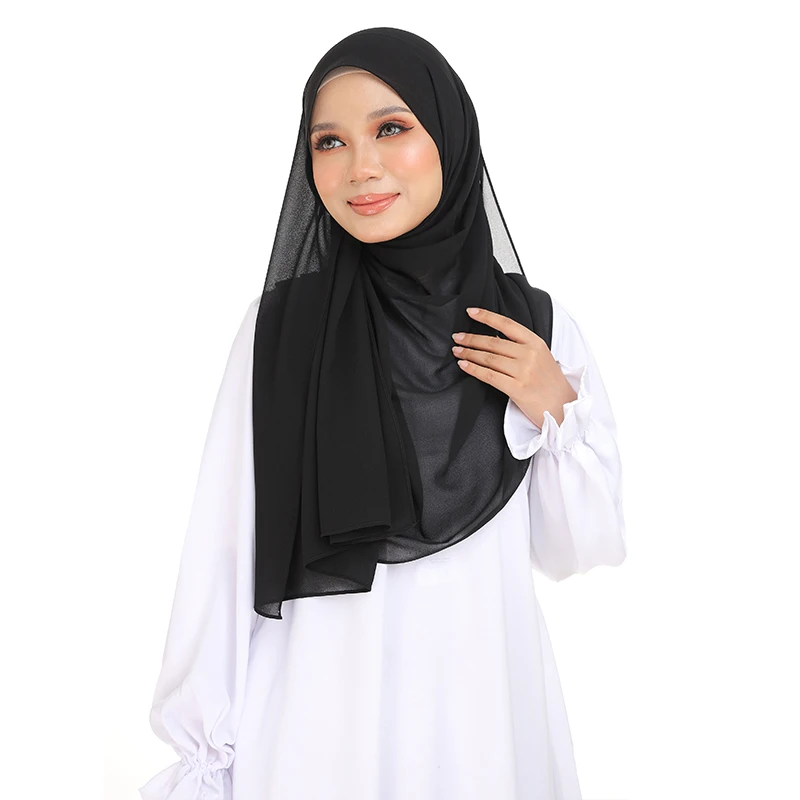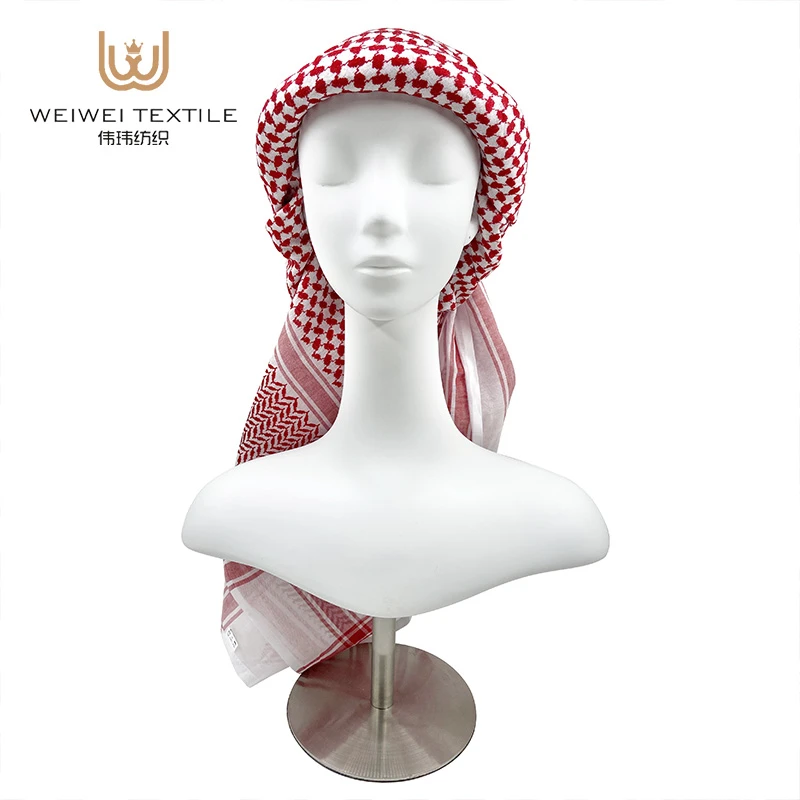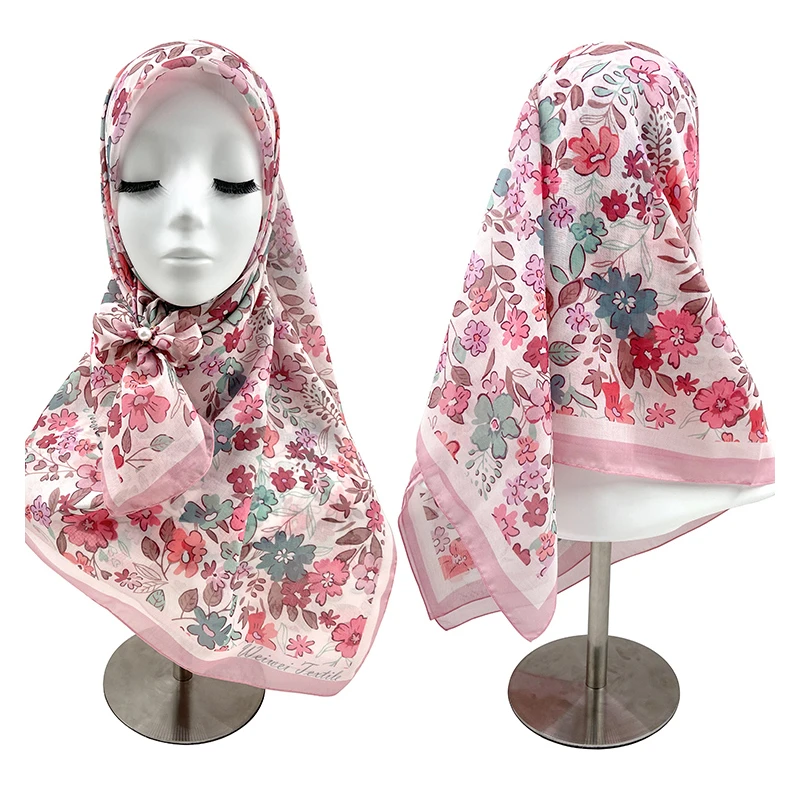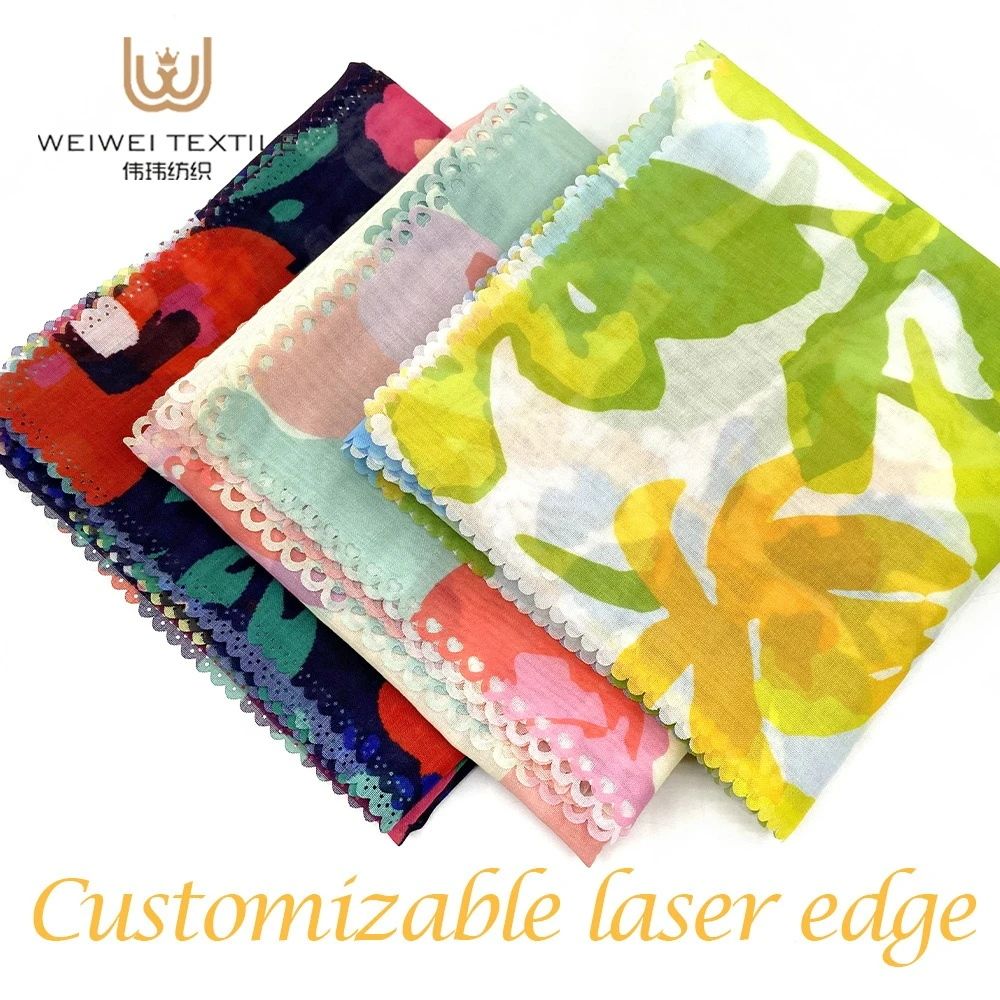
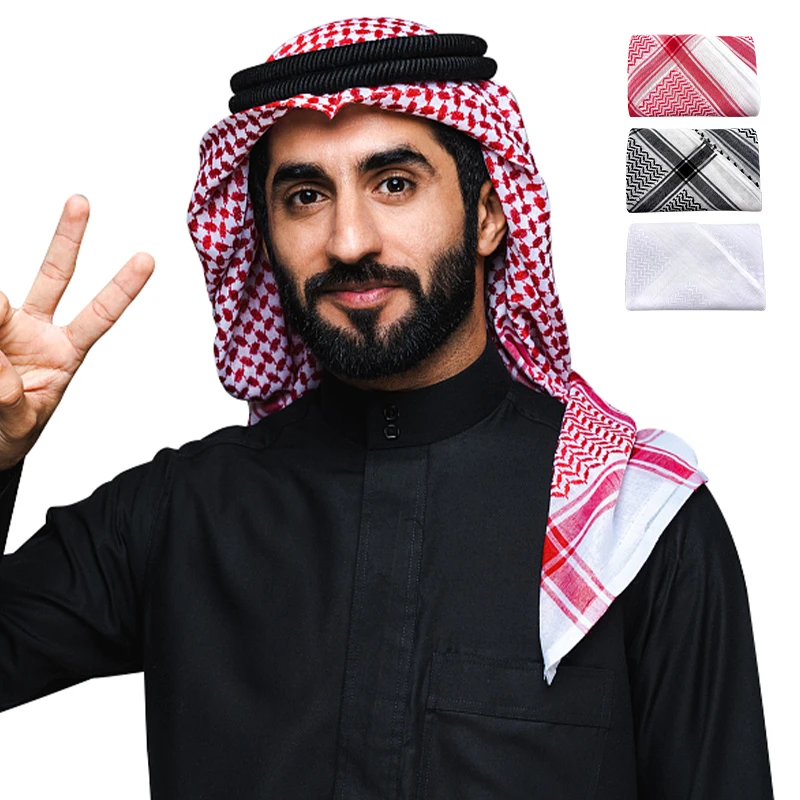
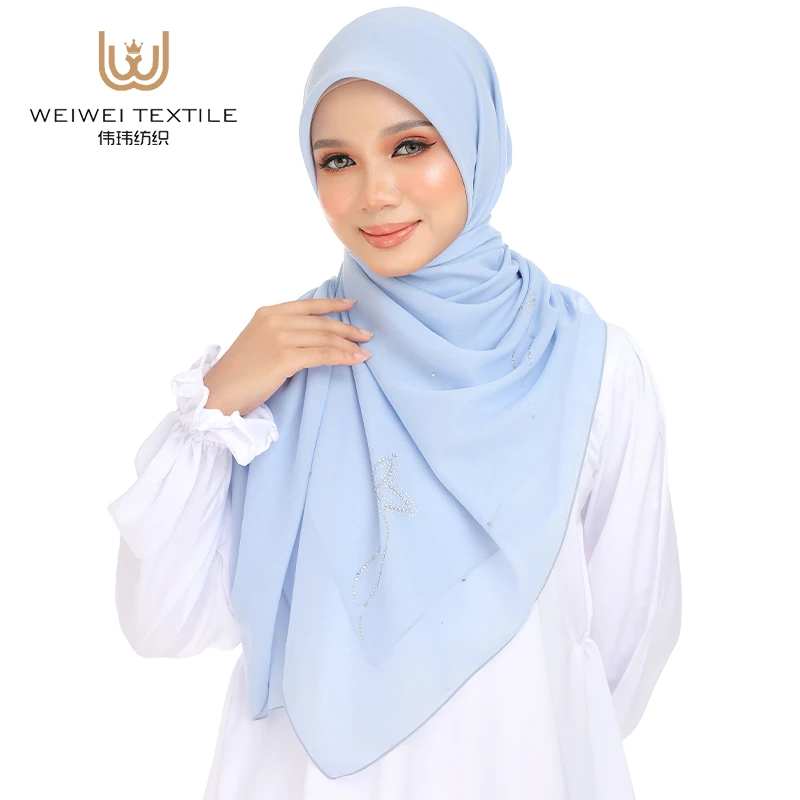

Turkey serves as a strategic hub for textile trade, blending European quality standards with Middle Eastern aesthetic preferences. In this environment, the demand for a versatile abaya scarf has grown significantly, as local designers seek fabrics that balance breathability with elegant draping. The regional market is characterized by a sophisticated consumer base that values both tradition and modern textile innovation, requiring suppliers who can handle complex printing and finishing processes.
From a procurement perspective, Turkish wholesalers often struggle to find a balance between cost and quality for high-volume items. There is a recurring need for affordable silk scarves that maintain a luxury feel without prohibitive pricing. This market tension drives the search for manufacturers who possess integrated production lines—from weaving to final processing—ensuring that quality control is maintained across the entire value chain, reducing lead times for seasonal collections.
Furthermore, the intersection of African and Middle Eastern trade routes through Turkey has increased the visibility of diverse styles. We see a rising trend in the import of the african scarf, reflecting a more globalized approach to modest wear. For enterprises operating in this space, the ability to offer highly customized product solutions and accept small-batch orders for niche designs is becoming a critical competitive advantage in a crowded marketplace.