Dec . 02, 2025 15:04 Back to list
The Ultimate Guide to Ruffle Scarves: Style, Sustainability & Global Impact
What Is a Ruffle Scarf and Why It Matters Globally
When you think about scarves, maybe you picture a cozy winter accessory or a splash of fashion flair. But the ruffle scarf—defined by its layered frills and voluminous texture—is more than just a pretty face. It’s a versatile accessory that has carved its space globally, from high street fashion capitals to creative DIY communities. Understanding ruffle scarves isn’t just about keeping warm or stylish; it’s about appreciating a piece of textile culture that intersects art, craft, and commerce.
Globally, the fashion industry's growth stats (according to the World Bank) suggest that accessories like scarves, including ruffle scarves, contribute significantly to textile trade and employment, especially in developing economies. They’re affordable luxury items that can sustain cottage industries or upscale brands alike.
Mini takeaway: Ruffle scarves blend cultural style and economic opportunity, making their study relevant for fans and business professionals alike.
Global Context: The Ruffle Scarf’s Place in Fashion and Economy
In a world moving swiftly towards sustainable and diverse fashion, ruffle scarves hold an intriguing spot. The global apparel market is projected to surpass $2.25 trillion by 2025 (Statista). Accessories are a driving force—making trends accessible across income levels and regions.
Fashion faces challenges like resource depletion, fast fashion backlash, and supply chain disruptions. The ruffle scarf offers an interesting solution: it is often handmade, uses less fabric than bulkier garments, fits multiple styles, and lends itself to both upcycling and customization. Oddly enough, it’s also a symbol of empowerment for many artisans around the world.
Mini takeaway: The ruffle scarf exemplifies a niche segment addressing sustainability and cultural relevance in a fast-changing apparel industry.
Defining the Ruffle Scarf
So what exactly is a ruffle scarf? Simply put, it’s a scarf characterized by rows of gathered fabric sewn together to create a frilly, textured look. Unlike flat scarves, ruffle scarves add volume and a dynamic silhouette around the neck. They come in diverse fabrics—from cotton blends and silks to synthetics—and vary in thickness and length.
Beyond fashion, these scarves illustrate how textile crafts connect to broader socio-economic contexts. Women-led cooperatives in countries like India and Peru produce ruffle scarves, supporting livelihoods while preserving cultural techniques. In that sense, the ruffle scarf is both an aesthetic and humanitarian artifact—part of a continuum from thread to market, tradition to innovation.
Mini takeaway: The ruffle scarf bridges art, textile tradition, and modern social entrepreneurship.
Key Factors in Ruffle Scarf Design and Production
Materials and Fabric Choice
The fabric determines feel, durability, and drape. Lightweight cottons are breathable; silk adds elegance; synthetics boost weather resistance. Many manufacturers balance cost and eco-credentials here.
Durability and Wearability
A ruffle scarf must withstand repeated wear without losing shape. Fabrics with some elasticity and tightly stitched ruffles improve longevity.
Cost Efficiency
Because ruffles require extra fabric and labor, balancing handcrafted quality with production cost is a major factor. Smaller producers often rely on manual stitching, which supports craftsmanship but influences retail price.
Scalability
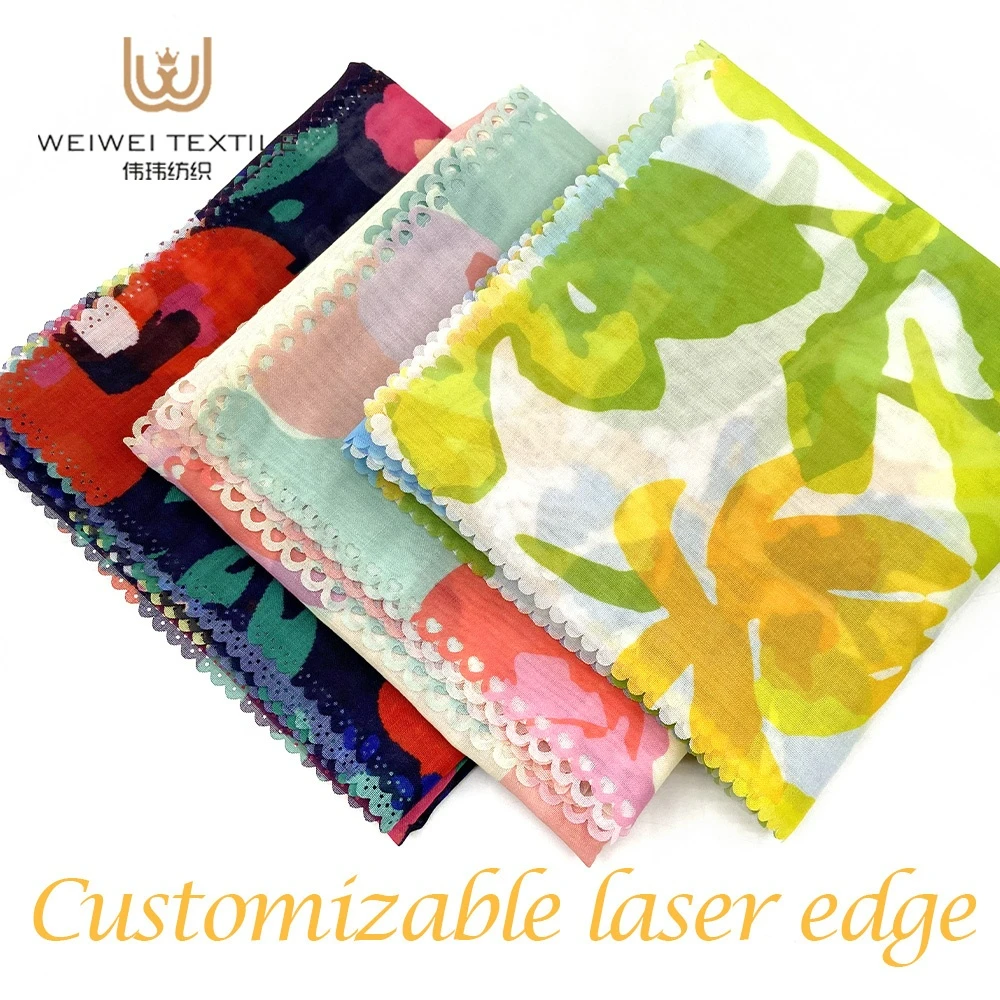
Mass producing ruffle scarves is a challenge due to intricate workmanship. However, advances in automated sewing and laser cutting are starting to enable scalable options with consistent quality.
| Feature | Specification |
|---|---|
| Material | Cotton blend / Silk / Polyester |
| Length | 60–80 inches |
| Width | 6–10 inches |
| Weight | 70–120 grams |
| Care | Hand wash or gentle cycle |
Mini takeaway: The choice of material, durability focus, and production method shape the scarf’s final appeal and usability.
Global Applications and Use Cases
You might wonder: where are these frilly scarves making the biggest splash? In fashion, sure, but also across community development and cultural expression. Here are some examples:
- Fashion Capitals: Designers in Paris and Tokyo experiment with oversized ruffle scarves to add drama to collections.
- Artisan Cooperatives: Organizations in Bangladesh empower women to produce ruffle scarves for export, creating sustainable income.
- Cold Weather Regions: In Canada and Scandinavia, layered ruffle scarves offer both style and warmth.
- Online Retail: The rise of e-commerce platforms enables small brands to sell custom ruffle scarves worldwide, blending tradition with tech.
Oddly enough, the ruffle scarf has even found its way into costume design for theater and dance, where texture and movement play a key role.
Mini takeaway: Ruffle scarves transcend simple accessory status, impacting livelihoods and culture across continents.
Advantages and Long-Term Value of the Ruffle Scarf
There are clear, tangible benefits to the ruffle scarf. Financially, it’s a lower-cost way to elevate an outfit, allowing consumers to invest in unique pieces without breaking the bank. Environmentally, ruffle scarves often require less fabric than bulkier coats or sweaters, reducing waste.
Socially, purchasing a handmade ruffle scarf from artisan groups supports fair trade and preserves heritage craftsmanship. Emotionally, the ruffles can evoke feelings of comfort, elegance, or playfulness—depending on the wearer’s mood and the occasion. The layering hints of nostalgia with a modern twist, building trust and connection between product and owner.
Mini takeaway: The ruffle scarf is more than a fabric item; it’s a sustainable, socially conscious accessory with emotional appeal.
Future Trends and Innovations in Ruffle Scarf Design
Looking ahead, the industry is excited about several innovations around ruffle scarves:
- Eco-friendly fabrics: Organic cotton, bamboo, and recycled fibers gaining traction.
- Smart textiles: Ruffle scarves embedded with temperature regulation or UV protection.
- Digital customization: Customers design their ruffle scarf digitally, selecting ruffle size, color, fabric, and length before production.
- Automation: Laser-cutting and robotic ruffle stitching to improve scale without losing artisan quality.
These trends respond to growing demand for personalization and sustainability—two leading forces shaping fashion today.
Mini takeaway: Technology and sustainability are steering ruffle scarves into a promising, innovative future.
Challenges and Solutions
Despite the allure, ruffle scarves aren’t without challenges. Labor-intensive production can raise costs, limiting market access. Also, some synthetic fabrics used reduce biodegradability, conflicting with green fashion goals.
Experts suggest:
- Increasing training in automated production to ease cost pressures.
- Investing in biodegradable synthetics and natural dyes.
- Supporting fair trade certification to build consumer trust.
These approaches, combined with consumer education, aim to bridge quality, price, and environmental impact—a tricky trifecta, but not impossible.
Vendor Comparison: Top Ruffle Scarf Providers
| Vendor | Material Options | Price Range | Sustainability | Customization |
|---|---|---|---|---|
| ScarfCo | Cotton, Silk | $30–$75 | Fair Trade Certified | Limited Colors |
| EcoRuffles | Organic Cotton, Bamboo | $45–$90 | Cert. Organic & Biodegradable | Full Custom |
| TrendThreads | Polyester, Silk Blend | $20–$50 | Limited; Recycled Fibers | Standard Styles |
Frequently Asked Questions About Ruffle Scarves
- Are ruffle scarves suitable for all seasons?
- Yes, depending on the material. Lightweight cotton or silk ruffle scarves are perfect for spring and fall, while heavier blends and layering styles work well in winter.
- How should I care for a ruffle scarf to maintain its ruffles?
- Gentle hand washing or delicate machine cycles with mild detergent are best. Avoid wringing to keep ruffles intact. Air-dry flat or on a hanger.
- Can I customize the size or color of a ruffle scarf?
- Many artisan vendors and online platforms offer customization options — from ruffle width to color palettes, so you can match your personal style.
- Are ruffle scarves eco-friendly?
- It depends. Organic and natural fiber scarves are more eco-friendly. Synthetic fibers, unless recycled, contribute more to pollution. Look for certifications if sustainability matters to you.
- Is the ruffle scarf suitable for formal events?
- Absolutely. Silk or satin ruffle scarves can add refined flair to formal outfits, creating an elegant yet playful touch.
Conclusion
To sum it up, the ruffle scarf is a multifaceted accessory brimming with cultural richness, practical benefits, and promising sustainability. Its textures speak not just of fashion, but of the hands that craft it and the stories worn alongside it. Whether you seek style, warmth, or a meaningful purchase, the ruffle scarf offers all this—and, frankly, a little whimsy too.
Curious to explore the latest styles or support artisan producers? Visit our website: https://www.wwscarf.com
Takeaway: The humble ruffle scarf is poised to stay relevant by blending tradition, innovation, and conscious fashion choices.
References
-
Xinji Weiwei Textile Factory to Exhibit at the 139th Canton Fair
NewsApr.15,2026
-
Abaya Robe: Tradition, Elegance, and Daily Cultural Expression
NewsApr.15,2026
-
Satin Scarves and Hijabs: A Reflection of Tradition, Elegance, and Daily Practice
NewsApr.15,2026
-
Chiffon Scarf Hijab: A Blend of Tradition, Style, and Everyday Practice
NewsApr.15,2026
-
Exploring Hijab Fashion in Malaysia: Tradition, Style, and Daily Cultural Practice
NewsApr.15,2026
-
The Cultural Significance and Style of Voile Scarves and Shawls in Daily Muslim Wear
NewsApr.15,2026