Dec . 02, 2025 08:35 Back to list
The Readymade Hijab Scarf: Practical Tradition Meets Contemporary Fashion
Understanding the Readymade Hijab Scarf: A Global Perspective
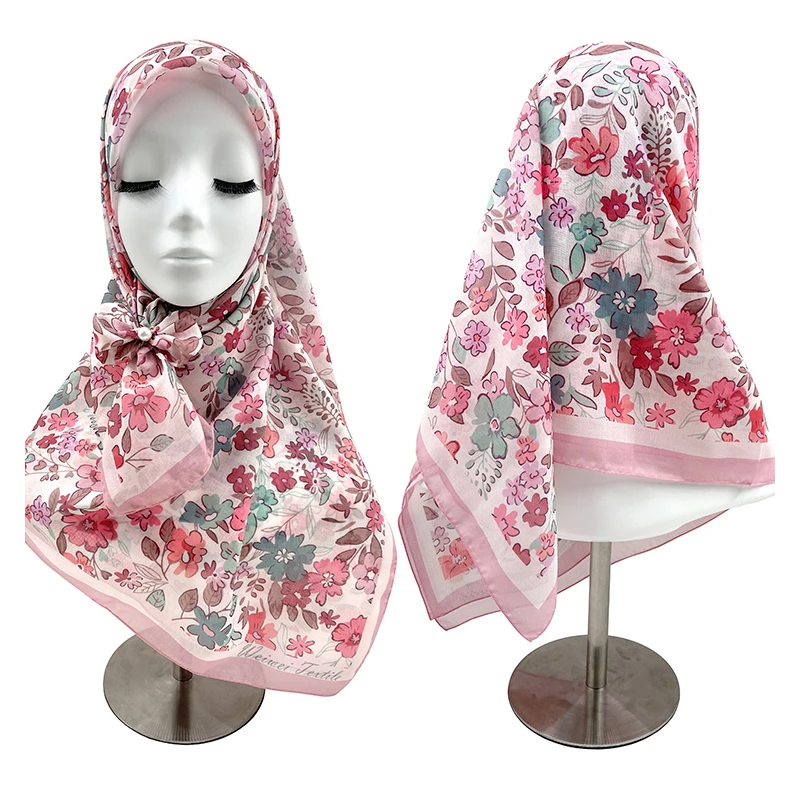
The readymade hijab scarf is more than a garment; it's a practical intersection of tradition, modern industry, and humanitarian need. Globally, the modest fashion market is booming and the readymade hijab scarf stands out as a convenient, stylish, and culturally significant item. According to a report by the Statista, the Muslim apparel market is expected to reach $484 billion worldwide by 2025, and readymade scarves play a major role in this surge.
Why does understanding this topic matter? Simply put, it reflects how traditional apparel adapts in a globalized world, providing women with accessible and dignified clothing options while responding to fast-changing lifestyles. Plus, the ready-to-wear convenience addresses common challenges like time constraints and styling expertise.
Introduction: The Global Context of Readymade Hijab Scarves
It’s interesting to note how the readymade hijab scarf ties into larger global themes — from cultural identity to economic development. The United Nations recognizes clothing and textiles as essential factors in sustainable development, especially for female empowerment. Across countries in the Middle East, Southeast Asia, and increasingly in Europe and North America, these scarves provide both comfort and a symbol of faith.
Yet there’s an odd challenge out there: many women wanting to wear a hijab find custom styling time-consuming or inaccessible, especially in fast-paced cities. The readymade hijab scarf addresses this by offering pre-sewn, fashionable solutions which align with contemporary trends while honoring tradition.
What Is a Readymade Hijab Scarf?
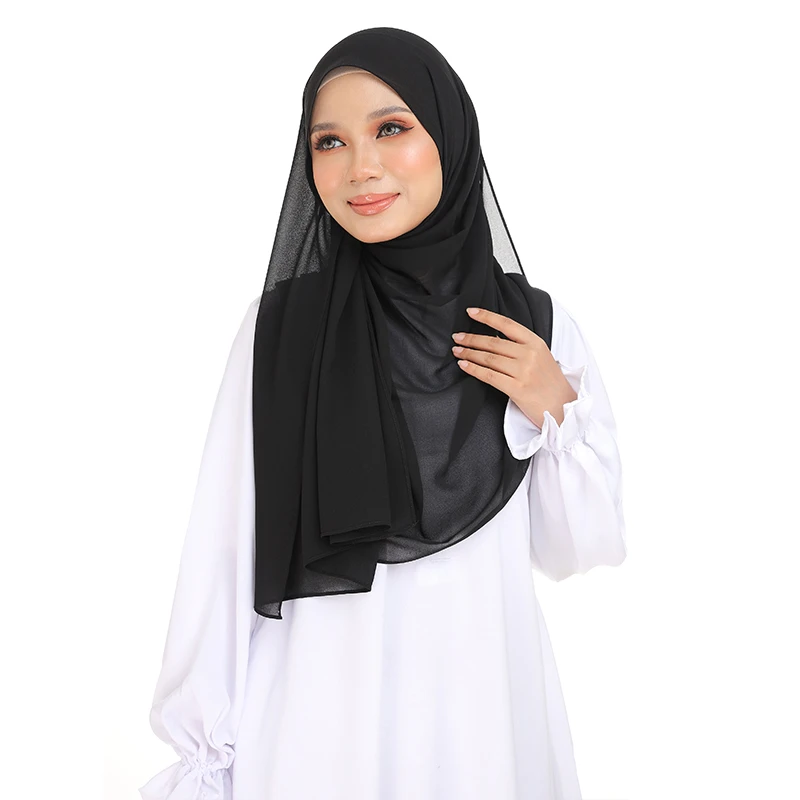
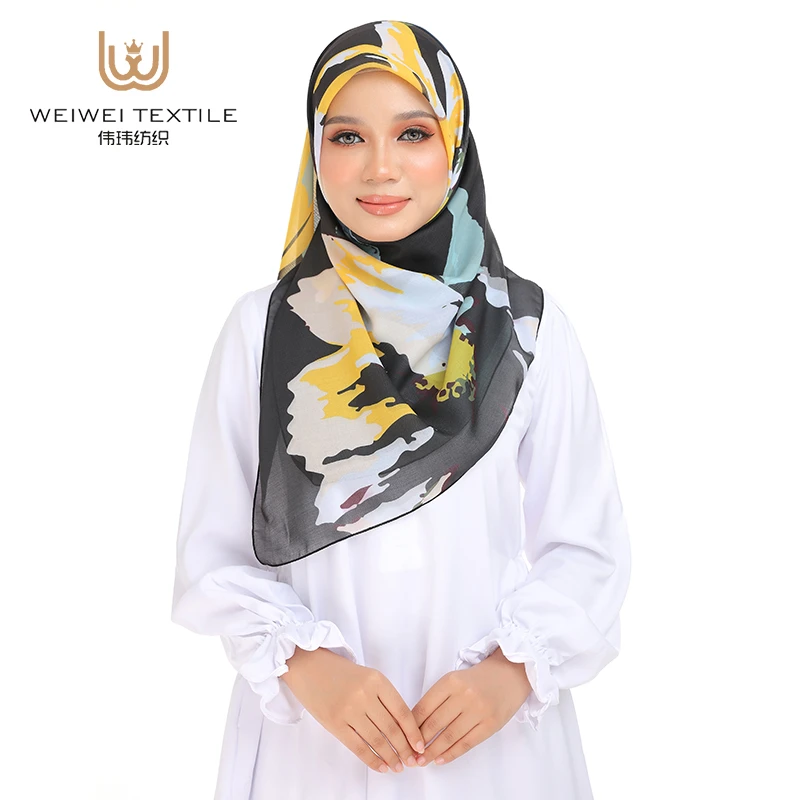
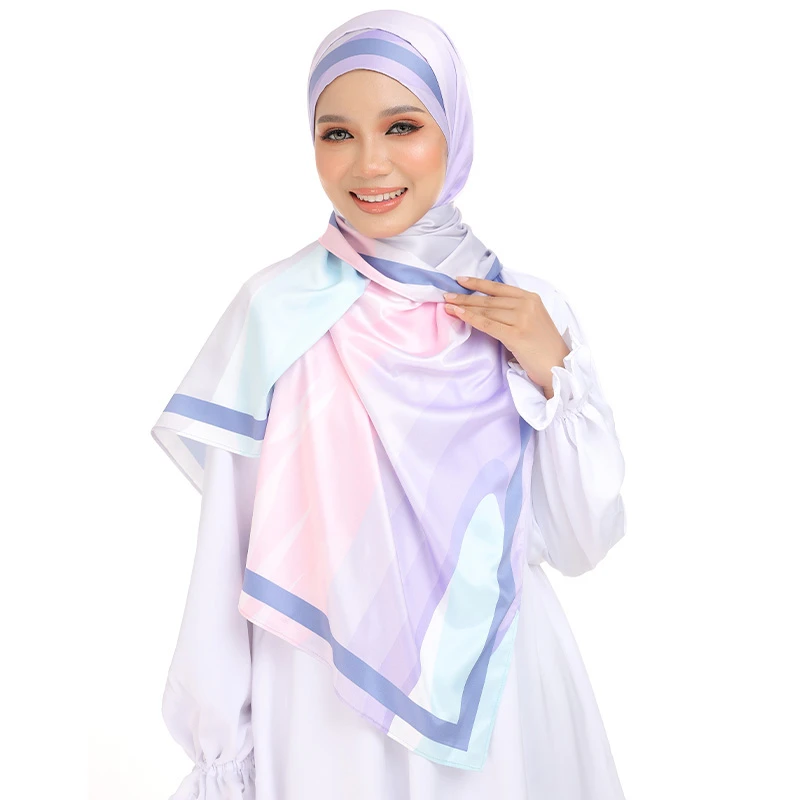
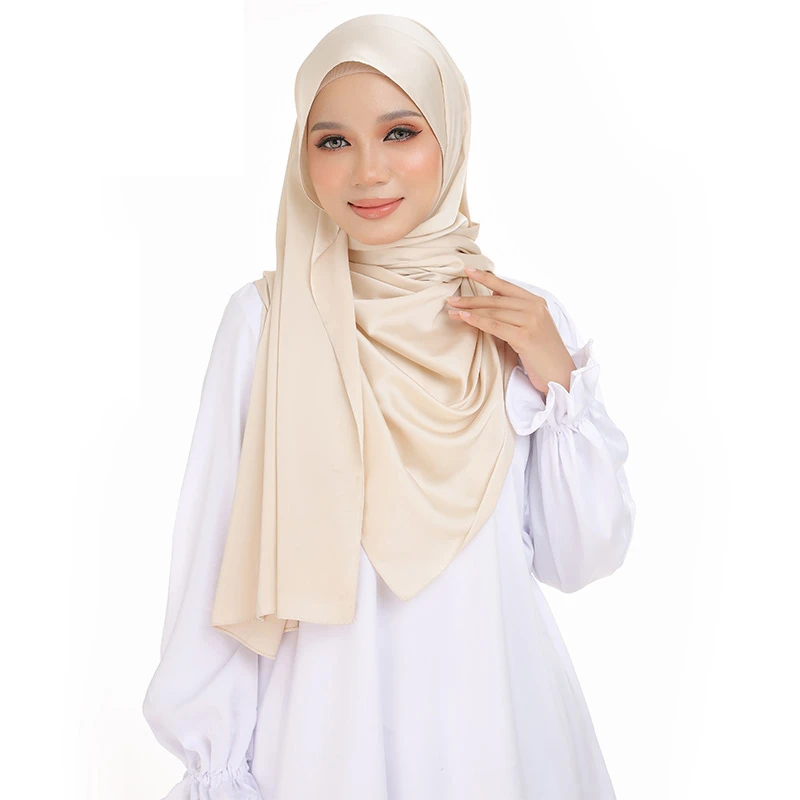
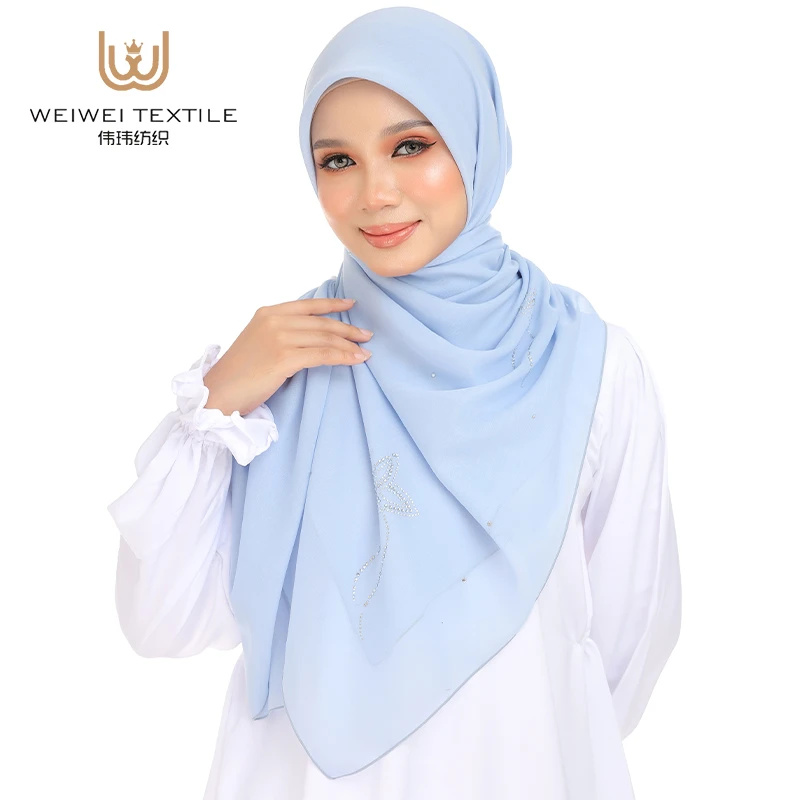
Simply put, a readymade hijab scarf is a head covering for women manufactured and sewn to be slip-on or easy to wear immediately, as opposed to traditional scarves that require wrapping or pinning. They come in various designs, materials, and sizes, often featuring stretch fabrics or magnetic closures for enhanced convenience.
This type of scarf connects deeply with both the fashion industry and humanitarian efforts. Many clothing brands now offer readymade options to meet growing market demands, while NGOs sometimes distribute them in refugee camps, helping women maintain dignity during displacement.
Key Factors to Consider in Readymade Hijab Scarves
1. Comfort and Fit
Since these scarves often feature elastic or stretch fabrics, comfort is paramount. A good fit that doesn't slip all day ranks high on customer priorities.
2. Material Quality
Common materials include cotton blends, jersey, chiffon, and polyester. Each affects breathability, durability, and appearance. For instance, cotton blends tend to be softer and more breathable, suitable for hot climates.
3. Style Variety
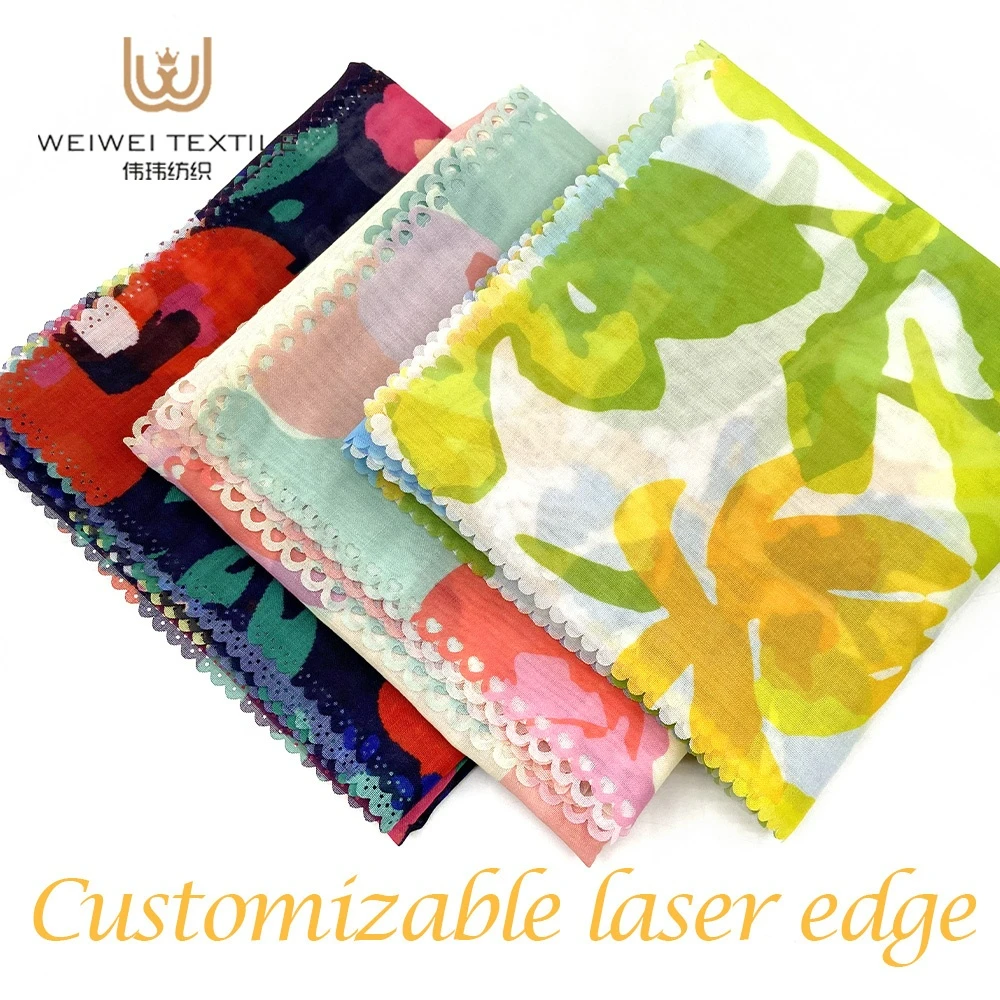
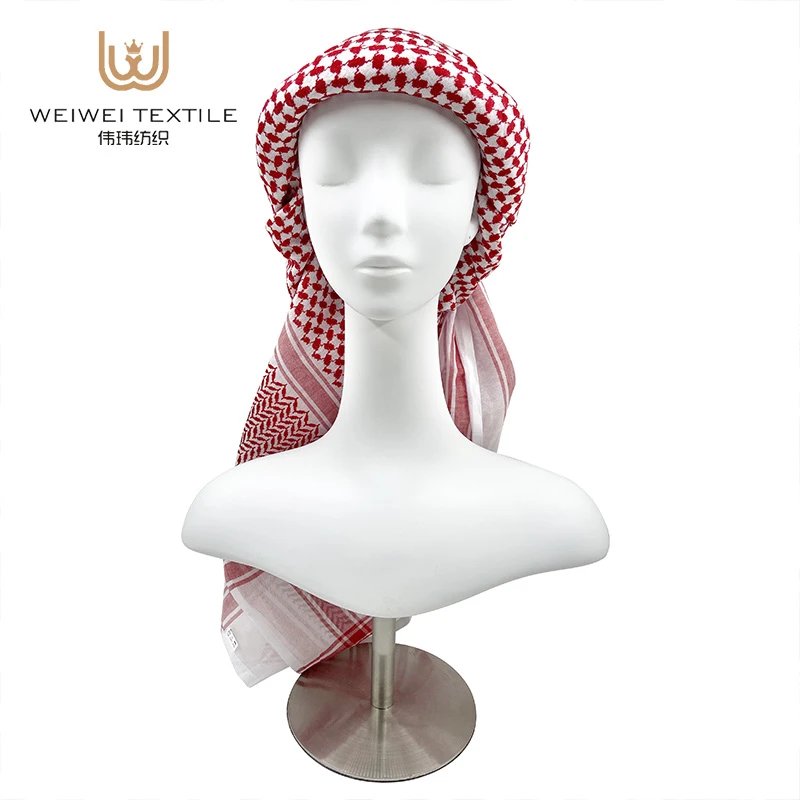
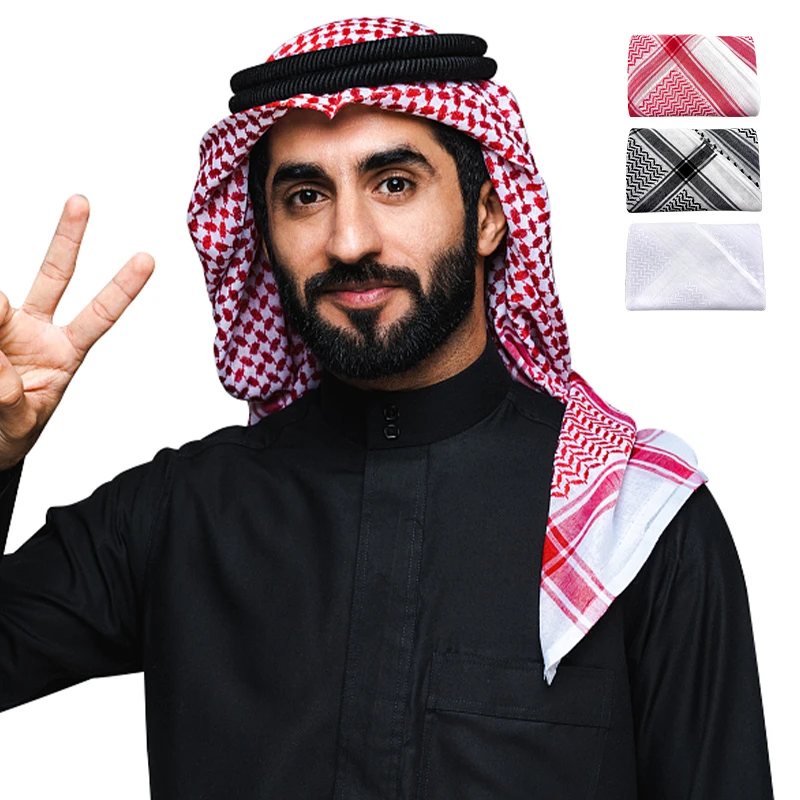
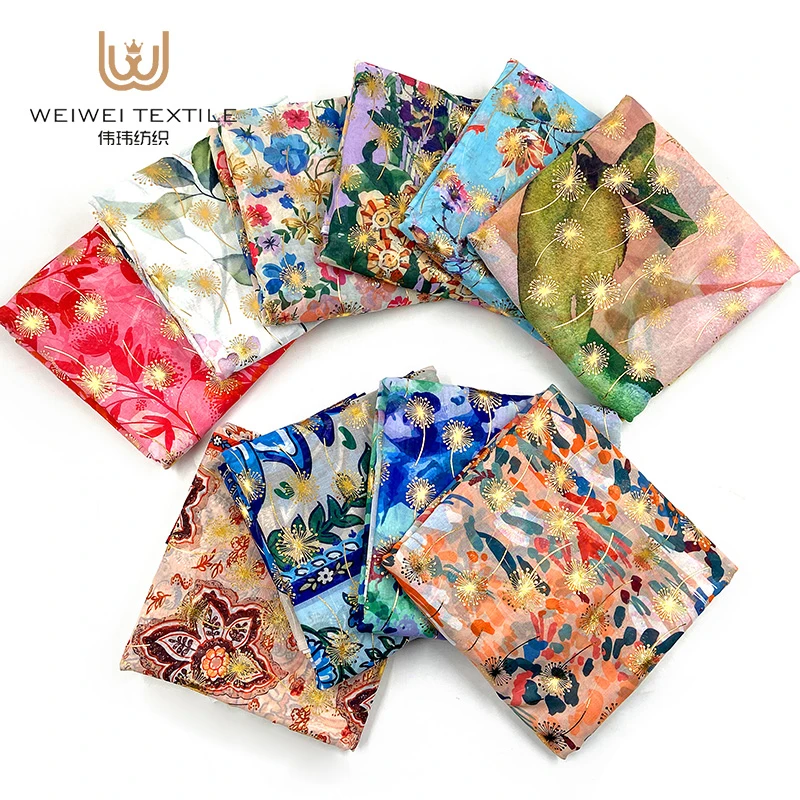
Patterns, colors, and embellishments vary widely — from simple solid colors to embroidered or printed fabrics, catering to different taste profiles.
4. Durability and Care
Machine-washable fabrics that don’t easily shrink or fade provide practical long-term value.
5. Price Point
Prices range broadly depending on brand, material, and design. Affordable options exist without compromising quality, which matters especially in emerging markets.
6. Ethical Production
A growing number of consumers seek scarves made under fair labor conditions with sustainable materials — a trend to watch closely.
Overall, these aspects intersect to determine whether a readymade hijab scarf meets specific needs — whether daily wear, special occasions, or supportive humanitarian aid.
Global Applications & Use Cases
- Fashion Retail Markets: Urban centers in Indonesia, Turkey, and the UK see high demand for trendy, easy-to-wear hijabs.
- Refugee and Aid Organizations: Initiatives providing readymade scarves to displaced women in camps in Jordan and Bangladesh help preserve dignity and cultural identity.
- Educational Institutions: Schools in Muslim-majority countries adopt uniform hijabs, often opting for readymade styles to simplify adherence.
- Corporate and Workplace Settings: As diversity grows, readymade scarves serve as practical, professional attire supporting inclusion.
In real terms, you might spot women in bustling cities choosing readymade scarves to save precious minutes in the morning. At the same time, NGOs leveraging these scarves create stability amidst hardship, offering a small but meaningful piece of normalcy.
Advantages and Long-Term Value of Readymade Hijab Scarves
The benefits of readymade hijab scarves cut across practicality and emotional weight. Here are a few noteworthy highlights:
- Time-Saving: Pre-sewn styles simplify morning routines.
- Reliability: Less chance of slippage or wardrobe malfunctions.
- Dignity & Identity: Supports cultural expression with ease.
- Cost-Effectiveness: Durability balances price, helping customers invest smartly.
- Social Impact: Ethical and local production can empower artisans economically.
Combining these benefits, the readymade hijab scarf often feels like a thoughtful bridge between tradition and modernization, preserving values while embracing convenience.
Product Specification Table: Typical Readymade Hijab Scarf Features
| Feature | Details |
|---|---|
| Material | Cotton blend, Jersey knit, Chiffon |
| Closure | Slip-on; some with magnetic or button snaps |
| Available Sizes | Standard (one size fits most), small, large |
| Washing Instructions | Machine wash cold; air dry recommended |
| Price Range | $8 - $25 per piece |
Vendor Comparison for Readymade Hijab Scarves
| Vendor | Price Range | Material Quality | Design Variety | Ethical Production |
|---|---|---|---|---|
| HijabCraft | $10 - $22 | High (organic cotton blends) | Extensive | Fairtrade certified |
| ModestyWear | $8 - $18 | Medium (standard blended fabrics) | Moderate | Currently unverified |
| ElegantWraps | $15 - $25 | Premium (silk blends, chiffon) | Broad | Partial compliance |
Future Trends and Innovations in Readymade Hijab Scarves
Looking ahead, the readymade hijab scarf market is ripe for innovation. Sustainable fabrics such as Tencel and bamboo fibers are gaining traction, responding to consumer demand for eco-friendly apparel. Digital printing technologies enable more vivid and customizable patterns, which keeps pace with the fast fashion cycles.
Moreover, a few forward-thinking brands are exploring automation in garment finishing to lower costs and increase accessibility. And oddly enough, wearable tech integration — like UV protective coatings and antibacterial treatments — might become popular for health-conscious consumers.
Challenges and Their Solutions
Challenges remain, of course. For example, mass producing scarves that fit universally can be tricky; one-piece fits don’t always work well across different head sizes or styles. Also, sustainable materials often cost more, squeezing margins.
One solution is offering multiple size ranges and adjustable features, such as snap closures or stretch inserts. Another strategy is partnering with local artisans to produce limited lines that support fair wages while maintaining quality. Honestly, the key lies in balancing tradition, innovation, and inclusivity.
FAQ: Frequently Asked Questions About Readymade Hijab Scarves
- Q1: What makes a readymade hijab scarf easier to wear than traditional scarves?
- It’s the pre-sewn shape and secure fittings — meaning you simply slip it on without pinning, wrapping, or adjusting repeatedly throughout the day.
- Q2: How do I choose the best material for a readymade hijab scarf?
- Consider your climate and activities. Cotton blends are breathable and great for warm weather, whereas chiffon offers a lightweight, elegant feel but may require more careful handling.
- Q3: Can the readymade hijab scarf be worn for formal occasions?
- Absolutely! Many manufacturers offer embellished or silky fabric options ideal for weddings, office wear, and events.
- Q4: Are there eco-friendly options for readymade hijab scarves?
- Yes, some brands produce scarves using organic cotton or recycled fibers and emphasize fair labor practices — just check product certifications when purchasing.
- Q5: Where can I find high-quality readymade hijab scarves online?
- You can explore specialized retailers or visit platforms like readymade hijab scarf online stores dedicated to modest fashion.
Conclusion: Embracing Convenience Without Compromising Tradition
In the evolving story of modest fashion, the readymade hijab scarf stands out as a practical solution bridging heritage and modernity. It respects cultural values while meeting fast lifestyles, offering both aesthetic appeal and emotional comfort. Whether you're a wearer, retailer, or humanitarian, understanding this product unlocks meaningful opportunities.
Curious to explore quality options? Visit our website: https://www.wwscarf.com for a curated collection that balances tradition, innovation, and ethical values.
It’s funny how sometimes the simplest garment encapsulates so much – culture, convenience, and future promise all tucked in one swift pull-on.
Takeaway: The readymade hijab scarf is not just attire; it’s a small but powerful symbol of how culture and innovation coexist worldwide.
-
Xinji Weiwei Textile Factory to Exhibit at the 139th Canton Fair
NewsApr.15,2026
-
Abaya Robe: Tradition, Elegance, and Daily Cultural Expression
NewsApr.15,2026
-
Satin Scarves and Hijabs: A Reflection of Tradition, Elegance, and Daily Practice
NewsApr.15,2026
-
Chiffon Scarf Hijab: A Blend of Tradition, Style, and Everyday Practice
NewsApr.15,2026
-
Exploring Hijab Fashion in Malaysia: Tradition, Style, and Daily Cultural Practice
NewsApr.15,2026
-
The Cultural Significance and Style of Voile Scarves and Shawls in Daily Muslim Wear
NewsApr.15,2026