Aug . 27, 2025 21:35 Back to list
The Elegance and Versatility of Silk Scarves: From 100 Silk Scarf for Hair to Affordable Luxury
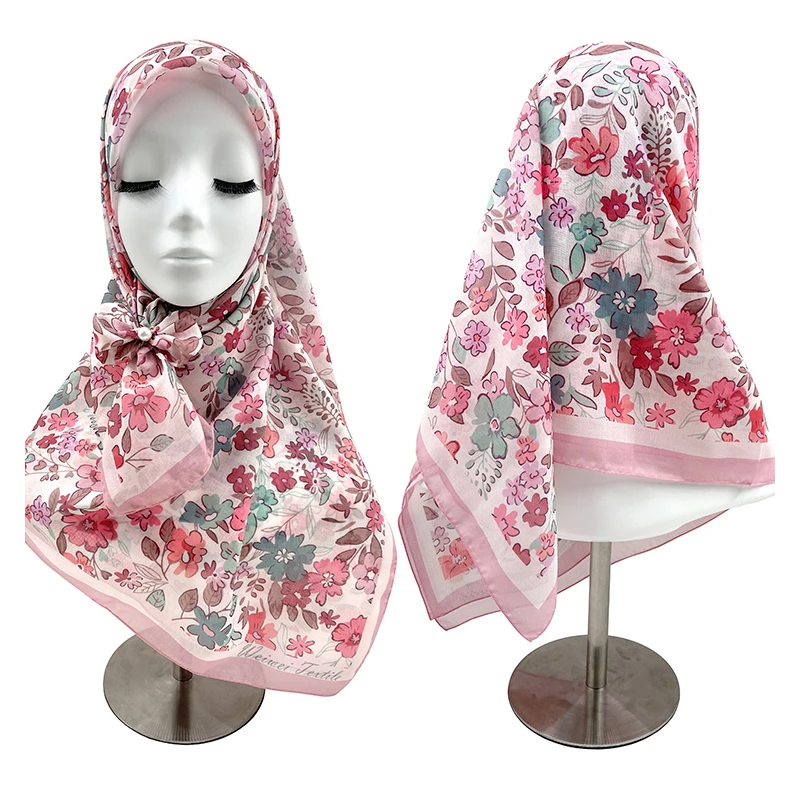
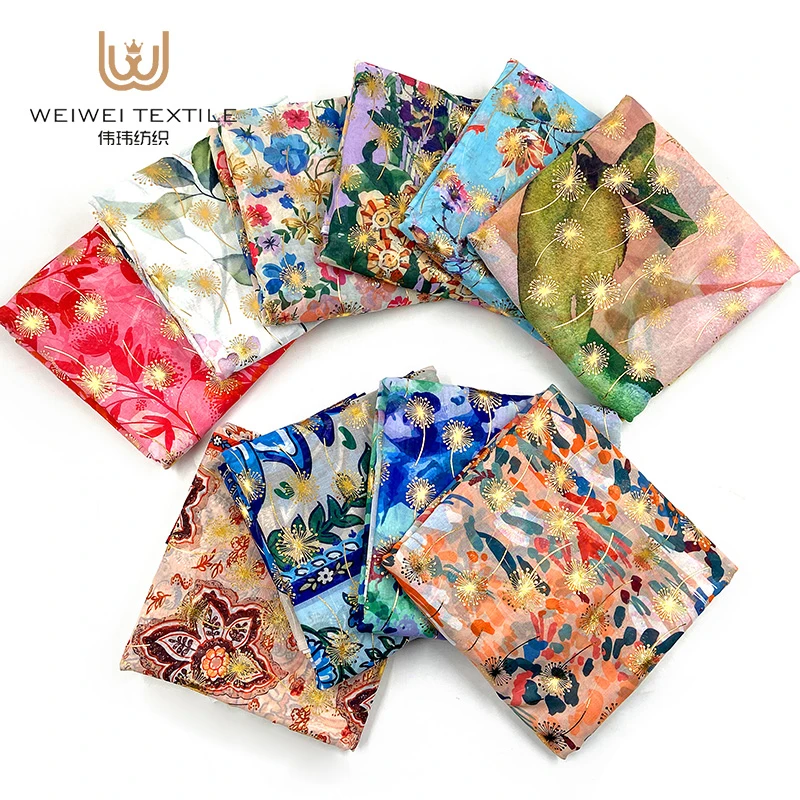
A 100 silk scarf for hair is one of the most luxurious yet practical accessories a woman can own. Made from pure mulberry silk, these scarves provide a unique blend of softness, durability, and natural shine that synthetic fabrics cannot replicate. Beyond their aesthetic appeal, silk scarves offer significant benefits for hair health. Unlike cotton or polyester, silk reduces friction, which helps prevent breakage, split ends, and frizz. For women who wish to maintain smooth and shiny hair, wrapping hair with a 100% silk scarf before sleeping is a time-tested method.
Silk also has natural temperature-regulating properties. It keeps hair and scalp cool in hot climates and warm in colder seasons, making it an all-season accessory. Additionally, silk is hypoallergenic, making it safe for sensitive skin and scalp conditions.
In the modern fashion industry, silk scarves for hair are not only used for protection but also for styling. Women wear them as headbands, turbans, ponytail wraps, or chic hair ties. From casual looks to elegant evening styles, silk scarves offer endless possibilities. Fashion influencers and celebrities often showcase how a simple silk scarf can transform an entire look, making it a must-have accessory in every wardrobe.
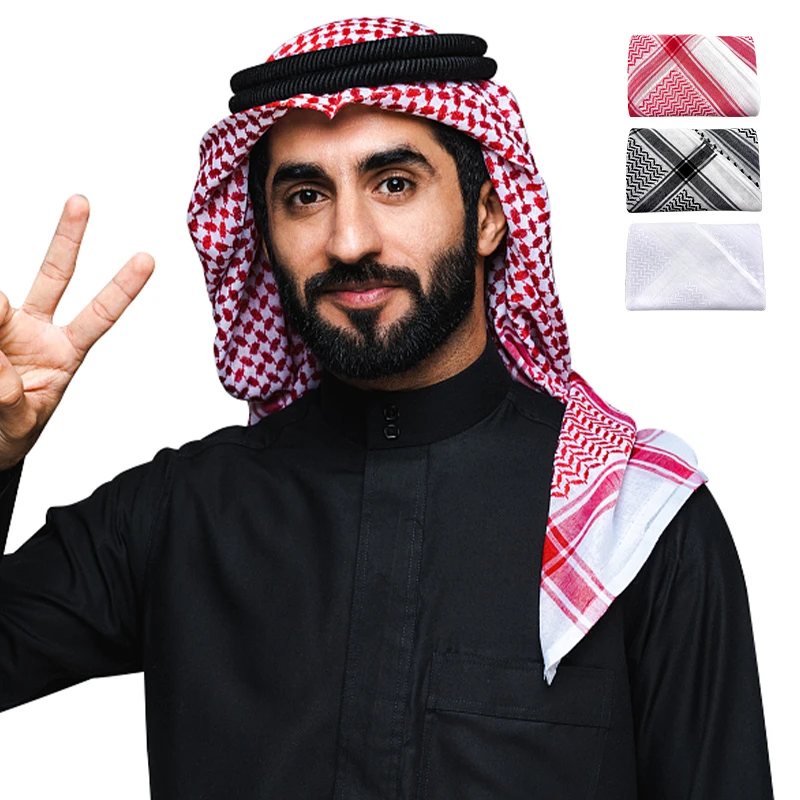
The popularity of silk hair scarves is also growing among men, especially in urban fashion scenes, where silk bandanas and head wraps are considered trendy. Thus, the 100 silk scarf for hair is more than just an accessory—it is a statement of elegance, functionality, and timeless charm.
The Timeless Beauty of a Scarf
When we speak about a scarf, we are referring to one of the oldest and most versatile fashion accessories in human history. Scarves have been worn for thousands of years across different cultures, symbolizing warmth, status, identity, and style. From the woolen scarves used in cold climates to lightweight silk scarves in warm regions, this accessory transcends both geography and fashion eras.
The beauty of a scarf lies in its multifunctionality. It can be worn around the neck for warmth, styled as a headscarf for modesty, or draped elegantly as a fashion statement. In many cultures, scarves are deeply symbolic. In Europe, silk scarves became a status symbol among the elite. In the Middle East and Africa, scarves often carry religious and cultural significance. In Asia, scarves are used in ceremonial dress as well as daily fashion.
In modern times, scarves have become an essential accessory for both men and women. Designers around the world include scarves in their collections, using them as a canvas for artistic expression. From vibrant patterns and hand-painted motifs to minimalist monochrome designs, scarves highlight the creativity of textile artisans.
One of the reasons scarves remain timeless is their adaptability. A single scarf can be styled in dozens of ways: as a belt, a handbag accessory, a shawl, or even a beach wrap. This adaptability ensures that a scarf never goes out of fashion. Whether it is a scarf made from pure silk, wool, or cotton, it remains a universal symbol of beauty, tradition, and individuality.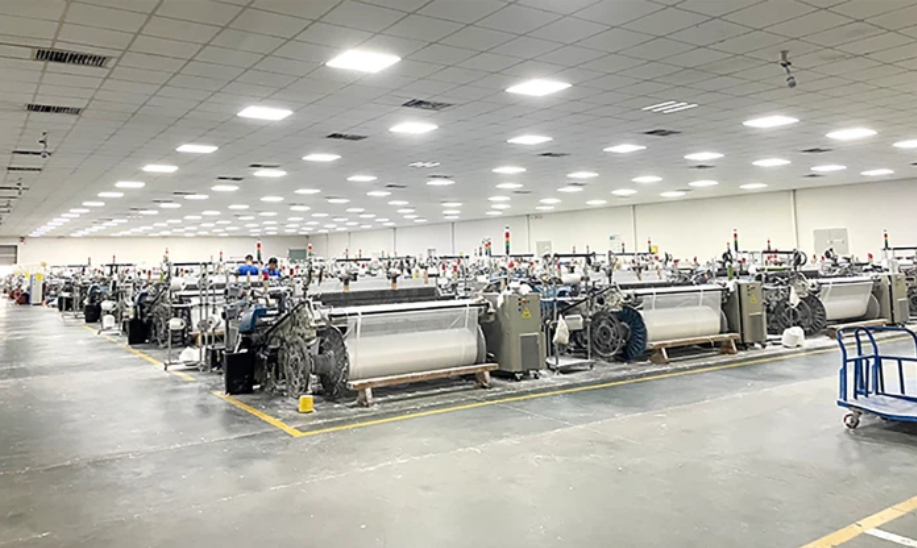
Abaya Scarf: Tradition and Modern Fashion Combined
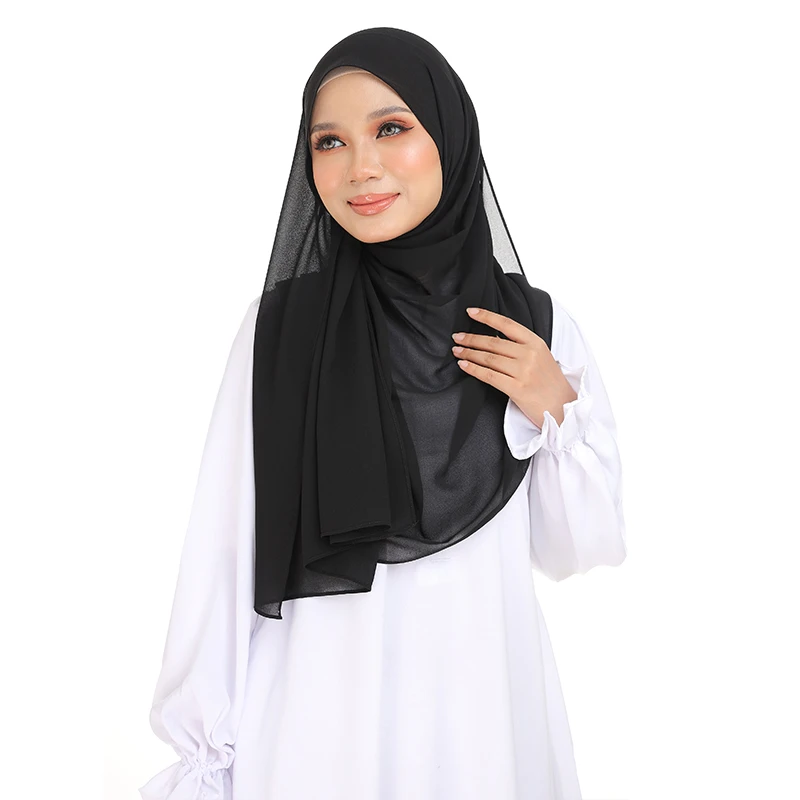
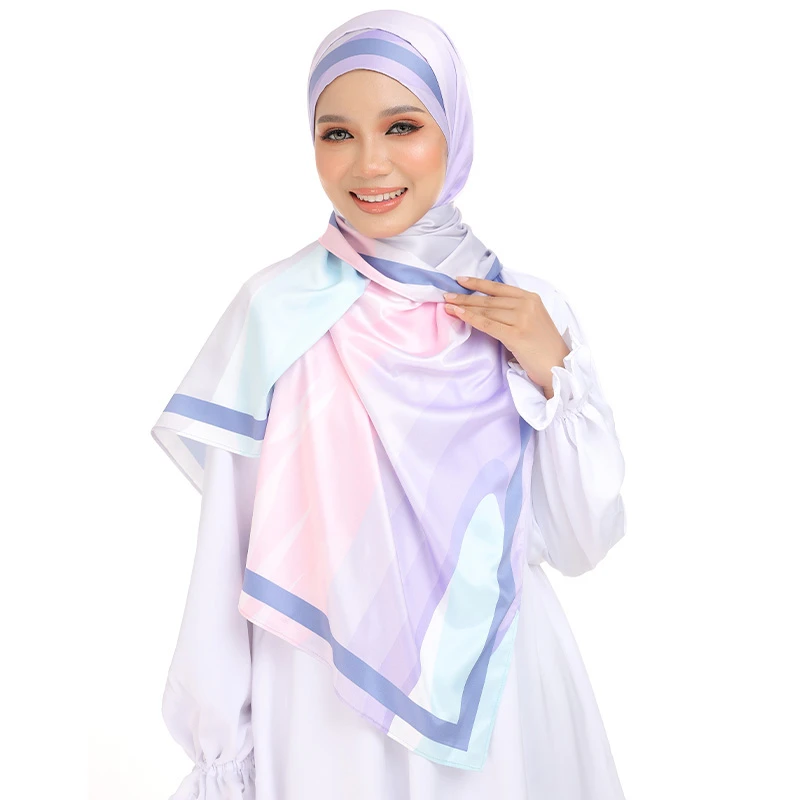
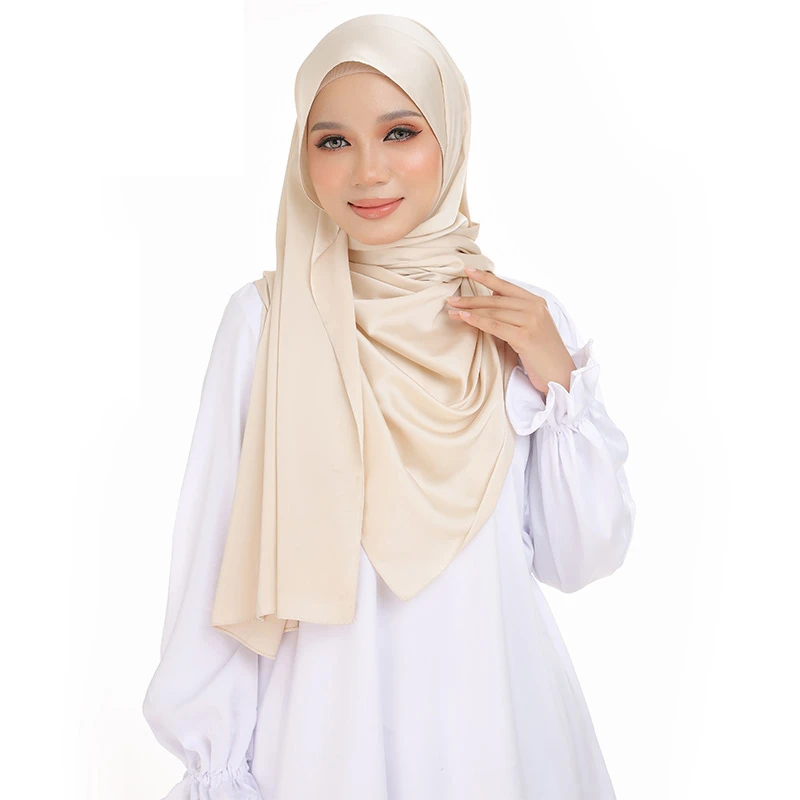
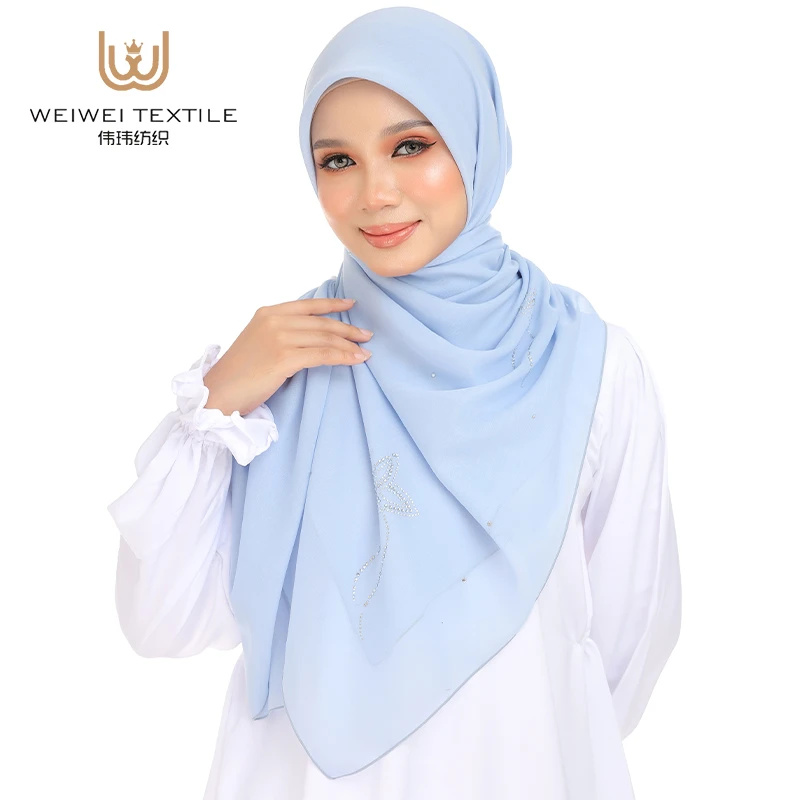
The abaya scarf is an essential piece of clothing for millions of women, particularly in the Middle East and Muslim communities worldwide. Traditionally worn with the abaya (a long, flowing cloak), the abaya scarf provides both modesty and style. It is not merely a religious garment but also a cultural and fashion statement.
Today, abaya scarves are available in a wide variety of fabrics, including silk, chiffon, cotton, and jersey. Among these, silk abaya scarves stand out for their elegance and comfort. They drape beautifully, allowing women to maintain modesty while also enjoying luxurious softness and sheen.
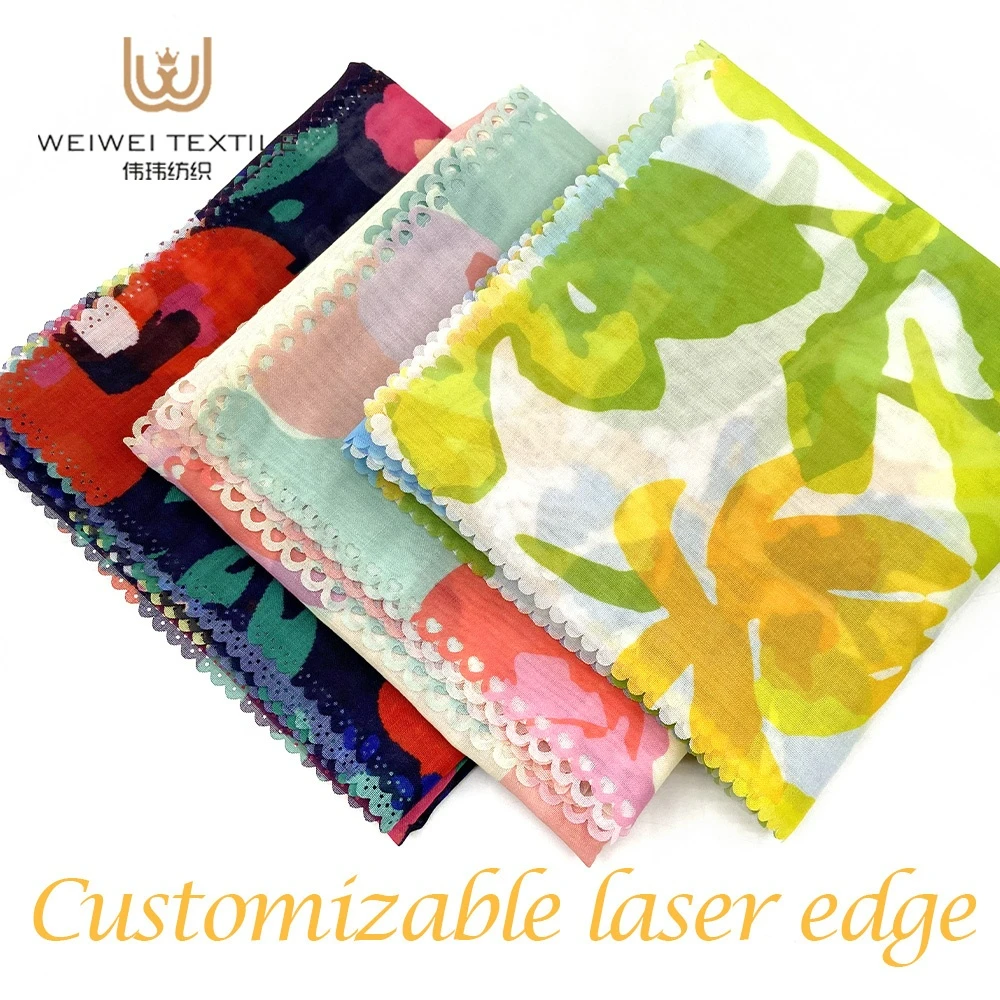
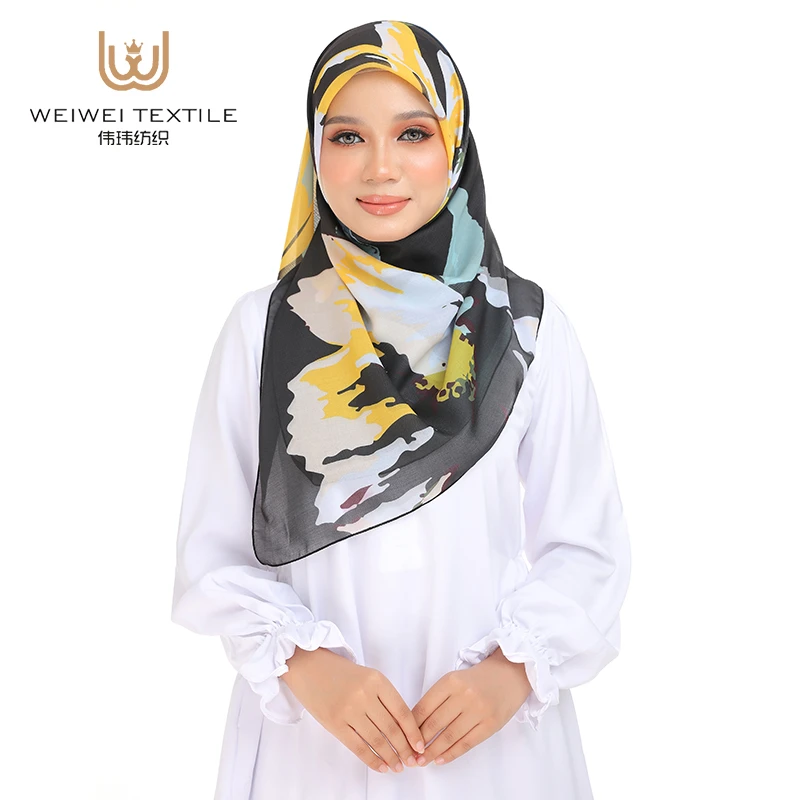
Modern abaya scarf designs often combine traditional modesty with contemporary fashion. Many scarves feature embroidery, sequins, lace trims, or printed designs that cater to younger generations seeking stylish yet respectful attire. International designers have also recognized the global demand for modest fashion, leading to a growing fusion between traditional Islamic attire and global fashion trends.
The abaya scarf plays a crucial role beyond fashion—it fosters identity and empowerment. Women choose colors, fabrics, and styles that reflect their personality while adhering to cultural or religious values. For example, a plain black silk abaya scarf may symbolize elegance and formality, while colorful printed scarves express individuality and modernity.
Furthermore, abaya scarves have entered mainstream fashion markets. Non-Muslim women also incorporate these scarves into their wardrobes as head wraps, shawls, or fashion accessories. This cultural crossover reflects the universality of scarves as symbols of beauty and respect.
Thus, the abaya scarf is more than just a garment—it is a bridge between tradition and modern fashion, allowing women to embrace both cultural heritage and contemporary style.
Affordable Silk Scarves: Luxury Within Reach
For many, silk scarves are synonymous with luxury. However, the rise of global textile manufacturing has made affordable silk scarves accessible to a wider audience. In the past, only the wealthy elite could afford silk accessories, but today, advancements in production technology and international trade allow consumers worldwide to enjoy the elegance of silk at reasonable prices.
Affordable silk scarves do not compromise on quality. Many are still made from 100% mulberry silk, which is renowned for its smooth texture and durability. Others combine silk with modern blends to create scarves that are both stylish and cost-effective.
The demand for affordable silk scarves is particularly high in global fashion markets. In Africa, they are used for traditional attire and celebrations. In Europe and North America, they are sought after for their elegance and versatility. In the Middle East, affordable silk scarves are essential for modest fashion and daily wear.
Consumers are increasingly interested in scarves that combine affordability with ethical production. This demand has encouraged manufacturers to adopt eco-friendly dyeing methods, fair labor practices, and sustainable sourcing. Affordable silk scarves are not just budget-friendly; they also align with the values of modern, conscious consumers.
For fashion retailers, affordable silk scarves present enormous opportunities. They appeal to a wide demographic—from students seeking trendy accessories to professionals looking for timeless pieces. Online platforms have also made these scarves more accessible than ever, with global shipping enabling customers to purchase high-quality silk scarves from anywhere in the world.
In short, affordable silk scarves bring luxury within reach, allowing everyone to enjoy the timeless charm of silk without exceeding their budget.
Xinji Weiwei Textile: A Leading Scarf Manufacturer Since 2004
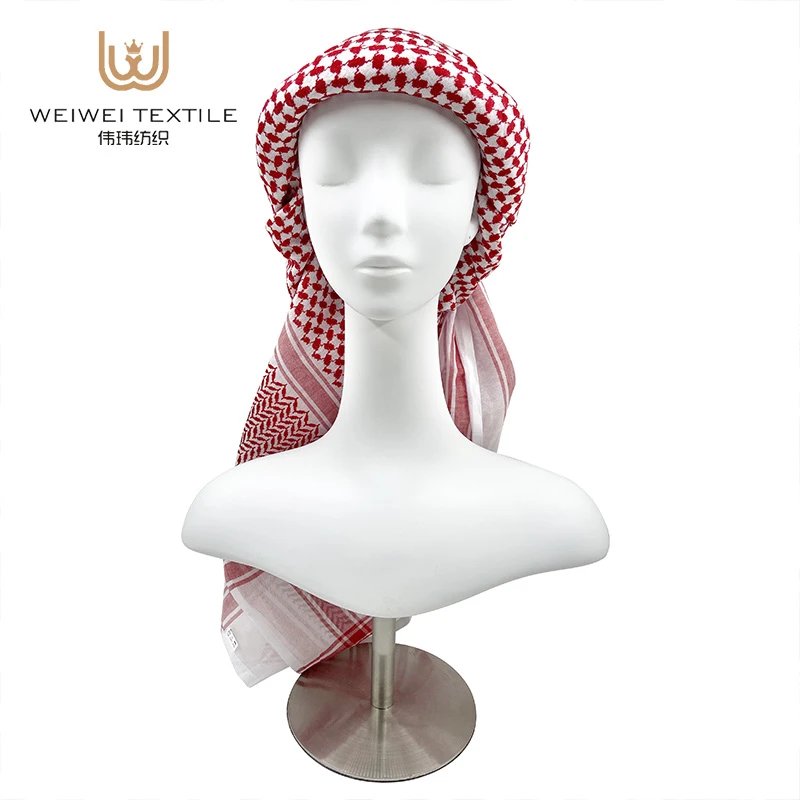
To understand the growing popularity of silk scarves, it is essential to highlight the role of manufacturers. One of the leading names in this industry is Xinji Weiwei Textile.Xinji Weiwei Textile, established in 2004, is situated in the vibrant city of Shijiazhuang, Hebei Province. Spanning an impressive area of 10,000 square meters, our scarf factory specializes in crafting exquisite Sudan toub and Muslim scarves. Equipped with a comprehensive array of production facilities, including weaving, printing, and finishing workshops, our factory is dedicated to delivering high-quality textile products that celebrate traditional craftsmanship and modern design.
Over the years, Xinji Weiwei Textile has earned a reputation for blending traditional scarf-making techniques with innovative production methods. The factory not only produces abaya scarves, but also a wide range of silk, cotton, and blended scarves to meet the diverse needs of global markets.
The company’s scarves are exported to Africa, the Middle East, Europe, and North America, serving different cultural and fashion preferences. Whether it is a 100 silk scarf for hair, a scarf for everyday wear, or affordable silk scarves for international retailers, Xinji Weiwei Textile ensures quality and creativity in every piece.
What sets Xinji Weiwei apart is its ability to merge heritage with modernity. The factory employs skilled artisans alongside advanced machinery, ensuring both authenticity and efficiency. This balance allows the company to produce scarves that are both culturally meaningful and globally fashionable.
By maintaining strict quality control, Xinji Weiwei Textile continues to uphold its vision of being a global leader in scarf production. For customers seeking elegance, affordability, and cultural authenticity, Xinji Weiwei remains a trusted partner in the textile industry.
Silk scarves have transcended their role as simple accessories to become symbols of elegance, tradition, and individuality. From the luxurious 100 silk scarf for hair to the culturally significant abaya scarf, from the universal charm of simply a scarf to the accessibility of affordable silk scarves, these textiles carry stories, identities, and style across the world.
At the heart of this global scarf industry lies manufacturers like Xinji Weiwei Textile, whose dedication to craftsmanship and innovation ensures that scarves remain timeless treasures for generations to come.
Silk scarves will always be more than fabric—they are art, culture, and fashion woven together.
FAQs about Abaya Scarf
What is the benefit of using a 100 silk scarf for hair?
A 100 silk scarf for hair helps reduce friction, prevents frizz, and protects hair from breakage while keeping it smooth and shiny. It is especially useful to wrap hair overnight or to use as a stylish accessory during the day.
How can I style a scarf in different ways?
A scarf can be styled as a head wrap, neck accessory, belt, handbag decoration, or even a beach cover-up. Its versatility makes it a timeless accessory for both men and women.
What is an abaya scarf and how is it different from regular scarves?
An abaya scarf is traditionally worn with the abaya for modesty in Muslim fashion. Unlike a regular scarf, it is designed to complement modest clothing while also offering elegance through fabrics like silk or chiffon.
Are affordable silk scarves still good quality?
Yes. Many affordable silk scarves are made from 100% mulberry silk or silk blends that maintain softness and durability. They offer the luxury of silk at a more budget-friendly price without compromising style.
Where can I buy high-quality silk scarves at affordable prices?
You can purchase affordable silk scarves directly from manufacturers such as Xinji Weiwei Textile, which produces Sudan toub, Muslim scarves, and various silk accessories for global markets.
-
Xinji Weiwei Textile Factory to Exhibit at the 139th Canton Fair
NewsApr.15,2026
-
Abaya Robe: Tradition, Elegance, and Daily Cultural Expression
NewsApr.15,2026
-
Satin Scarves and Hijabs: A Reflection of Tradition, Elegance, and Daily Practice
NewsApr.15,2026
-
Chiffon Scarf Hijab: A Blend of Tradition, Style, and Everyday Practice
NewsApr.15,2026
-
Exploring Hijab Fashion in Malaysia: Tradition, Style, and Daily Cultural Practice
NewsApr.15,2026
-
The Cultural Significance and Style of Voile Scarves and Shawls in Daily Muslim Wear
NewsApr.15,2026