Aug . 18, 2025 13:58 Back to list
The Cultural Significance of The Voile Scarf in Muslim Communities
In Muslim communities around the world, the voile scarf stands as a powerful symbol deeply rooted in culture, religion, and tradition. More than just a piece of fabric worn on the head, the voile shawl and cotton voile scarf carry profound meanings that have been passed down through generations. For Muslim women, donning these head coverings is not merely a fashion choice; it is an essential expression of their identity, faith, and connection to their community. These delicate yet significant pieces of attire play a central role in shaping the cultural landscape of Muslim societies, embodying values, beliefs, and a sense of belonging.
Religious Symbolism of Voile Scarf
The voile scarf holds great religious significance within Islam. It is seen as a manifestation of modesty, a core principle emphasized in Islamic teachings. By covering their heads with a voile shawl or cotton voile scarf,Muslim women demonstrate their commitment to their faith and submission to God. This act of covering is a way to fulfill religious obligations and maintain a sense of piety in their daily lives. The scarf serves as a constant reminder of their spiritual journey, connecting them to the teachings of the Quran and the traditions of the Prophet Muhammad. It is a visible symbol of their faith, allowing them to express their devotion to Islam in a public and meaningful way.
Cultural Heritage Embodied in Voile Shawl
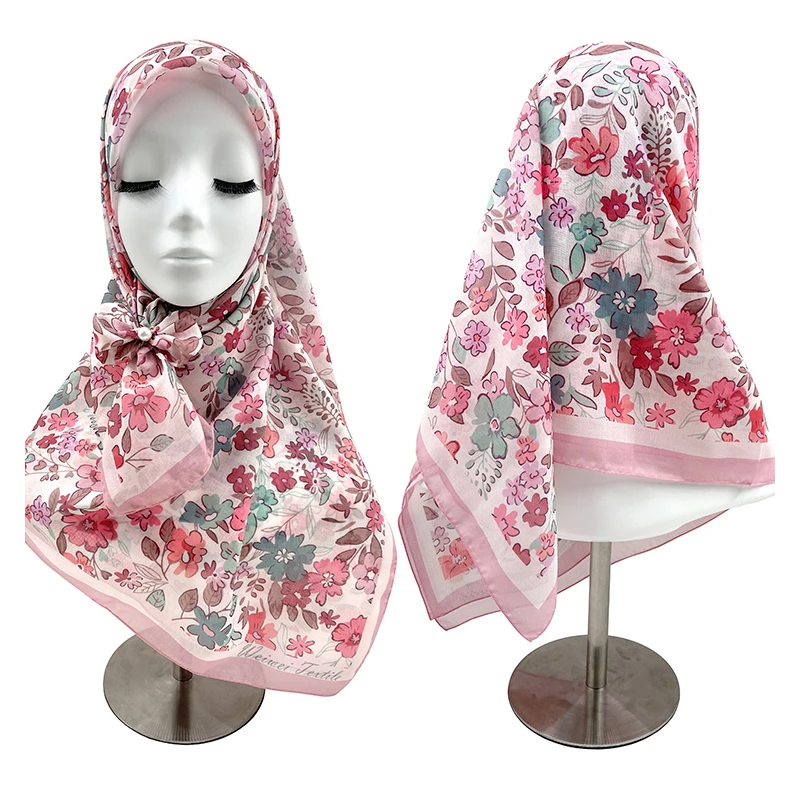
The voile shawl is a vessel of cultural heritage, reflecting the rich and diverse traditions of Muslim communities. Each region has its own unique styles, patterns, and colors associated with voile scarfs and cotton voile scarfs, passed down from mothers to daughters over centuries. These designs often incorporate local motifs, symbols, and techniques that tell stories of the community's history, values, and way of life. Wearing a voile shawl adorned with traditional patterns is a way for Muslim women to honor their cultural roots and preserve their heritage. It serves as a link between the past and the present, ensuring that the traditions and customs of their ancestors continue to thrive in modern times.
Identity and Self-Expression with Cotton Voile Scarf
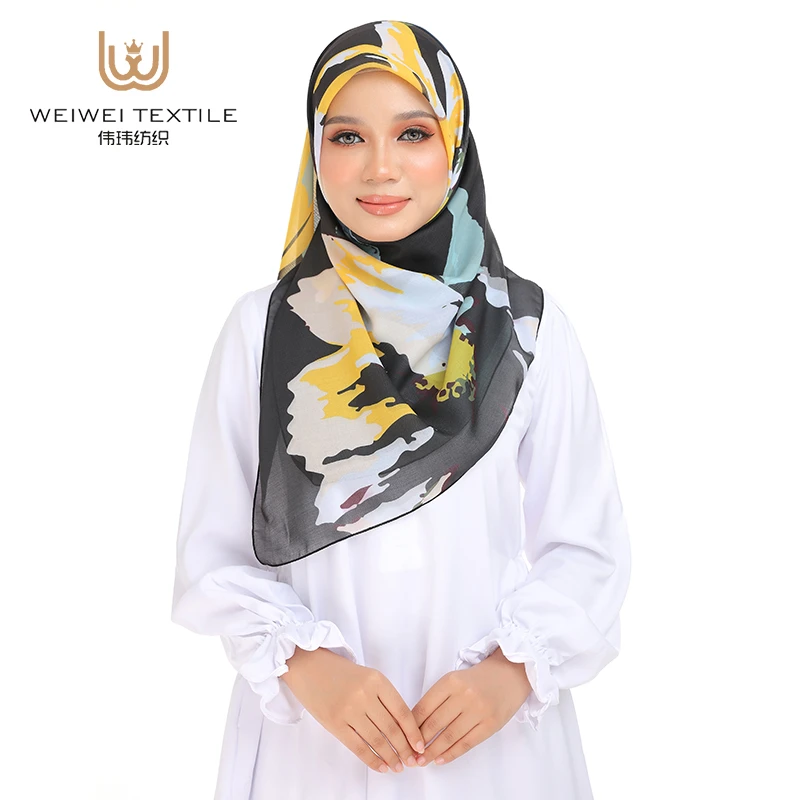
While the cotton voile scarf is rooted in tradition, it also provides Muslim women with a means of personal identity and self-expression. In a world that often stereotypes and misrepresents Muslim women, the scarf becomes a powerful tool for breaking down those barriers. Women can choose different colors, textures, and styles of voile scarfs and voile shawls to reflect their individual personalities, moods, and fashion sensibilities. Whether it's a vibrant, patterned cotton voile scarf for a festive occasion or a simple, elegant voile shawl for everyday wear, each choice is a statement of who they are. The scarf allows them to showcase their creativity and confidence while still adhering to their religious and cultural beliefs.
Community Bonding through Voile Scarf
The voile scarf plays a crucial role in fostering a sense of community among Muslim women. When women gather, whether at religious events, social gatherings, or daily interactions, the sight of others wearing voile shawls and cotton voile scarfs creates an instant connection. It serves as a visual cue that they belong to the same community, sharing common beliefs, values, and experiences. This shared practice of wearing the scarf promotes a sense of unity, support, and sisterhood. Women often exchange tips on how to style their voile scarfs, share stories behind their favorite pieces, and offer encouragement to one another. In this way, the scarf becomes a unifying force, strengthening the bonds within the community and providing a source of comfort and belonging.
Voile Scarf FAQS
Why Is the Voile Scarf So Important in Muslim Culture?
The voile scarf is of utmost importance in Muslim culture as it encompasses both religious and cultural dimensions. Religiously, it is a symbol of modesty and a way to fulfill Islamic teachings, representing a woman's commitment to her faith. Culturally, it serves as a vessel for heritage, carrying traditional designs and stories that connect generations. It also provides a means of self-expression and identity, allowing Muslim women to showcase their individuality within the framework of their faith and culture. Additionally, the voile scarf fosters a sense of community and unity among women, strengthening social bonds and providing support. Overall, it is an integral part of a Muslim woman's life, embodying her beliefs, values, and sense of self.
Are There Different Styles of Voile Shawl?
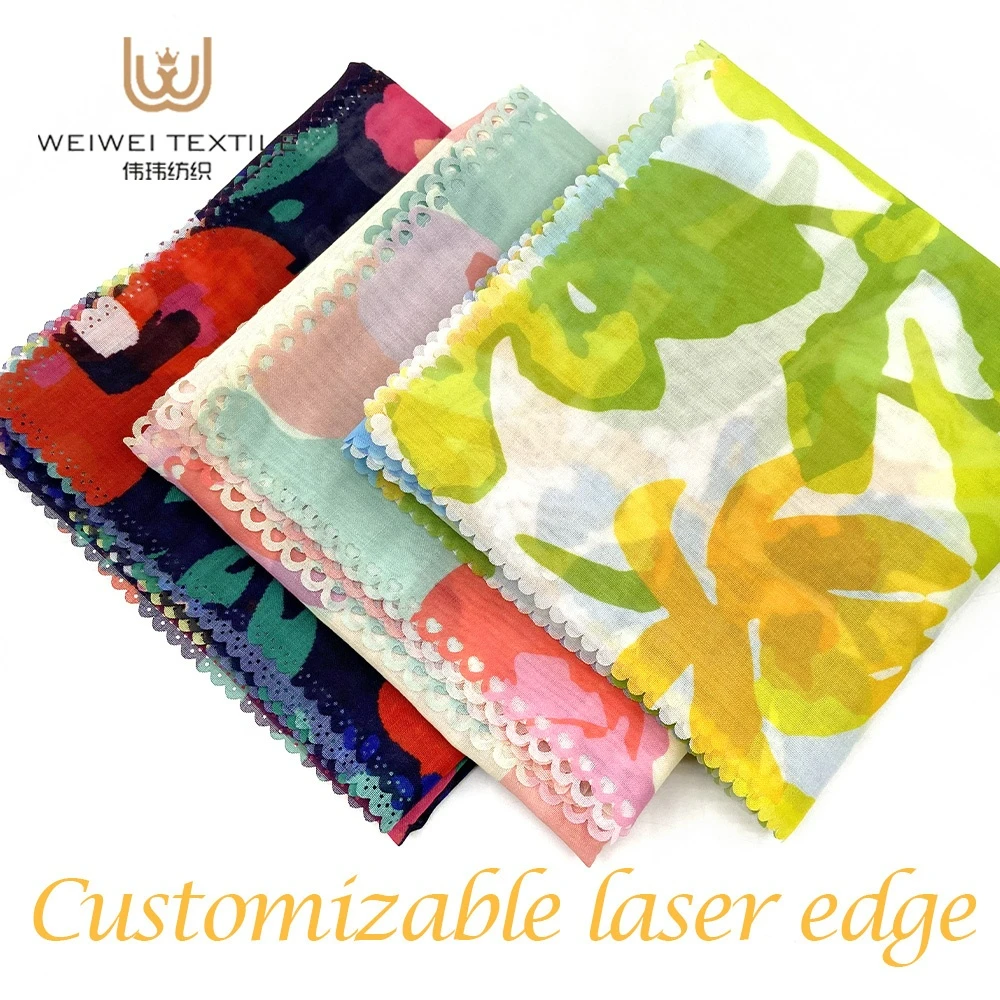
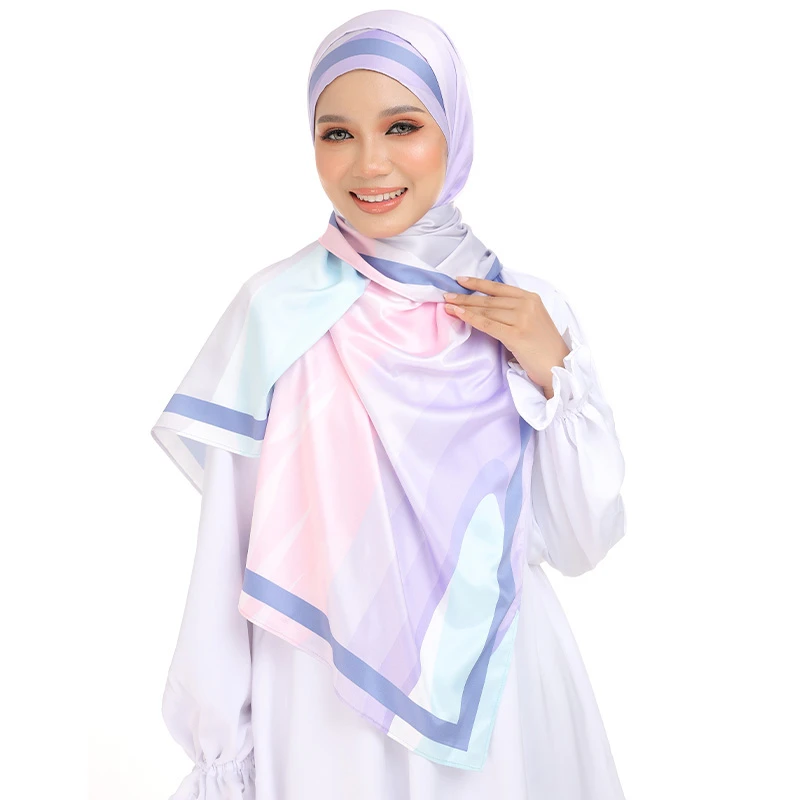
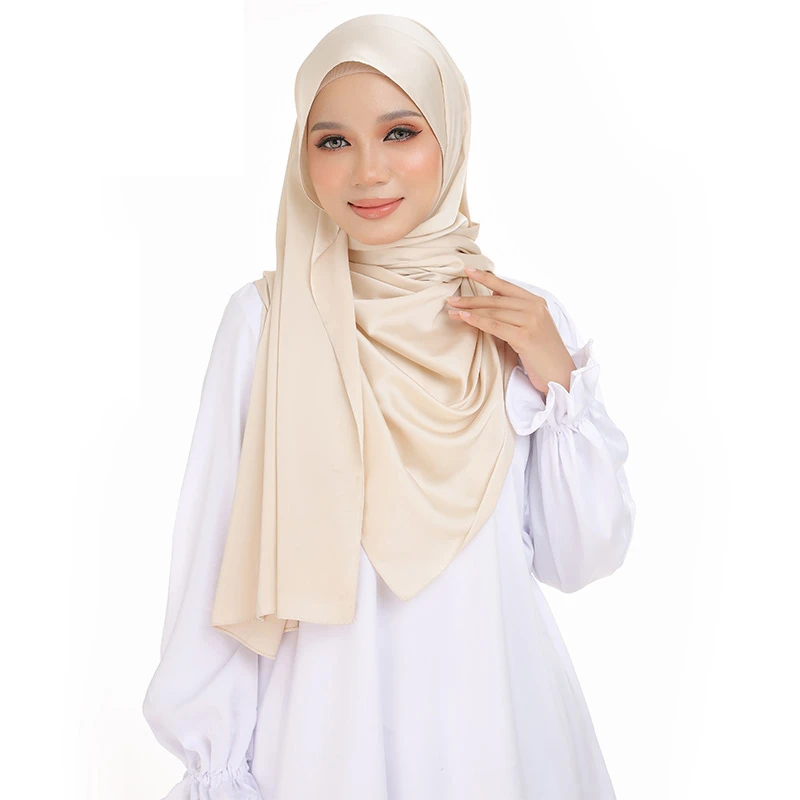
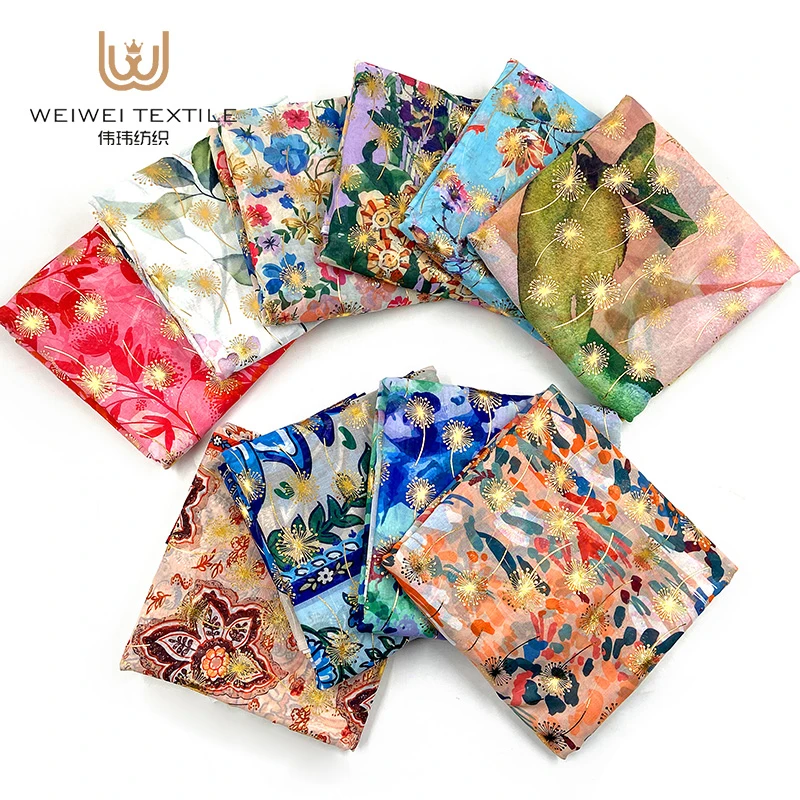
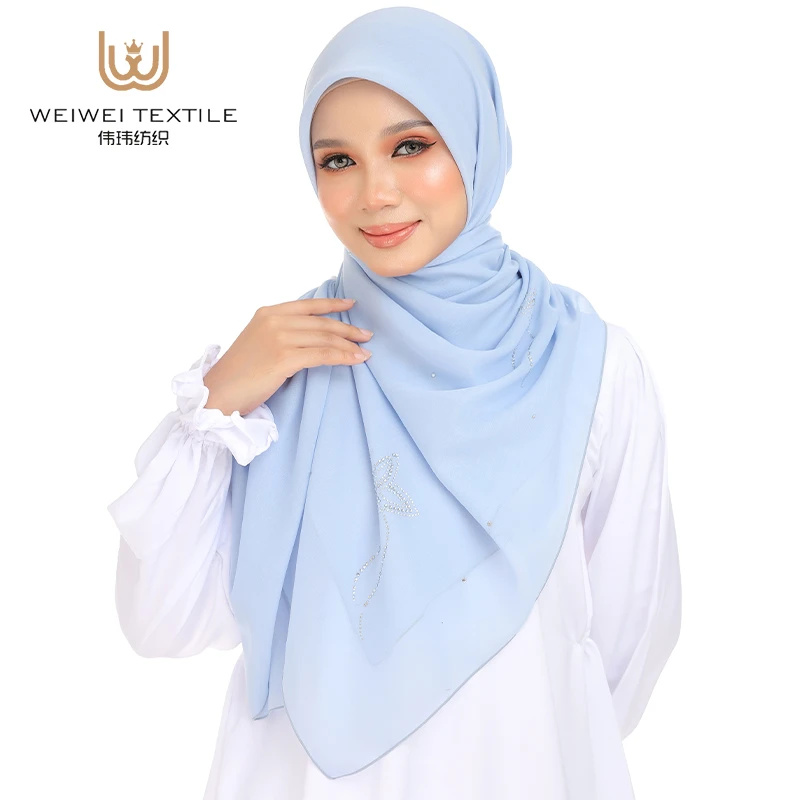
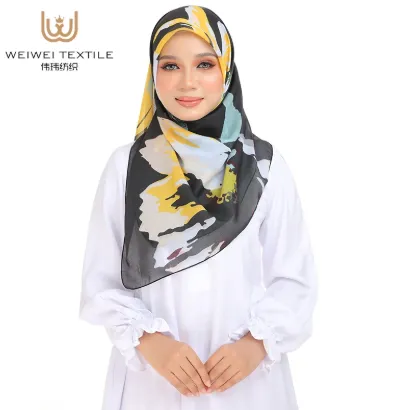
Yes, there are numerous styles of voile shawl. Different regions and countries within the Muslim world have their own unique styles, influenced by local traditions, climates, and fashion trends. Some voile shawls are long and flowing, while others are more compact and square-shaped. There are shawls with intricate embroidery, beading, or lacework, as well as those with simple, solid colors. Patterns can range from geometric designs to floral motifs, and the choice of fabric, such as lightweight cotton voile scarf or luxurious silk, also contributes to the variety of styles. These diverse styles allow Muslim women to choose a voile shawl that suits their personal taste, cultural background, and the occasion.
Can the Cotton Voile Scarf Be Worn in Different Ways?
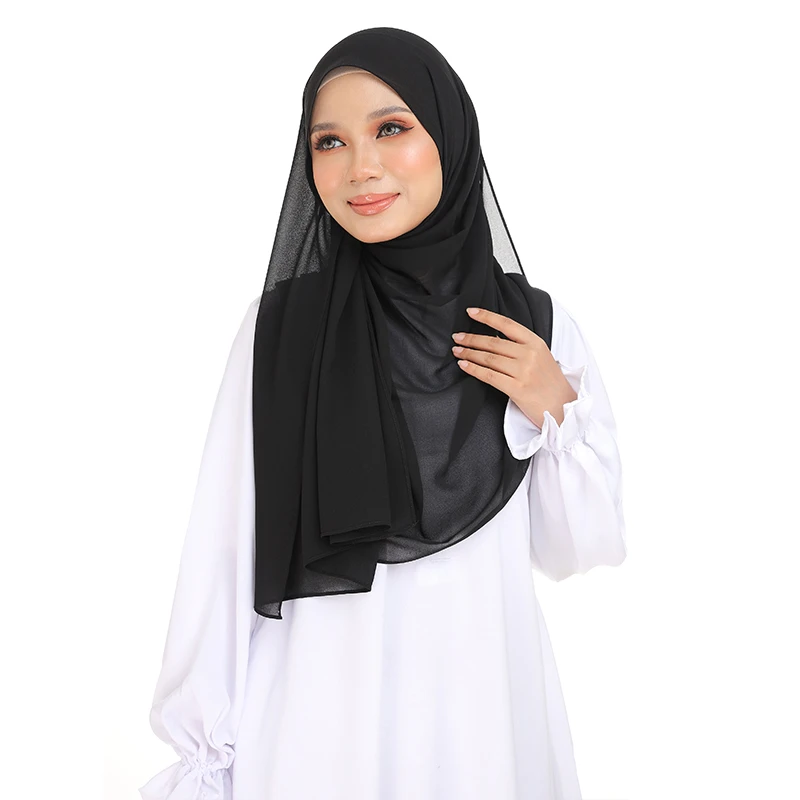
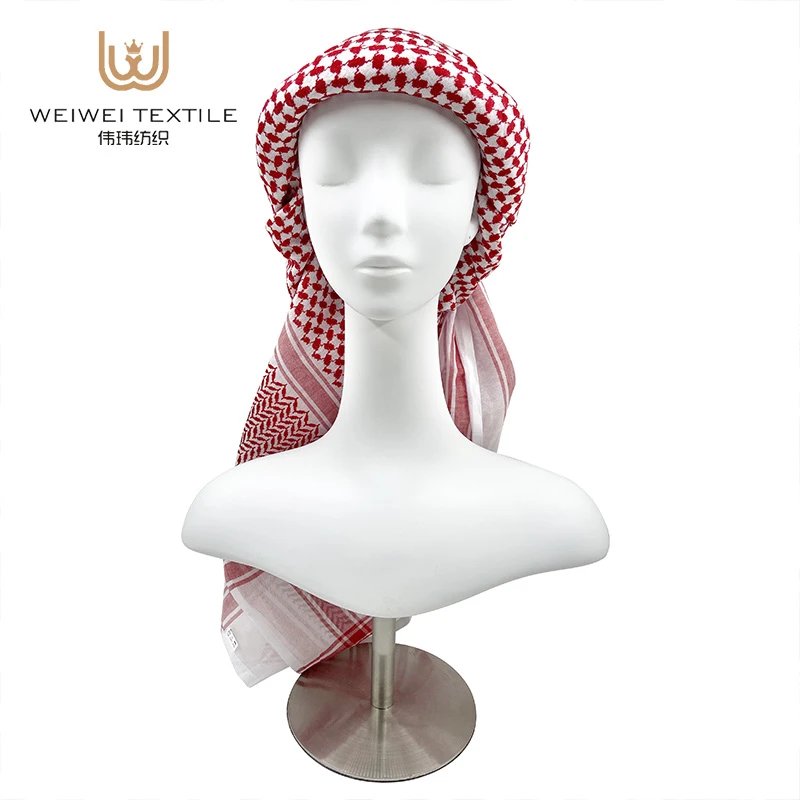
Absolutely! The cotton voile scarf offers great versatility in terms of styling. It can be draped over the head and shoulders in a simple, elegant manner, or it can be wrapped and tied in more elaborate ways to create different looks. Some popular ways to wear a cotton voile scarf include the traditional hijab style, where it covers the hair, neck, and shoulders; the turban style, which involves wrapping the scarf around the head in a circular pattern; and the headwrap style, where the scarf is folded and tied to create a fashionable head covering. Women often accessorize their cotton voile scarfs with pins, brooches, or decorative bands to add a personal touch and enhance the overall look.
How Does the Voile Scarf Impact a Muslim Woman’s Daily Life?
The voile scarf has a profound impact on a Muslim woman’s daily life. It is an essential part of her morning routine, as she carefully selects and styles her voile shawl or cotton voile scarf before leaving the house. Throughout the day, it serves as a constant reminder of her faith and values, guiding her actions and interactions. It also affects her choice of clothing, as she selects outfits that complement her head covering. In social situations, the voile scarf can influence how she is perceived by others, and it may also shape the way she engages with different communities. However, it also provides a sense of comfort, identity, and belonging, empowering her to navigate through life with confidence and pride.
Is the Wearing of Voile Scarf a Choice or a Requirement?
For many Muslim women, wearing the voile scarf is both a choice and a requirement. Religiously, it is considered a requirement for those who adhere to Islamic teachings on modesty. However, the decision to embrace and practice this aspect of their faith is a personal one. Muslim women choose to wear the voile shawl and cotton voile scarf as a way to express their devotion to Islam and their connection to their community. It is a choice that reflects their values, beliefs, and sense of identity. At the same time, within some families, communities, or cultural contexts, there may be social expectations or cultural norms associated with wearing the scarf, which can also influence the decision. Ultimately, while there are religious and cultural aspects to consider, each woman’s relationship with the voile scarf is unique and deeply personal.
-
Xinji Weiwei Textile Factory to Exhibit at the 139th Canton Fair
NewsApr.15,2026
-
Abaya Robe: Tradition, Elegance, and Daily Cultural Expression
NewsApr.15,2026
-
Satin Scarves and Hijabs: A Reflection of Tradition, Elegance, and Daily Practice
NewsApr.15,2026
-
Chiffon Scarf Hijab: A Blend of Tradition, Style, and Everyday Practice
NewsApr.15,2026
-
Exploring Hijab Fashion in Malaysia: Tradition, Style, and Daily Cultural Practice
NewsApr.15,2026
-
The Cultural Significance and Style of Voile Scarves and Shawls in Daily Muslim Wear
NewsApr.15,2026